Audio overview — the metabolic switch, hormonal cascades, autophagy, and how intermittent fasting works with your biology
What Is Intermittent Fasting?
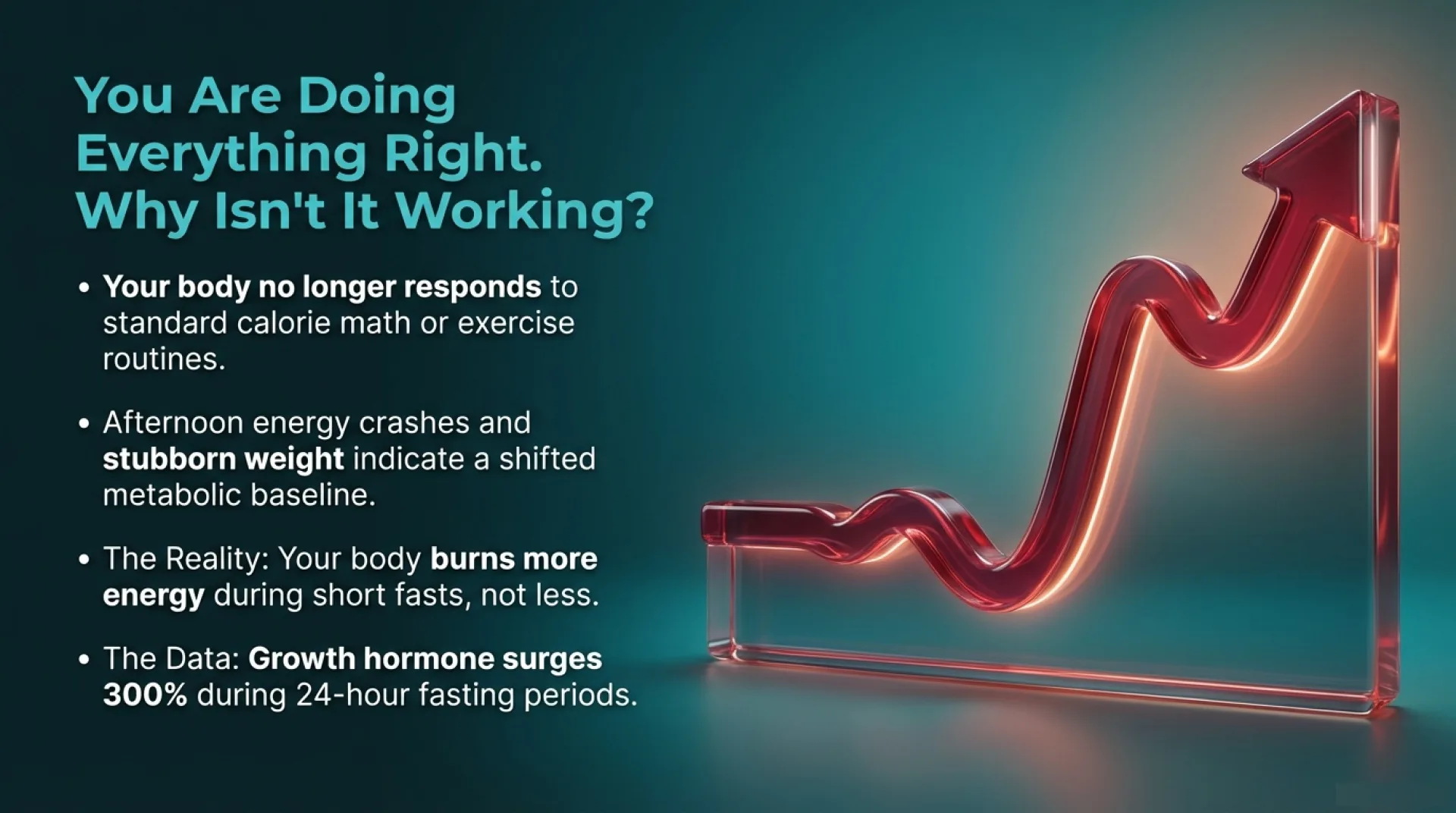
You are eating well. You are exercising. You are sleeping reasonably. And somewhere along the way — maybe in your late 30s, maybe after a hormonal shift, maybe after years of yo-yo dieting — your body stopped cooperating. The weight that used to respond to effort now ignores it. The energy that used to carry you through the afternoon vanishes by 2pm. And the frustrating part is that nothing obvious has changed — except the results.
Intermittent fasting is the deliberate cycling between periods of eating and not eating. It is not a diet in the traditional sense — it does not prescribe what to eat, only when. What makes it biologically significant is not the calorie reduction (though that may occur) but the metabolic pathways it activates: ancient cellular programs for fat oxidation, hormonal recalibration, cellular repair, and circadian realignment that modern eating patterns — grazing from morning to night — rarely engage 1.
This is not a fad. It is a deeply researched metabolic strategy grounded in how your body has functioned for millions of years. A 2025 paper in Nature Metabolism introduced the Cyclic Metabolic Switching (CMS) theory, proposing that the unique benefits of intermittent fasting arise from the alternation between stress-response pathways during fasting and growth/plasticity pathways during feeding — a cycle that produces outcomes distinct from continuous calorie restriction or sustained ketogenic diets 2.
How Does It Work?
The Metabolic Switch
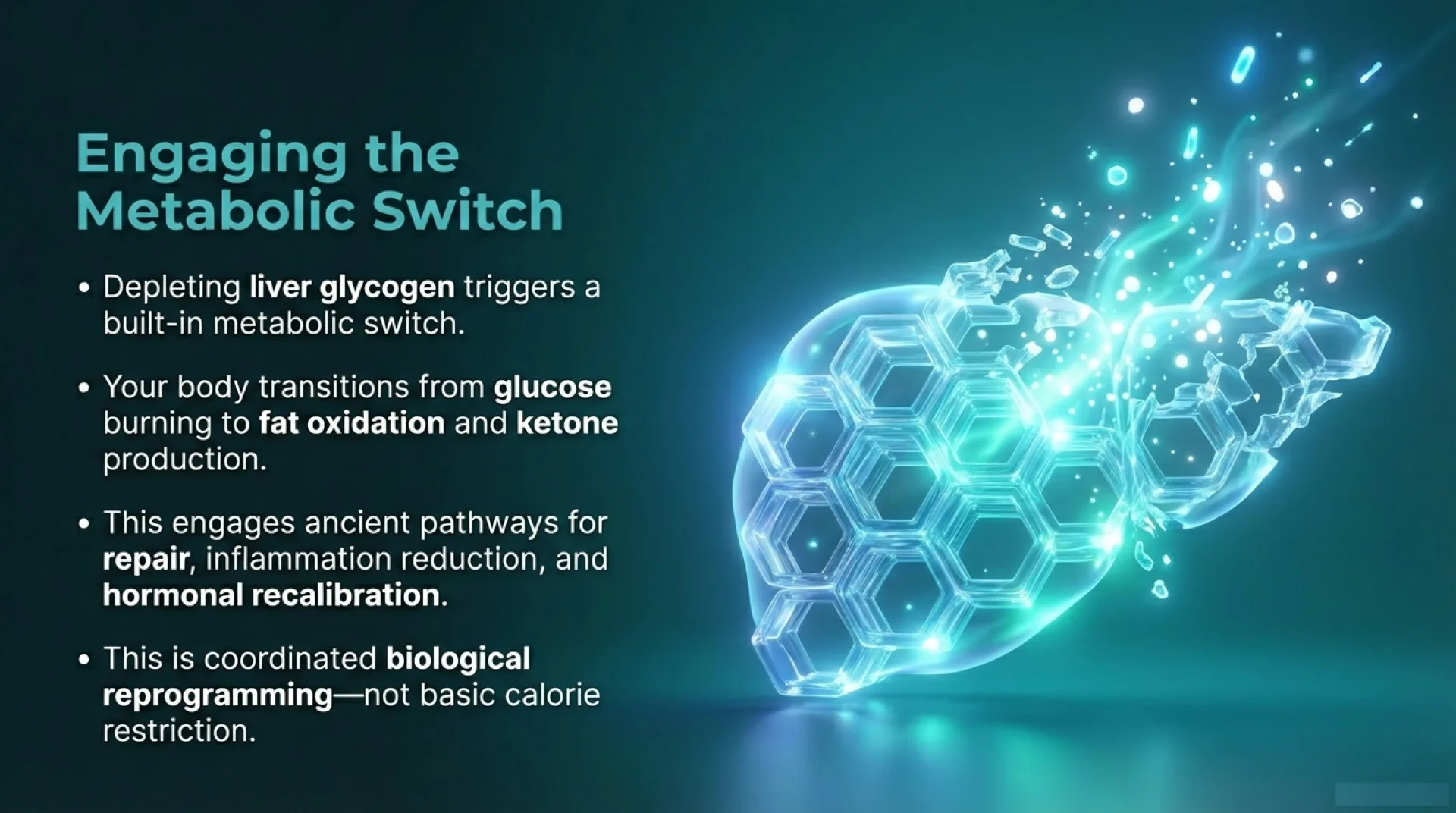
At the center of intermittent fasting biology is a concept called the metabolic switch — the point at which your liver’s glycogen stores are depleted and your body transitions from burning glucose to burning fat and producing ketone bodies 4. This typically occurs between 12 and 36 hours after your last meal, depending on your glycogen reserves and activity level.
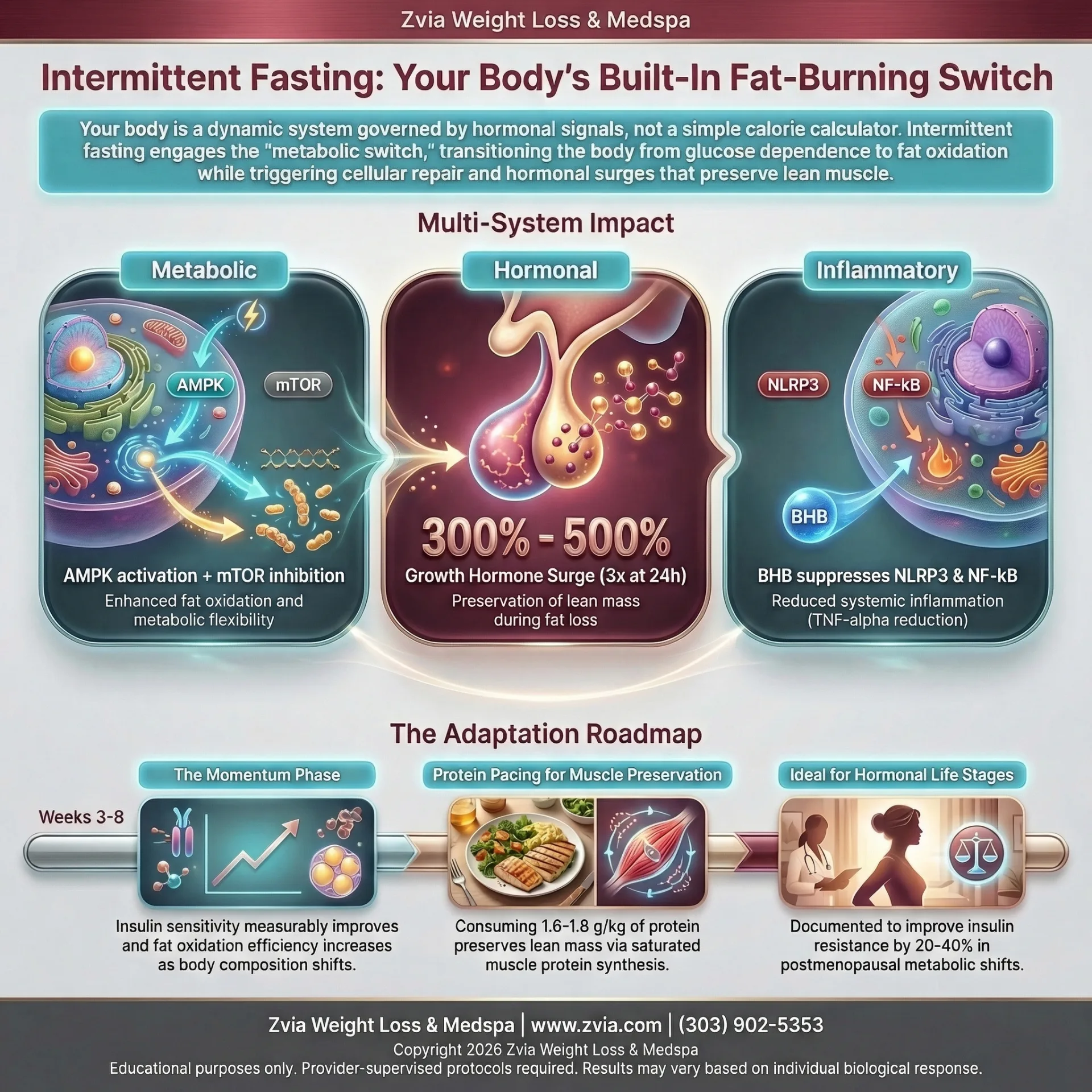
Three events make this switch possible: cells with mitochondrial machinery transition to fatty acid oxidation, lipid stores are mobilized into circulation, and the liver converts circulating fatty acids into ketone bodies — acetone, acetoacetate, and beta-hydroxybutyrate (BHB) — that can cross the blood-brain barrier to fuel the brain 4.
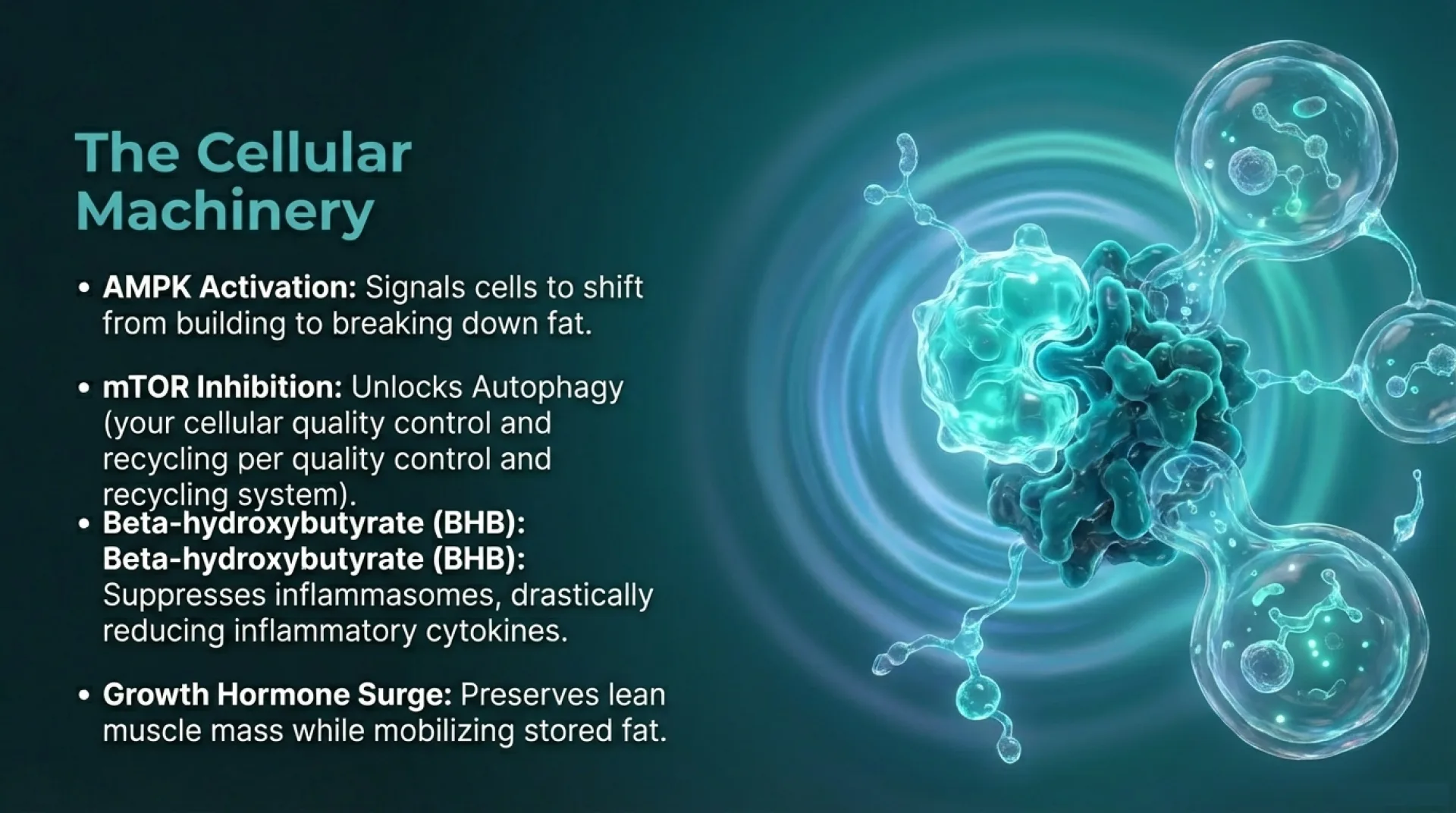
BHB is far more than backup fuel. It functions as a signaling molecule that suppresses the NLRP3 inflammasome and inhibits NF-kB signaling, directly reducing the production of pro-inflammatory cytokines 1. BHB also stimulates expression of BDNF (brain-derived neurotrophic factor), promoting mitochondrial biogenesis and new synapse formation — which explains the cognitive clarity many people report during fasting windows 5.
The AMPK-mTOR Axis
During fasting, rising AMP-to-ATP ratios activate AMPK (AMP-activated protein kinase), your body’s master energy sensor. AMPK shifts metabolism from building to breaking down — inhibiting lipid and protein synthesis while promoting fatty acid oxidation and autophagy. Simultaneously, the drop in insulin and nutrient availability inhibits mTORC1, which normally suppresses autophagy. When mTORC1 goes quiet, the ULK1 complex activates, initiating your body’s cellular cleanup program 6.
This is why fasting is not just about calories. It engages an entire molecular cascade — AMPK activation, mTOR inhibition, autophagy induction — that calorie counting alone does not trigger.
The Hormonal Response
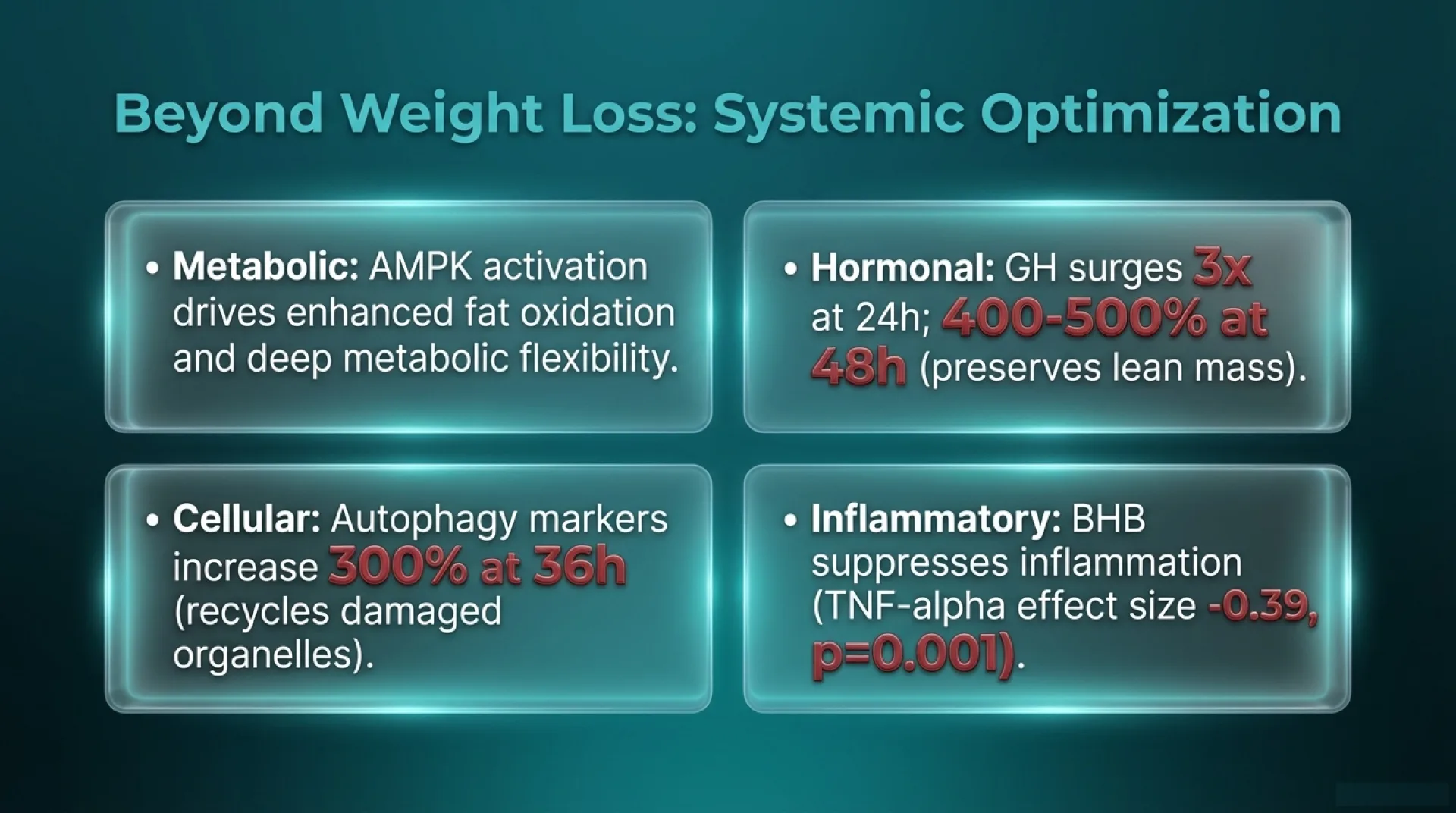
Growth hormone surges during fasting: approximately 3-fold at 24 hours and 400-500% above baseline at 48 hours 7, 8. Pituitary pulse frequency doubles from 3-5 daily pulses to up to 8-12, with increased amplitude. This GH elevation preserves lean mass during energy restriction while promoting fat mobilization — the body burns fat but protects muscle.
Norepinephrine rises significantly, with adipose tissue spillover nearly tripling during extended fasting. This drives resting energy expenditure from 3.97 to 4.53 kJ/min by day three 18, 19 — your body actually burns more energy during short-term fasting, not less.
Ghrelin — the hunger hormone — adapts to predictable fasting patterns within 2-4 weeks, diminishing at times you used to eat. This is why the first week of intermittent fasting is the hardest and why consistency matters more than willpower.
Insulin drops progressively, facilitating lipolysis and improving receptor sensitivity. Meta-analyses show fasting insulin decreases by approximately 2.1 microU/mL with time-restricted eating, along with reductions in fasting glucose, glycosylated hemoglobin, and HOMA-IR 10.
Autophagy: Cellular Quality Control
Autophagy is your body’s recycling program. During fasting, damaged organelles, misfolded proteins, and cellular debris are engulfed in autophagosomes and broken down for reuse. Autophagy markers increase approximately 300% above baseline at 36 hours 6. Three forms operate simultaneously: macroautophagy (large components), microautophagy (small components via lysosomal invagination), and chaperone-mediated autophagy (selective protein degradation via the LAMP-2A receptor).
This is not abstract biology. Autophagy is the reason fasting has been linked to reduced risk of age-related disease — it is your body’s quality control system, operating most intensely during periods without food 1.
What Are the Benefits of Intermittent Fasting?
Fat Loss Without Muscle Loss
Time-restricted eating combined with resistance training shows significant reductions in fat mass (effect size -0.20) and body fat percentage (effect size -0.23) without significant differences in fat-free mass 11. When protein intake is controlled at 1.6-1.8 g/kg/day, lean mass preservation is equivalent regardless of eating pattern 10.
Improved Insulin Sensitivity
Fasting reduces insulin resistance through multiple mechanisms: lower fasting insulin, improved HOMA-IR, enhanced metabolic flexibility. Postmenopausal women may experience a 20-40% decrease in insulin resistance — precisely because their baseline has declined the most 20.
Reduced Systemic Inflammation
TNF-alpha decreases significantly with time-restricted feeding (effect size -0.39, p = 0.001). CRP reductions are most pronounced with periodic severe caloric restriction protocols. The mechanism: BHB production suppresses NLRP3 inflammasome activation and NF-kB signaling 9.
Enhanced Cellular Repair
Fasting activates SIRT1, SIRT3, and FOXO3 — a coordinated network that promotes mitochondrial biogenesis, antioxidant defense, DNA repair, and autophagy 16, 24. A landmark study demonstrated that a 24-hour fasting period followed by refeeding can nearly restore youthful capacity of aged blood stem cells 17.
Gut Microbiome Optimization
Intermittent fasting increases microbial diversity, enriches beneficial species including Akkermansia muciniphila and Faecalibacterium prausnitzii, and boosts short-chain fatty acid production — particularly butyrate, which strengthens the intestinal barrier and stimulates satiety hormone release 15.
Circadian Realignment
Time-restricted eating strengthens circadian clock gene expression — BMAL1, CLOCK, PER, CRY amplitudes increase. Remarkably, time-restricted feeding can restore daily metabolic rhythms even in circadian clock knockout models, suggesting that feeding patterns may partially compensate for impaired molecular clock function 13.
What Results Can You Expect from Intermittent Fasting?
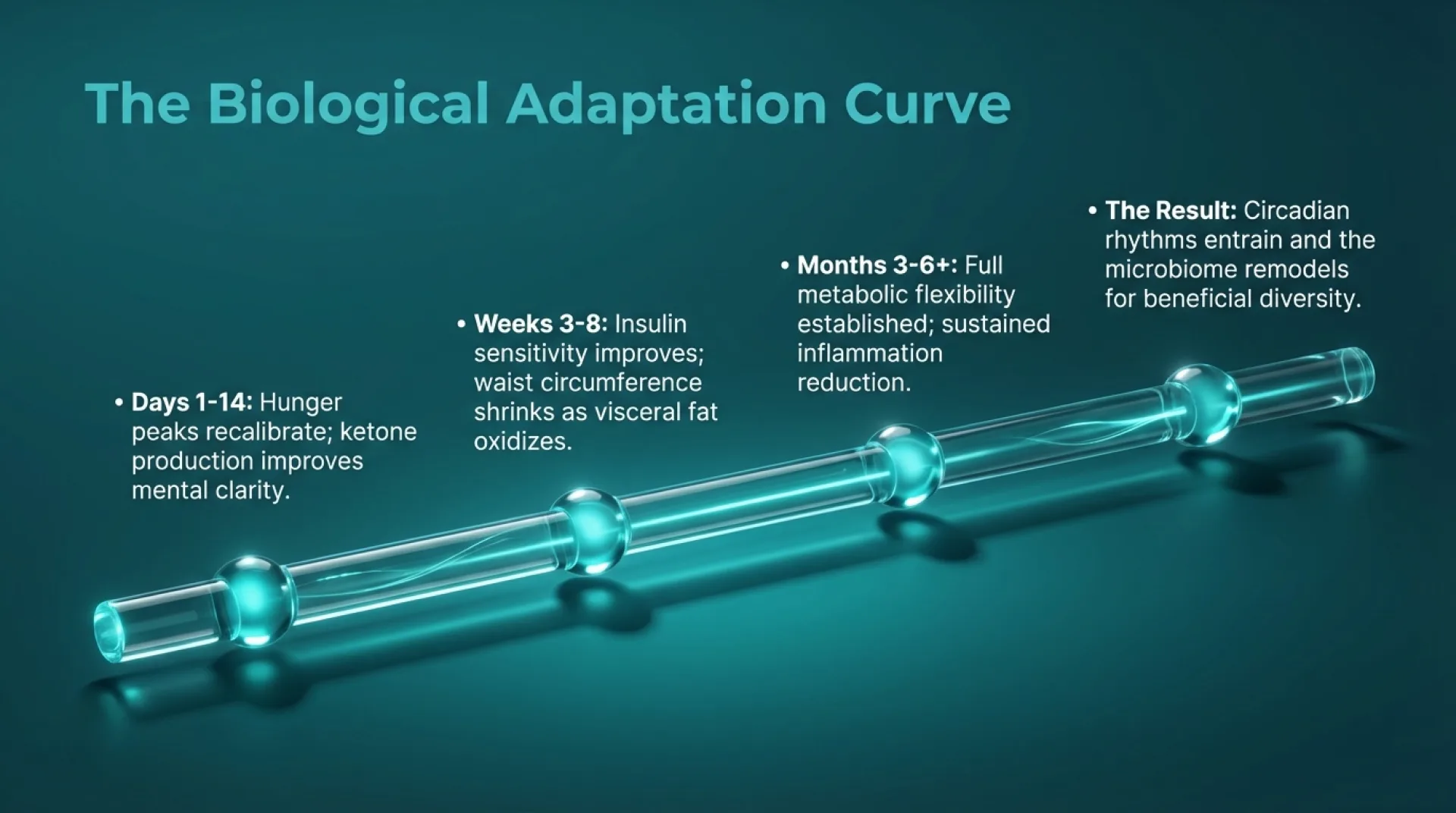
The Opening (Days 1-14)
The first phase is adaptation. Ghrelin surges at your typical meal times, creating hunger peaks that feel intense but are predictably timed. By the end of the second week, ghrelin begins recalibrating to your new eating pattern. Insulin levels begin dropping during fasting windows. You may notice improved mental clarity during fasting hours as ketone production begins supplementing brain energy. Expect some irritability, headaches, and lower energy in the first 3-5 days as your body adjusts — this is the metabolic transition period.
Building Momentum (Weeks 3-8)
Hunger adaptation is well-established. Fasting windows feel manageable. Insulin sensitivity improvements become measurable — fasting glucose stabilizes, afternoon energy crashes diminish. Fat oxidation efficiency increases as metabolic switching becomes practiced. Sleep quality may improve, particularly if your eating window ends 2-3 hours before bed. Body composition changes begin appearing: waist circumference decreases before scale weight, reflecting visceral fat reduction.
The Crescendo (Months 3-6+)
Cumulative benefits reach full expression. Body composition changes are visible and measurable. Metabolic flexibility — the ability to switch efficiently between glucose and fatty acid oxidation — is well-established. Circadian rhythm entrainment from consistent feeding windows produces stable energy, predictable hunger, and optimized sleep-wake cycling. Inflammatory markers show sustained improvement. The microbiome has remodeled toward greater diversity and beneficial species dominance.
Timeline Note: Individual variation is significant. Life stage (perimenopause, post-menopause), starting metabolic health, sleep quality, stress levels, exercise type, and protein intake all influence the pace of adaptation. These timelines represent typical ranges, not guarantees.
Who Should Understand This?
If you have noticed that your metabolism does not respond the way it did ten years ago — that the same eating pattern produces different results now — understanding intermittent fasting biology explains what changed and why.
If you are in your 40s and perimenopause is shifting your hormonal landscape, the interaction between estrogen fluctuations, cortisol reactivity, and insulin sensitivity is directly relevant. A gentler approach — 12-14 hour fasts building gradually to 16-18 hours — may serve your biology better than aggressive protocols because your cortisol threshold has changed 20.
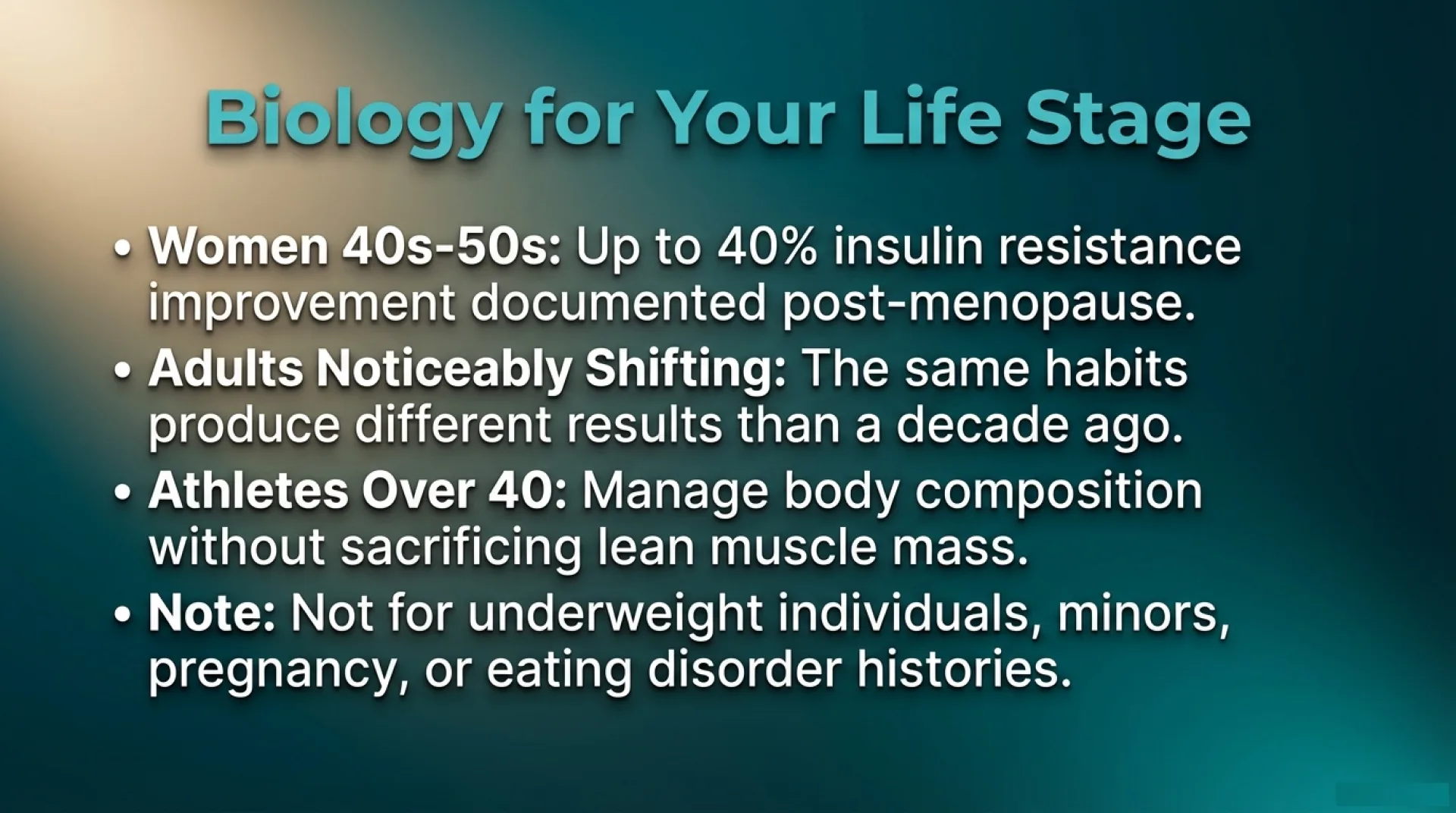
If you are in your 50s navigating menopause, the evidence is encouraging: postmenopausal women may experience the most dramatic improvements in insulin resistance with structured fasting, precisely because their baseline has the most room for improvement 20.
If you are an athlete over 40 managing body composition, the evidence shows fasting combined with resistance training reduces fat mass without compromising lean mass — but training in a fed state produces greater strength gains 11. Understanding this trade-off helps you strategically time workouts.
If you have experienced weight regain after dieting, your leptin sensitivity, ghrelin patterns, and metabolic flexibility may all be compromised. Understanding how fasting resets these hormonal signals — rather than simply creating caloric deficit — offers a fundamentally different framework.
A note on caution: This biology also reveals who should approach fasting carefully or not at all — individuals who are underweight, under 18, pregnant or breastfeeding, managing conditions requiring consistent fuel availability, or with a history of disordered eating. Intermittent fasting has a documented association with eating disorder behaviors 23, and the biology of restriction can trigger harmful patterns in vulnerable individuals.
Working With This Biology
Nutrition During Eating Windows
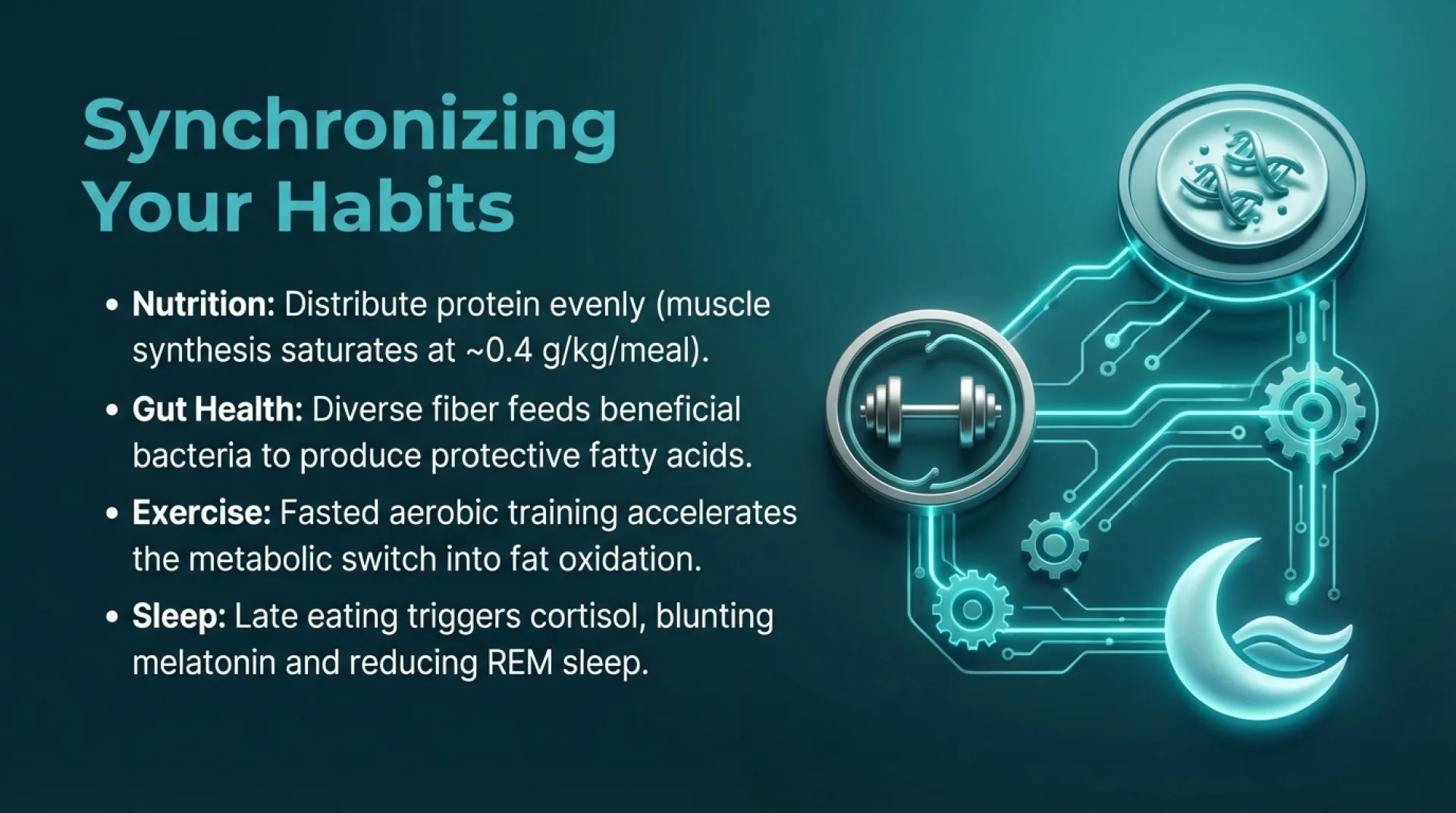
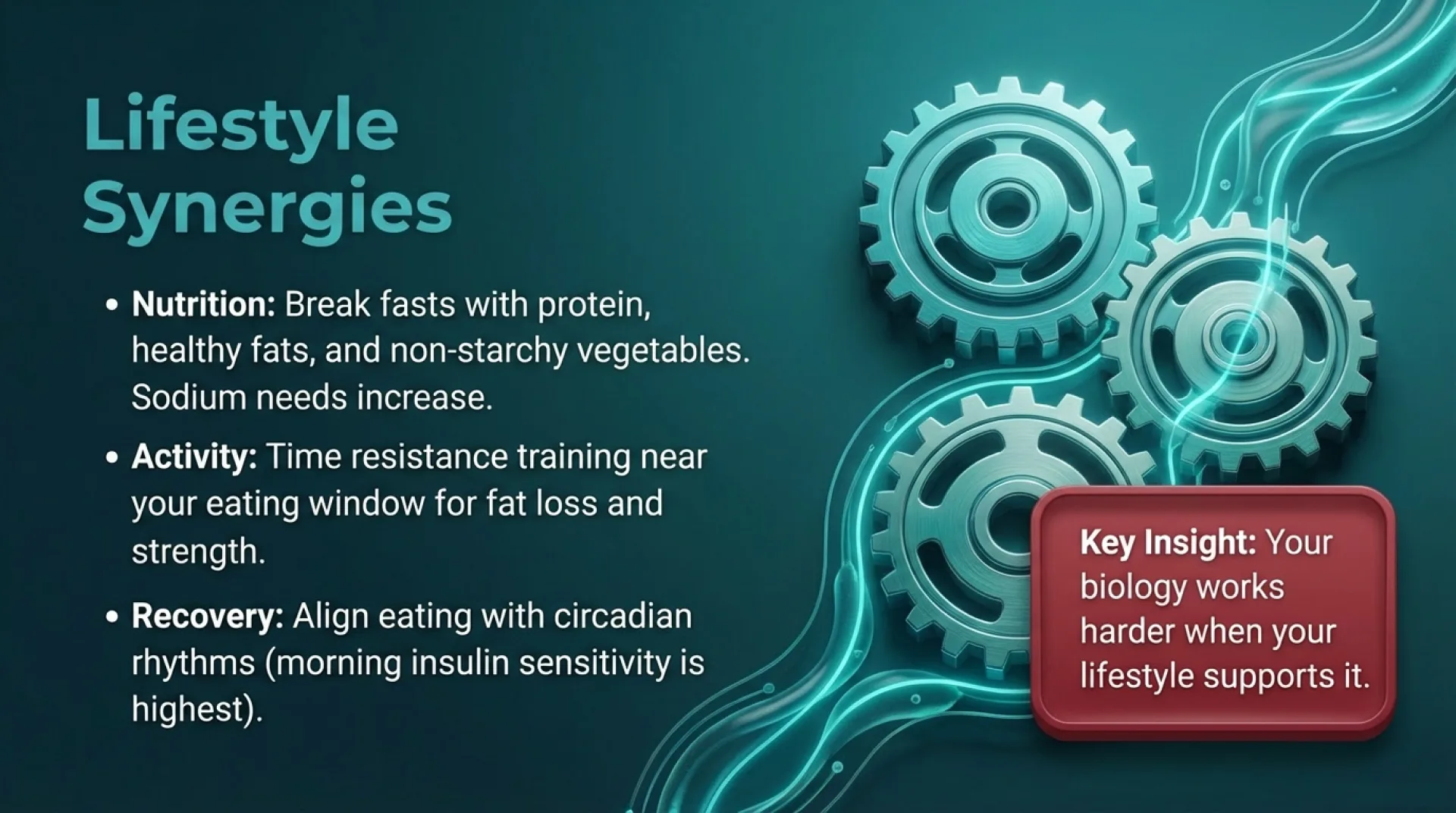
Protein is the non-negotiable. Muscle protein synthesis saturates at approximately 0.4 g/kg per meal, making protein distribution across the eating window critical. Total daily intake of 1.6-1.8 g/kg supports lean mass preservation regardless of fasting protocol 10. Break your fast with easily digestible proteins, healthy fats, and non-starchy vegetables rather than processed or high-sugar foods.
Fiber from diverse whole food sources — vegetables, berries, legumes, nuts, seeds — feeds the SCFA-producing bacteria that strengthen gut barrier function and stimulate GLP-1 and PYY release through FFAR2, FFAR3, and OR51E1 receptors on colonic L cells 14.
Hydration and electrolytes require attention. Fasting lowers insulin, causing kidneys to flush sodium and water. Potassium and magnesium follow. Sodium needs increase to approximately 2,000-3,000 mg during 16-hour fasts. Pure electrolyte minerals do not break a fast.
Exercise Timing
Fasted aerobic exercise accelerates glycogen depletion and advances the metabolic switch. Resistance training in a fed state produces greater strength gains, while fasted resistance training is more effective for fat loss 11. For people prioritizing both goals, timing resistance training within or immediately before the eating window optimizes both outcomes.
Sleep and Circadian Alignment
Finishing the last meal 2-3 hours before bed supports sleep quality by preventing late cortisol surges that blunt melatonin release and reduce REM sleep. Early eating windows — eating earlier in the day and fasting through the evening — align with peak insulin sensitivity and clock gene expression, producing stronger metabolic outcomes 12.
Stress Awareness
The cortisol response is the biological guardrail that separates beneficial metabolic stress (hormesis) from harmful chronic restriction. Overdoing fasting or undereating during eating windows can spike cortisol beyond the adaptive range, impairing thyroid function — T3 may decrease by up to 55% within 24 hours of aggressive fasting 23. Consistency with moderate protocols outperforms aggressive but unsustainable ones.
The Zvia Perspective
At Zvia Weight Loss & MedSpa in Lakewood, Colorado, understanding the biology of intermittent fasting is foundational to how we approach metabolic health and sustainable weight management.
The science here is not simplistic. Intermittent fasting engages AMPK-mTOR signaling, circadian clock gene expression, gut-brain axis communication, autophagy cascades, and sirtuin-FOXO longevity pathways — all simultaneously. The difference between a generic recommendation and an effective strategy lies in understanding how these systems interact with each person’s specific biology: their hormonal status, their life stage, their metabolic flexibility, their stress load.
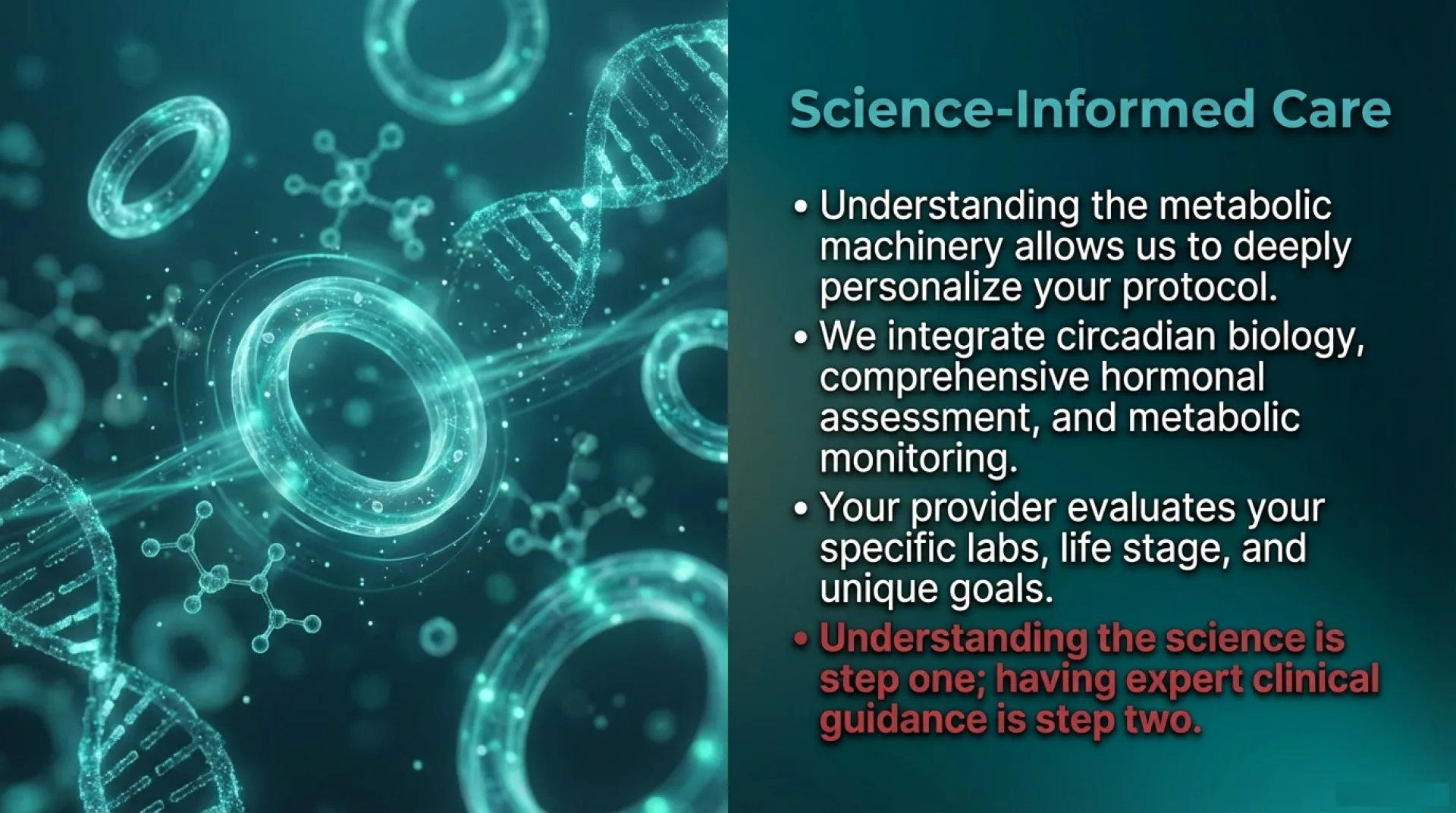
This is what science-informed care actually means. Not following trends. Not applying one-size-fits-all protocols. Understanding the biological machinery deeply enough to help each person engage it effectively — and safely. Your Zvia provider considers your labs, your history, your circadian patterns, and your goals to help you work with your metabolic biology, not against it.
Understanding the science is the first step. Working with a team that understands it deeply is the second.
Continue exploring
Insulin Sensitivity & Glucose Regulation: When Your Body Stops Responding the Way It Used To
How insulin sensitivity and glucose regulation govern energy storage, fat burning, and metabolic health. Evidence-based strategies at Zvia Weight Loss & MedSpa in Lakewood, CO.
Protein Synthesis & Lean Mass: Why Your Body Loses Muscle During Weight Loss
Why your body loses muscle during weight loss — and the biology of preserving lean mass. Provider-guided strategies at Zvia Weight Loss & MedSpa in Lakewood, CO.
Satiety Signaling: Why Your Hunger Stopped Making Sense
The science of satiety signaling — hormones, nerves, and brain circuits that govern hunger and fullness. Learn how your appetite biology works at Zvia Weight Loss & MedSpa in Lakewood, CO.
Educational purposes only. Provider-supervised protocols required. Results may vary based on individual biological response.
Talk with our clinical team about how this applies to your health picture.
References
- 1. de Cabo R, Mattson MP Effects of Intermittent Fasting on Health, Aging, and Disease . New England Journal of Medicine (2019).
- 2. Mattson MP Cyclic Metabolic Switching Theory . Nature Metabolism (2025).
- 3. Trepanowski JF et al. Alternate-Day Fasting vs Daily Calorie Restriction (12-month RCT). JAMA Internal Medicine (2017).
- 4. Flipping the Metabolic Switch: Understanding and Applying Health Benefits of Fasting . Obesity (2018).
- 5. Intermittent Metabolic Switching, Neuroplasticity and Brain Health . Nature Reviews Neuroscience (2018).
- 6. mTOR-Autophagy Axis Regulation by Intermittent Fasting . PMC (2025).
- 7. Water-Only Fasting and Growth Hormone (2025 RCT) . PMC (2025).
- 8. Fasting Enhances Growth Hormone Secretion . Journal of Clinical Investigation (1988).
- 9. IF Effects on Inflammatory Markers - Network Meta-Analysis . PMC (2025).
- 10. Impact of IF on Body Composition (2025) . PMC (2025).
- 11. TRE with Exercise and Body Composition . International Journal of Obesity (Nature) (2024).
- 12. Fasting, Circadian Rhythms, and Time-Restricted Feeding . PMC (2017).
- 13. TRF Prevents Obesity in Circadian Clock Knockout Mice . PMC (2020).
- 14. Gut Microbiome Regulation of Gut Hormones . Endocrinology (Oxford Academic) (2025).
- 15. IF Modulates Gut Microbiota Diversity . PMC (2024).
- 16. Metabolic Regulation of Sirtuins upon Fasting . PMC (2017).
- 17. Fasting-Refeeding Paradigm Rejuvenates Old Stem Cells . Columbia University Irving Medical Center (2024).
- 18. Norepinephrine Spillover from Adipose Tissue During Fasting . Journal of Clinical Endocrinology & Metabolism (2002).
- 19. Resting Energy Expenditure in Short-Term Starvation . American Journal of Clinical Nutrition (2000).
- 20. IF and Weight Management at Menopause . PMC (2025).
- 21. 8-Hour Time-Restricted Eating and Cardiovascular Death Risk . American Heart Association (2024).
- 22. IF and Bone Health Systematic Review . PMC (2023).
- 23. Critical Assessment of Fasting (Endocrine Reviews 2025) . Endocrine Reviews (Oxford Academic) (2025).
- 24. FOXO3 and SIRT1 Expression During Fasting . Heliyon (ScienceDirect) (2023).
- 25. Innate Immune Remodeling by Short-Term Fasting . Aging Cell (Wiley) (2022).