
Audio overview — how insulin sensitivity works, what disrupts it, and what you can do about it
What Is Insulin Sensitivity & Glucose Regulation?
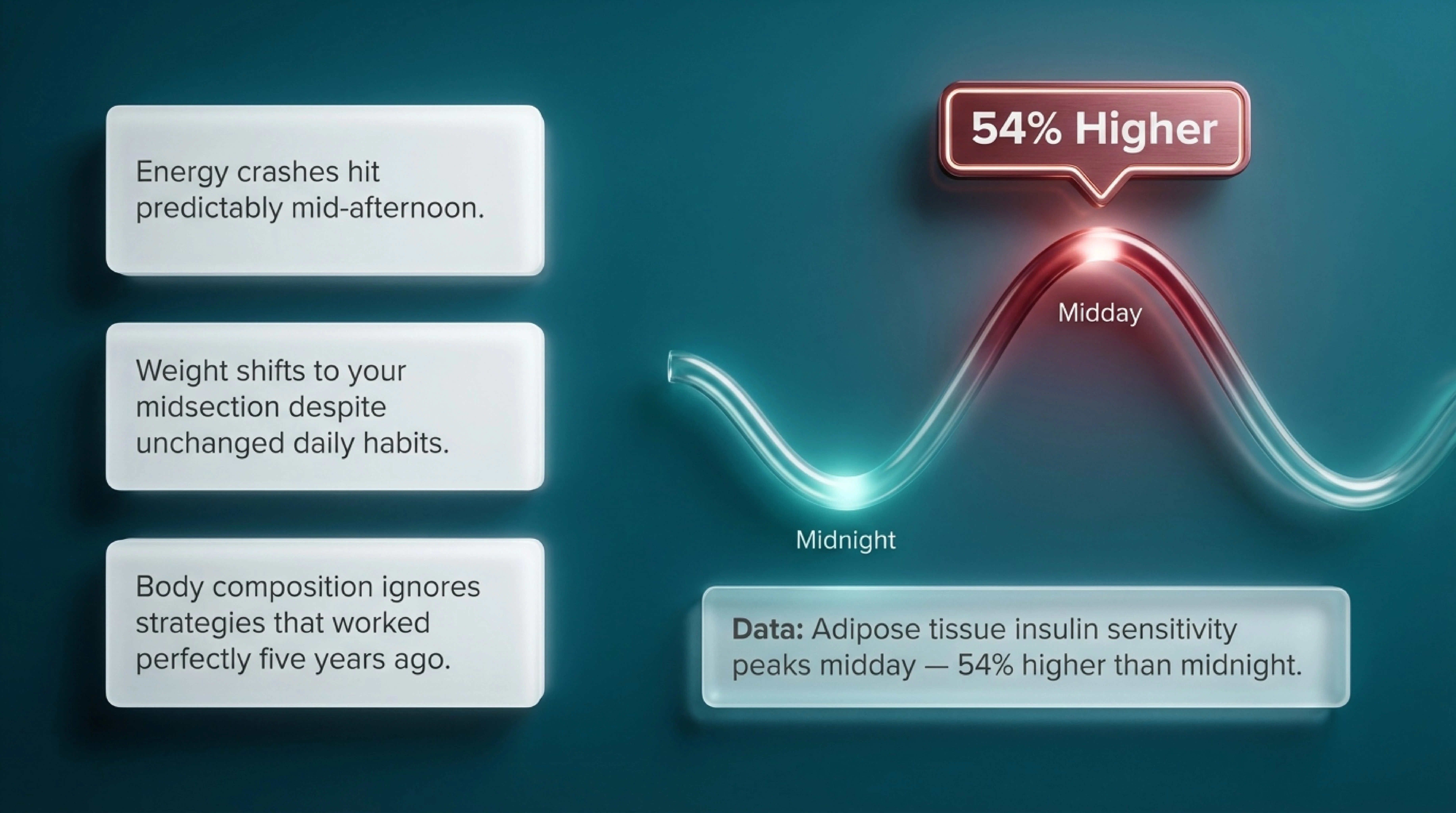
You used to eat a meal and move on with your day. Now there is a crash two hours later — the brain fog, the irritability, the pull toward something sweet just to get through the afternoon. You are exercising more but seeing less change in your body composition. The weight around your midsection appeared seemingly overnight and refuses to respond to the strategies that used to work.
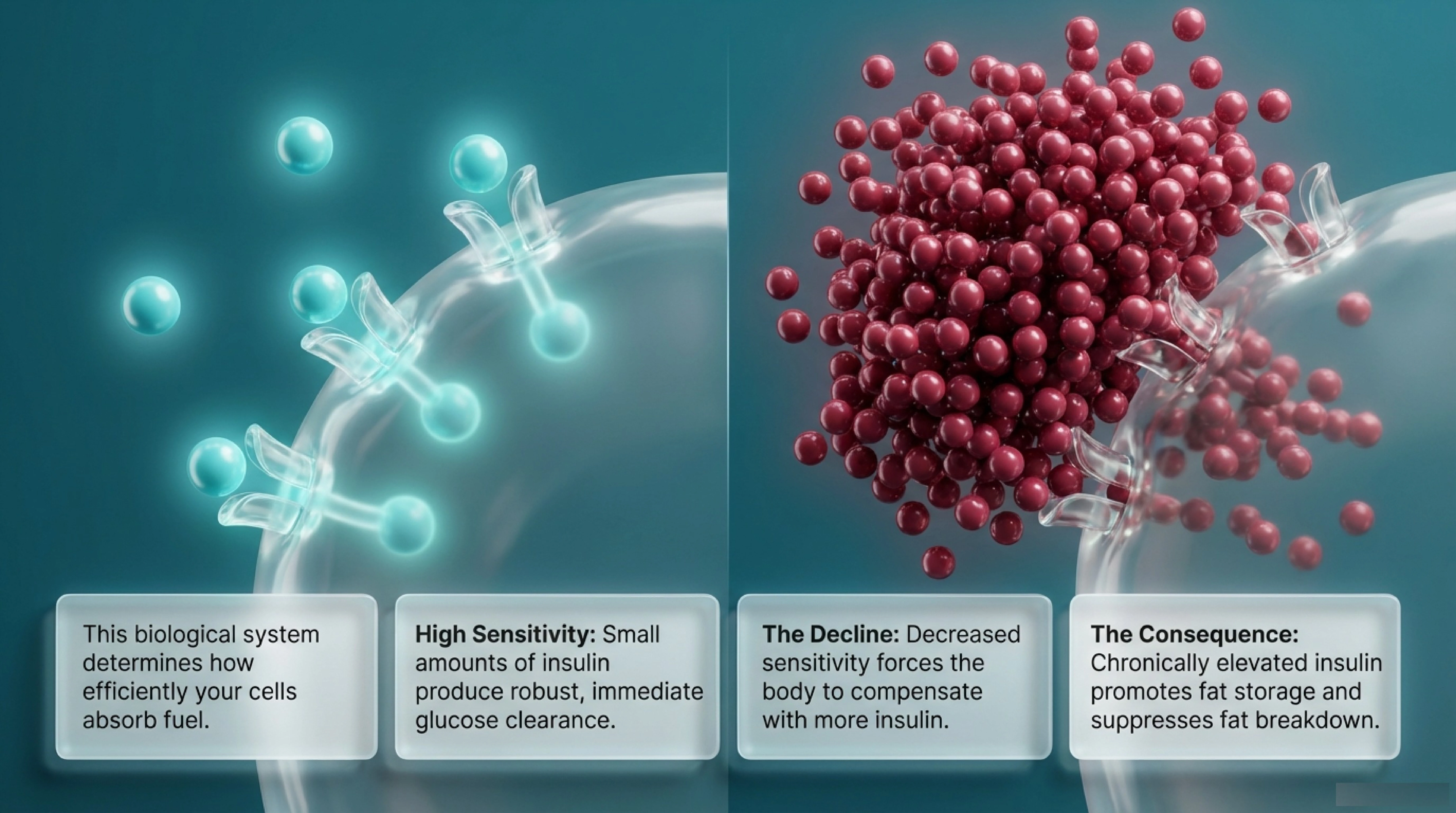
These experiences are not failures of discipline. They are signals from a biological system that governs how every cell in your body accesses energy — insulin sensitivity and glucose regulation. This interconnected network of hormones, receptors, signaling pathways, and feedback loops determines how efficiently your cells absorb fuel from your bloodstream, how your liver manages blood sugar between meals, and whether your body is primed to store fat or burn it.
Understanding this biology changes the conversation. It moves you from “why isn’t this working?” to “what is actually happening in my body?” — and that shift is where meaningful, lasting progress begins.
How Does It Work?
The Insulin Signaling Cascade
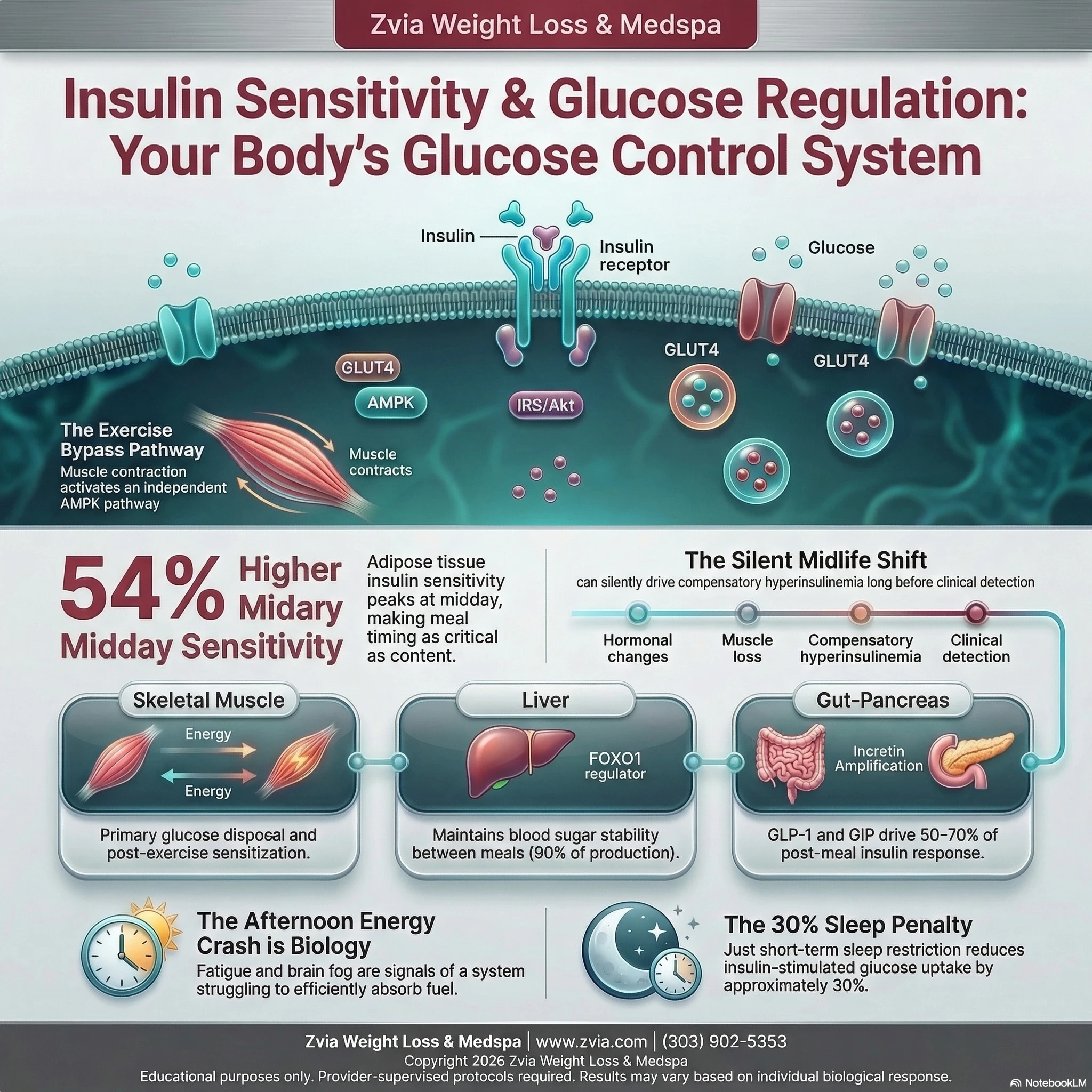
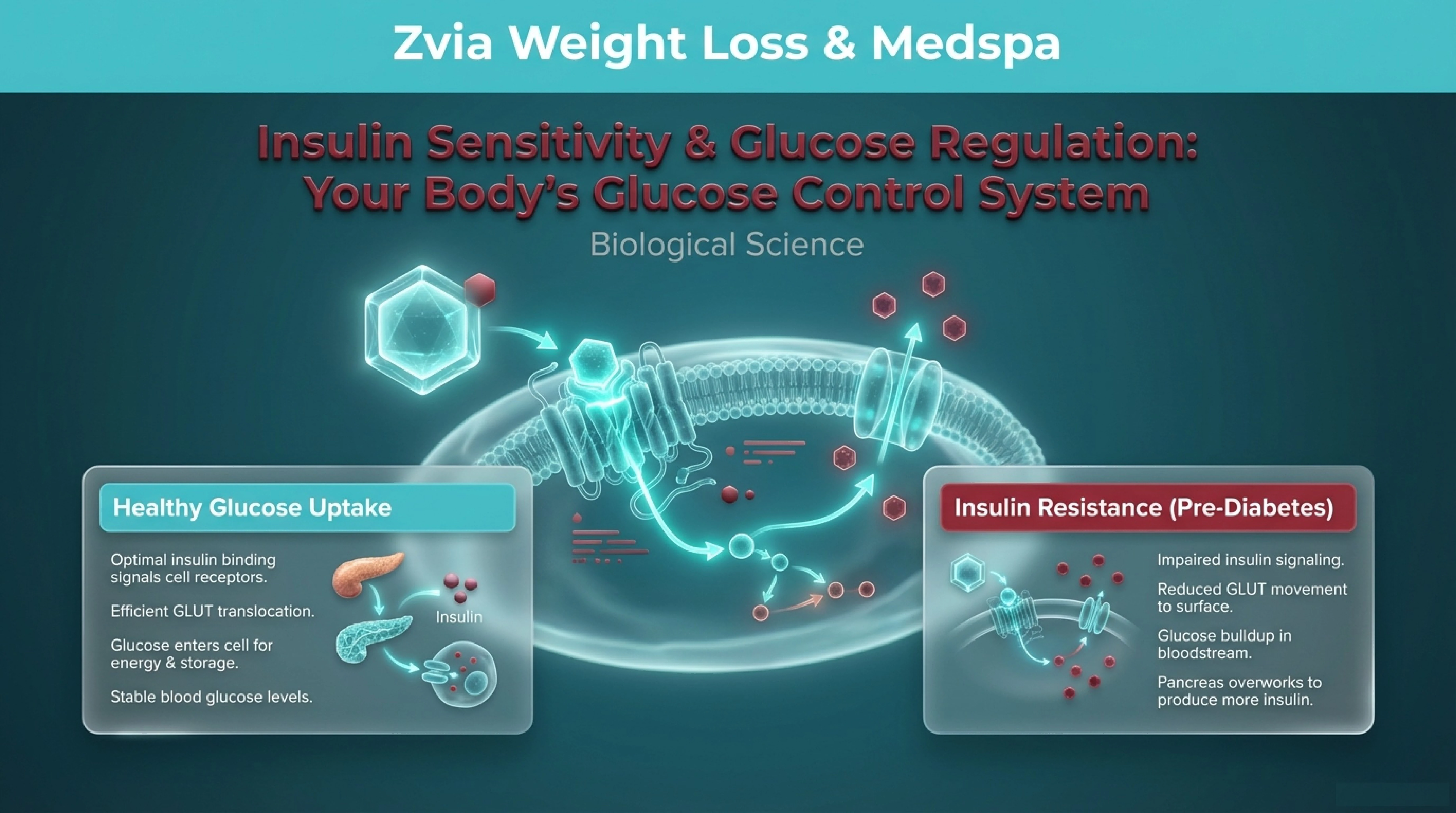
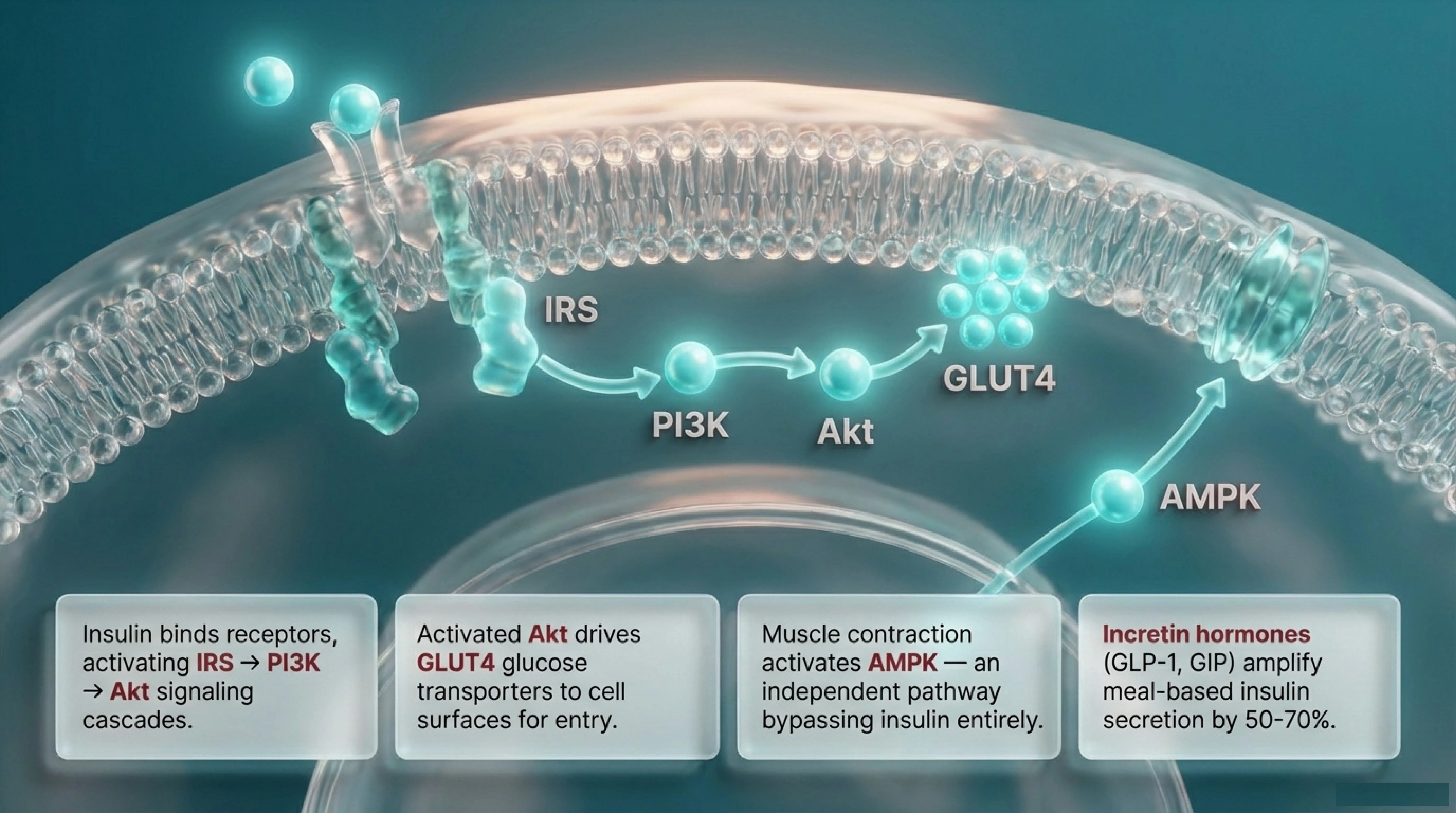
When you eat, rising blood glucose triggers your pancreatic beta cells to release insulin. Insulin travels to its three primary target tissues — skeletal muscle, liver, and adipose tissue — where it initiates a precise molecular cascade. Insulin binds to the insulin receptor, a transmembrane receptor tyrosine kinase, which activates insulin receptor substrate proteins (IRS-1 and IRS-2). These recruit and activate PI3K (phosphoinositide 3-kinase), which generates PIP3 at the cell membrane 1. PIP3 serves as a docking site for protein kinase B (Akt), which is then activated through dual phosphorylation by PDK1 and mTORC2 2.
Activated Akt phosphorylates a protein called AS160 (TBC1D4), which releases Rab GTPases from their inactive state. This triggers GLUT4 glucose transporters — stored in intracellular vesicles — to migrate to the cell surface, where they facilitate glucose entry into the cell 1, 2. This entire cascade, from receptor binding to glucose entry, is the molecular definition of insulin sensitivity. When it works efficiently, small amounts of insulin produce robust glucose clearance. When any step falters, the body compensates by producing more insulin — the hallmark of insulin resistance.
The Pancreatic Control Center
Glucose homeostasis is maintained by three cell types in the pancreatic islets of Langerhans working in concert. Beta cells release insulin when glucose rises. Alpha cells release glucagon when glucose falls, signaling the liver to release glucose — acutely through glycogenolysis (glycogen breakdown), and across longer fasts through gluconeogenesis (new glucose synthesis from precursors like lactate and amino acids) 3, 4. Delta cells release somatostatin, which inhibits both insulin and glucagon, serving as a regulatory brake.
These cells engage in a paradoxical paracrine feedback system: beta cell products inhibit alpha cells, while glucagon from alpha cells stimulates beta cells — an input that human islets appear to require in order to hold their characteristic glucose set point 3, 5. This asymmetric feedback enables the system to maintain remarkably stable blood glucose and dampen overshoots after meals.
The Liver as Metabolic Switchboard
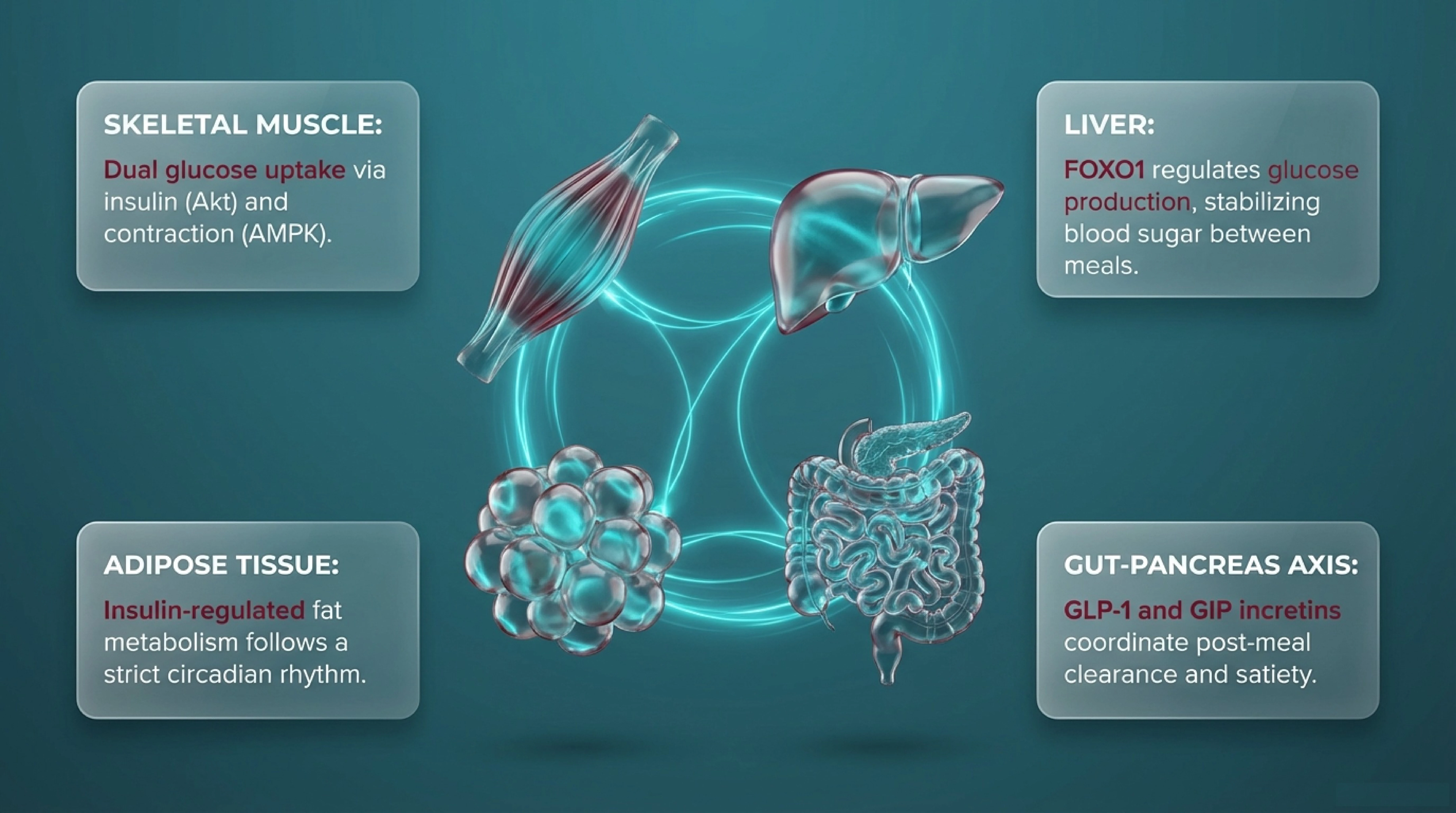
Your liver is responsible for approximately 90% of endogenous glucose production 6. During fasting, gluconeogenesis contributes an estimated 47% of glucose production after 14 hours, rising to roughly 93% after 42 hours 7. After a meal, insulin restrains hepatic glucose production in part through a pathway converging on the transcription factor FOXO1 — when Akt phosphorylates FOXO1, it is exported from the nucleus, silencing gluconeogenic genes and dialing down unnecessary glucose production 8.
The Incretin Amplifier
Your gut plays a surprisingly central role. After eating, intestinal L-cells release GLP-1 and K-cells release GIP — incretin hormones responsible for the incretin effect, the two- to three-fold larger insulin response to glucose taken by mouth versus the same glucose delivered intravenously 9, 10. GLP-1 also suppresses glucagon, slows gastric motility, and helps regulate appetite and food intake through gut-to-brain signaling 9. This gut-pancreas-brain communication axis is fundamental to how your body coordinates its response to food.
The Exercise Bypass
One of the most significant discoveries in metabolic biology is that skeletal muscle possesses an insulin-independent pathway for glucose uptake during exercise. Muscle contraction activates AMPK (AMP-activated protein kinase), which drives GLUT4 translocation through a completely separate signaling route from insulin 11, 12. Additional contraction-mediated pathways through calcium/CaMKII and the GTPase Rac1 provide built-in redundancy 13. Critically, this contraction pathway remains functional even when insulin signaling is impaired — exercise-stimulated glucose uptake is preserved in insulin-resistant muscle 13. This is why physical activity is uniquely powerful as a metabolic intervention.
Key Benefits of Understanding This Biology
Energy Stability Has a Molecular Explanation
When insulin sensitivity is optimized, glucose enters cells efficiently, providing steady fuel. When sensitivity declines, glucose fluctuations produce the energy crashes, brain fog, and mid-afternoon fatigue that so many people experience — and often attribute to willpower rather than biology.
Body Composition Responds to Metabolic Signals
Insulin is a master regulator of fat metabolism. Chronically elevated insulin — the body’s compensation for declining sensitivity — actively promotes fat storage and suppresses fat breakdown. Understanding this mechanism explains why calorie restriction alone often fails to produce the body composition changes people expect.
The Post-Exercise Window Is Metabolically Significant
After exercise, the signaling protein TBC1D4 remains phosphorylated at key sites for hours, priming your cells for enhanced insulin-stimulated glucose uptake. In one human study, insulin-stimulated glucose uptake was roughly 80% greater in the previously exercised leg four hours after a single session than in the rested leg 14. That molecular priming is a powerful biological tool for metabolic optimization.
Your Circadian Clock Shapes Metabolic Response
Human adipose tissue demonstrates peak insulin sensitivity around midday — approximately 54% higher than at midnight 15. This circadian rhythm, coordinated by your central clock and peripheral tissue clocks, means the same meal produces a meaningfully different metabolic response depending on when you eat it.
Sleep Is a Metabolic Intervention
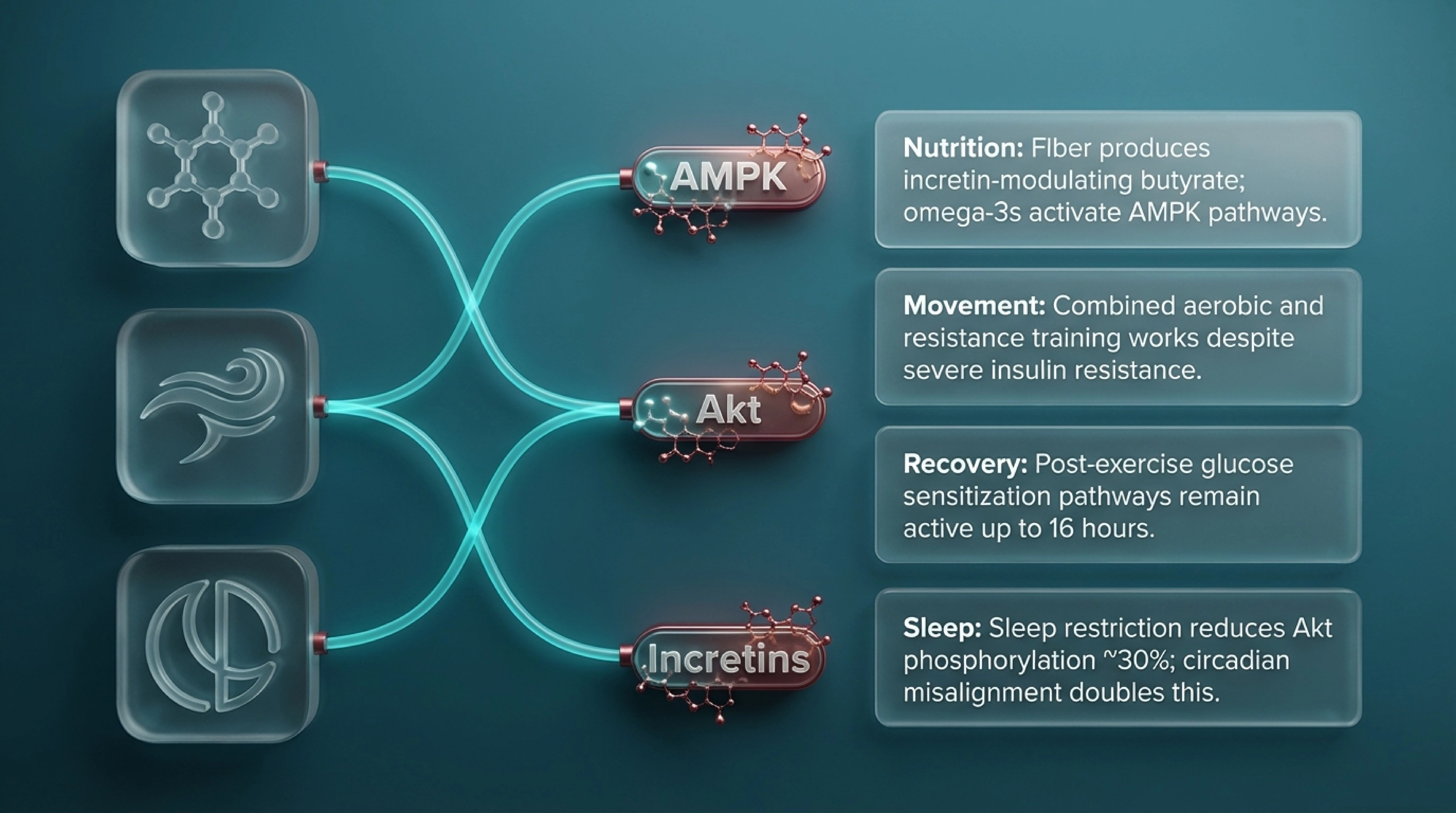
Four nights of restricted sleep reduced the insulin-stimulated Akt response in human fat cells by approximately 30%, with a parallel drop in whole-body insulin sensitivity 16. When sleep loss also involves circadian misalignment (shifted timing), the loss of insulin sensitivity roughly doubles 17.
What to Expect: How This Biology Unfolds Across Life
The Baseline: Your 20s and Early 30s
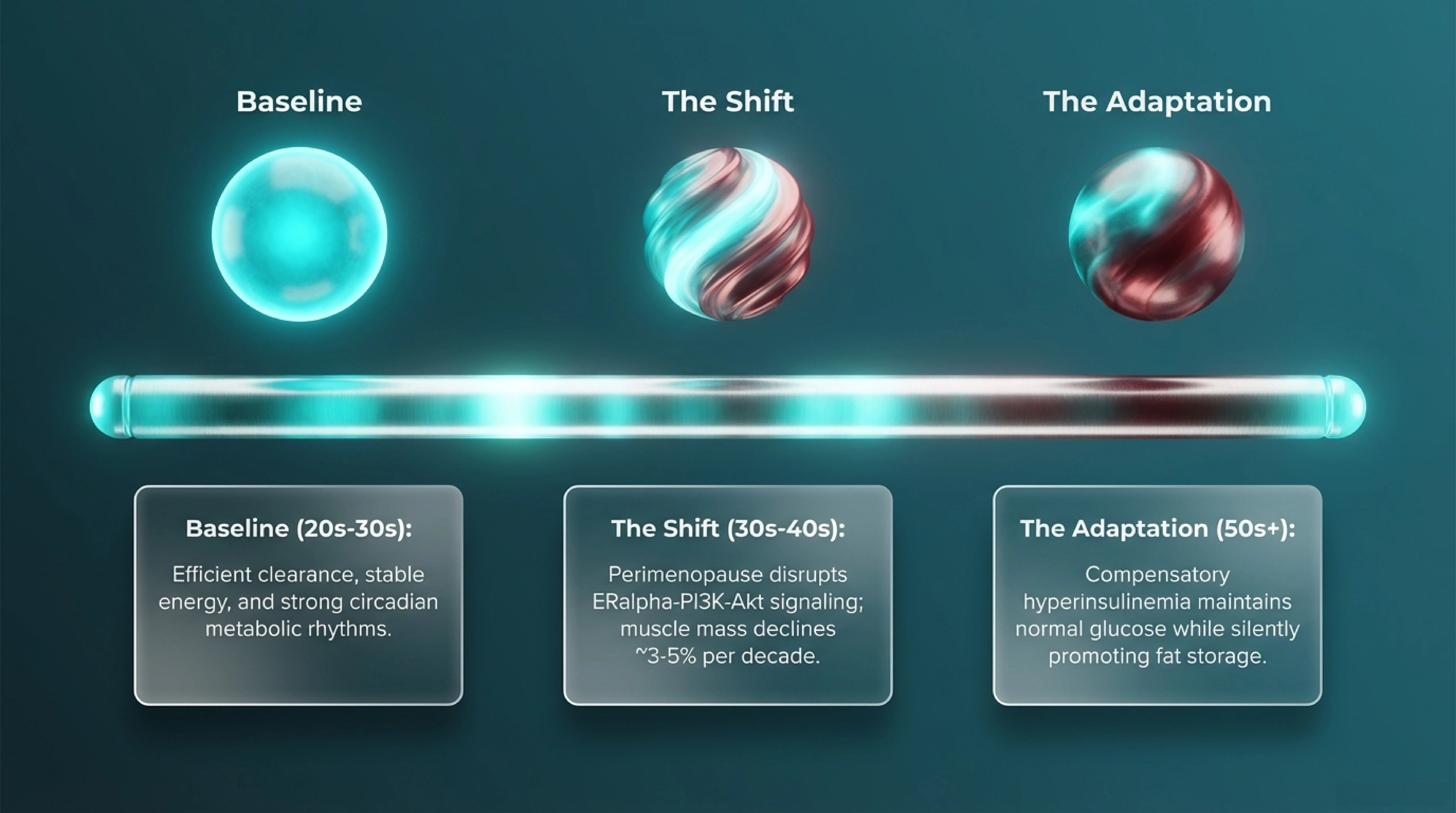
In a metabolically healthy state, this system operates with elegant efficiency. Meals produce modest glucose rises, proportionate insulin responses, and rapid clearance. Energy is stable. Body composition responds predictably to diet and activity. The circadian metabolic rhythm runs strong.
The Shift: Your Late 30s Through 50s
Muscle mass declines approximately 3-5% per decade without targeted resistance training, reducing the body’s primary glucose disposal tissue. For women, perimenopause introduces estrogen fluctuations that directly disrupt insulin signaling — estrogen acting through estrogen receptor alpha supports insulin sensitivity in muscle, liver, and adipose tissue and helps regulate insulin secretion from pancreatic beta cells 18, and estrogen deficiency at menopause removes that protection, predisposing to insulin resistance and metabolic dysfunction 19. Visceral fat redistribution, cortisol elevation, and beta cell demand all compound these changes. This is typically when people first notice that their body is “not responding the same way.”
The Adaptation: Your 50s and Beyond
The body enters a compensatory phase — beta cells increase insulin output to maintain normal glucose, a state called compensatory hyperinsulinemia. This can maintain normal blood sugar for years while silently promoting fat storage, suppressing fat breakdown, and perpetuating the conditions that drive further resistance. Understanding this trajectory is empowering because every lifestyle lever described below remains actionable.
Who Should Understand This?
If you have noticed that your energy does not sustain the way it used to, that weight has shifted in ways that feel disconnected from your habits, or that your body’s response to food and exercise has changed — this biology is likely part of the story. Specifically:
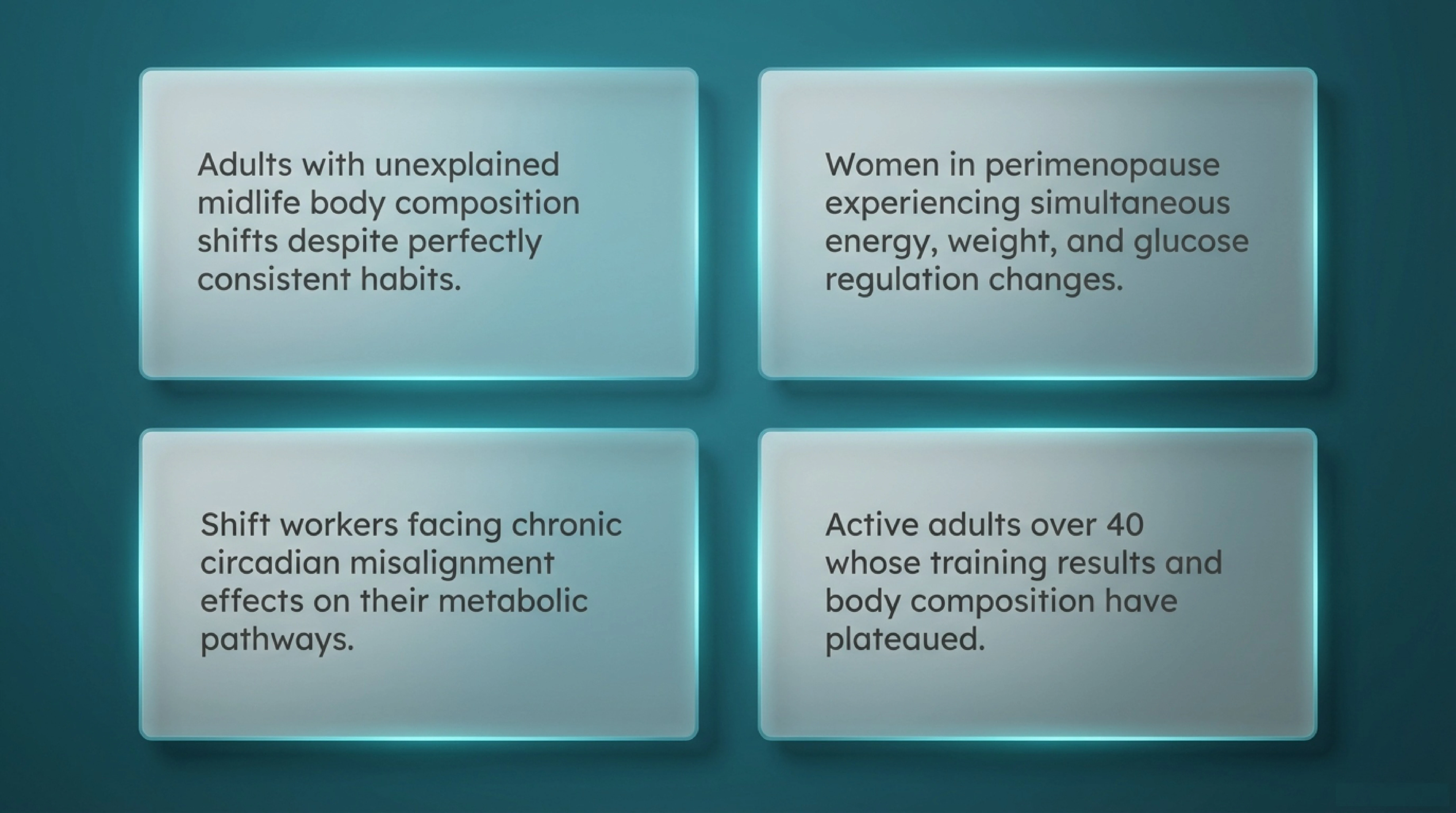
Adults navigating midlife body composition changes — particularly around the midsection — often find that understanding insulin’s role as a fat-storage regulator reframes the problem entirely. It is rarely about eating less or moving more. It is about how efficiently your cells are processing the fuel you give them.
Women in perimenopause and menopause face a convergence of estrogen decline, progesterone fluctuation, and cortisol elevation that collectively accelerate insulin resistance 18, 19. Understanding why these hormonal transitions reshape metabolism helps distinguish between what is modifiable and what requires clinical evaluation.
Shift workers and people with irregular sleep schedules face chronically elevated insulin resistance risk due to circadian misalignment 17. The research demonstrates that timing effects are distinct from and additive to sleep loss effects.
Active adults over 40 benefit from understanding why combined training — aerobic plus resistance — produces greater gains in insulin sensitivity than either mode alone 20, and why the contraction-driven pathway provides a glucose disposal route that stays available regardless of insulin sensitivity status 13.
Your Zvia provider can evaluate your specific metabolic markers and help determine how these biological systems are expressing in your body right now.
Working With This Biology
Nutrition as Metabolic Signaling
Meal timing aligns with circadian biology. Earlier meals correspond with your body’s peak insulin sensitivity window. Human circadian rhythms in glucose tolerance and insulin sensitivity generally peak in the biological morning or around midday, which implies that earlier is the metabolically favorable time for the bulk of food intake 21.
Dietary fiber serves multiple metabolic roles. Soluble fiber slows glucose absorption, blunting postprandial spikes. Fermentable fibers produce short-chain fatty acids — particularly butyrate — that support gut barrier integrity and act on adipose tissue, skeletal muscle, and liver in ways that improve glucose homeostasis and insulin sensitivity 22. Omega-3 fatty acids appear to counter insulin resistance by modulating mitochondrial bioenergetics and reducing endoplasmic reticulum stress — two of the cellular disturbances that impair insulin action 23. Magnesium participates in insulin receptor signaling, GLUT4 trafficking, and over 300 enzymatic processes relevant to glucose metabolism.
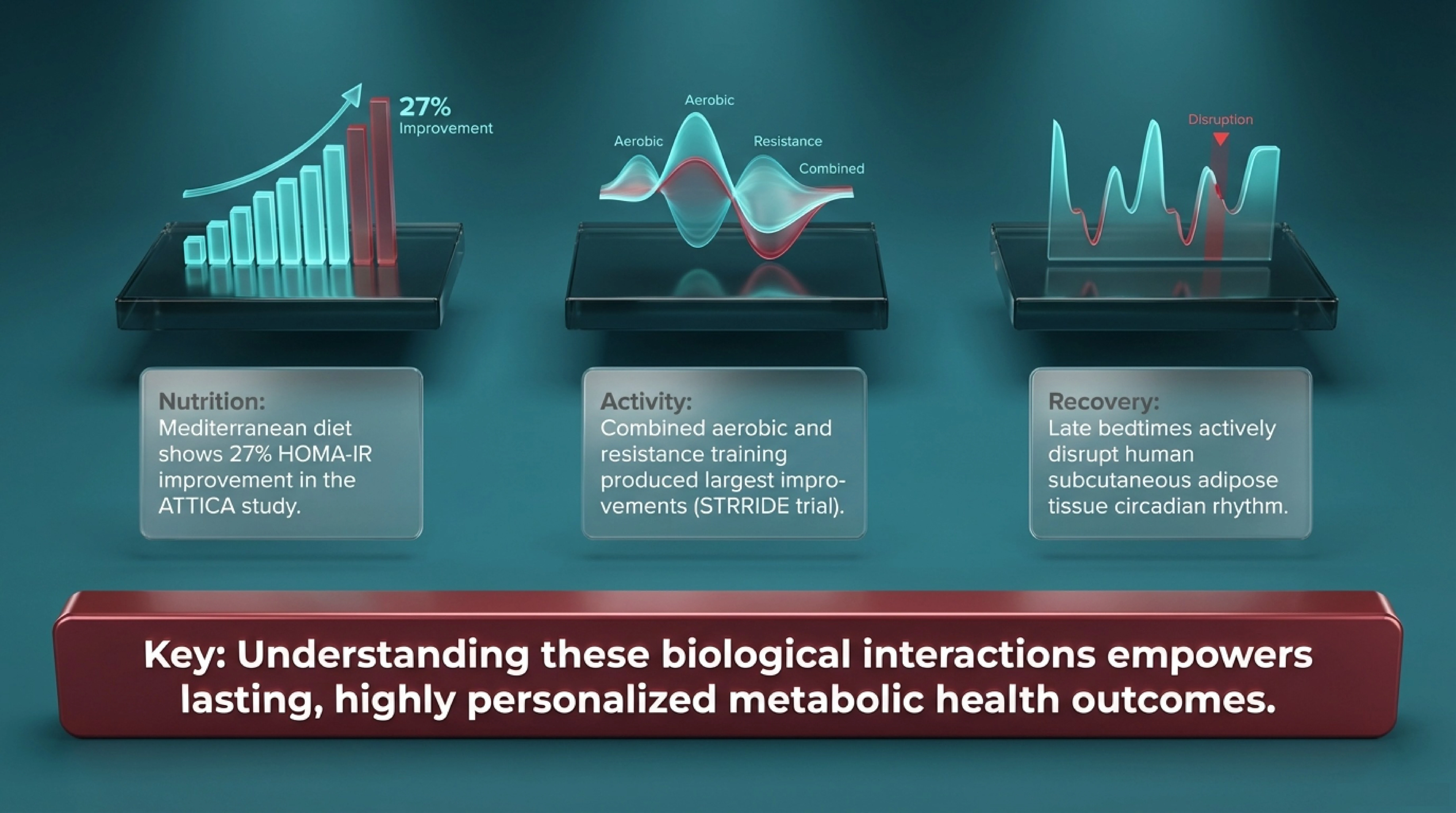
The Mediterranean dietary pattern demonstrates robust clinical evidence. In a 772-participant PREDIMED substudy, a Mediterranean diet supplemented with virgin olive oil lowered plasma glucose by 0.39 mmol/L relative to a low-fat diet over three months 24. In the ATTICA cohort, normoglycemic adults with the highest adherence to the Mediterranean pattern had 15% lower HOMA-IR insulin resistance scores than those with the lowest — an association that held after adjustment for age, body size, activity, and other risk factors 25.
Movement as Metabolic Medicine
Aerobic exercise activates the AMPK-PGC1alpha pathway, driving mitochondrial biogenesis, increased GLUT4 expression, and enhanced oxidative capacity. Resistance training increases the body’s total insulin-sensitive tissue mass. The STRRIDE AT/RT trial demonstrated that combined training produced greater improvements in insulin sensitivity, beta cell function, and glucose effectiveness than either modality alone — and that roughly half the insulin sensitivity gain was still present two weeks after training stopped 20. Even seven days of aerobic exercise measurably improved whole-body insulin sensitivity in adults with established insulin resistance, through gains in peripheral rather than hepatic insulin sensitivity 26.
Sleep as Metabolic Infrastructure
Controlled experiments show that restricting sleep blunts insulin signaling in peripheral tissue and reduces whole-body insulin sensitivity 16. The adipose tissue circadian rhythm — with amplitude correlated to sleep duration and inversely to late bedtimes 15 — makes sleep duration and timing a direct lever on metabolic function.
Stress Management as Metabolic Strategy
Cortisol directly stimulates hepatic gluconeogenesis while reducing glucose uptake in muscle and adipose tissue. Chronic HPA axis activation creates sustained metabolic disruption — elevated glucose, increased visceral fat deposition, and amplified inflammatory signaling that further impairs insulin sensitivity. During hormonal transitions, declining progesterone reduces cortisol buffering, amplifying these effects.
The Zvia Perspective
At Zvia Weight Loss & MedSpa in Lakewood, Colorado, understanding insulin sensitivity and glucose regulation is not academic — it is foundational to how we approach metabolic health, body composition, and the full spectrum of health goals our clients bring to us.
We see this biology every day in our practice. The client whose weight shifted at 42 and will not respond to the strategies that worked at 32. The woman in perimenopause whose energy, body composition, and glucose patterns are all changing simultaneously. The active professional whose performance plateaued despite doing everything “right.”
These are not character failures. They are biological realities — and they have biological explanations rooted in the pathways, feedback loops, and hormonal interactions described above.
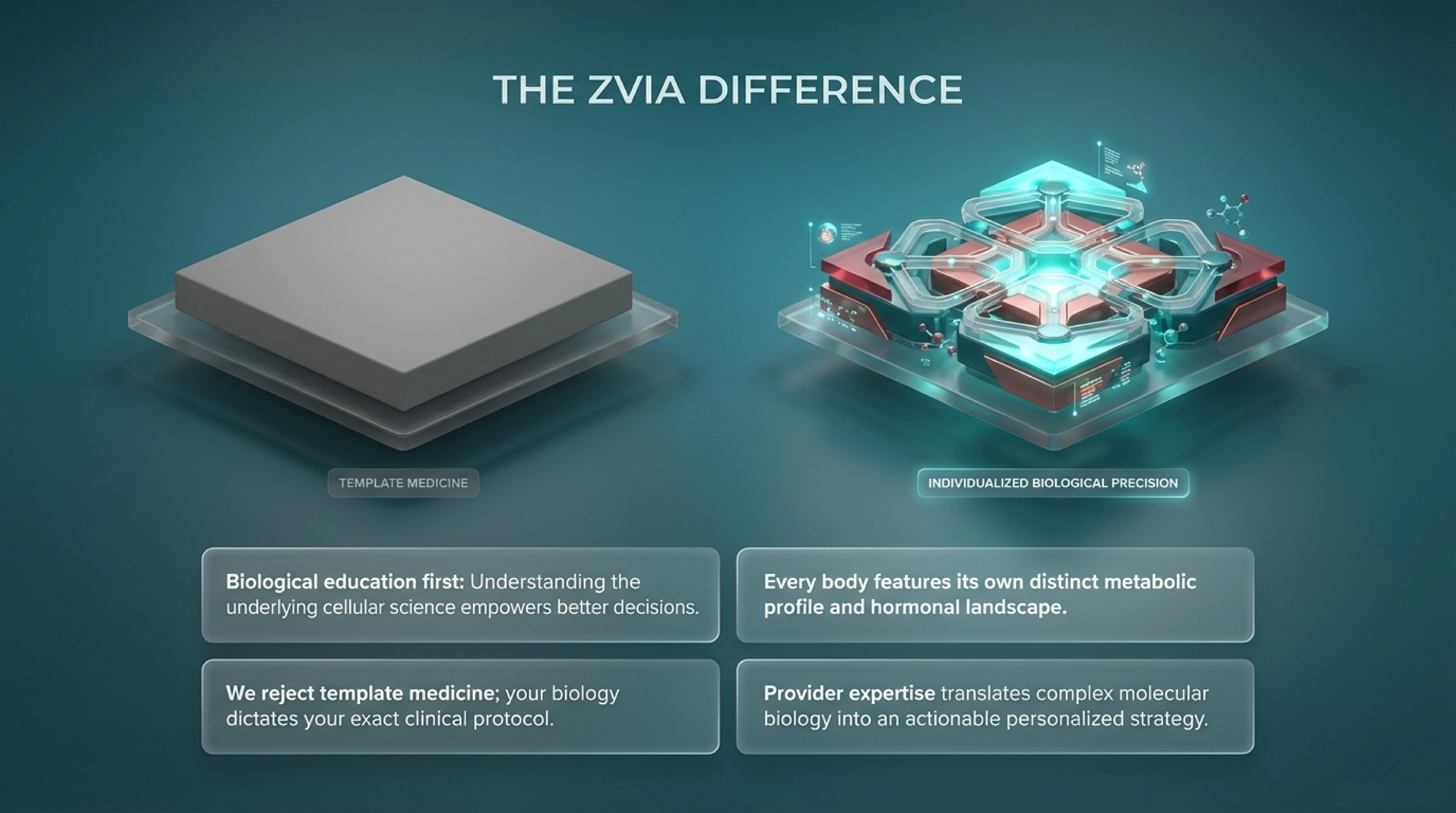
This is why Zvia invests in biological education. Not to promote a specific intervention, but because understanding the science is the first step toward meaningful outcomes. The second step is working with a team that reads your labs, interprets your metabolic markers, and builds a strategy around your unique biology — not a template.
At Zvia Weight Loss & MedSpa, metabolic health is never one-size-fits-all. Every body has its own insulin sensitivity profile, its own circadian rhythm, its own hormonal landscape. Our providers evaluate these factors with clinical precision because understanding your specific biology is the only way to design a strategy that actually works for you.
Continue exploring
Protein Synthesis & Lean Mass: Why Your Body Loses Muscle During Weight Loss
Why your body loses muscle during weight loss — and the biology of preserving lean mass. Provider-guided strategies at Zvia Weight Loss & MedSpa in Lakewood, CO.
Satiety Signaling: Why Your Hunger Stopped Making Sense
The science of satiety signaling — hormones, nerves, and brain circuits that govern hunger and fullness. Learn how your appetite biology works at Zvia Weight Loss & MedSpa in Lakewood, CO.
Educational purposes only. Provider-supervised protocols required. Results may vary based on individual biological response.
Talk with our clinical team about how this applies to your health picture.
References
- 1. Boucher J, Kleinridders A, Kahn CR. Insulin Receptor Signaling in Normal and Insulin-Resistant States . Cold Spring Harbor Perspectives in Biology 6(1) , a009191 (2014).
- 2. Manning BD, Toker A. AKT/PKB Signaling: Navigating the Network . Cell 169(3) , 381-405 (2017).
- 3. Caicedo A. Paracrine and autocrine interactions in the human islet: more than meets the eye . Seminars in Cell & Developmental Biology 24(1) , 11-21 (2013).
- 4. Ramnanan CJ, Edgerton DS, Kraft G, Cherrington AD. Physiologic action of glucagon on liver glucose metabolism . Diabetes, Obesity and Metabolism 13(Suppl 1) , 118-125 (2011).
- 5. Rodriguez-Diaz R, Molano RD, Weitz JR, et al. Paracrine Interactions within the Pancreatic Islet Determine the Glycemic Set Point . Cell Metabolism 27(3) , 549-558 (2018).
- 6. Petersen MC, Vatner DF, Shulman GI. Regulation of hepatic glucose metabolism in health and disease . Nature Reviews Endocrinology 13(10) , 572-587 (2017).
- 7. Landau BR, Wahren J, Chandramouli V, Schumann WC, Ekberg K, Kalhan SC. Contributions of gluconeogenesis to glucose production in the fasted state . Journal of Clinical Investigation 98(2) , 378-385 (1996).
- 8. Titchenell PM, Lazar MA, Birnbaum MJ. Unraveling the Regulation of Hepatic Metabolism by Insulin . Trends in Endocrinology & Metabolism 28(7) , 497-505 (2017).
- 9. Holst JJ. The Physiology of Glucagon-like Peptide 1 . Physiological Reviews 87(4) , 1409-1439 (2007).
- 10. Nauck MA, Meier JJ. Incretin hormones: Their role in health and disease . Diabetes, Obesity and Metabolism 20(Suppl 1) , 5-21 (2018).
- 11. Richter EA, Hargreaves M. Exercise, GLUT4, and Skeletal Muscle Glucose Uptake . Physiological Reviews 93(3) , 993-1017 (2013).
- 12. Kjøbsted R, Hingst JR, Fentz J, et al. AMPK in skeletal muscle function and metabolism . The FASEB Journal 32(4) , 1741-1777 (2018).
- 13. Sylow L, Kleinert M, Richter EA, Jensen TE. Exercise-stimulated glucose uptake: regulation and implications for glycaemic control . Nature Reviews Endocrinology 13(3) , 133-148 (2017).
- 14. Treebak JT, Frøsig C, Pehmøller C, et al. Potential role of TBC1D4 in enhanced post-exercise insulin action in human skeletal muscle . Diabetologia 52(5) , 891-900 (2009).
- 15. Carrasco-Benso MP, Rivero-Gutierrez B, Lopez-Minguez J, et al. Human adipose tissue expresses intrinsic circadian rhythm in insulin sensitivity . The FASEB Journal 30(9) , 3117-3123 (2016).
- 16. Broussard JL, Ehrmann DA, Van Cauter E, Tasali E, Brady MJ. Impaired insulin signaling in human adipocytes after experimental sleep restriction: a randomized, crossover study . Annals of Internal Medicine 157(8) , 549-557 (2012).
- 17. Leproult R, Holmbäck U, Van Cauter E. Circadian Misalignment Augments Markers of Insulin Resistance and Inflammation, Independently of Sleep Loss . Diabetes 63(6) , 1860-1869 (2014).
- 18. Mauvais-Jarvis F, Clegg DJ, Hevener AL. The Role of Estrogens in Control of Energy Balance and Glucose Homeostasis . Endocrine Reviews 34(3) , 309-338 (2013).
- 19. Mauvais-Jarvis F. Menopause, Estrogens, and Glucose Homeostasis in Women . Advances in Experimental Medicine and Biology 1043 , 217-225 (2017).
- 20. AbouAssi H, Slentz CA, Mikus CR, et al. The effects of aerobic, resistance, and combination training on insulin sensitivity and secretion in overweight adults from STRRIDE AT/RT: a randomized trial . Journal of Applied Physiology 118(12) , 1474-1482 (2015).
- 21. Poggiogalle E, Jamshed H, Peterson CM. Circadian regulation of glucose, lipid, and energy metabolism in humans . Metabolism 84 , 11-27 (2018).
- 22. Canfora EE, Jocken JW, Blaak EE. Short-chain fatty acids in control of body weight and insulin sensitivity . Nature Reviews Endocrinology 11(10) , 577-591 (2015).
- 23. Lepretti M, Martucciello S, Burgos Aceves MA, Putti R, Lionetti L. Omega-3 Fatty Acids and Insulin Resistance: Focus on the Regulation of Mitochondria and Endoplasmic Reticulum Stress . Nutrients 10(3) , 350 (2018).
- 24. Estruch R, Martínez-González MA, Corella D, et al. Effects of a Mediterranean-Style Diet on Cardiovascular Risk Factors: A Randomized Trial . Annals of Internal Medicine 145(1) , 1-11 (2006).
- 25. Panagiotakos DB, Tzima N, Pitsavos C, et al. The Association between Adherence to the Mediterranean Diet and Fasting Indices of Glucose Homoeostasis: The ATTICA Study . Journal of the American College of Nutrition 26(1) , 32-38 (2007).
- 26. Winnick JJ, Sherman WM, Habash DL, et al. Short-Term Aerobic Exercise Training in Obese Humans with Type 2 Diabetes Mellitus Improves Whole-Body Insulin Sensitivity through Gains in Peripheral, not Hepatic Insulin Sensitivity . The Journal of Clinical Endocrinology & Metabolism 93(3) , 771-778 (2008).