


Audio overview — how protein synthesis works, what disrupts it during weight loss, and how to preserve lean mass
What Is Protein Synthesis & Lean Mass Preservation?
You’ve committed to losing weight — changed your diet, started moving more, made the hard decisions. The scale is moving in the right direction. But somewhere along the way, you noticed something that doesn’t make sense: you’re lighter, but you don’t feel stronger. You’re eating less, but your energy is dropping instead of rising. Your body is changing shape, but not entirely in the ways you expected.
This disconnect has a biological explanation. Protein synthesis and lean mass preservation is the system your body uses to build, maintain, and break down muscle tissue — and it’s the single biggest factor in determining whether your weight loss results in a leaner, more metabolically healthy body or a lighter but weaker one.
Skeletal muscle makes up approximately 40–45% of your total body mass. It’s not just for movement — it’s your body’s largest glucose disposal site, its primary amino acid reservoir, and a major driver of your resting metabolic rate 7. When you lose muscle alongside fat during weight loss, you’re not just losing strength. You’re losing the metabolic engine that determines how many calories your body burns at rest, how effectively it manages blood sugar, and how resilient it is against age-related decline.
Understanding the biology of how your body decides what to build and what to break down gives you a fundamentally different framework for thinking about weight loss — one grounded in body composition rather than just body weight.
How Does It Work?
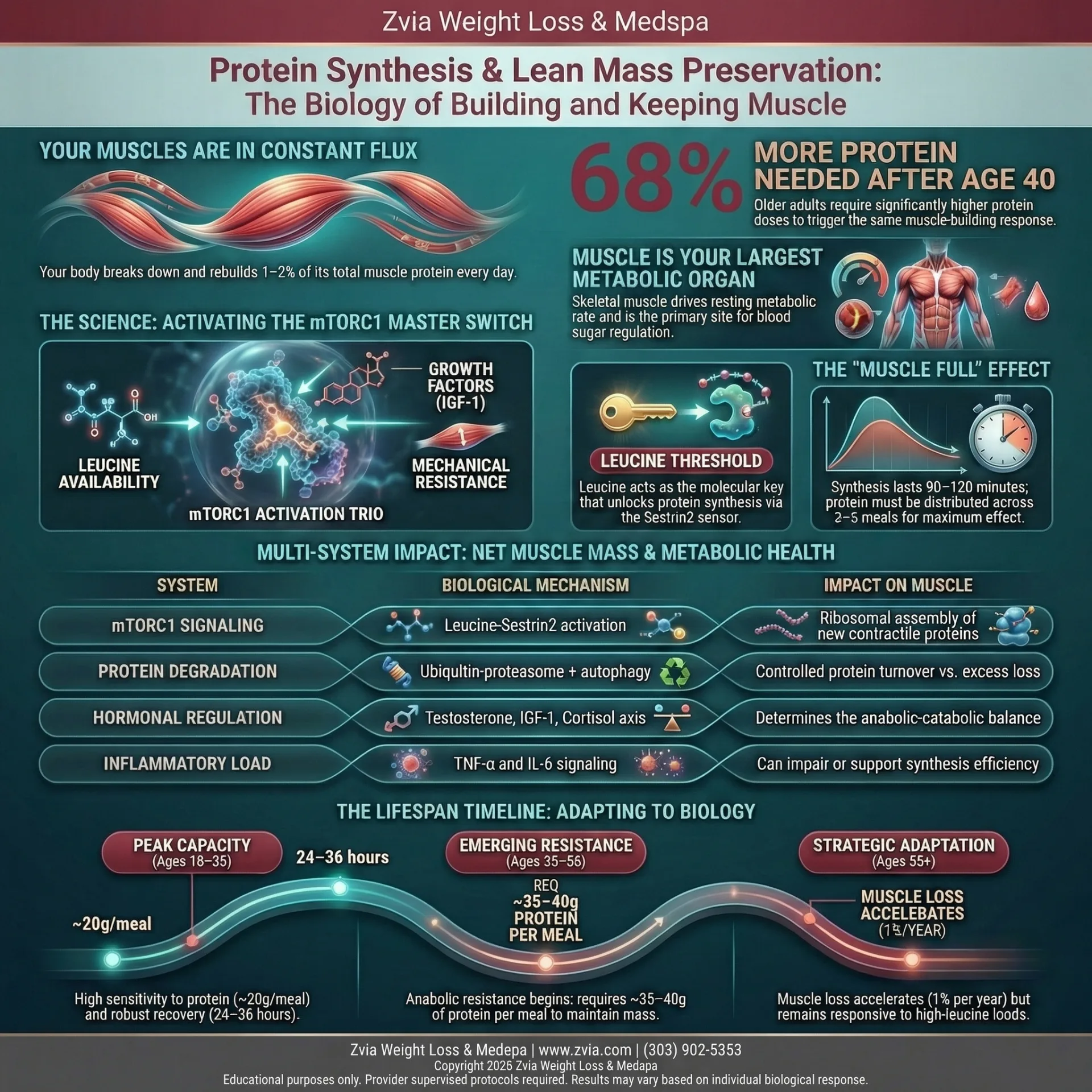
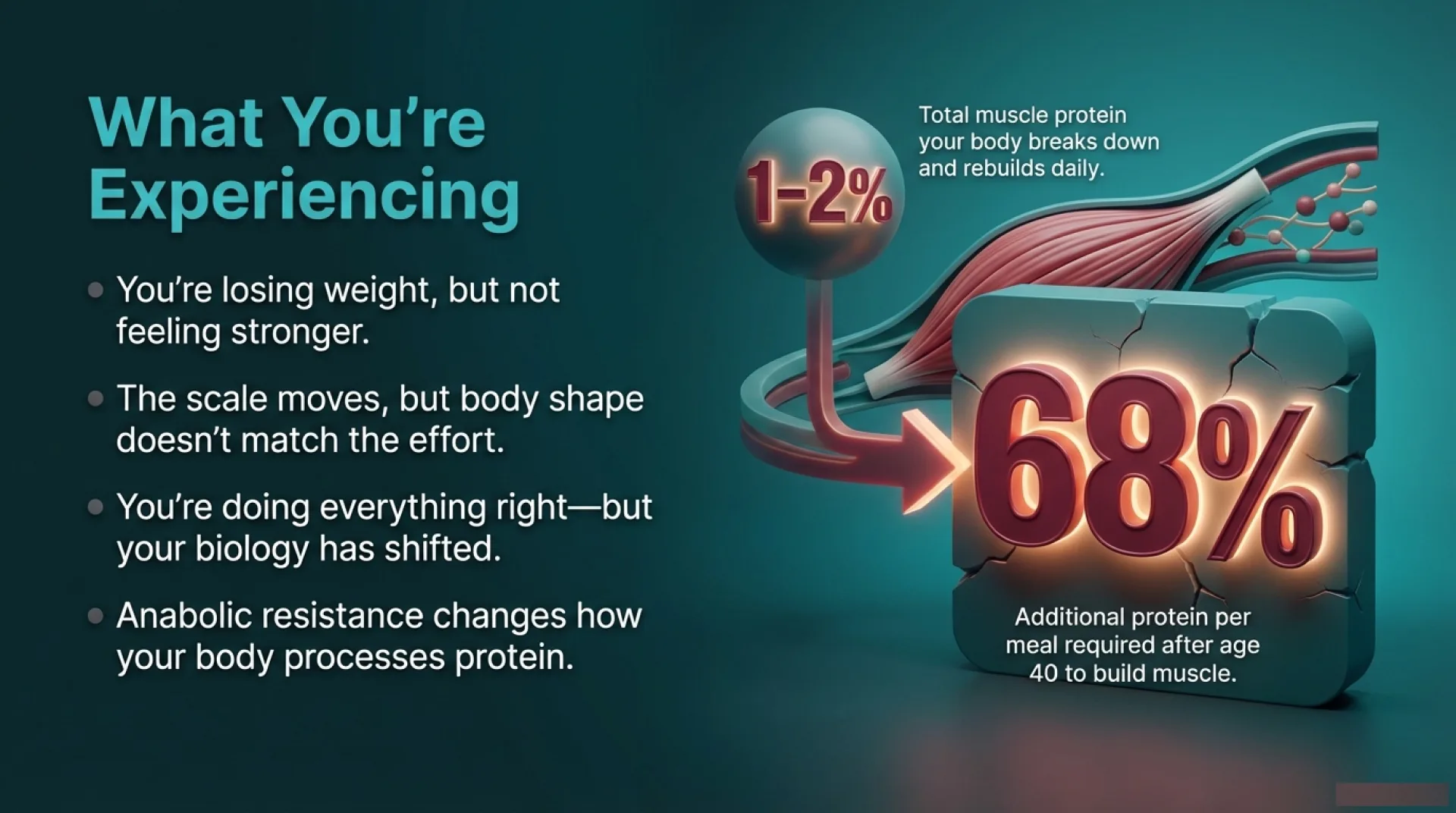
At the molecular level, muscle tissue is in constant flux. Your body breaks down and rebuilds roughly 1–2% of its total muscle protein every day — a process called protein turnover. Whether you gain, maintain, or lose muscle depends entirely on the balance between two opposing processes: muscle protein synthesis (MPS) and muscle protein breakdown (MPB) 5.
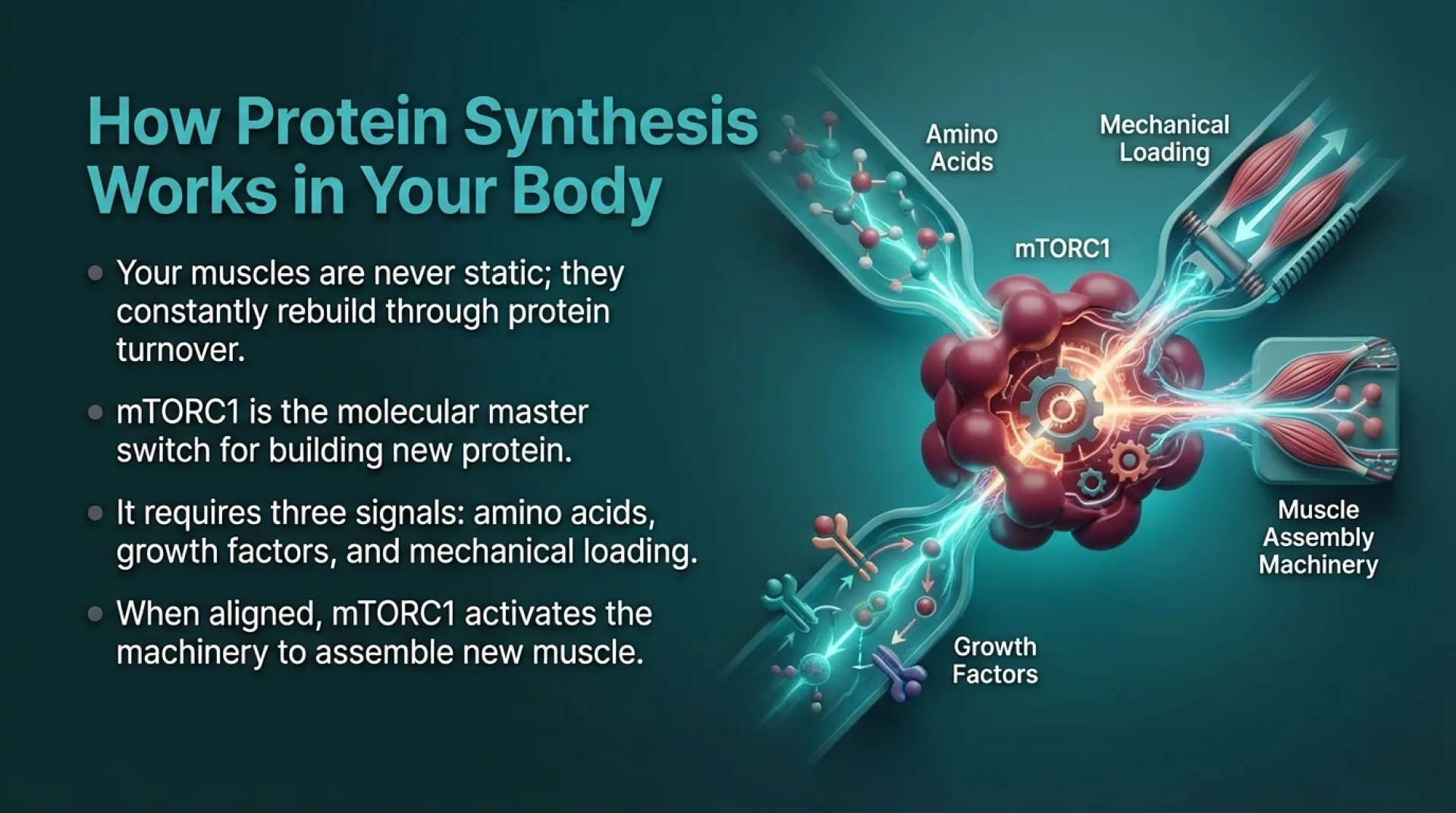
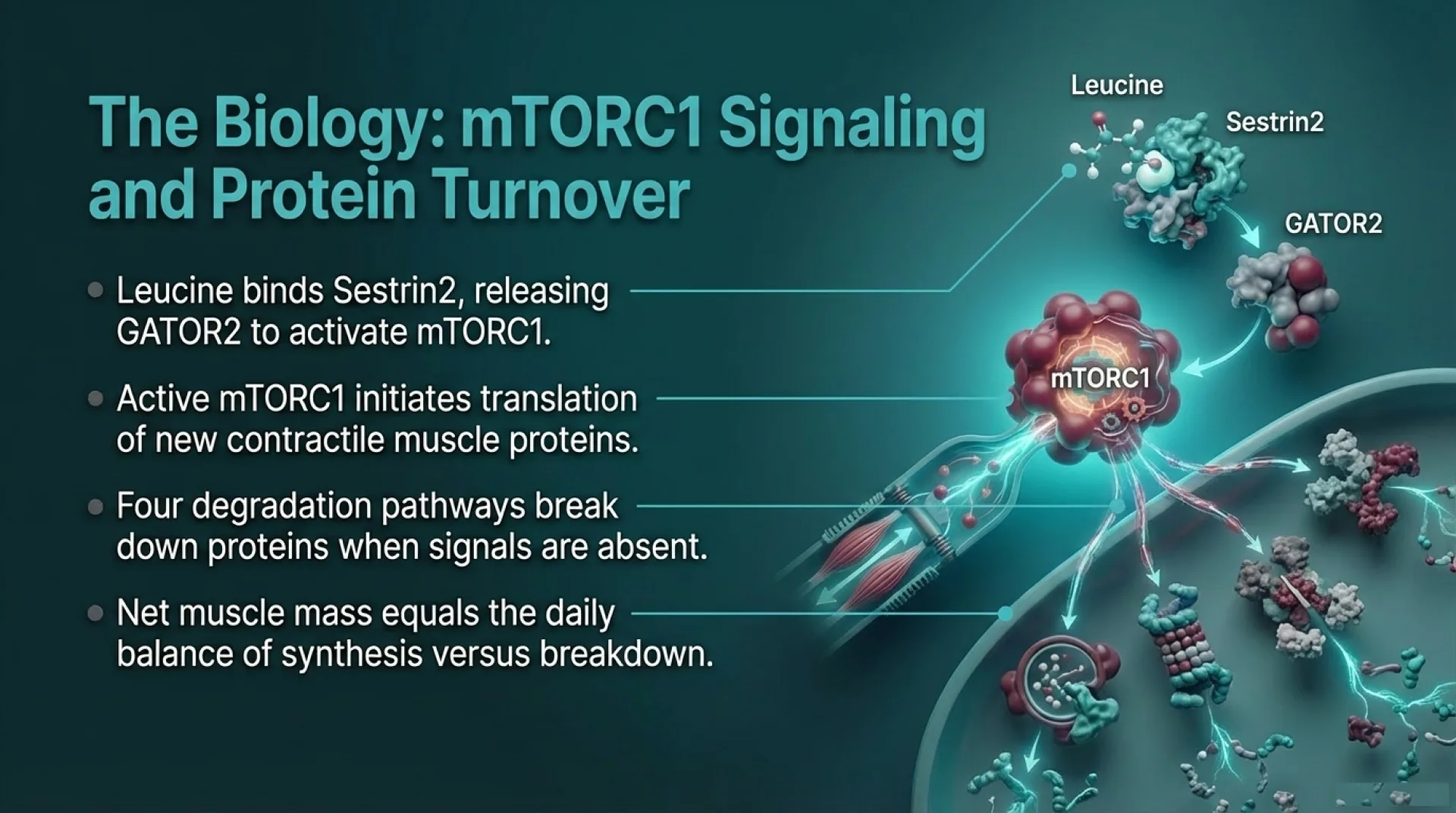
The master regulator of protein synthesis is a molecular complex called mTORC1 (mechanistic target of rapamycin complex 1). Think of mTORC1 as the central decision-maker that determines whether your cells should build new protein. It integrates three types of signals before giving the “go” command 1:
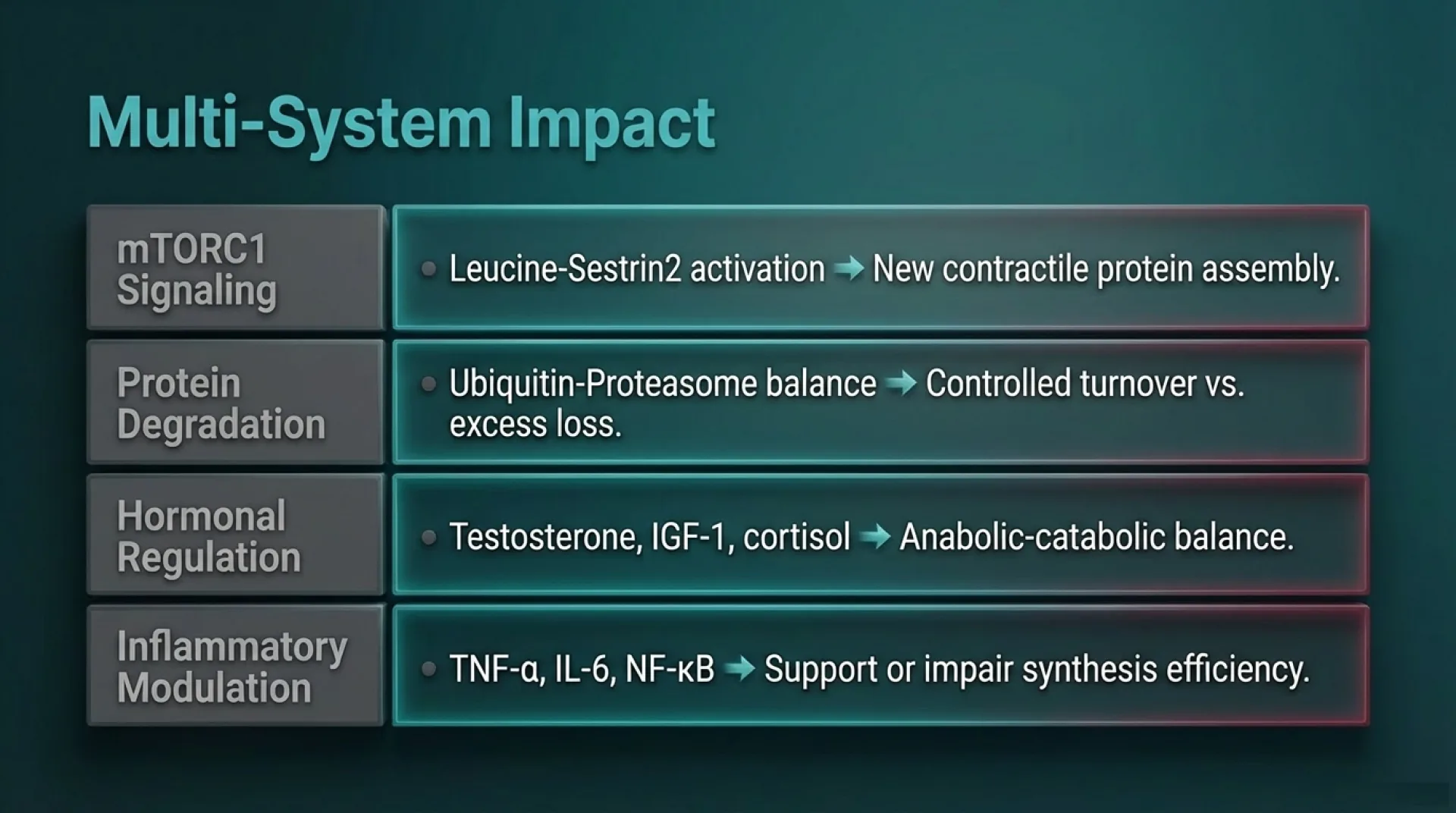
Amino acid availability — specifically leucine, which acts as a direct molecular signal, not just a building block. Leucine binds to a sensor protein called Sestrin2, triggering a cascade through the GATOR2 complex and Rag GTPases that physically moves mTORC1 to the lysosomal surface where it can be activated 2, 3. A 2025 study published in Nature resolved the complete structural map of this sensing machinery using cryo-electron microscopy 4.
Growth factor signaling — primarily through IGF-1 (insulin-like growth factor 1) and insulin, which activate the PI3K/Akt pathway. Akt suppresses a protein called TSC2 that normally keeps mTORC1 inactive, effectively releasing the brake on protein synthesis 10.
Mechanical loading — resistance exercise activates mTORC1 through mechanotransduction pathways that are independent of growth factors. This means your muscles can initiate protein synthesis from contraction alone — which is why resistance training produces anabolic effects that nutrition alone cannot replicate 10.
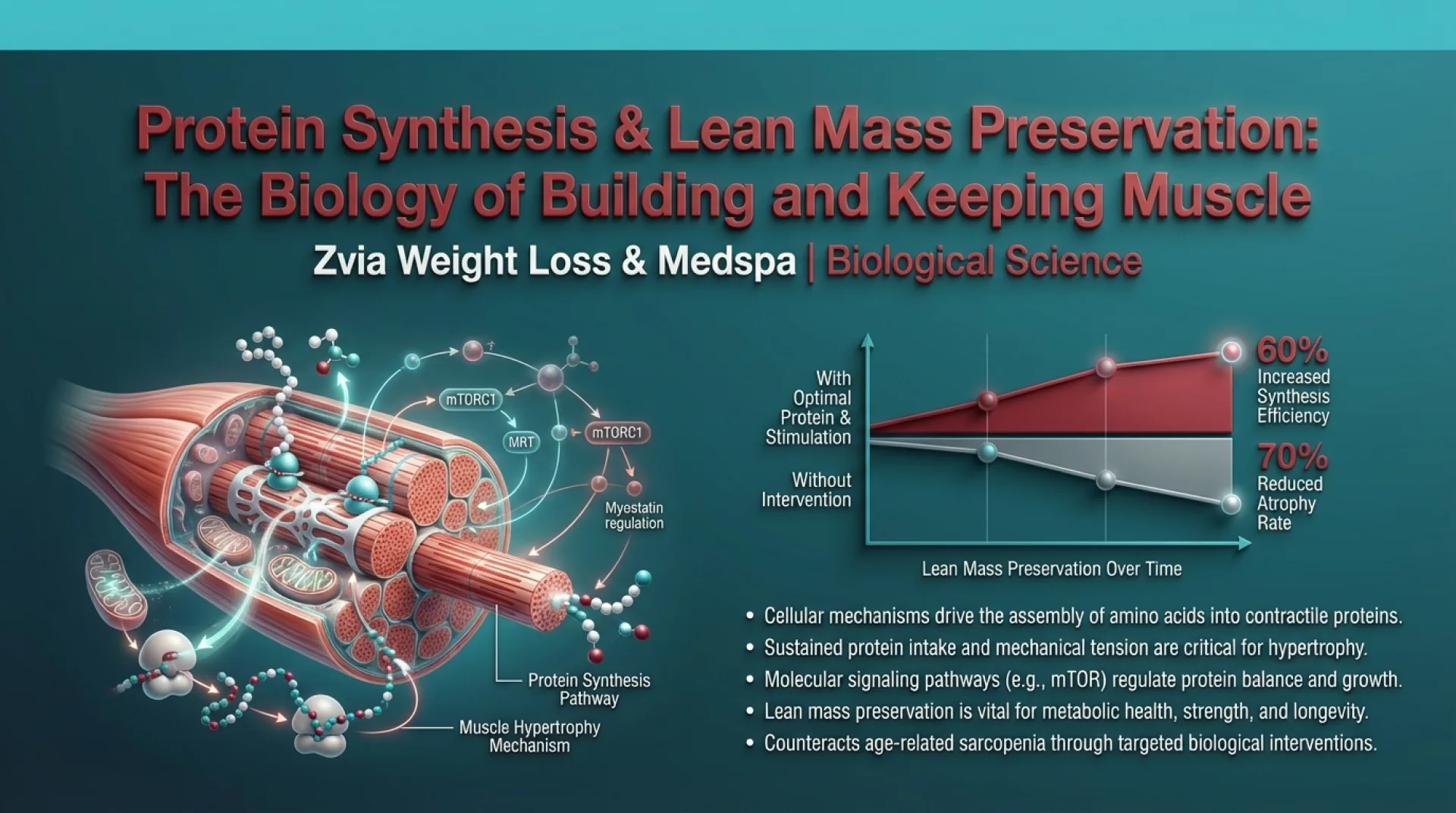
Once mTORC1 is activated, it phosphorylates two key downstream targets — S6K1 and 4E-BP1 — that together activate the ribosomal machinery responsible for translating genetic instructions into new muscle proteins: myosin, actin, troponin, and tropomyosin 1.
On the breakdown side, four proteolytic systems work in coordination: the ubiquitin-proteasome system (which tags contractile proteins with ubiquitin for degradation), the autophagy-lysosomal pathway (which handles bulk degradation of damaged organelles), the calpain system (which disassembles myofibrillar structures so individual proteins can be accessed), and the caspase system (which contributes to initial protein complex cleavage) 12. The transcription factors FoxO1 and FoxO3 are key upstream regulators — when the Akt pathway is suppressed (by fasting, inactivity, or elevated cortisol), FoxO moves into the nucleus and activates the genes for MuRF1 and Atrogin-1, the primary muscle-specific ubiquitin ligases 12.
Key Benefits of Understanding This Biology
Your Weight Loss Can Preferentially Target Fat
During caloric restriction, both MPS and MPB decrease — but MPS decreases disproportionately more 7. This asymmetry is why unstrategic weight loss costs you lean tissue. Understanding this biology helps you implement strategies — protein timing, leucine thresholds, resistance loading — that shift the balance back toward preservation.
You Can Overcome Age-Related Muscle Resistance
After age 40, your muscles become progressively less responsive to protein intake — a phenomenon called anabolic resistance 5, 6. The protein dose required to maximally stimulate MPS increases by approximately 68% in older versus younger adults 6. Knowing this, you can adjust your per-meal protein intake to meet the higher threshold rather than wondering why the same diet isn’t working anymore.
Sleep Becomes a Measurable Anabolic Variable
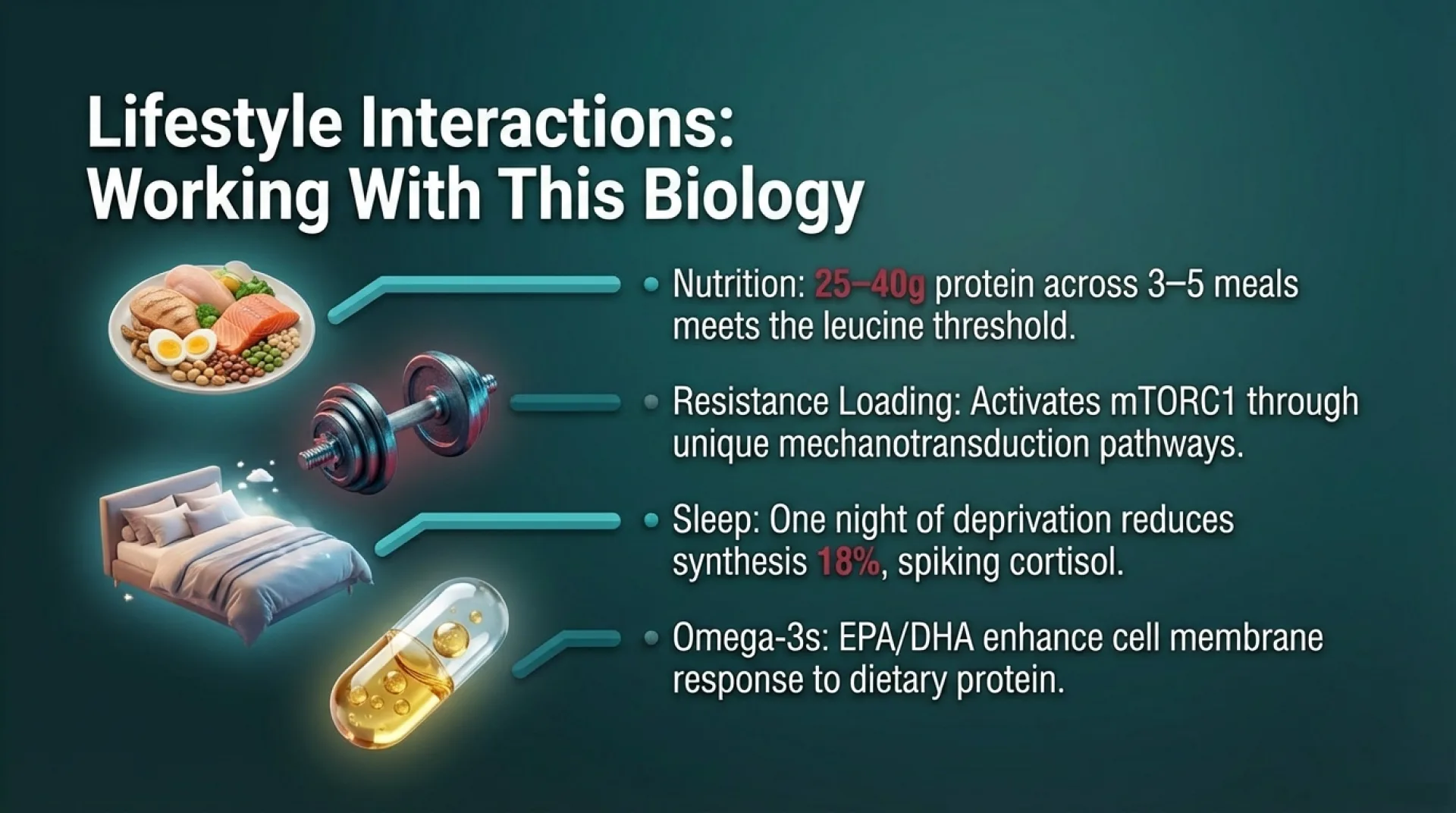
A single night of sleep deprivation reduces muscle protein synthesis by 18%, increases cortisol by 21%, and decreases testosterone by 24% 11. This isn’t a vague wellness suggestion — it’s a quantified impact on the molecular machinery that maintains your lean tissue.
Omega-3 Fatty Acids Sensitize Your Muscles to Protein
EPA and DHA incorporate into muscle cell membranes and enhance the MPS response to amino acids 13. In older adults, 8 weeks of omega-3 supplementation potentiated the anabolic response to feeding — effectively making aged muscle behave more like young muscle in its protein synthesis response 13.
Physical Activity Creates a Sensitization Window
Resistance exercise amplifies the MPS response to protein intake for 24–48 hours post-exercise. Physical activity before protein consumption increases the proportion of dietary amino acids directed toward muscle building — this sensitization effect is particularly important for overcoming anabolic resistance in adults over 40 5, 6.
Vitamin D Supports the Synthesis Machinery Itself
The vitamin D receptor (VDR) in muscle tissue regulates genes involved in protein synthesis, mitochondrial function, and satellite cell differentiation 14. VDR expression declines with age, and deficiency is associated with muscle fiber atrophy, impaired mitochondrial respiration, and increased activation of degradation pathways 14, 18.
What to Expect: How This Biology Unfolds
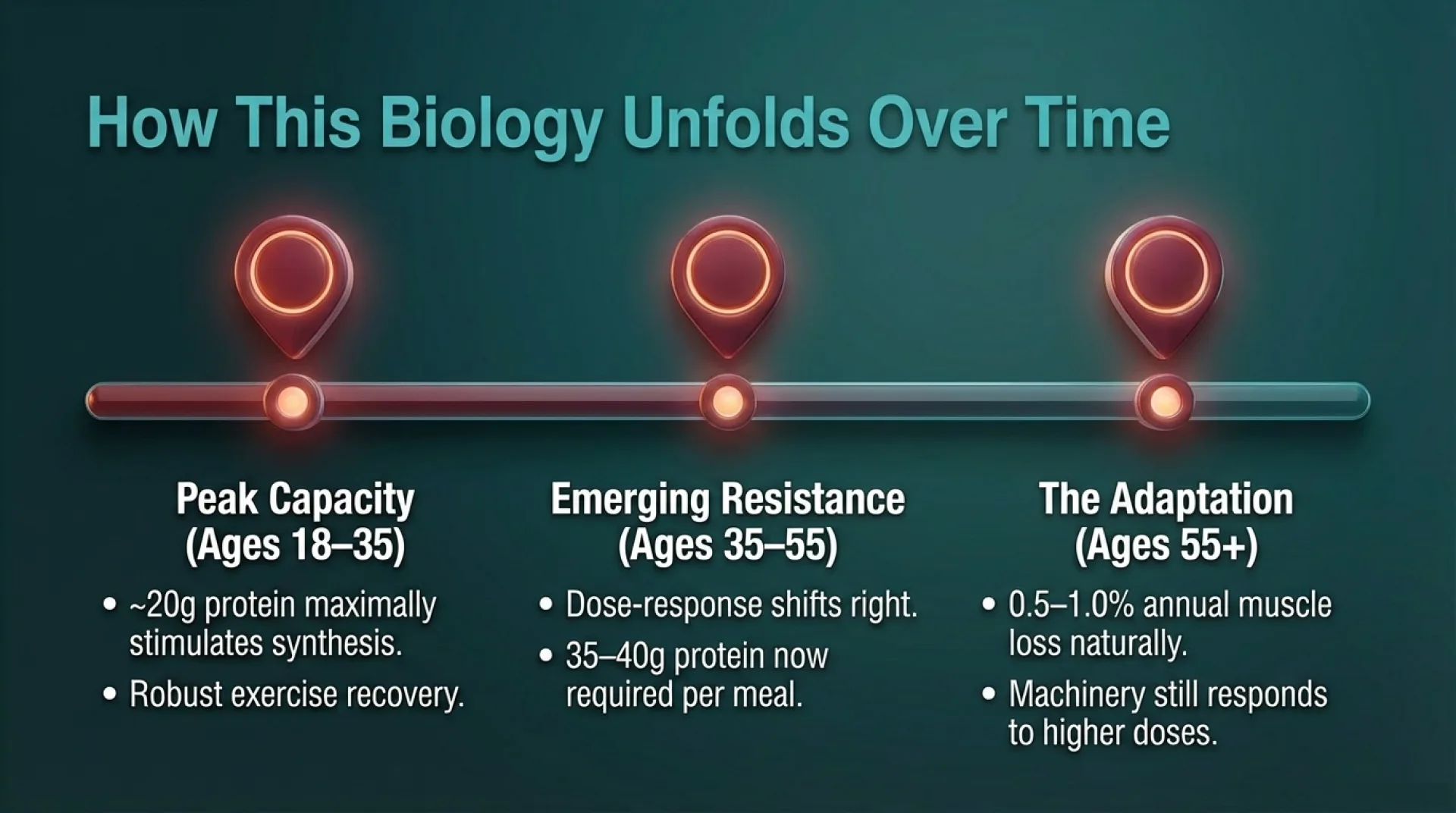
The Baseline: Peak Capacity (Ages 18–35)
During young adulthood, the protein synthesis machinery operates at peak sensitivity. Approximately 20–25 grams of high-quality protein per meal (providing about 2–2.5g of leucine) is sufficient to maximally stimulate MPS 9. Recovery from exercise is robust — MPS elevation persists for 24–36 hours post-exercise. The hormonal environment (peak testosterone, IGF-1, growth hormone pulsatility) creates a naturally anabolic milieu that supports lean mass with relatively modest effort.
The Shift: Emerging Resistance (Ages 35–55)
Several converging changes alter the protein synthesis landscape. The postprandial MPS response to a given dose of protein diminishes — the dose-response curve shifts rightward 6. Testosterone declines approximately 1–2% per year in men. In women, the perimenopausal transition produces sharp estrogen declines that directly impair the MPS response to exercise 6. Chronic low-grade inflammation increases circulating TNF-α and IL-6, which directly inhibit mRNA translation efficiency in muscle 15. Satellite cell populations decline in both number and regenerative capacity 15.
The Adaptation: Strategic Response (Ages 55+)
Without intervention, adults lose approximately 0.5–1.0% of muscle mass per year after 50, accelerating to 1.5–2.0% per year after 60 15. But the synthesis machinery is never fully disabled. Research consistently demonstrates that older adults — even those in their 80s and 90s — retain the capacity to stimulate MPS and gain muscle mass with appropriate protein intake and resistance exercise 5, 6. The biological system is resistant, not broken.
Who Should Understand This?
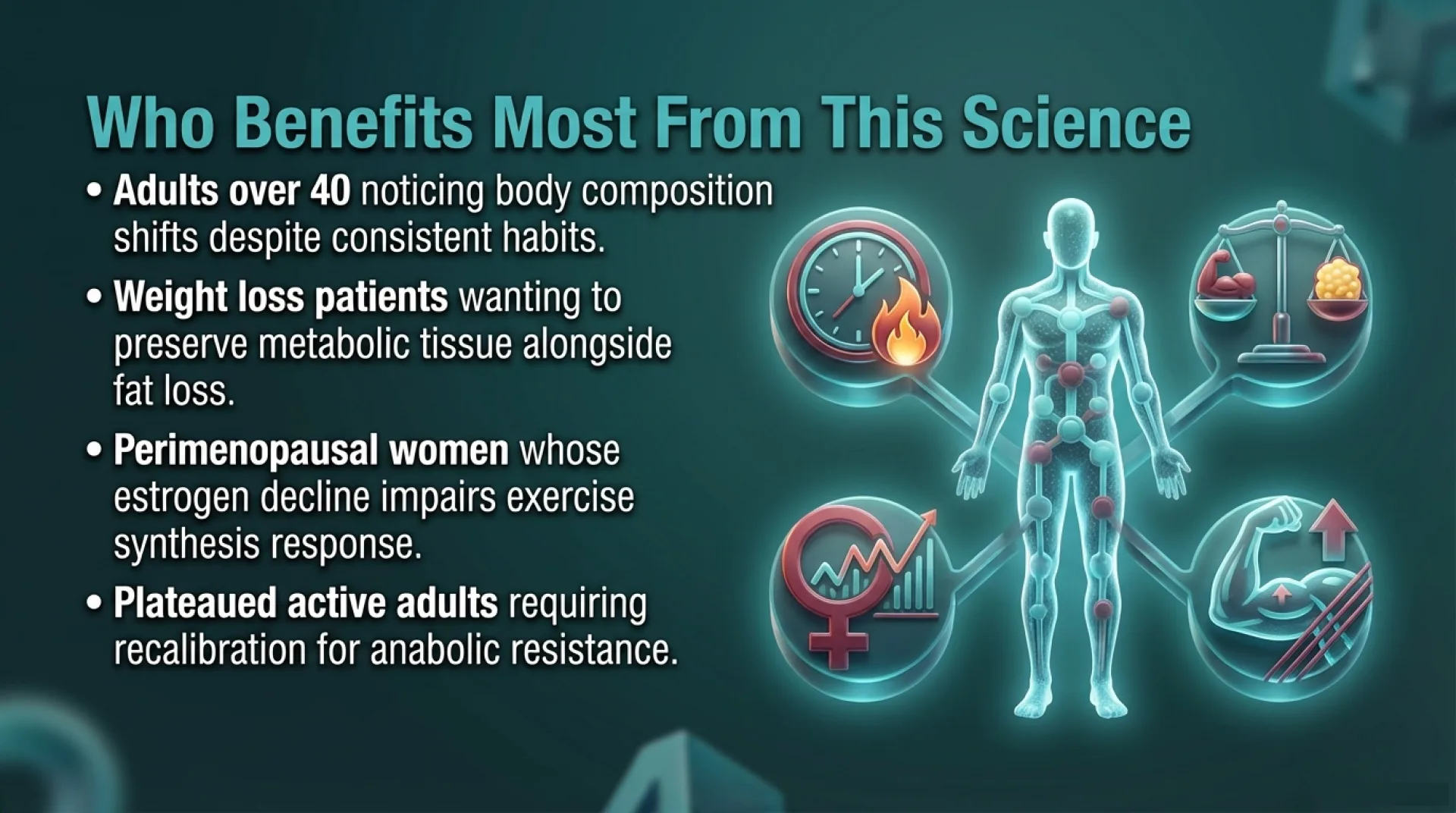
If you’ve noticed that weight loss isn’t translating into the strength and energy you expected — this biology explains why. Understanding protein synthesis and lean mass preservation is particularly relevant if:
You’re over 40 and your body composition is shifting. The same dietary patterns that maintained your lean mass in your 20s may no longer be sufficient. The leucine threshold has risen. The MPS response to meals has blunted. This isn’t failure — it’s biology that requires recalibration.
You’re actively losing weight. During caloric restriction, your body reduces protein synthesis before it reduces protein breakdown 7, 8. Without strategic protein intake and resistance loading, a meaningful portion of your weight loss comes from lean tissue rather than fat alone.
You’re a woman in perimenopause or menopause. Declining estrogen directly impairs the muscle protein synthesis response to exercise 6. This is a hormonal biology issue, not a fitness compliance issue — and understanding it changes the approach.
You’re recovering from illness, injury, or surgery. As few as 5 days of bed rest can reduce MPS rates by 25–30% and induce measurable anabolic resistance 5. Early protein optimization and progressive loading during recovery can significantly affect outcomes.
You’re an active adult whose training response is declining. If the same workouts are producing diminishing results, the convergence of anabolic resistance with hormonal changes may require higher per-meal protein doses, attention to leucine content, and deliberate post-exercise nutrition timing.
Working With This Biology
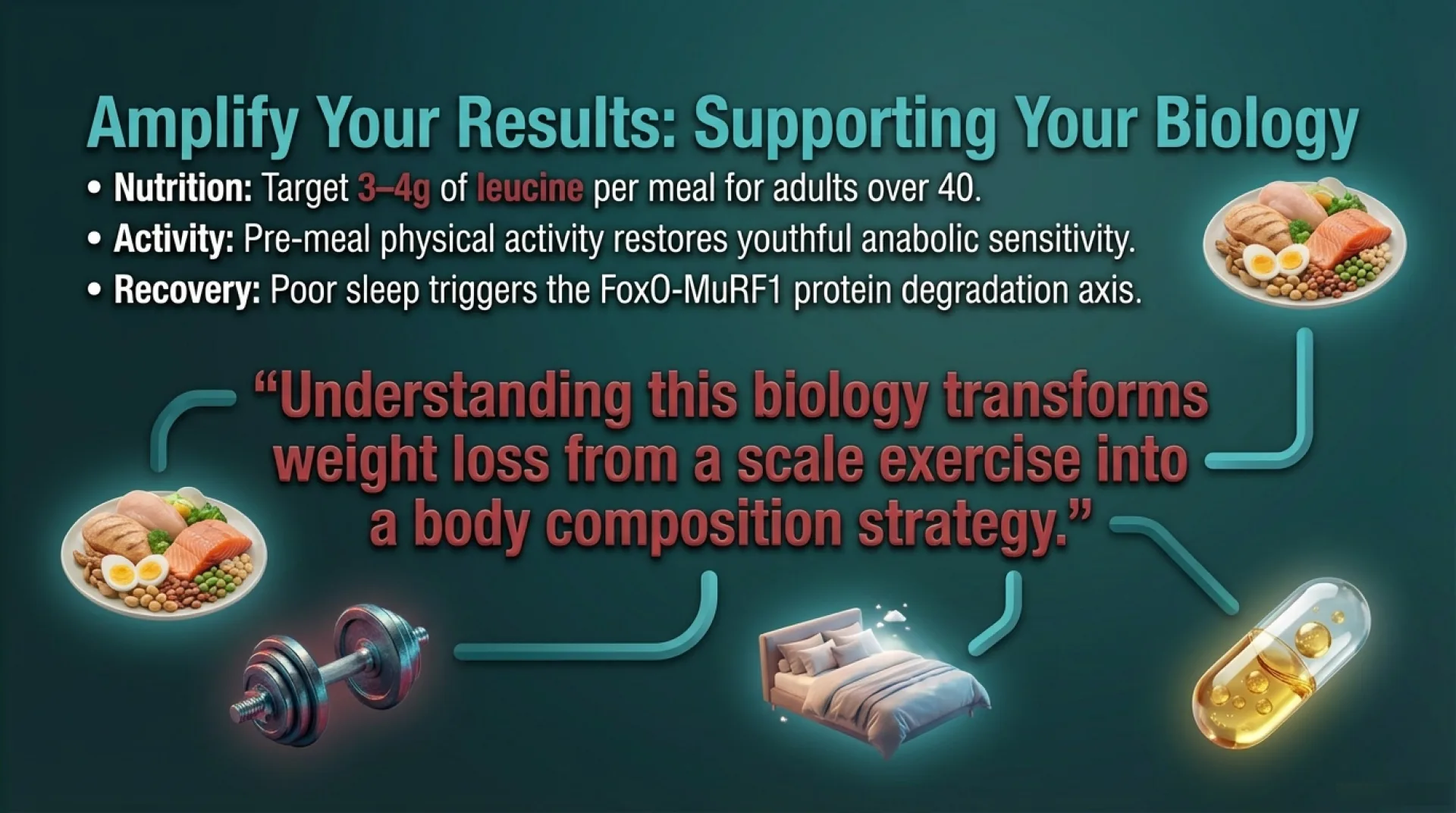
Per-meal protein dose matters as much as daily total. The saturable, threshold-dependent nature of MPS activation means that 90g of protein in one meal doesn’t produce three times the anabolic stimulus of 30g 9. Distributing protein across 3–5 meals, each providing 25–40g (depending on age), with each meeting the leucine threshold (~2.5–3g for younger adults, ~3–4g for older adults), produces approximately 25% greater 24-hour MPS compared to eating most protein at dinner 9, 16.
Resistance loading is non-negotiable for lean mass preservation. It activates mTORC1 through mechanotransduction pathways that nutrition cannot replicate and creates a 24–48 hour sensitization window that amplifies the MPS response to every subsequent meal 5, 10.
Sleep quality directly affects the synthesis-breakdown balance. Growth hormone peaks during slow-wave sleep, testosterone follows a diurnal pattern with highest levels during sleep hours, and cortisol elevation from poor sleep activates the FoxO-MuRF1/Atrogin-1 axis that drives protein degradation 11.
Omega-3 fatty acids function as anabolic sensitizers — EPA and DHA incorporation into muscle cell membranes enhances the MPS response to protein feeding over weeks of consistent intake 13. Vitamin D supports the VDR-mediated gene expression that maintains muscle fiber size and mitochondrial function 14, 18.
Stress management has molecular consequences. Chronic cortisol elevation simultaneously suppresses PI3K/Akt signaling (reducing synthesis) and activates FoxO-mediated atrogene expression (increasing breakdown) — creating a dual catabolic effect that erodes lean mass independent of diet and exercise 11.
The Zvia Perspective
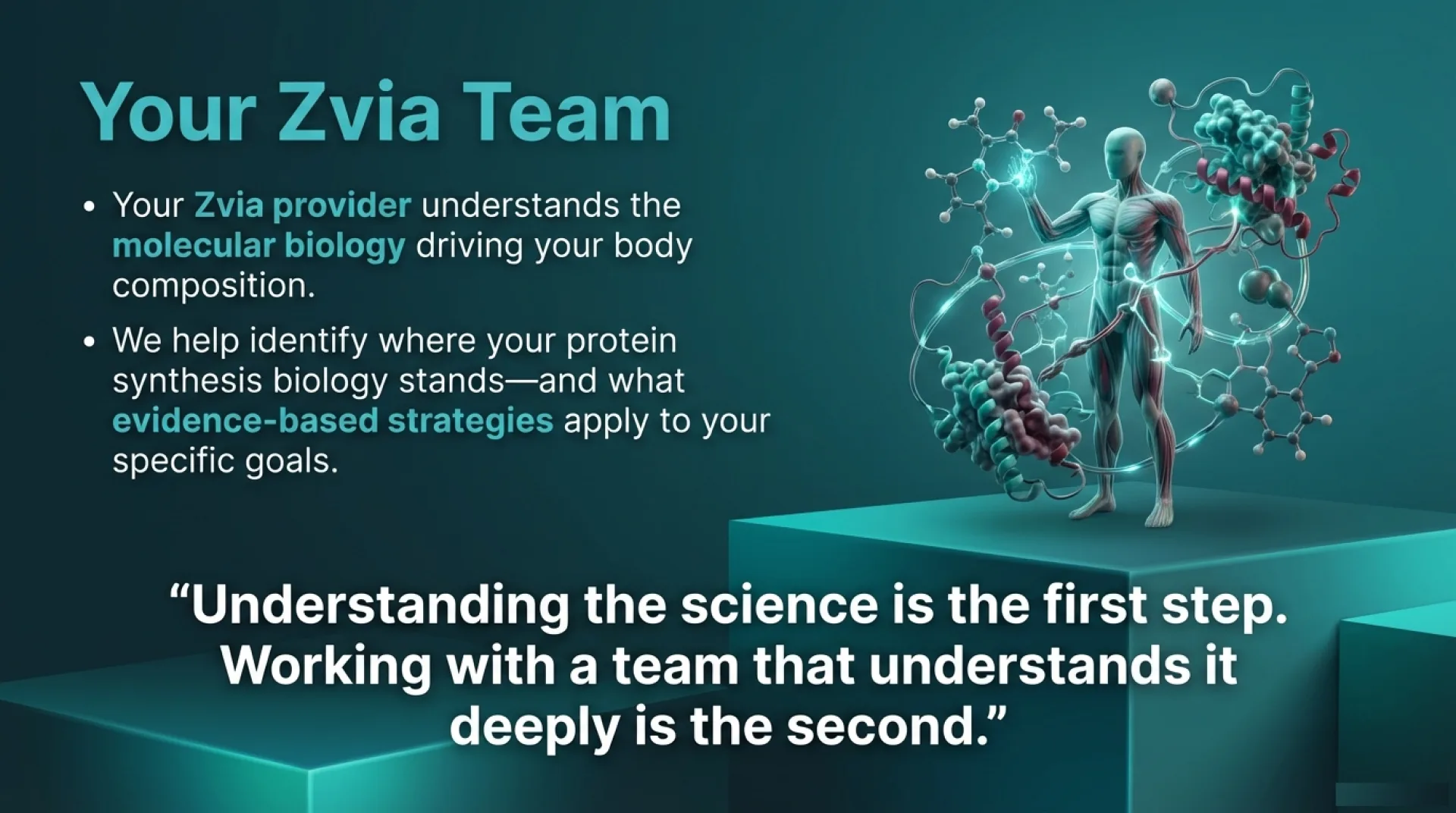
At Zvia Weight Loss & MedSpa in Lakewood, Colorado, understanding the biology of protein synthesis and lean mass preservation is foundational to how we approach body composition and metabolic health. This isn’t supplementary science — it’s the framework behind every clinical conversation about weight management, body composition, and aging well.
We believe meaningful health outcomes begin with biological literacy. When you understand that your muscles are continuously being built and broken down — and that specific, modifiable factors control the balance — you move from passive participation in your health to active, informed engagement. You stop chasing scale numbers and start understanding what those numbers actually represent.
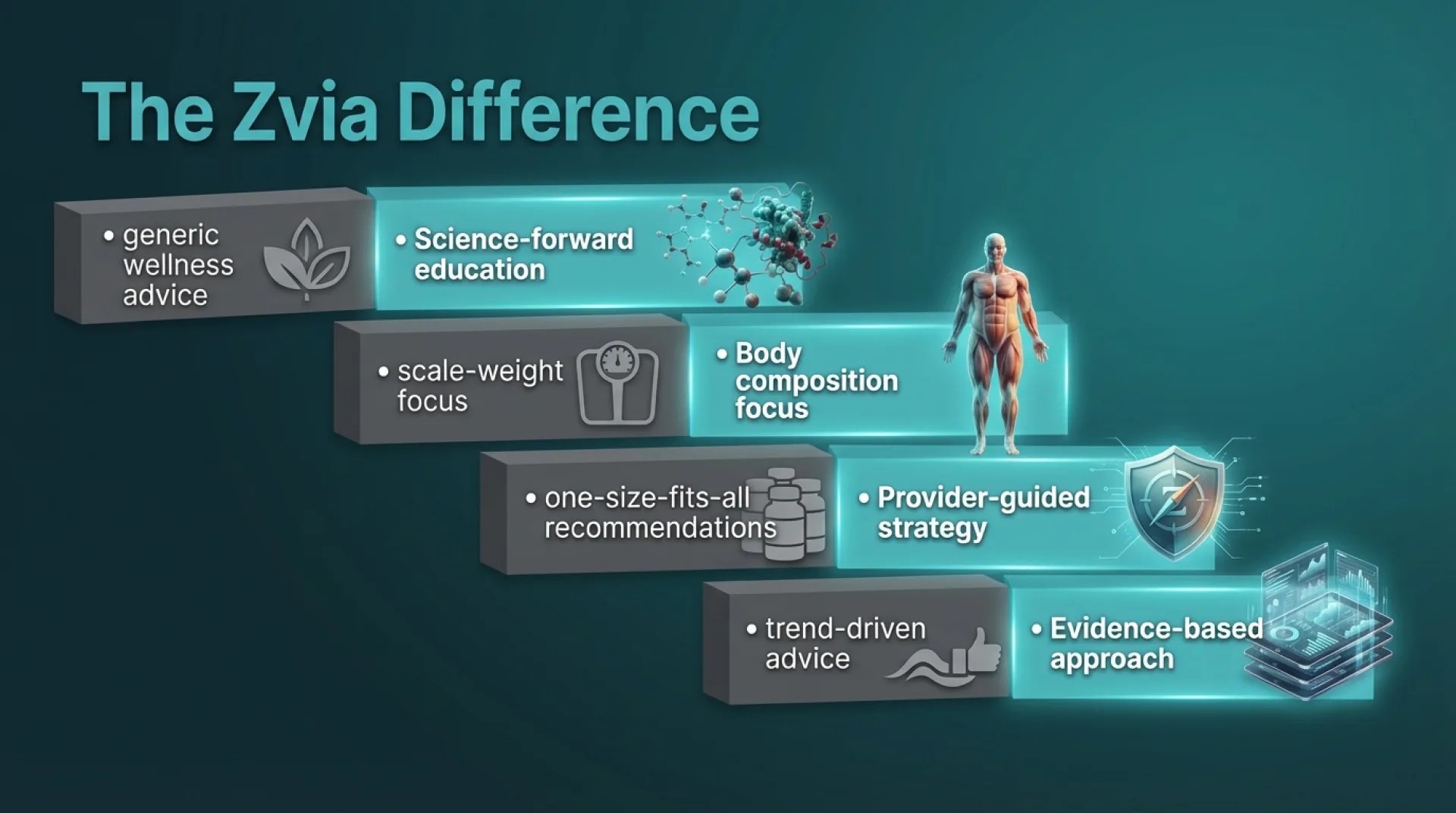
This is what science-informed care looks like. Not guessing at protein amounts, but understanding the leucine threshold and dose-response curve that applies to your age and activity level. Not generic advice to exercise more, but understanding why resistance loading activates a molecular pathway that nutritional strategies alone cannot replicate. Not vague recommendations to sleep better, but recognizing that a single night of poor sleep measurably suppresses the machinery that maintains your lean tissue.
Understanding this science is the first step. Working with a team that understands it deeply — and can help you apply it to your specific biological picture — is the second.
Continue exploring
Insulin Sensitivity & Glucose Regulation: When Your Body Stops Responding the Way It Used To
How insulin sensitivity and glucose regulation govern energy storage, fat burning, and metabolic health. Evidence-based strategies at Zvia Weight Loss & MedSpa in Lakewood, CO.
Satiety Signaling: Why Your Hunger Stopped Making Sense
The science of satiety signaling — hormones, nerves, and brain circuits that govern hunger and fullness. Learn how your appetite biology works at Zvia Weight Loss & MedSpa in Lakewood, CO.
Educational purposes only. Provider-supervised protocols required. Results may vary based on individual biological response.
Talk with our clinical team about how this applies to your health picture.
References
- 1. Leucine-Enriched Nutrients and the Regulation of mTOR Signalling and Human Skeletal Muscle Protein Synthesis . .
- 2. Sestrin2 is a leucine sensor for the mTORC1 pathway . .
- 3. Structural basis for leucine sensing by the Sestrin2-mTORC1 pathway . .
- 4. Structural basis for the dynamic regulation of mTORC1 by amino acids . .
- 5. Anabolic Resistance of Muscle Protein Turnover Comes in Various Shapes and Sizes . .
- 6. Critical variables regulating age-related anabolic responses to protein nutrition in skeletal muscle . .
- 7. Preserving Healthy Muscle during Weight Loss . .
- 8. Weight Loss Strategies and the Risk of Skeletal Muscle Mass Loss . .
- 9. Dietary Protein Distribution Positively Influences 24-h Muscle Protein Synthesis in Healthy Adults . .
- 10. Mechanisms of IGF-1-Mediated Regulation of Skeletal Muscle Hypertrophy and Atrophy . .
- 11. The effect of acute sleep deprivation on skeletal muscle protein synthesis and the hormonal environment . .
- 12. Ubiquitin-proteasome pathway in skeletal muscle atrophy . .
- 13. The Influence of Omega-3 Fatty Acids on Skeletal Muscle Protein Turnover in Health, Disuse, and Disease . .
- 14. Mechanisms of vitamin D on skeletal muscle function: oxidative stress, energy metabolism and anabolic state . .
- 15. Sarcopenia: Molecular regulatory network for loss of muscle mass and function . .
- 16. Impacts of protein quantity and distribution on body composition . .
- 17. Reconsidering the pre-eminence of dietary leucine and plasma leucinemia for predicting the stimulation of postprandial muscle protein synthesis rates . .
- 18. The Vitamin D/Vitamin D receptor (VDR) axis in muscle atrophy and sarcopenia . .