Audio overview — how satiety signaling works, what disrupts it, and what you can do about it
What Is Satiety Signaling?
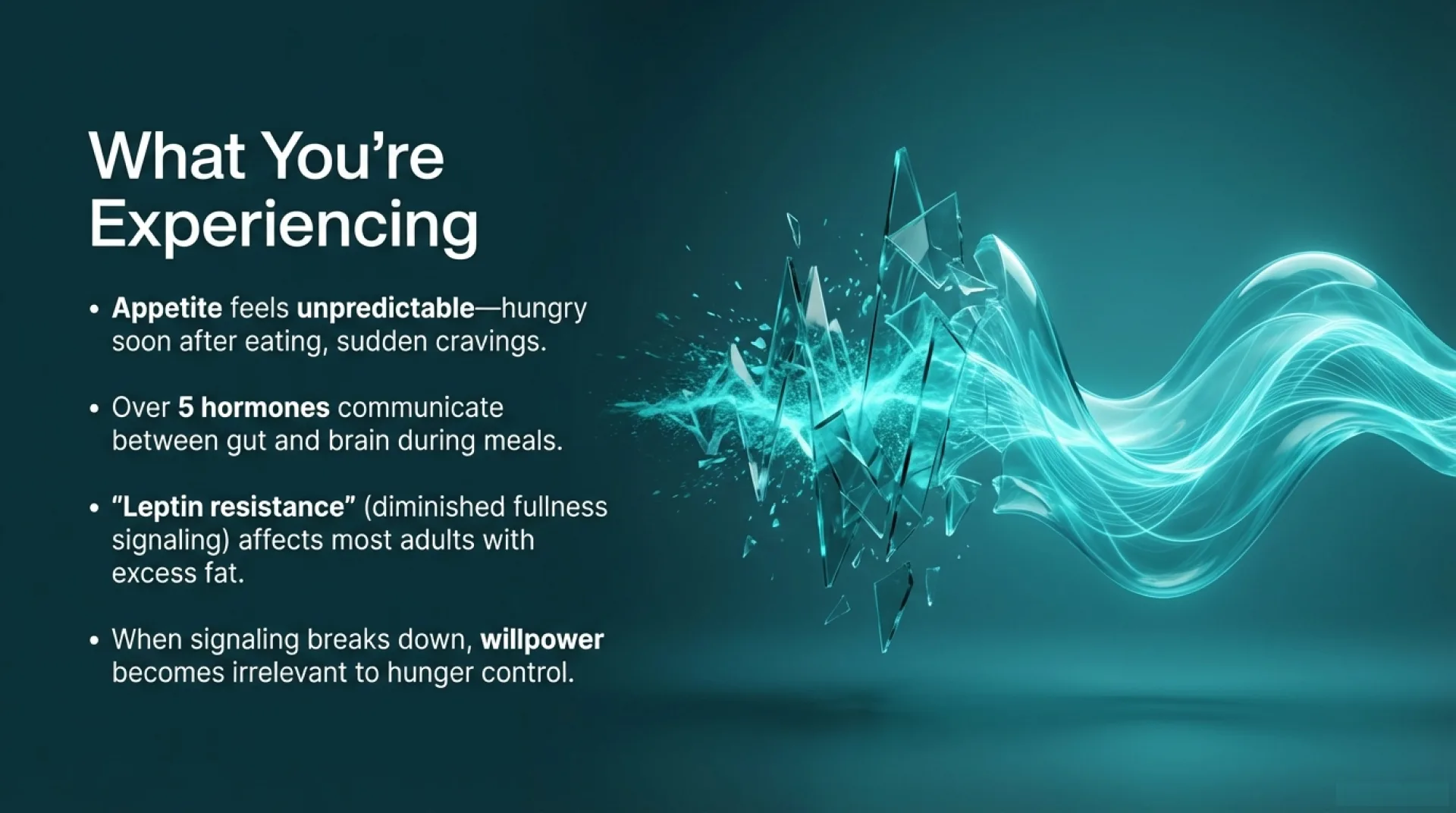
You finish dinner and feel full — for about twenty minutes. Then something shifts, and you’re standing in front of the fridge wondering why. Or maybe it’s the opposite: you used to have a reliable appetite, and now you can go half a day without thinking about food, only to crash hard in the late afternoon. Either way, what you’re experiencing isn’t random. It’s a biological communication system doing exactly what the signals tell it to do — even when those signals have changed.
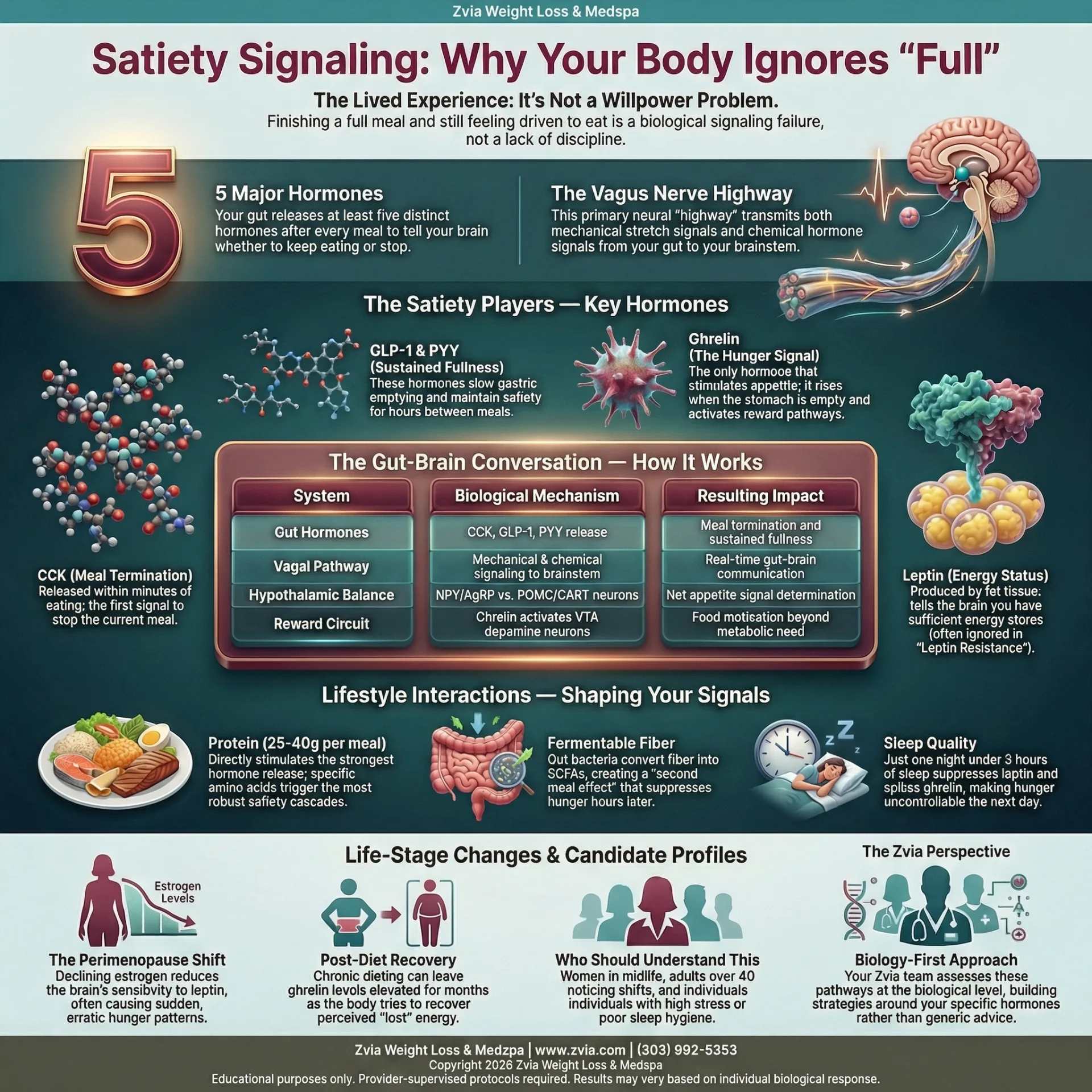
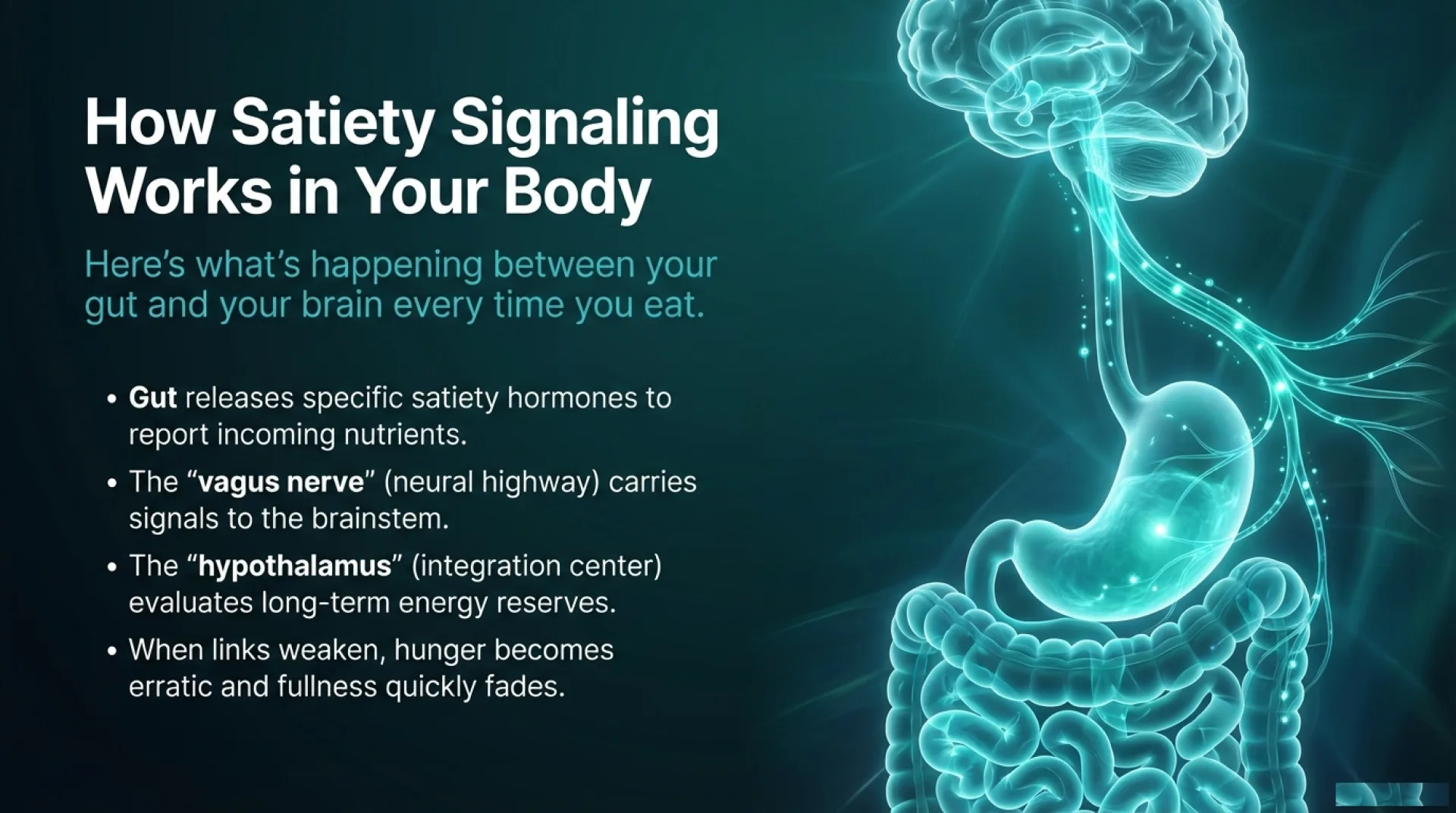
Satiety signaling is the network of hormones, nerves, and brain circuits that tells your body when to eat, when to stop, and how long to stay satisfied between meals. It involves at least five major gut hormones, the longest nerve in your body, and a region of your brain that processes fullness the way a thermostat processes temperature. When this system is working well, appetite feels effortless. When it’s disrupted — by stress, sleep loss, hormonal shifts, or changes in gut health — hunger becomes unpredictable, intense, or strangely absent.
Understanding satiety signaling reframes the entire conversation about appetite. This isn’t about control. It’s about biology.
How Does It Work?
The system operates on two tracks — a fast, neural pathway and a slower, hormonal one — both converging on the same brain regions 1.
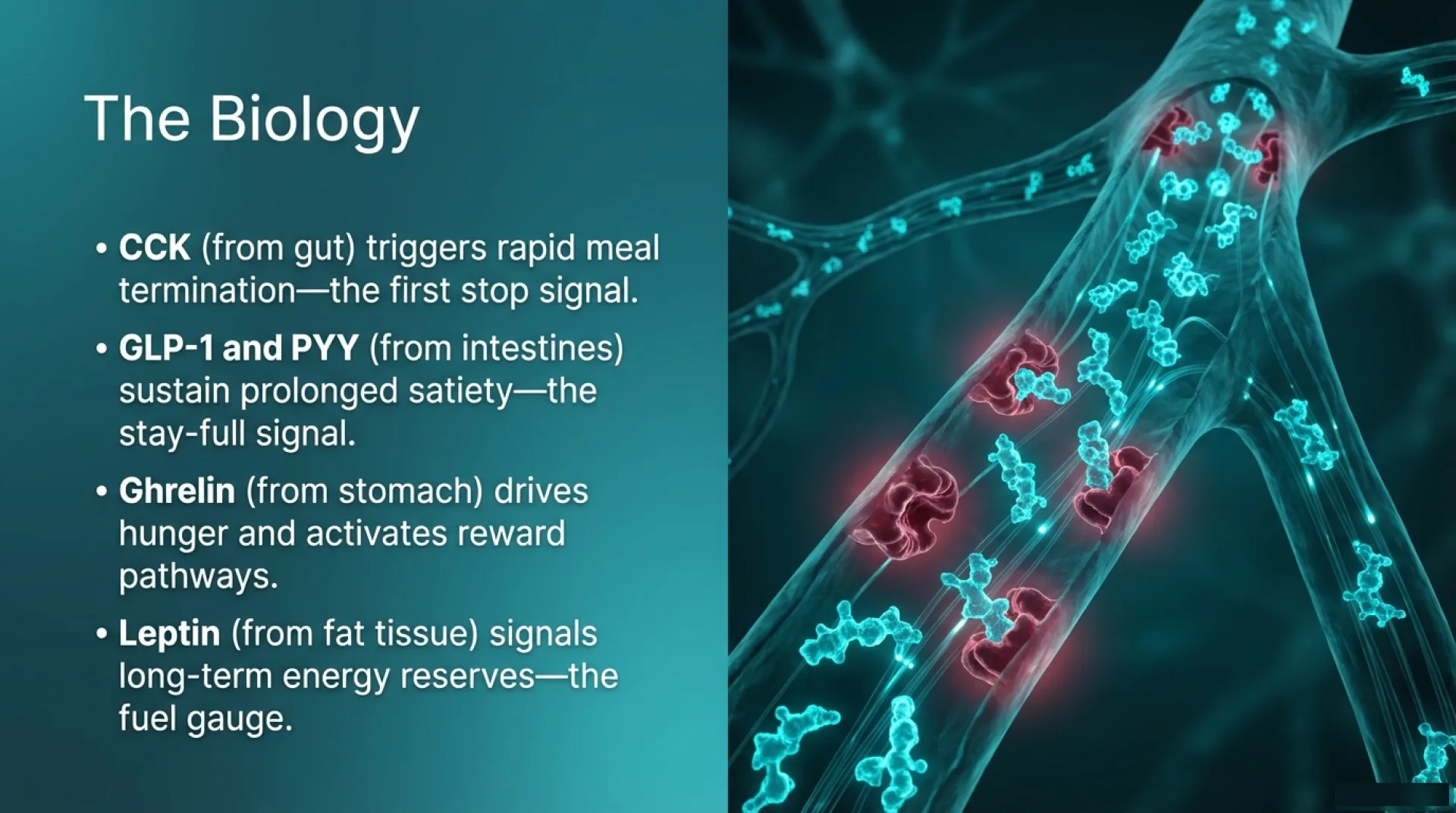
The fast track: your vagus nerve. When food enters your stomach, stretch receptors in the stomach wall detect physical fullness and fire signals through the vagus nerve directly to the brainstem’s nucleus tractus solitarius (NTS). This happens within minutes. At the same time, nutrients reaching the upper small intestine trigger the release of cholecystokinin (CCK) from intestinal I-cells. CCK activates receptors on vagal nerve endings, sending a rapid “stop eating” message to the brain 9. CCK’s half-life is only about 1–2 minutes, making it primarily a meal-termination signal — it helps you stop eating this meal, not stay full for hours.
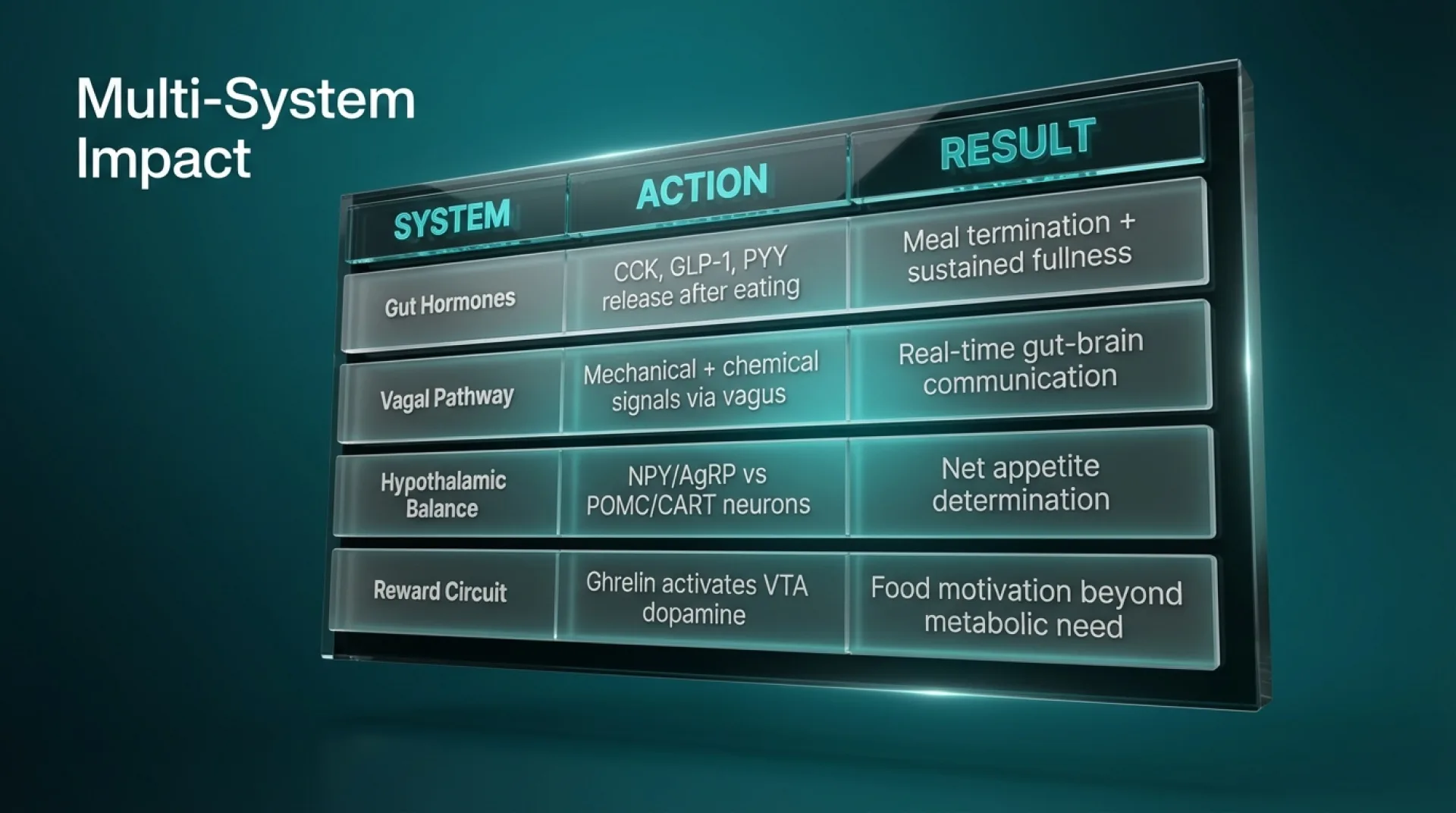
The sustained signal: GLP-1 and PYY. As nutrients move further down the intestine, L-cells in the distal ileum and colon release glucagon-like peptide-1 (GLP-1) and peptide YY (PYY). These hormones work on a longer timeline. GLP-1 slows gastric emptying — keeping food in your stomach longer so fullness signals persist — and acts on receptors in the hypothalamic arcuate nucleus to suppress appetite 1, 3. PYY(3-36) inhibits the brain’s hunger-promoting NPY neurons while activating satiety-promoting POMC neurons, sustaining the “I’m full” signal for hours after a meal 1.
The hunger hormone: ghrelin. Working in opposition, ghrelin rises when your stomach is empty and falls after eating. It activates hunger neurons in the hypothalamus and — critically — stimulates dopamine neurons in the brain’s reward center, making food not just necessary but appealing 8. This is why hunger isn’t just a stomach feeling; it’s a motivational drive.
The long game: leptin and insulin. While gut hormones handle meal-to-meal regulation, leptin (from fat tissue) and insulin (from the pancreas) provide the brain with a longer-term read on energy status. In healthy physiology, rising leptin tells the brain “energy stores are sufficient, reduce appetite.” But in leptin resistance — which develops with chronic overconsumption and systemic inflammation — the brain stops hearing this signal, behaving as though the body is starving even when energy stores are abundant 8.
The integration center. All of these signals converge in the hypothalamus’s arcuate nucleus, where two opposing neuronal populations battle for control: NPY/AgRP neurons (which drive hunger) and POMC/CART neurons (which promote satiety). The balance between them determines whether you reach for another serving or push back from the table 3.
Who Should Understand This?
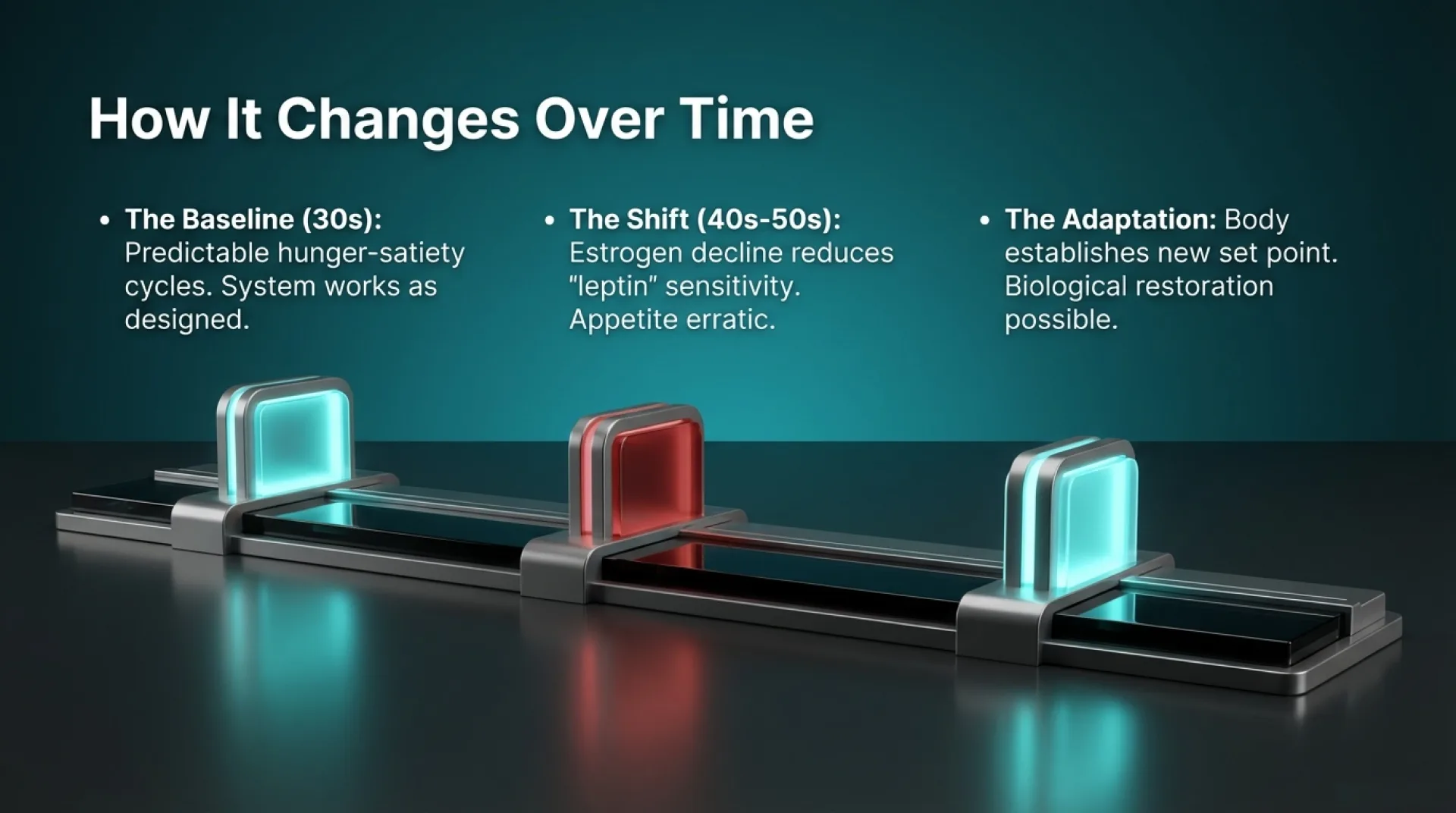
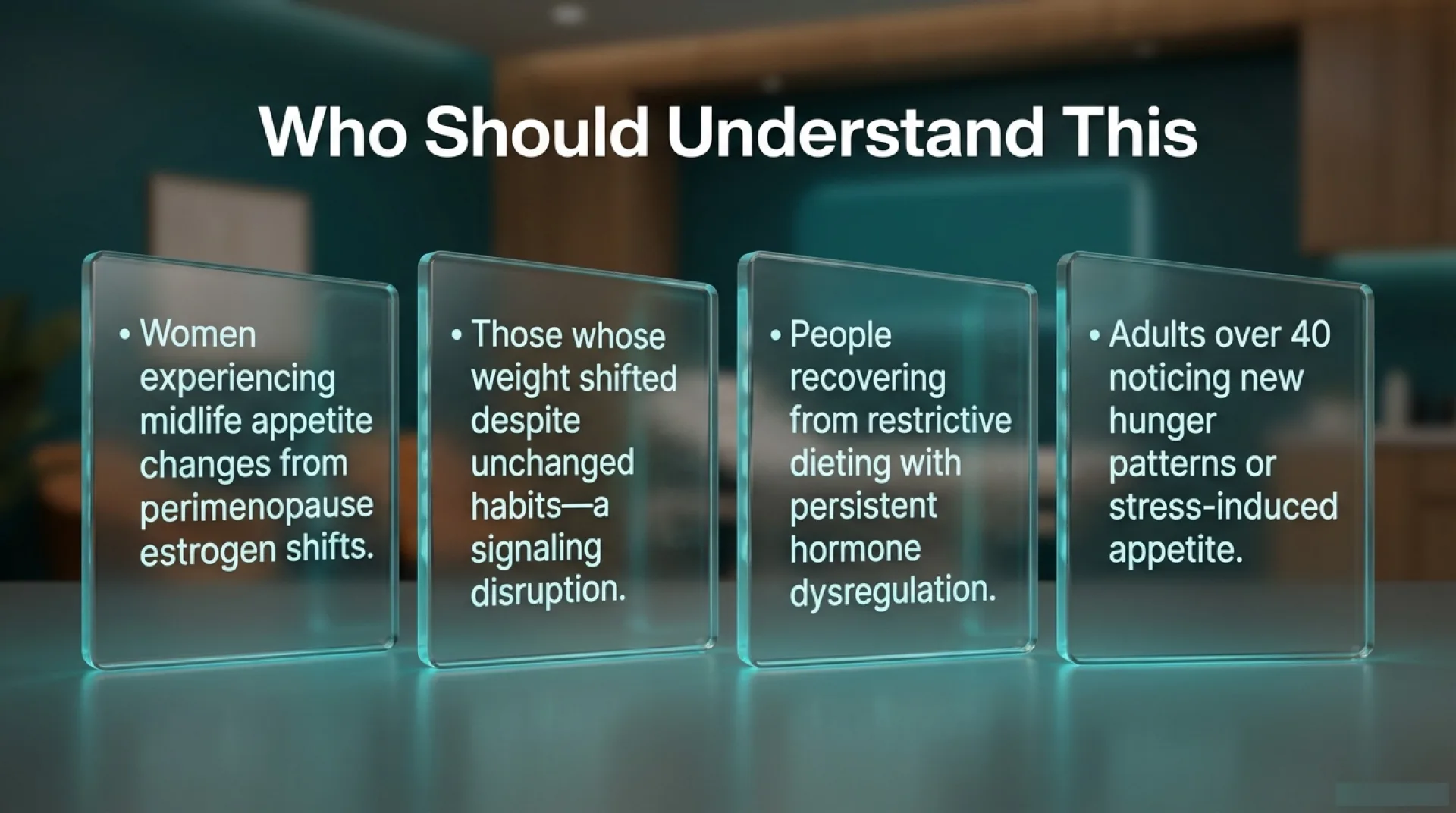
Women navigating perimenopause and menopause. Declining estrogen directly reduces the brain’s sensitivity to leptin and releases estrogen’s inhibitory effect on ghrelin 5. If you’ve noticed sudden, unexplained changes in appetite during midlife — feeling ravenous when you’ve never struggled with hunger before — this biology explains why. A five-year longitudinal study found that while caloric intake actually decreased across the menopausal transition, the psychological desire to eat and subjective hunger both increased significantly and remained elevated in postmenopausal years 6.
Anyone experiencing weight changes despite unchanged habits. When the scale moves and your behavior hasn’t changed, the explanation often lives in the signaling system — leptin resistance, microbiome shifts, or sleep-driven hormone changes that alter how your brain processes hunger and fullness 1.
People recovering from cycles of restrictive dieting. Repeated caloric restriction can dysregulate ghrelin and leptin dynamics. After prolonged dieting, ghrelin may remain elevated and leptin suppressed for months — your body’s attempt to recover what it perceives as lost energy reserves 8. Understanding this mechanism explains why post-diet hunger feels overwhelming and why sustainable approaches differ from short-term restriction.
Adults over 40 noticing shifts in appetite patterns. Whether appetite is increasing (common in hormonal transitions) or decreasing (the “anorexia of aging” affecting 15–30% of older adults 7), age-related changes in satiety signaling are real and measurable.
Individuals managing chronic stress or disrupted sleep. If stress or poor sleep consistently precedes episodes of increased appetite or intense cravings, satiety signaling biology provides the specific mechanism — and points toward targeted interventions rather than willpower-based strategies 1.
Working With This Biology
Understanding how daily choices interact with satiety signaling transforms generic health advice into specific, biology-informed strategies.
Nutrition
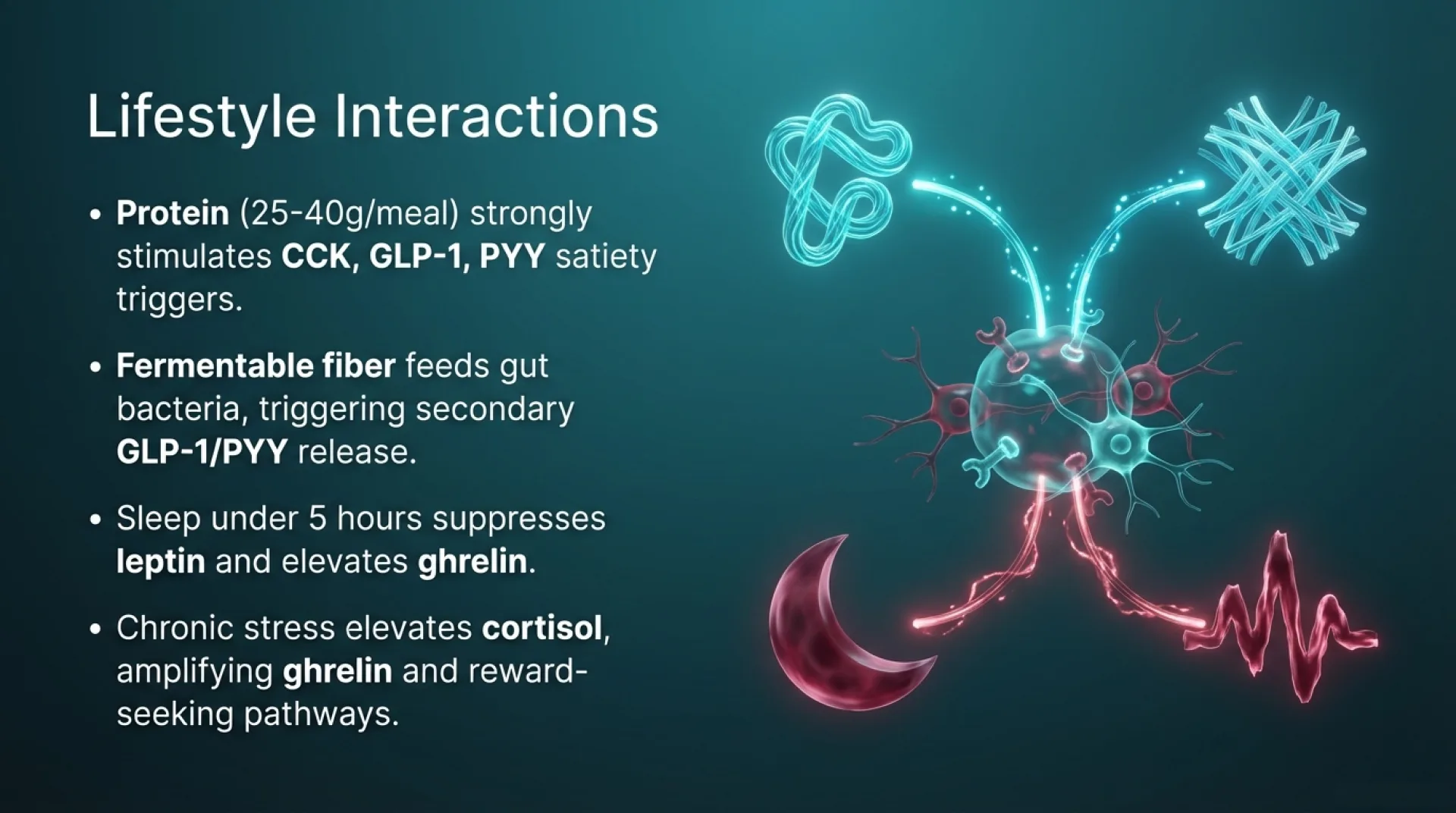
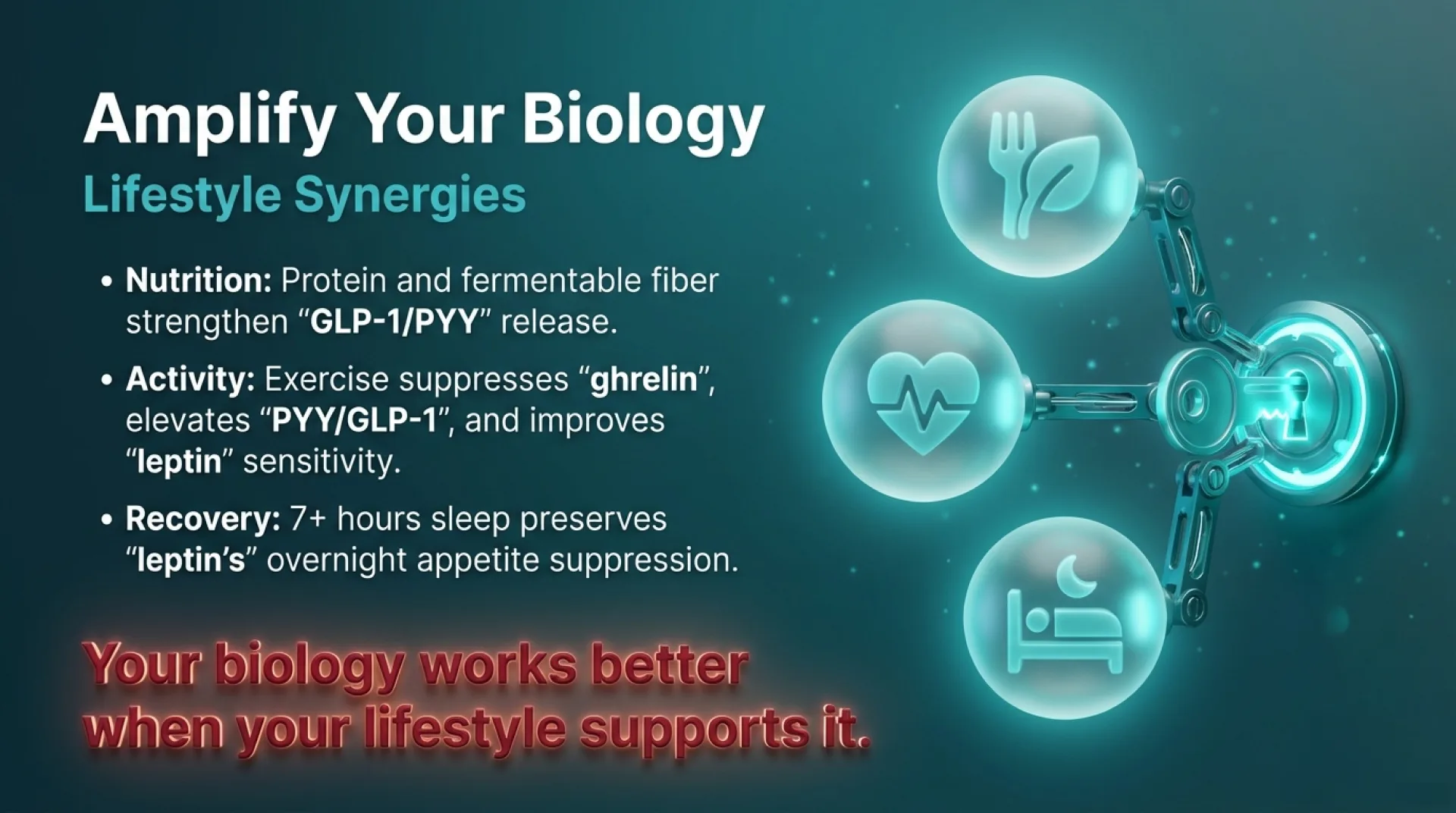
Protein is the most potent macronutrient driver of satiety hormone release. Amino acids arriving at the small intestine directly stimulate enteroendocrine cells to release CCK, GLP-1, and PYY 10. Research consistently shows that meals containing 25–40 grams of protein produce significantly greater satiety responses than isocaloric meals lower in protein. The thermic effect — approximately 20–30% of protein calories are used in digestion and processing — further supports energy balance.
Fiber serves satiety through two distinct mechanisms. Soluble fiber slows gastric emptying, prolonging stomach fullness signals. Fermentable fiber reaches the colon intact, where gut bacteria convert it to short-chain fatty acids (SCFAs) that stimulate additional GLP-1 and PYY release — creating a delayed “second meal effect” where a fiber-rich meal enhances satiety at the next meal 4.
Healthy fats — particularly monounsaturated and polyunsaturated fatty acids from sources like avocado, olive oil, nuts, and fatty fish — are potent stimulators of CCK release, slowing gastric emptying and strengthening early satiety signals 10.
Meal timing matters because ghrelin follows a conditioned, anticipatory pattern — levels rise before habitual meal times. Regular eating schedules reinforce this rhythm, creating predictable hunger-satiety cycles. Erratic eating patterns can disrupt ghrelin’s anticipatory rhythm, producing unpredictable hunger spikes.
Movement
Moderate-to-vigorous exercise transiently suppresses appetite — a phenomenon called exercise-induced anorexia — through temporary suppression of ghrelin and elevation of PYY and GLP-1 10. Regular physical activity also improves insulin and leptin sensitivity over time, enhancing the brain’s responsiveness to satiety signals. Resistance training supports lean mass preservation, which independently influences metabolic rate and long-term energy regulation.
Sleep
Leptin peaks during sleep, providing appetite suppression through the overnight fast. Ghrelin is normally suppressed during sleep hours. Restricting sleep to less than five hours per night — even for two consecutive nights — measurably suppresses leptin and elevates ghrelin 1. Chronic sleep insufficiency compounds this shift, creating sustained increases in hunger with reduced satiety.
Stress
Chronic stress elevates cortisol via the HPA axis, which stimulates ghrelin production and redirects appetite toward energy-dense, high-reward foods through dopamine pathway activation 1. Cortisol also promotes visceral fat deposition, which produces inflammatory cytokines that further impair hypothalamic leptin and insulin sensitivity — creating a self-reinforcing cycle of stress, appetite dysregulation, and metabolic disruption.
The Zvia Perspective
At Zvia Weight Loss & MedSpa in Lakewood, Colorado, understanding satiety signaling at the pathway level is foundational to how we approach metabolic health. The biology of appetite regulation is not simple — it involves hormones, neural pathways, gut bacteria, sleep cycles, stress responses, and hormonal transitions that all interact simultaneously.
A practice that understands this complexity is fundamentally different from one that treats appetite as a matter of willpower. When a client describes sudden changes in hunger, unexplained cravings, or an inability to feel satisfied after eating, the question isn’t “why can’t you control yourself?” — it’s “what has changed in the signaling system, and how do we address it?”
This is where biological literacy transforms health outcomes. Understanding that leptin resistance, microbiome disruption, cortisol-driven appetite amplification, and estrogen-mediated changes in satiety sensitivity are real, measurable phenomena — not excuses — opens the door to precise, targeted approaches rather than generic advice.
Understanding the science is the first step. Working with a team that understands it is the second.
Continue exploring
Insulin Sensitivity & Glucose Regulation: When Your Body Stops Responding the Way It Used To
How insulin sensitivity and glucose regulation govern energy storage, fat burning, and metabolic health. Evidence-based strategies at Zvia Weight Loss & MedSpa in Lakewood, CO.
Protein Synthesis & Lean Mass: Why Your Body Loses Muscle During Weight Loss
Why your body loses muscle during weight loss — and the biology of preserving lean mass. Provider-guided strategies at Zvia Weight Loss & MedSpa in Lakewood, CO.
Educational purposes only. Provider-supervised protocols required. Results may vary based on individual biological response.
Talk with our clinical team about how this applies to your health picture.
References
- 1. Barakat et al. Satiety: A Gut-Brain Relationship . The Journal of Physiological Sciences (2024).
- 2. Clarke The Gut-Brain Axis in Appetite, Satiety, Food Intake, and Eating Behavior: Insights from Animal Models and Human Studies . Pharmacology Research & Perspectives (2024).
- 3. Balonov et al. Neural and Hormonal Mechanisms of Appetite Regulation During Eating . Frontiers in Nutrition (2025).
- 4. Multiple authors The Effects of Gut Microbiota on Appetite Regulation and the Underlying Mechanisms . Gut Microbes (2024).
- 5. Multiple authors Binge Eating Risk During Midlife and the Menopausal Transition: Sensitivity to Ovarian Hormones as Potential Mechanisms of Risk . PMC (2023).
- 6. MONET Group Effects of the Menopausal Transition on Dietary Intake and Appetite . PMC (2016).
- 7. Multiple authors Appetite-Related Gut Hormone Responses to Feeding Across the Life Course . Journal of the Endocrine Society (2024).
- 8. StatPearls Physiology, Obesity Neurohormonal Appetite and Satiety Control . NCBI Bookshelf (2024).
- 9. Steinert et al. Vagal Control of Satiety and Hormonal Regulation of Appetite . PubMed (2012).
- 10. Multiple authors Insights into the Constellating Drivers of Satiety Impacting Dietary Patterns and Lifestyle . Frontiers in Nutrition (2022).