Not Currently Offered — Educational Only
BPC-157/TB-500 was recently removed from the FDA's Category 2 restricted list and is under review for inclusion on the FDA's 503A Bulk Drug Substances List following the agency's July 2026 advisory committee meeting. Until that determination is final, this page is educational only and does not represent a treatment currently available through Zvia.
When Recovery Becomes the Injury
You did the rehab. You rested. You gave it time. And that knee, that shoulder, that nagging thing in your back — it's still there, still dictating what you can and can't do.
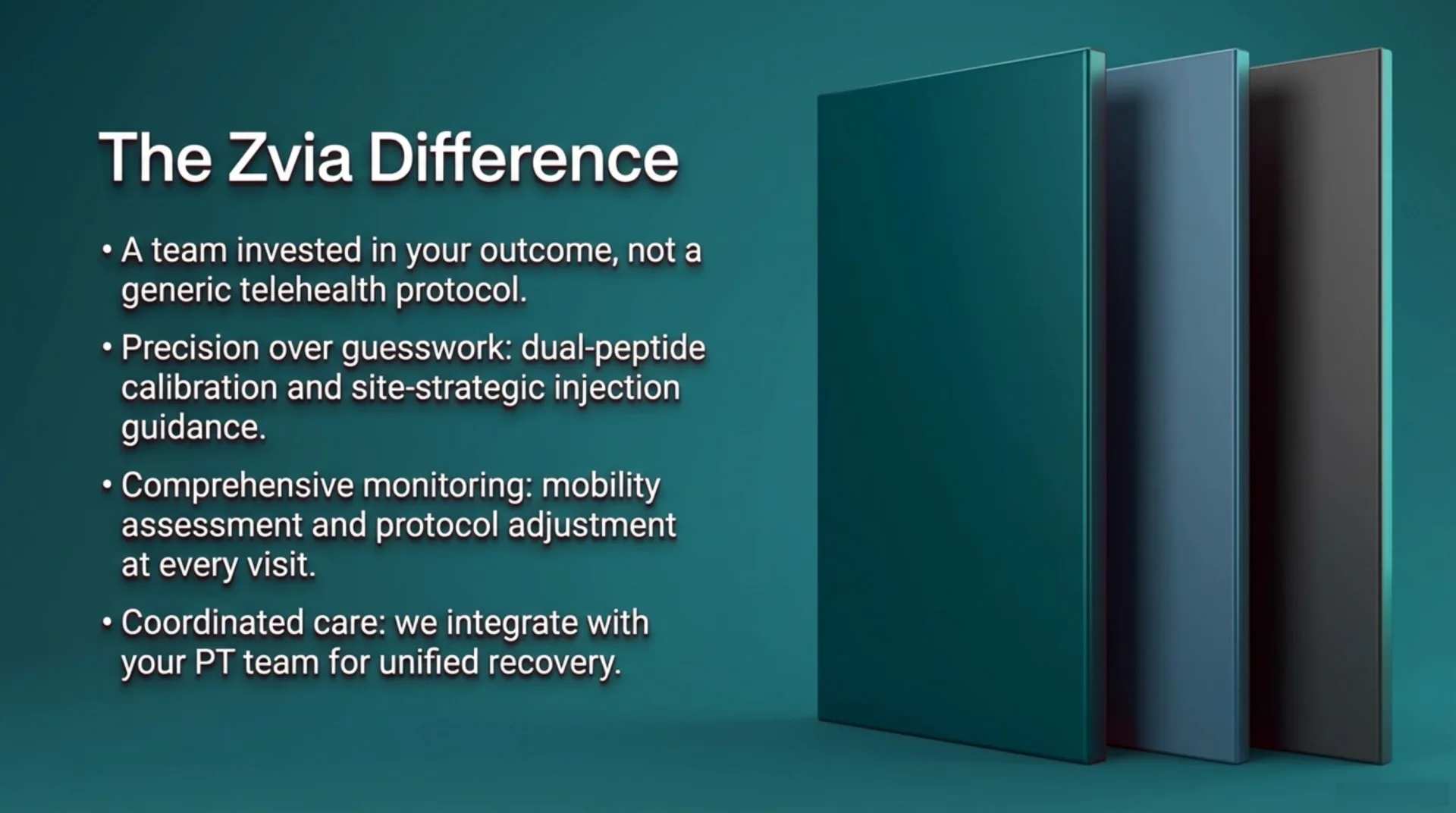

Audio overview of BPC-157/TB-500 combination therapy — how dual-peptide synergy accelerates tissue healing, what to expect at each phase, and why provider guidance matters.
We get it — you’ve tried the rest, the ice, the PT, maybe even a cortisone shot. And that stubborn injury is still running the show. Before we get into the science of how the Wolverine Blend works, we want you to know: your frustration is valid, and there’s a real biological reason conventional approaches haven’t been enough. Let’s walk through what’s actually happening and how this blend addresses it.
What Is BPC-157/TB-500 (Wolverine Blend)?
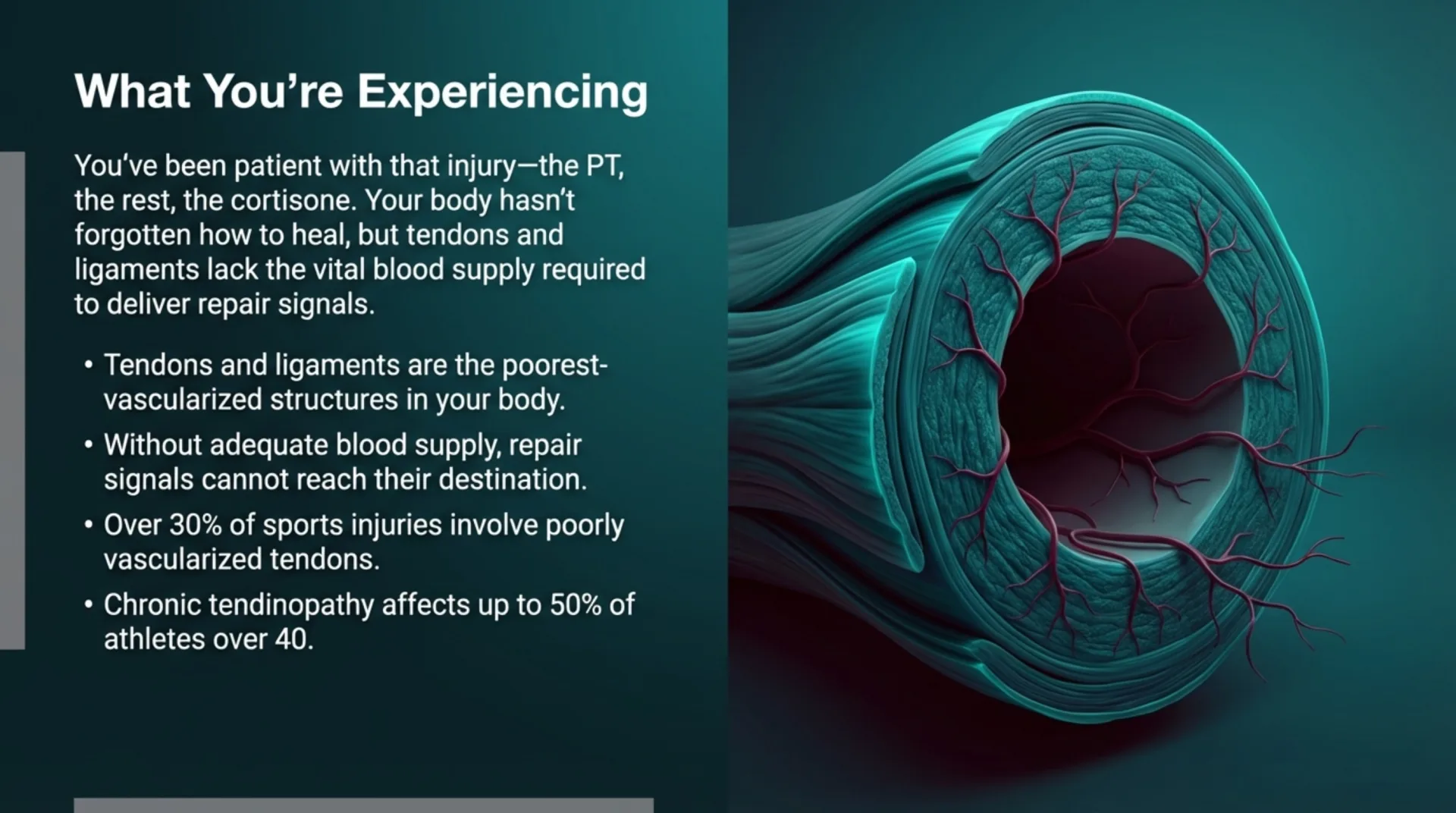
You’ve been patient. You’ve done the physical therapy, iced it, rested it, maybe even tried a cortisone shot. And that tendon, that joint, that nagging injury that used to be a minor inconvenience — it’s become a defining feature of your daily life. You’re modifying workouts, avoiding stairs, sleeping on your “good side.” At some point, you stopped expecting it to actually get better and started managing around it.
Here’s what’s frustrating: your body hasn’t forgotten how to heal. But the tissues that need repair the most — tendons, ligaments, cartilage — are among the poorest-vascularized structures in your body. Without adequate blood supply, the repair signals your body sends simply can’t reach their destination in sufficient force.
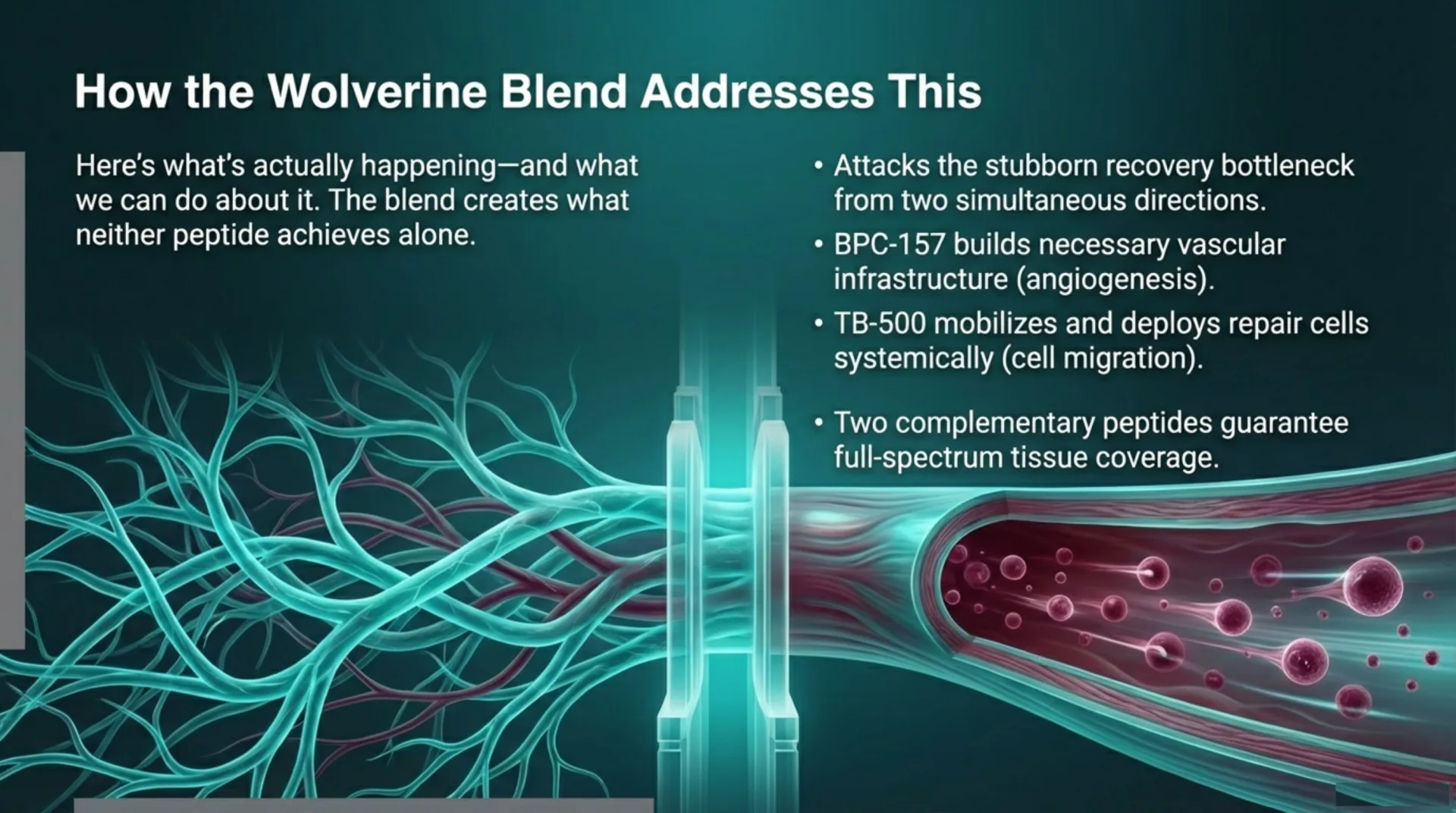
BPC-157/TB-500, commonly known as the Wolverine Blend, is a precision-curated combination of two regenerative peptides that attack this problem from complementary directions. BPC-157 (Body Protection Compound-157) is a synthetic 15-amino acid peptide derived from a protective protein found in human gastric juice. TB-500 is a synthetic analog of Thymosin Beta-4, a naturally occurring 43-amino acid peptide present in nearly every cell in the body. Together, they create a synergistic repair system — one builds the vascular infrastructure injured tissues desperately need, while the other mobilizes and deploys the repair cells to use it.
How Does It Work?
The Wolverine Blend works because BPC-157 and TB-500 operate through distinct but complementary biological pathways that converge on the same outcome: accelerated tissue repair.
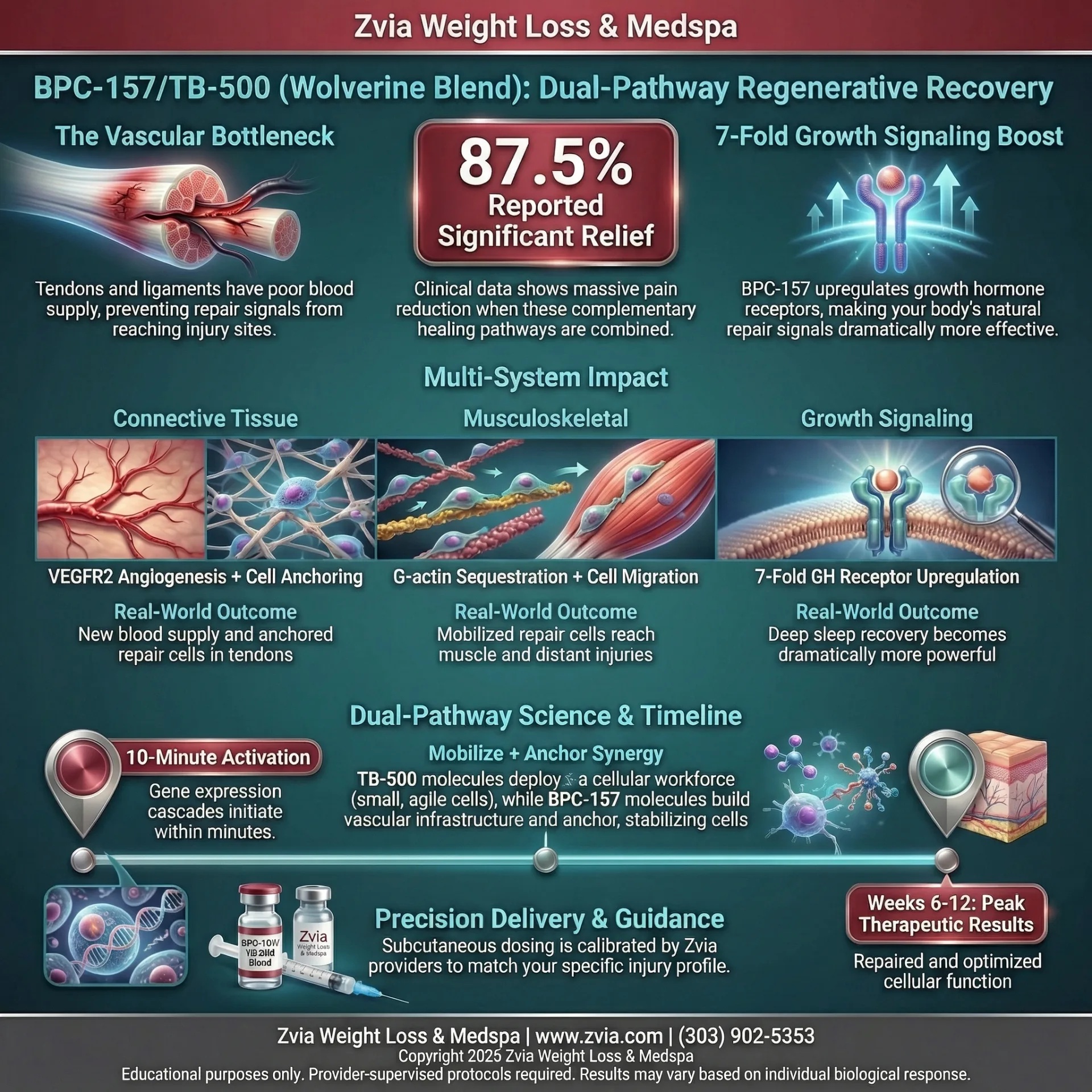
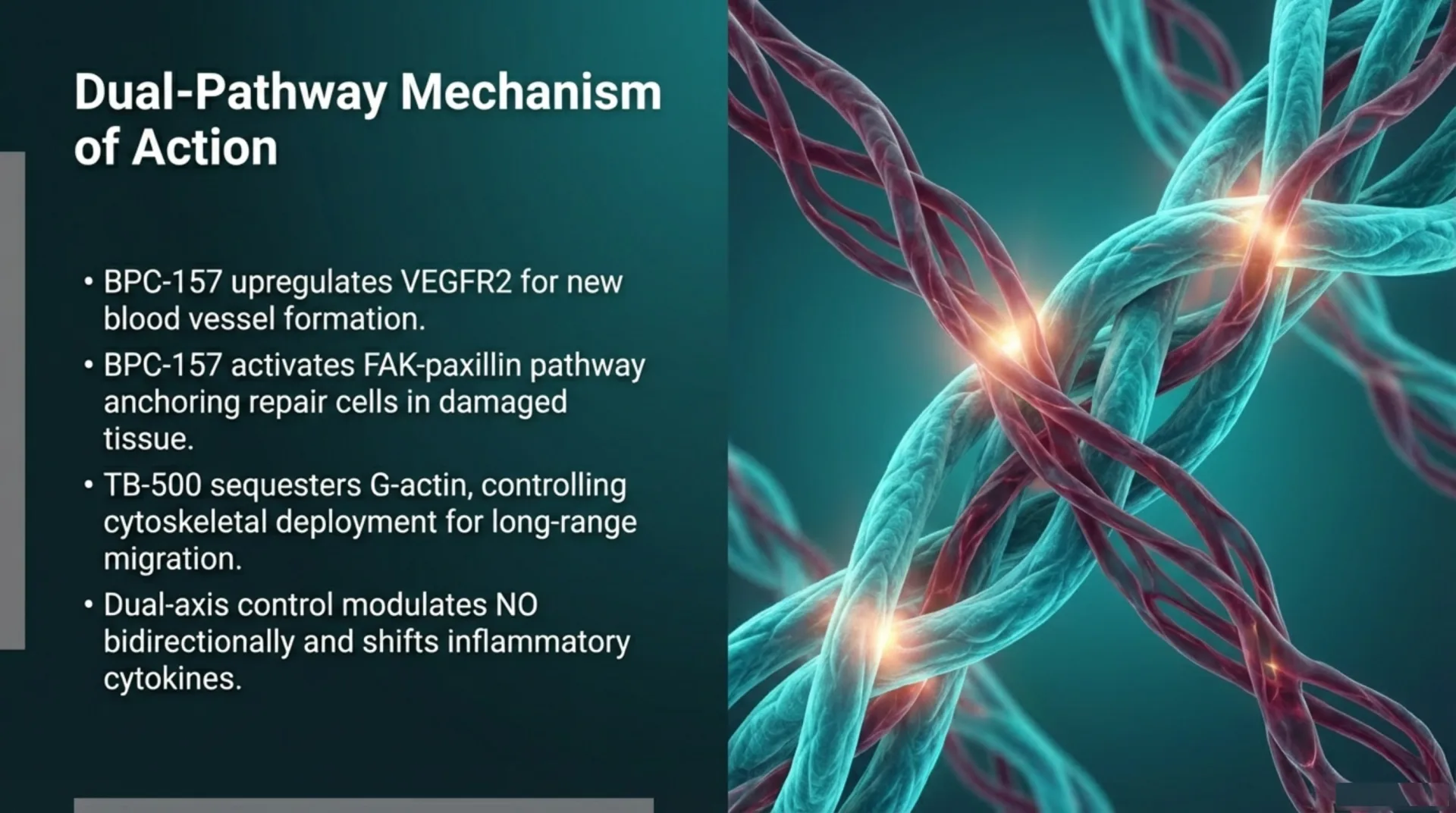
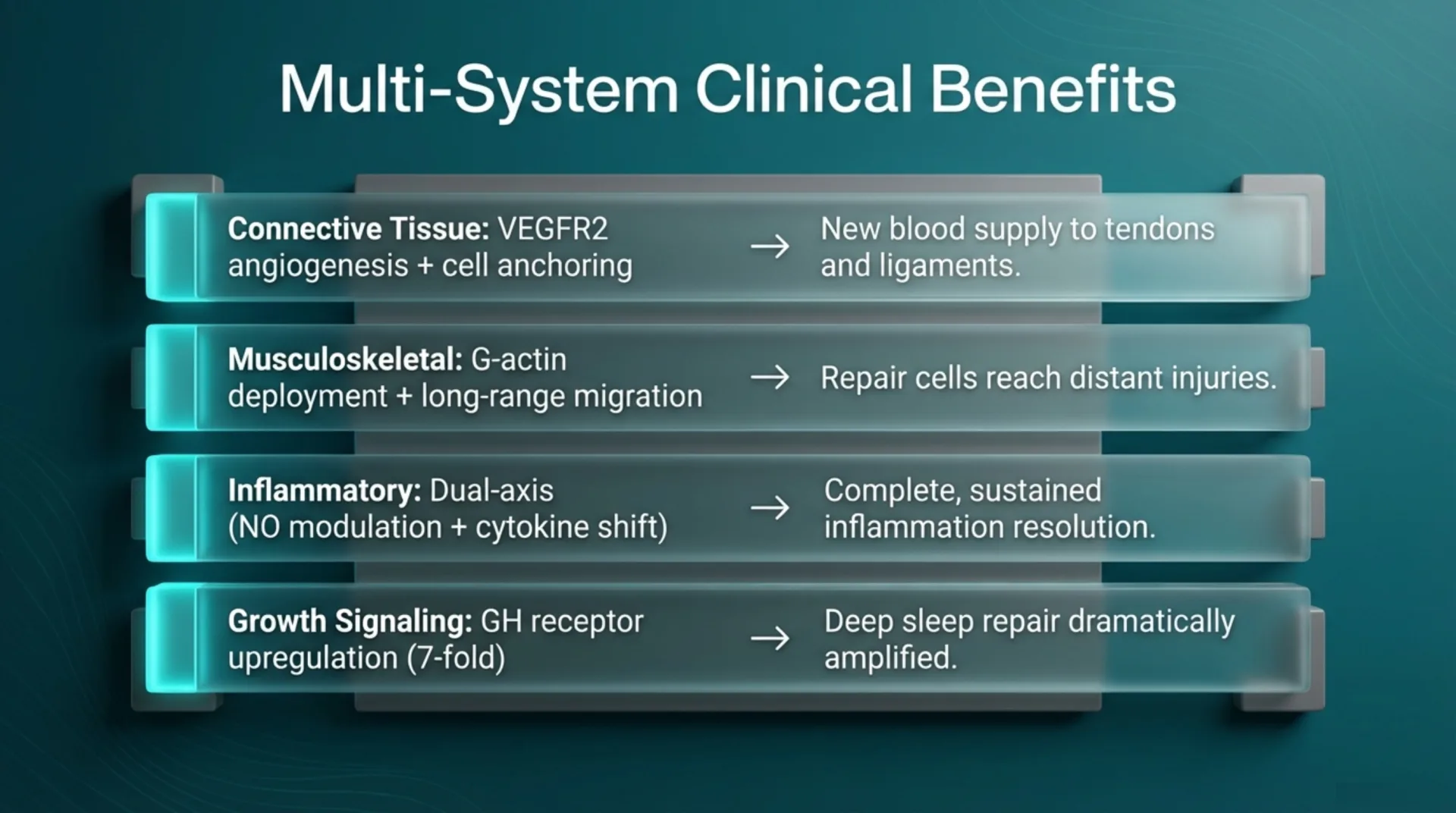
BPC-157 — The Vascular Architect. BPC-157 drives new blood vessel formation by upregulating VEGF receptor 2 (VEGFR2) expression in vascular endothelial cells, triggering the PI3K-Akt-eNOS signaling cascade that builds new vasculature 1. This matters because tendons and ligaments heal slowly precisely because they lack sufficient blood supply — BPC-157 addresses that fundamental bottleneck. It simultaneously activates the FAK-paxillin pathway, which drives cell migration into damaged areas and anchors repair cells for tissue rebuilding 2. Perhaps most remarkably, BPC-157 upregulates growth hormone receptor expression up to 7-fold in tendon fibroblasts over three days 2 — effectively amplifying your body’s own repair signals in the tissues that need them most.
TB-500 — The Systemic Mobilizer. TB-500 is the body’s primary actin-sequestering molecule, controlling the pool of cellular building blocks available for rapid deployment 4. Its low molecular weight (~4,921 Da) allows it to travel long distances through tissues, reaching injury sites throughout the body — not just at the injection location. It promotes cell migration, drives angiogenesis through different pathways than BPC-157, and shifts inflammatory cytokine profiles toward resolution 4. Where BPC-157 builds the infrastructure, TB-500 deploys the workforce.
The Synergy. BPC-157 increases actin production at the gene level while TB-500 manages the logistics of deploying it where needed 1, 4. BPC-157 anchors repair cells (FAK-paxillin pathway) while TB-500 mobilizes them across long distances (cytoskeletal remodeling). BPC-157 is strongest in tendons, ligaments, and gut tissue; TB-500 is strongest in muscle and soft tissue. Combined, they provide full-spectrum coverage across virtually all tissue types requiring repair.
What Are the Benefits of the Wolverine Blend?
Accelerated Tissue Repair
Both peptides drive complementary repair pathways — BPC-157 builds new blood supply to injured areas through VEGFR2-mediated angiogenesis while TB-500 mobilizes repair cells to reach them. Preclinical models demonstrate accelerated tendon outgrowth, increased cell survival under oxidative stress, and dose-dependent fibroblast migration 1, 7.
Compressed Recovery Timelines
Post-surgical and post-injury recovery timelines compress measurably. In a retrospective study, 87.5% of patients receiving combined BPC-157/TB-4 intraarticular injection reported significant pain relief 8. Preclinical tendon healing models show biomechanical improvement within 14-21 days — roughly half the normal recovery timeline 7.
Multi-Axis Inflammation Resolution
BPC-157’s bidirectional nitric oxide modulation addresses inflammatory chemical signaling, while TB-500’s cytokine profile shifting and neutrophil dispersion address the cellular inflammatory response 1, 4. Two axes of inflammation control working simultaneously means more complete and sustained resolution.
Growth Hormone Receptor Amplification
BPC-157 upregulates GH receptors up to 7-fold in healing tissues 2. During deep sleep — when growth hormone peaks — these primed tissues respond with enhanced proliferation and collagen formation. Your body’s own repair hormones become dramatically more effective in exactly the tissues that need them.
Gut Health Restoration
BPC-157 originates from a protective protein in human gastric juice and demonstrates remarkable stability in gastric environments — remaining intact for over 24 hours 3. Its cytoprotective properties support healing in conditions involving compromised gut lining integrity.
Full-Spectrum Tissue Coverage
BPC-157’s strongest effects target tendons, ligaments, gut, and connective tissue. TB-500’s strongest effects target muscle, soft tissue, and cardiac tissue. Combined, the blend addresses virtually every tissue type involved in complex injuries and recovery 1, 4.
How Long Does the Wolverine Blend Take to Work?
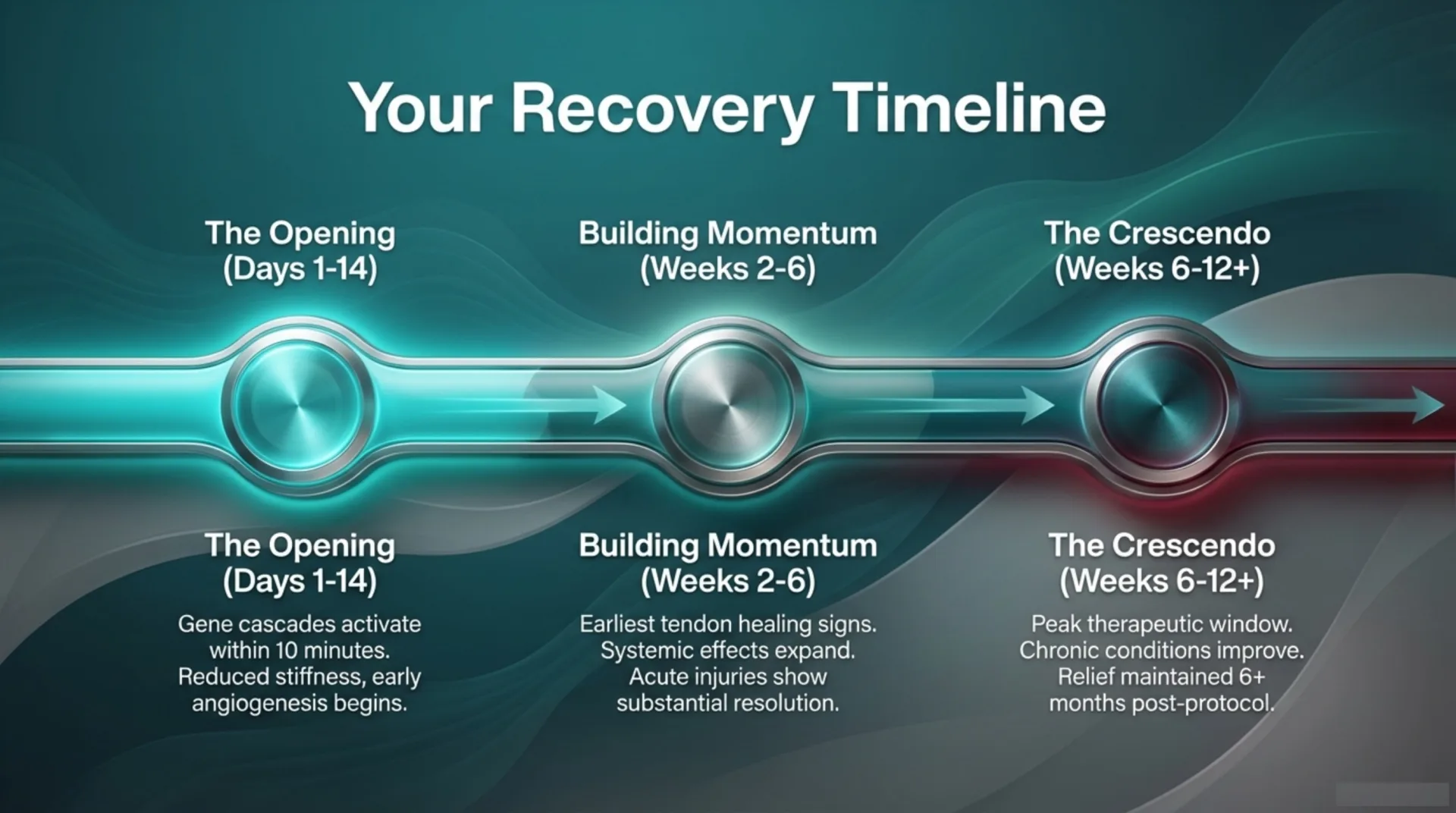
The Opening (Days 1-14)
BPC-157’s gene expression cascades activate within 10 minutes of your first injection — dozens of healing-related genes begin upregulating immediately 1. During the first week, inflammatory markers begin regulating and you’ll notice subtle but meaningful shifts: less morning stiffness, reduced sharpness of pain at injury sites. Based on the compound’s known onset pathway, days 7-10 is typically when early but real improvements become noticeable — better mobility, less guarding of the injured area, and in some cases improved digestion. By the end of week two, the angiogenic processes are actively building new vasculature beneath the surface, laying the foundation for deeper healing.
Building Momentum (Weeks 2-6)
This is where the blend’s dual-pathway approach becomes apparent. Weeks 2-3 mark the earliest visible signs of tendon and ligament improvement. TB-500’s systemic cell migration effects expand beyond the primary injury site — you may notice improvements in areas you weren’t specifically treating. By weeks 4-6, acute injuries often show substantial resolution. Fresh muscle strains, minor tendon irritation, and post-surgical inflammation typically respond within this window. The compounding effects of sustained angiogenesis and progressive collagen deposition become increasingly tangible.
The Crescendo (Weeks 6-12+)
The peak therapeutic window for most conditions falls between weeks 4-8. For chronic tendinopathy, long-standing joint issues, or complex post-surgical recovery, the full magnitude of improvement may require 8-12+ weeks. Importantly, the cascading cellular processes BPC-157 initiates continue independently after you complete your protocol. In clinical observations, some patients maintained pain relief for six months or longer following their treatment course 5, 8.
Based on published research, acute injuries can be expected to respond faster than chronic ones — and because growth hormone release during deep sleep drives the collagen formation these peptides prime, prioritizing sleep during a protocol like this is a key factor in stronger outcomes.
A note on realistic expectations: Your response depends on injury severity (acute injuries respond faster than chronic ones), sleep quality (growth hormone release during deep sleep is essential for the collagen formation these peptides drive — especially given BPC-157’s 7-fold GH receptor upregulation), nutrition adequacy, and administration consistency. A provider-directed protocol would monitor your progress and adjust the plan accordingly throughout.
Is BPC-157/TB-500 Right for You?
If you’ve been living around an injury — modifying your workouts, favoring one side, accepting that “this is just how it is now” — the Wolverine Blend may be worth exploring with your provider.
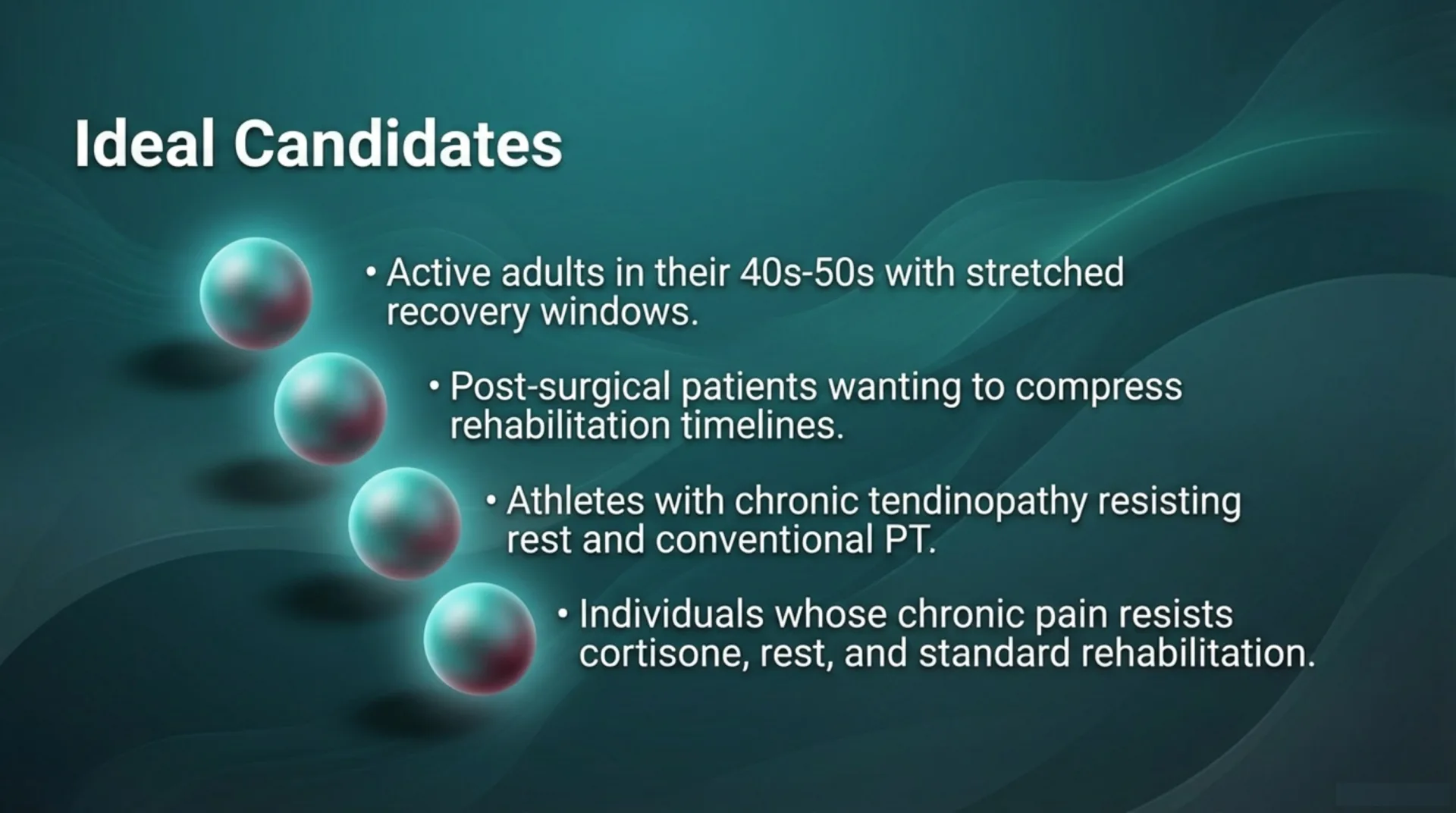
If you’re dealing with a stubborn tendon or ligament injury that hasn’t responded to rest, PT, or cortisone — the kind that improves temporarily then returns — the blend’s dual approach to vascularization and cell mobilization addresses the biological bottleneck that conventional approaches often can’t reach.
If you’re recovering from surgery and want to compress your rehabilitation timeline, the accelerated tissue repair and collagen deposition both peptides drive can complement your PT program.
If you’re an active adult in your 40s or 50s and your recovery window has expanded from days to weeks — injuries that used to resolve on their own now linger — the blend addresses the age-related decline in repair capacity at the cellular level.
If you’re dealing with gut health challenges alongside musculoskeletal complaints, BPC-157’s gastric origin and cytoprotective properties provide a unique dual benefit.
If you’re already healthy and pursuing peak performance — faster turnover between training sessions, reduced microtrauma accumulation, proactive tissue maintenance — the blend supports the biological infrastructure of recovery.
Your Zvia provider in Lakewood, Colorado would review your labs, your injury history, your recovery goals, and any contraindications to determine if this protocol fits your specific situation. This starts with a conversation, not a prescription.
What Does a Wolverine Blend Protocol Involve?
Subcutaneous Injection (SQ)
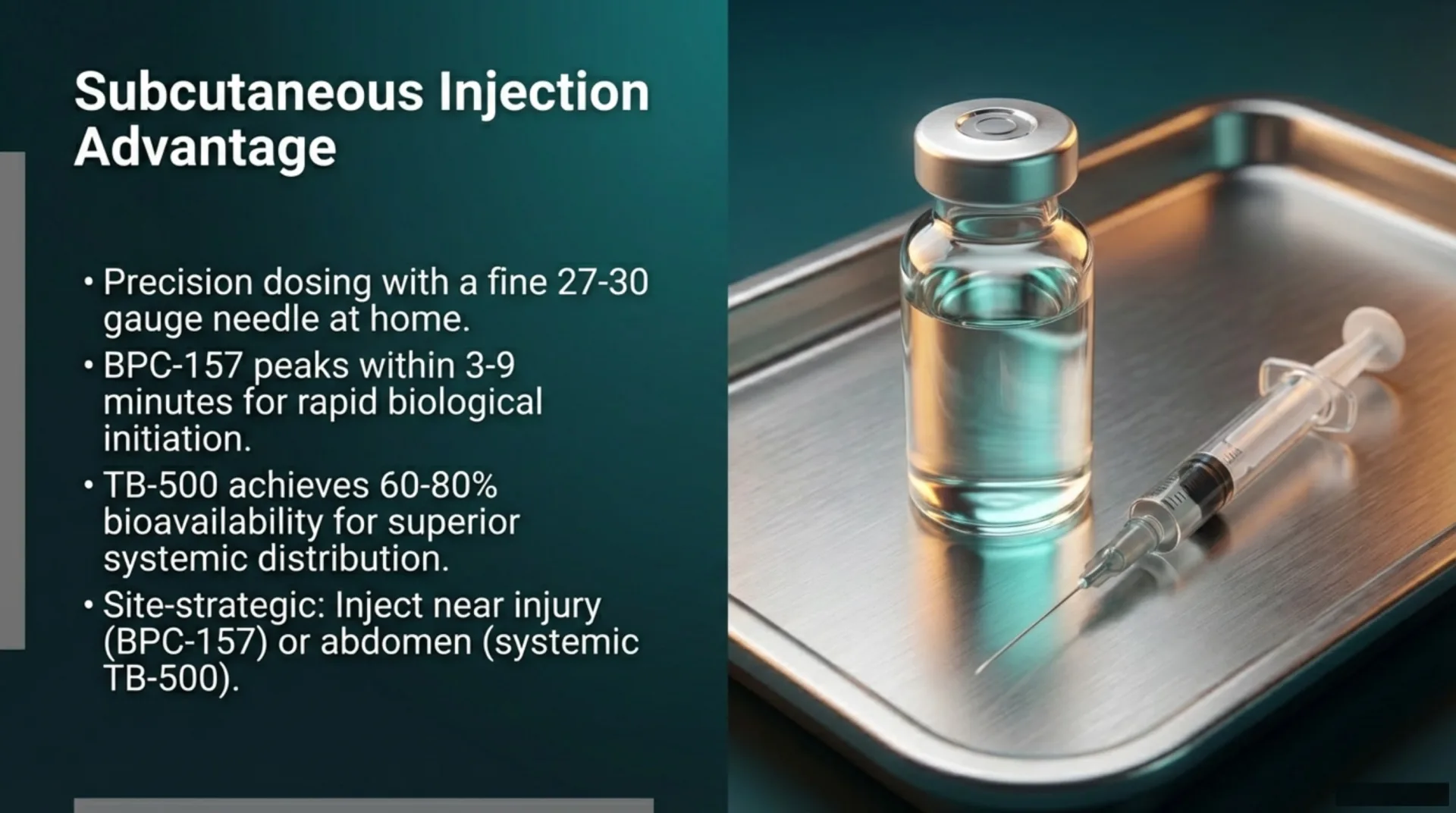
The Wolverine Blend is administered via subcutaneous injection using a fine 27-30 gauge insulin syringe — the same type used for everyday insulin administration. The injection is self-administered at home after your provider trains you on proper technique.
Administration: The blend vial is reconstituted with bacteriostatic water. Your provider determines the optimal concentration and dosing. A typical protocol starts at 600 mcg total daily (300 mcg of each peptide) during the first two weeks, increases to 800 mcg during weeks 3-4, then returns to 600 mcg for maintenance through weeks 5-8+. Standard cycles run 8-12 weeks with a washout period following 9.
Injection sites rotate between the abdomen, thighs, upper arms, and flank. For localized injuries, injecting near the injury site maximizes BPC-157’s local vascular-building effects. For systemic recovery, abdominal injection provides broad distribution for TB-500’s body-wide action. Your provider guides site selection based on your specific goals.
Absorption: BPC-157 reaches peak absorption within 3-9 minutes 3. TB-500 peaks at 30-60 minutes with significantly higher bioavailability (60-80% vs. BPC-157’s 14-51%) 4. Despite BPC-157’s rapid plasma clearance, its biological effects persist for weeks due to the gene expression cascades it initiates within minutes of administration 3.
Lifestyle Protocol Integration
Your Zvia provider integrates these as essential protocol components — not optional add-ons:
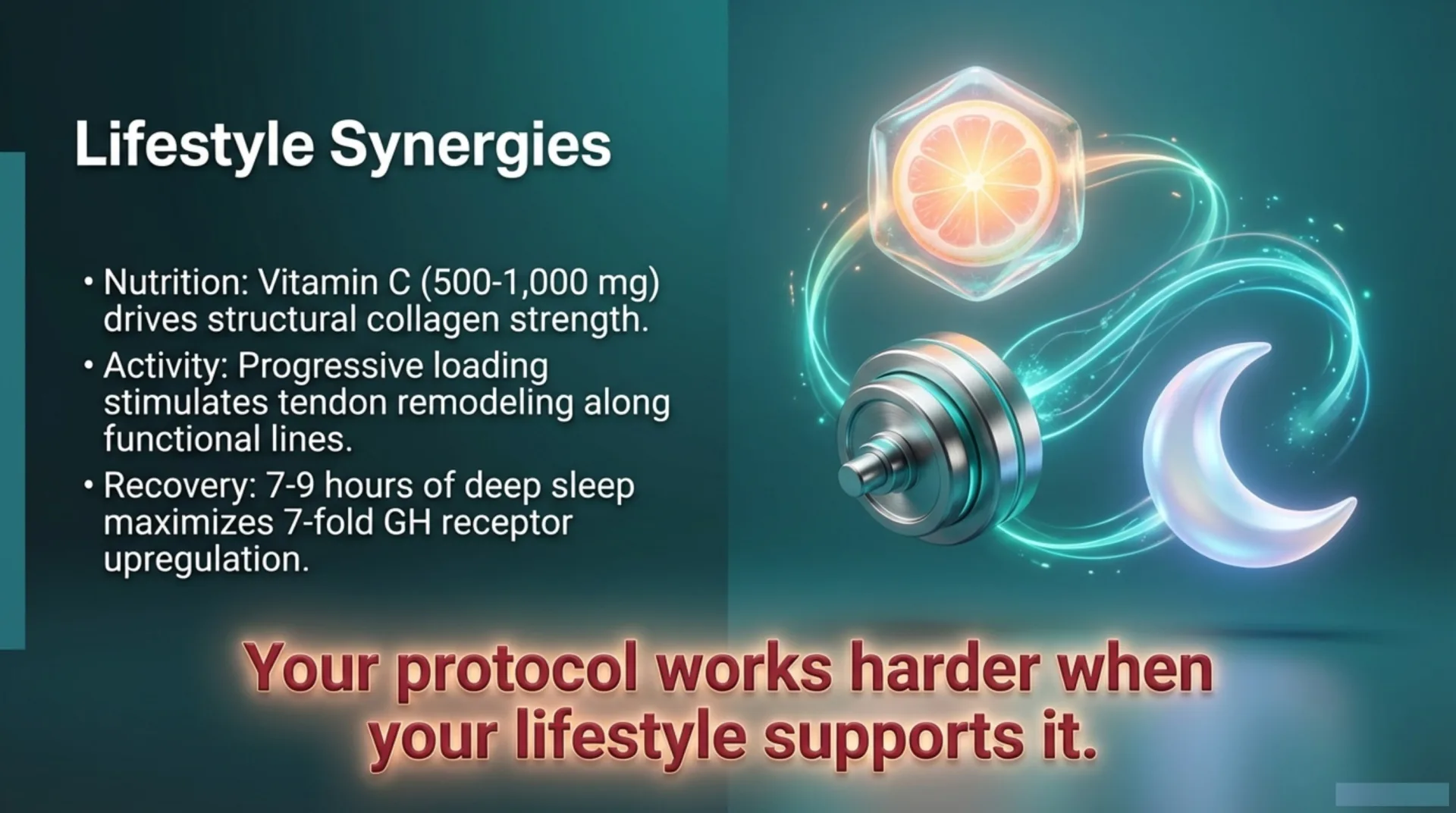
Vitamin C (500-1,000 mg daily) is the critical collagen biosynthesis cofactor. Both peptides accelerate collagen deposition, but without adequate vitamin C, the collagen produced lacks structural integrity. Collagen peptides (Types I and III) provide the raw amino acid substrates — proline, glycine, hydroxyproline — that match the construction signals the peptides are sending. Protein adequacy (1.2-1.6 g/kg body weight) ensures sufficient substrate for the accelerated tissue repair.
Sleep optimization may be the single most important lifestyle factor for this protocol. BPC-157 upregulates GH receptors up to 7-fold in healing tissues 2, but that priming is only maximally exploited when growth hormone is available — and GH release peaks during deep sleep. Published research points to 7-9 hours of consistent, quality sleep as a key driver of faster, more robust recovery.
Progressive activity — gentle mobility early, controlled loading as healing advances — complements BPC-157’s fibroblast activation by providing the mechanical signals that guide tissue remodeling along functional lines. Physical therapy integration significantly improves outcomes versus peptides alone.
Zvia’s Approach to Regenerative, Dual-Peptide Protocols
A blend like this — two peptides with complementary mechanisms, different half-lives, and distinct tissue affinities — was never meant to be a simple “take this and wait” protocol. Combining regenerative peptides is a clinical decision, one that requires understanding which biological systems need coordinated support and at what intensity. That’s the standard Zvia holds itself to across regenerative and tissue-repair therapy generally, and it’s the same rigor we’d bring to the Wolverine Blend the moment it’s available under provider-directed protocols.
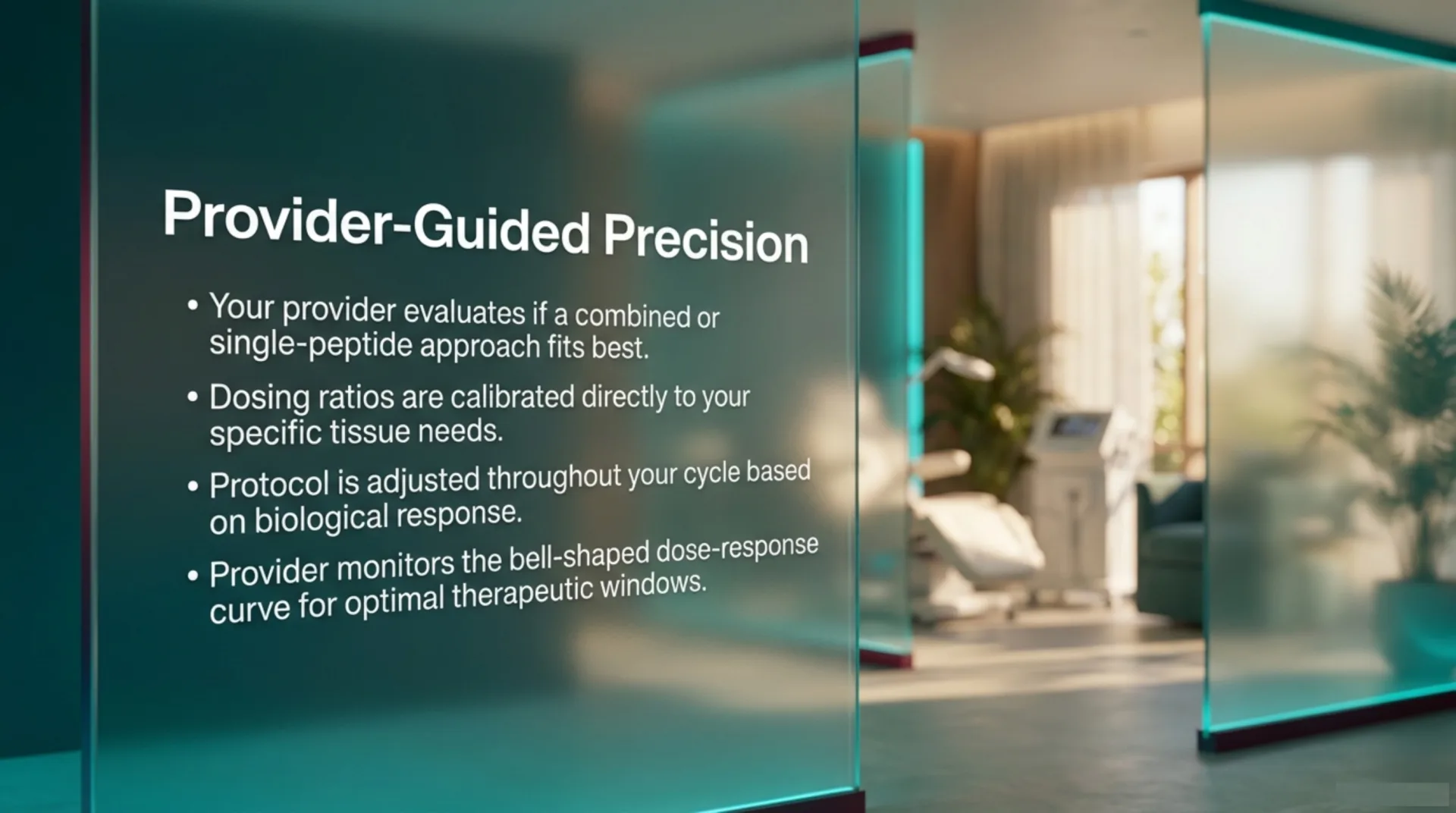
Once available, your Zvia provider wouldn’t hand you a vial and wish you luck. They would evaluate your specific injury or recovery profile, weigh whether a combined approach or a single peptide fits your biology best, and calibrate dosing toward whichever tissue systems need it most — connective tissue, musculoskeletal, or systemic. Peptides like BPC-157 demonstrate a bell-shaped dose-response curve — more is not always better, and excessive dosing can reduce therapeutic effects 5 — which is exactly the kind of nuance that makes provider oversight non-negotiable rather than optional. Your provider would coordinate with your physical therapy team to time progressive loading alongside the protocol, monitoring and adjusting your course based on how your body actually responds.
This is the difference we bring to every tissue-repair and regenerative protocol at Zvia: precision over guesswork, a plan built around your biology instead of a generic recommendation from the internet, and a team that stays engaged in your outcome rather than leaving you to figure it out alone.
Continue exploring
BPC-157: How It Works, What to Expect, and Why Oversight Matters
BPC-157 activates multiple coordinated healing pathways — angiogenesis, collagen synthesis, growth factor signaling — to accelerate tissue repair under clinical supervision at Zvia Weight Loss & MedSpa in Lakewood, CO.
What Is Peptide Therapy? A Provider's Perspective
An evidence-based overview of therapeutic peptides — how they work, what they signal in the body, and why provider oversight matters — at Zvia Weight Loss & MedSpa in Lakewood, CO.
TB-500: Accelerating Your Body's Natural Repair
TB-500 (Thymosin Beta-4) is a naturally occurring peptide that promotes cell migration, tissue repair, and recovery — supporting healing of muscles, tendons, and ligaments under provider supervision at Zvia Weight Loss & MedSpa in Lakewood, CO.
Educational purposes only. Provider-supervised protocols required. Results may vary based on individual biological response.
Common questions about BPC-157/TB-500
Is the Wolverine Blend safe?
How long does the Wolverine Blend take to work?
What makes the Wolverine Blend different from using BPC-157 or TB-500 alone?
How is the Wolverine Blend administered?
Who is a good candidate for the Wolverine Blend?
Contact us to discuss your options — including therapies not yet listed here.
References
- 1. Emerging Use of BPC-157 in Orthopaedic Sports Medicine: A Systematic Review . (2025).
- 2. Chang CH et al. BPC-157 Enhances Growth Hormone Receptor Expression in Tendon Fibroblasts . (2014).
- 3. Pharmacokinetics, Distribution, Metabolism, and Excretion of BPC-157 in Rats and Dogs . (2022).
- 4. Progress on the Function and Application of Thymosin Beta-4 . (2021).
- 5. Regeneration or Risk? A Narrative Review of BPC-157 for Musculoskeletal Healing . (2025).
- 6. Phase I Study of Recombinant Human Thymosin Beta-4 in Chinese Volunteers . (2021).
- 7. Promoting Effect of BPC-157 on Tendon Healing: Outgrowth, Cell Survival, Migration . (2010).
- 8. Lee K, Padgett D Combined BPC-157 and Thymosin Beta-4 Intraarticular Knee Injection Study. (2021).
- 9. BPC-157 and TB-500: Background, Indications, Efficacy, and Safety . GlobalRPh (2025).