Not Currently Offered — Educational Only
BPC-157 was recently removed from the FDA's Category 2 restricted list and is under review for inclusion on the FDA's 503A Bulk Drug Substances List following the agency's July 2026 advisory committee meeting. Until that determination is final, this page is educational only and does not represent a treatment currently available through Zvia.
When Your Body Needs Help Healing From Within
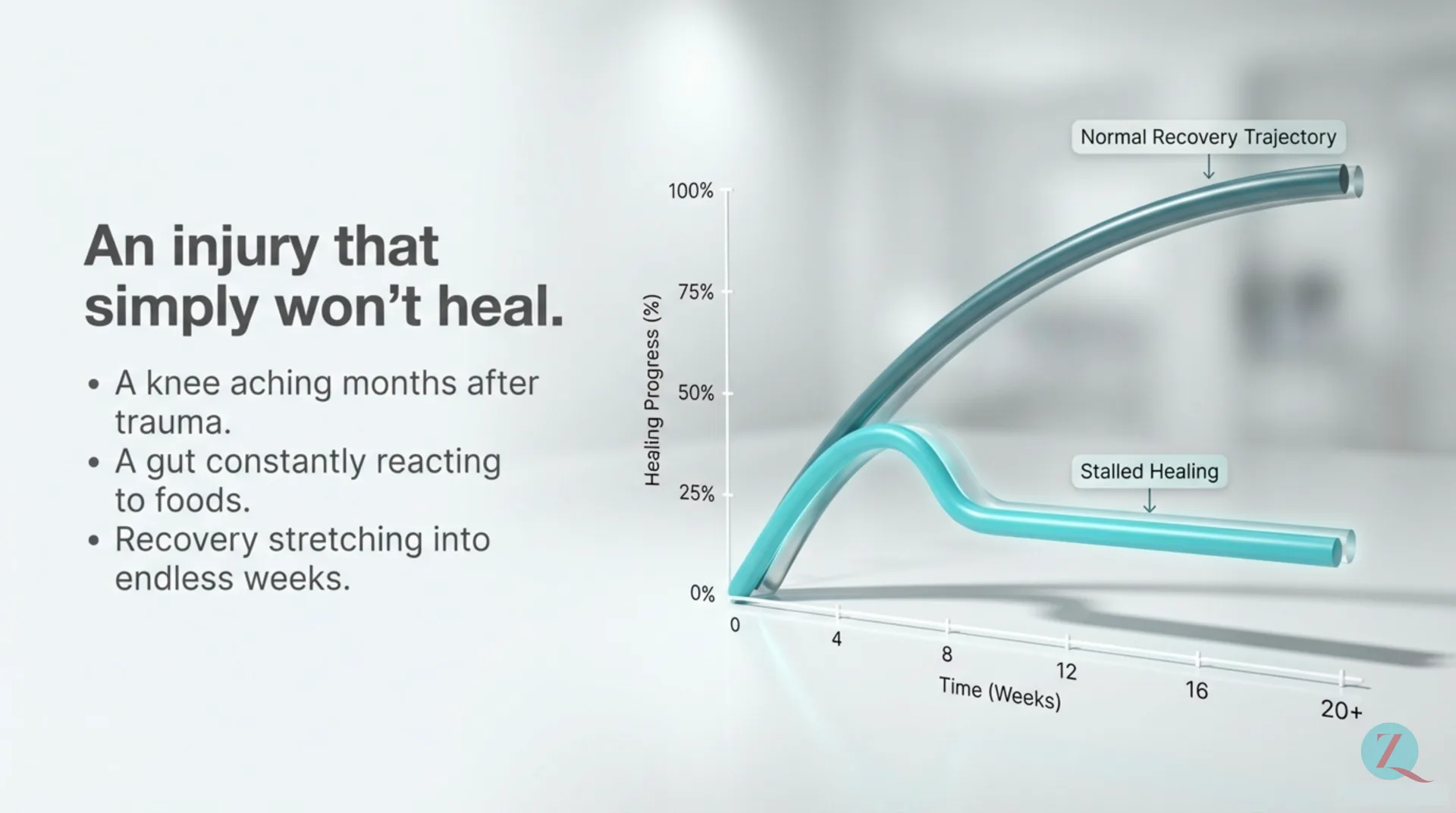
You remember when you bounced back. A workout didn't sideline you for days. A minor injury didn't linger for months. Recovery used to be fast.


19-minute audio overview — how BPC-157 works, delivery methods, and your expected timeline
What Is BPC-157?
You’ve been dealing with something that won’t resolve — a nagging tendon injury that flares every time you push through a workout, gut issues that make every meal a calculation, or persistent joint stiffness that’s quietly stealing your momentum. You’ve tried rest, the standard anti-inflammatory route, maybe even adjusted your training and diet — and something still isn’t right. The frustrating part isn’t the pain itself. It’s that your body seems stuck in a cycle of incomplete healing, and nothing you’ve tried has broken through it.
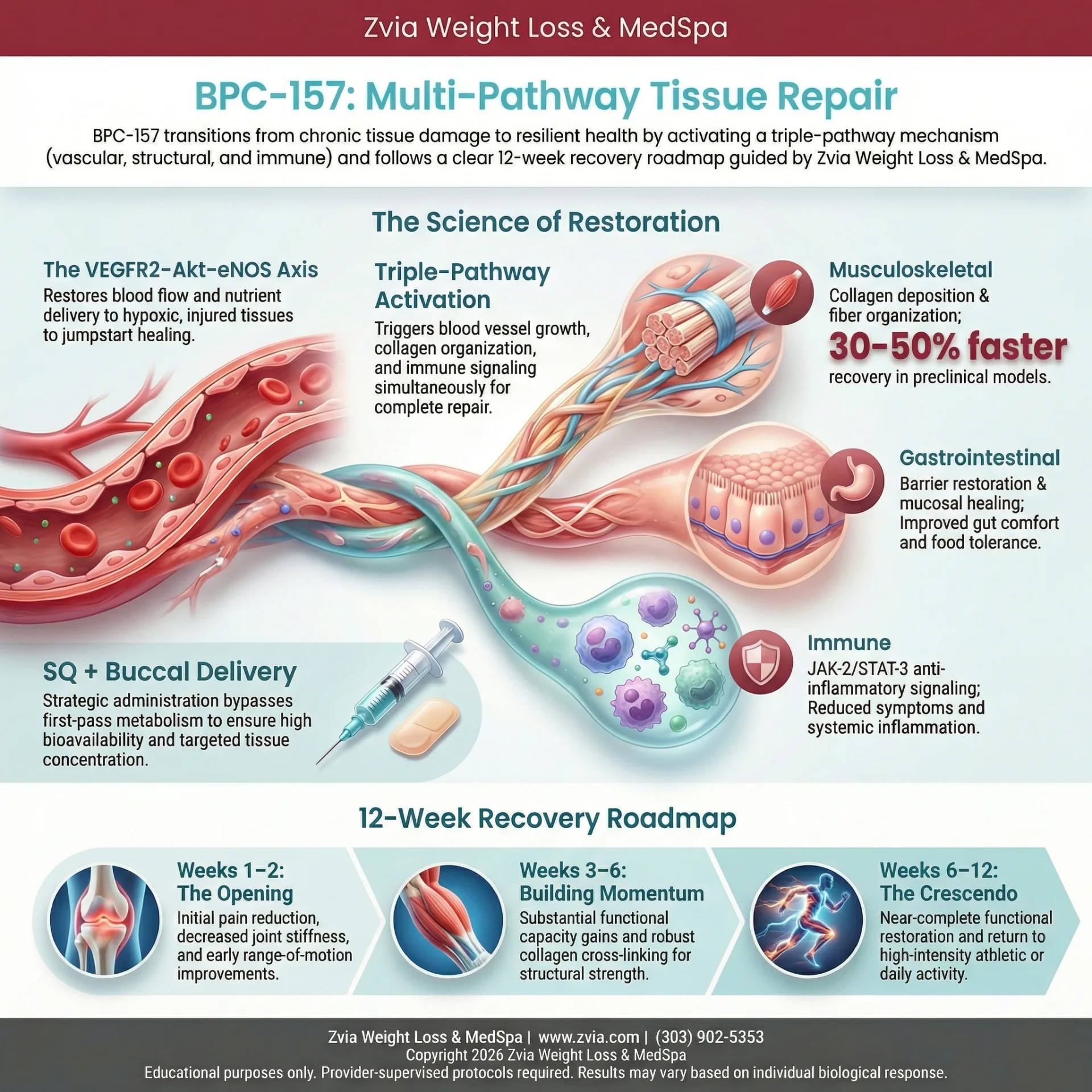
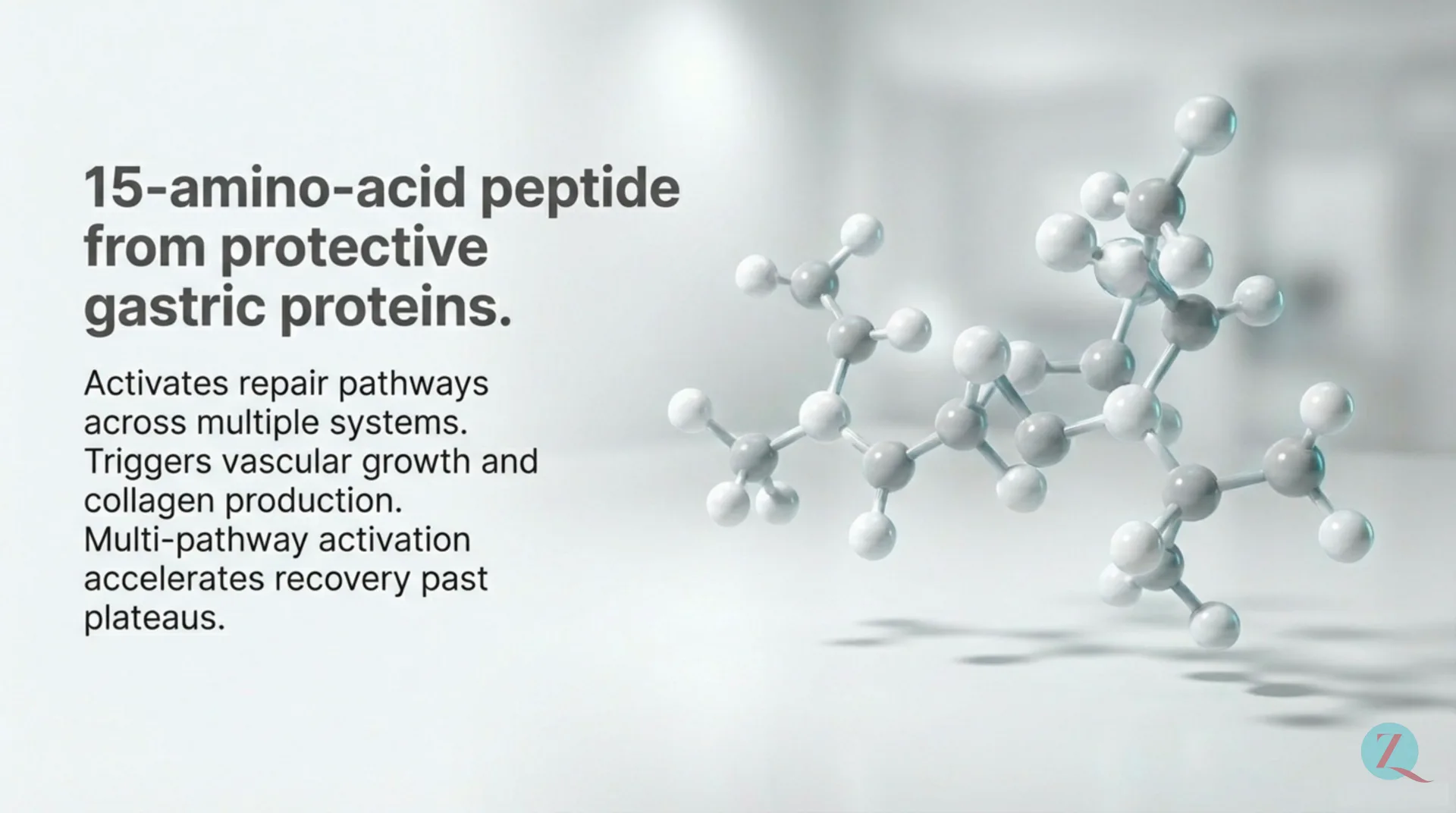
BPC-157 (Body Protection Compound-157) is a 15-amino-acid peptide originally isolated from protective protein fragments found in human gastric juice. Your body naturally produces these peptides in small quantities as part of its gastrointestinal defense system. What makes BPC-157 remarkable is its capacity to activate multiple tissue repair pathways simultaneously — vascular, structural, and immune — across tissue types that extend well beyond the gut where it was first discovered.
BPC-157 is not a painkiller or a traditional anti-inflammatory. It’s a biological repair signal that initiates and coordinates the cascading processes your body uses to rebuild damaged tissue from the ground up.
How Does It Work?
BPC-157 operates through several interconnected signaling pathways that converge on a unified outcome: robust tissue repair, new blood vessel formation, cellular survival, and inflammation resolution.
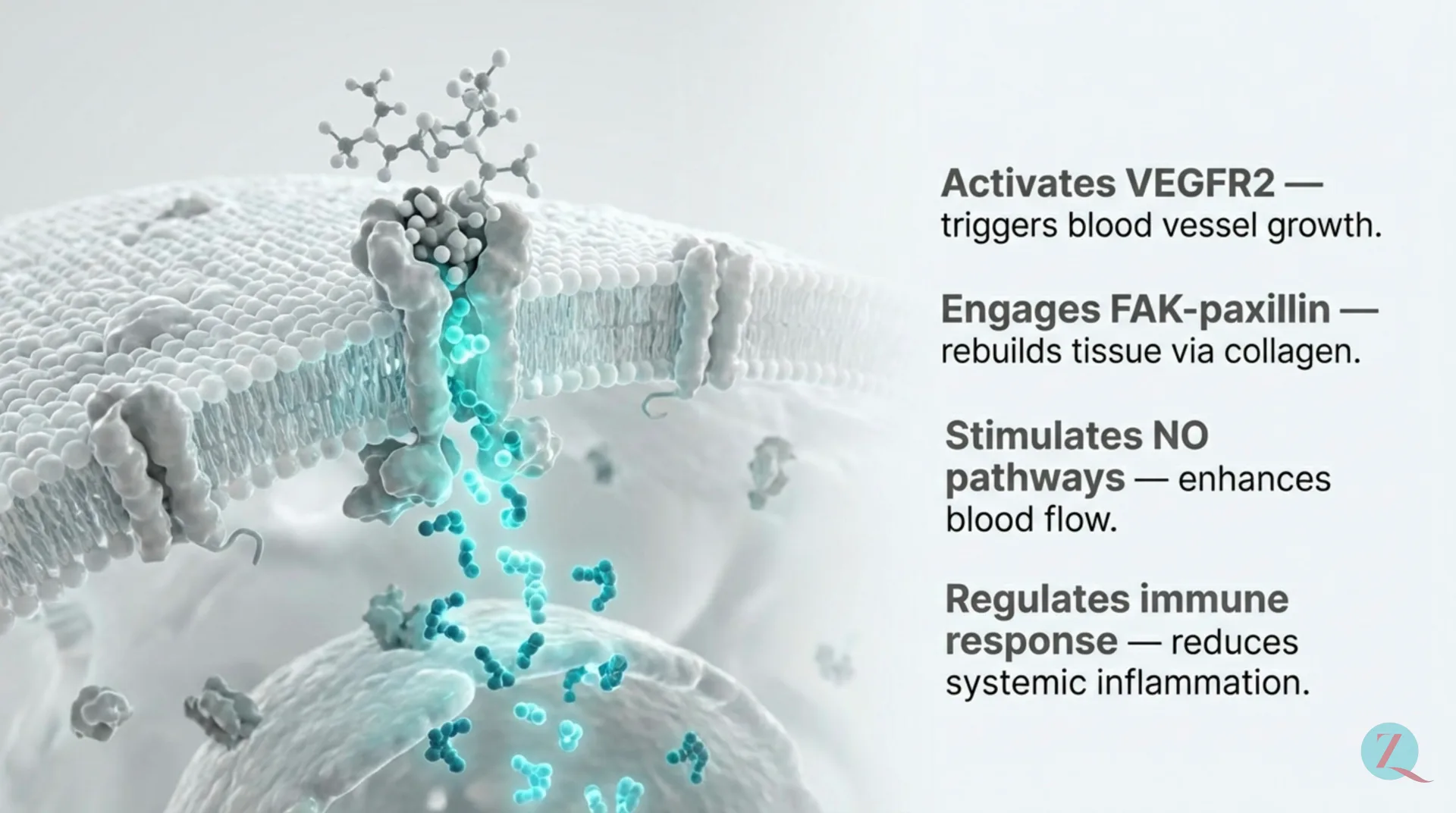
The primary mechanism centers on the VEGFR2–PI3K–Akt–eNOS axis. When BPC-157 engages vascular endothelial growth factor receptor 2 (VEGFR2) on the surface of blood vessel cells, it triggers a cascade that culminates in nitric oxide (NO) production — the master signal for vascular expansion and tissue healing 2. This process opens blood flow to injured areas, delivering oxygen, growth factors, and immune cells to tissue that’s been starved of what it needs to rebuild. BPC-157 also activates a parallel, VEGF-independent route through Src and caveolin-1 proteins, providing a second pathway to NO production that functions even when the primary route is partially compromised 2.
Beyond vascular expansion, BPC-157 activates ERK1/2 signaling in both fibroblasts and endothelial cells, driving cell proliferation, migration, and the formation of new vascular networks 2. In tendon fibroblasts specifically, BPC-157 upregulates FAK and paxillin — scaffolding proteins that organize how cells attach to the extracellular matrix and migrate into injury zones 7. This is what guides newly deposited collagen fibers into organized, load-bearing alignment rather than disorganized scar tissue.
One of the most significant discoveries is BPC-157’s effect on growth hormone receptor (GHR) expression. Research has shown that GHR is one of the most abundantly up-regulated genes in tendon fibroblasts treated with BPC-157, with expression increasing in a dose- and time-dependent manner at both the mRNA and protein levels 5. This primes tendon cells to respond more effectively to circulating growth hormone, amplifying the body’s own anabolic repair signals. The downstream pathway — JAK2 activation — was confirmed to increase time-dependently when BPC-157-treated fibroblasts were stimulated with growth hormone 5.
BPC-157 also modulates the immune environment through the JAK-2/STAT-3 cascade, upregulating anti-inflammatory cytokines while suppressing pro-inflammatory signals (TNF-α, IL-6, COX-2, myeloperoxidase) that keep tissue trapped in chronic inflammation 2, 4. It extends into the nervous system as well, modulating dopamine and adrenergic balance 4.
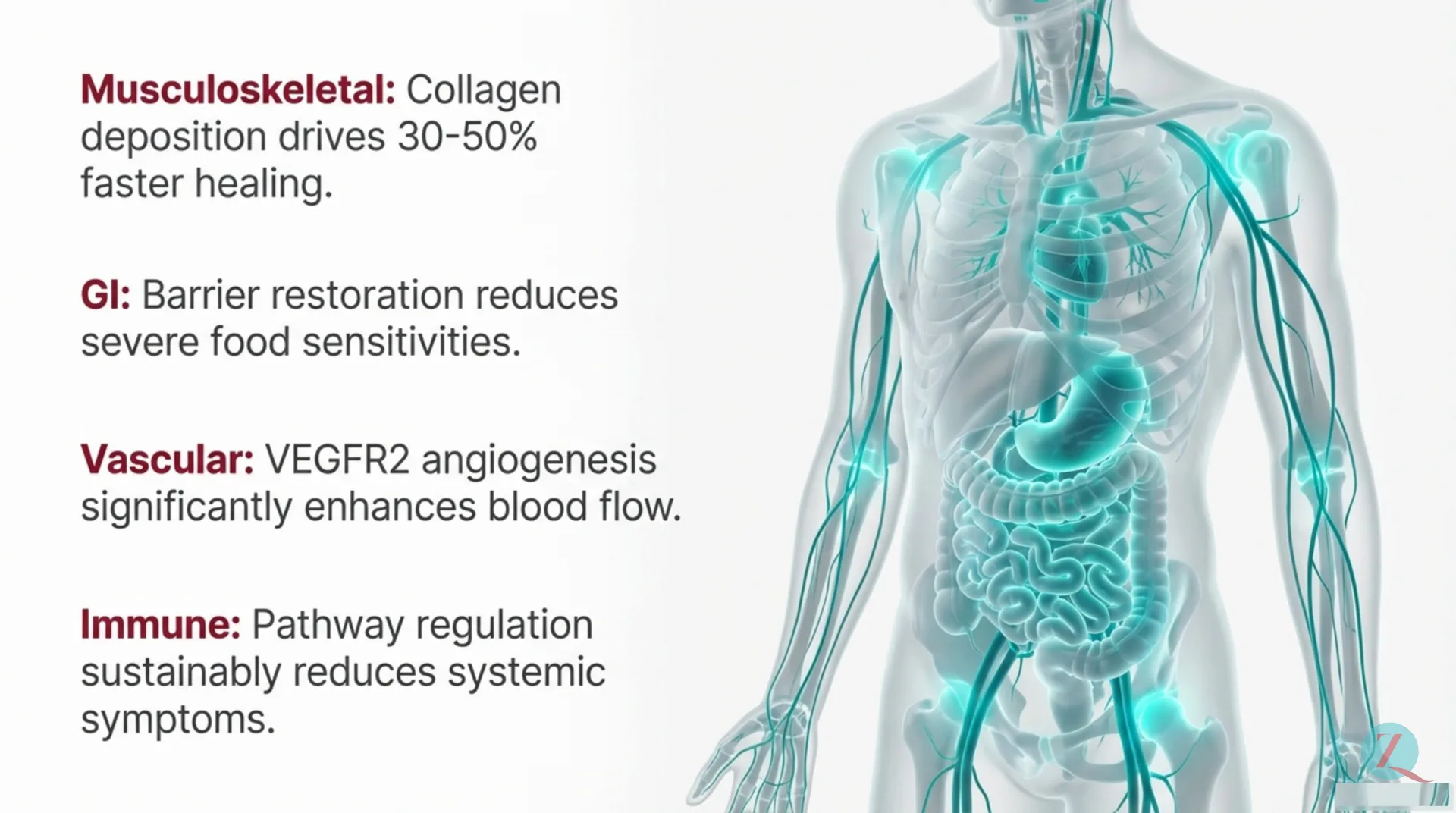
The result is a coordinated repair program — vascular, structural, and immune systems activated in concert.
What Are the Benefits of BPC-157?
Accelerated Musculoskeletal Repair
BPC-157 has demonstrated improved functional, structural, and biomechanical outcomes across muscle, tendon, ligament, and bone injuries in preclinical models 1. It significantly accelerates tendon outgrowth and promotes healing through enhanced cell survival and directed cell migration into injury zones 7. In one human pilot study, 7 of 12 patients with chronic knee pain reported relief lasting over six months following a single intra-articular injection 1.
Robust Angiogenesis and Vascular Support
Through dual NO pathways, BPC-157 drives new blood vessel formation and stabilizes existing vascular networks 2, 10. It acts protectively on endothelium and can counteract vessel occlusion by rapidly activating collateral pathways 3, 10. Enhanced blood flow is foundational — without it, fibroblasts can’t deposit collagen and healing stalls.
Gastrointestinal Healing and Cytoprotection
BPC-157 protects gastric cells and maintains intestinal integrity against damage from alcohol, NSAIDs, and other noxious agents 8. It rescues NSAID-induced cytotoxicity by stabilizing intestinal permeability and enhancing cytoprotective mechanisms 9. The peptide remains stable in human gastric juice for over 24 hours 8, and has been studied in inflammatory bowel disease clinical trials with no reported toxicity 8.
Growth Hormone Receptor Amplification
By upregulating GHR expression in tendon fibroblasts — one of the most abundantly affected genes in microarray analysis — BPC-157 potentiates the body’s own growth hormone signaling for tissue repair 5. This means your naturally circulating growth hormone works harder at the injury site, amplifying collagen synthesis and anabolic recovery.
Anti-Inflammatory Modulation
Rather than simply suppressing inflammation (the way NSAIDs do), BPC-157 shifts the immune response toward resolution. It reduces TNF-α, IL-6, COX-2, and myeloperoxidase levels 2 while upregulating protective factors like heme oxygenase-1 (HO-1) and heat shock proteins that preserve cellular integrity 2, 4. It acts as a free radical scavenger with neuroprotective properties 10.
Neuroprotective Support
BPC-157 modulates dopamine signaling, restores glutamatergic balance after NMDA receptor overactivation, and counteracts adrenergic dysfunction 4 — supporting recovery from pain-related neural sensitization and the improved sleep and energy this mechanism is expected to produce.
How Long Does BPC-157 Take to Work?
All timeframes below are informed by preclinical models and published clinical research. Individual response varies by tissue type, injury severity, age, and lifestyle compliance. A provider-directed protocol would set realistic expectations based on your specific situation.
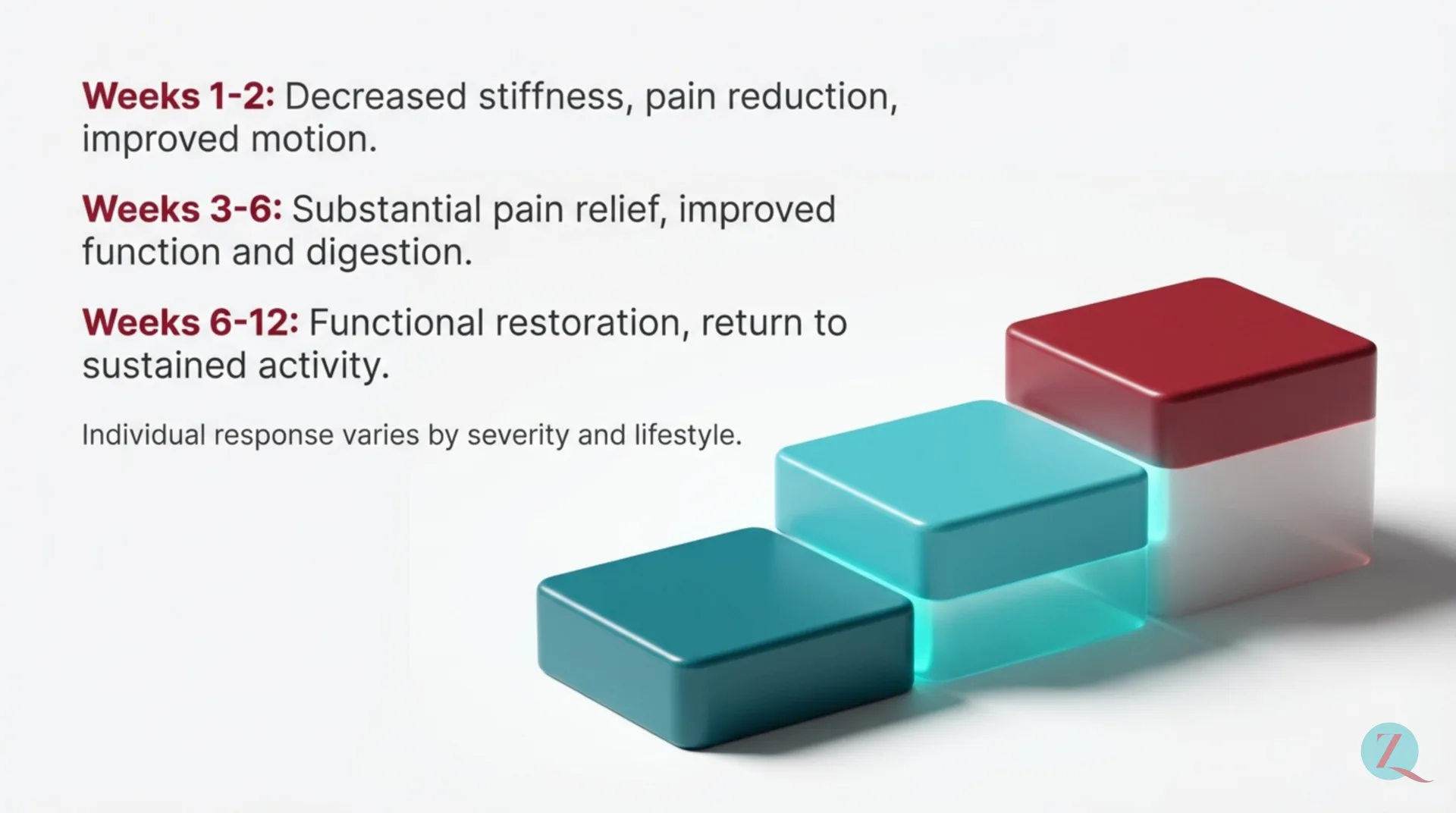
The Opening (Weeks 1–2)
The VEGFR2–eNOS axis activates, increasing blood flow to injured tissue. Inflammatory markers begin to decrease as JAK-2/STAT-3 signaling shifts the immune environment toward resolution. Early fibroblast recruitment and GHR upregulation lay the groundwork for structural repair 5.
What you’ll notice: Meaningful reduction in resting pain as inflammatory markers decrease. Decreased morning stiffness. Early digestive comfort if gut healing is a goal. Improved sleep from reduced inflammatory burden. The tissue is responding, but structural rebuilding is just beginning — this is not the time to push hard.
Building Momentum (Weeks 3–6)
Collagen synthesis accelerates as fibroblasts deposit and cross-link new structural matrix. The vascular network expands robustly. Growth factor signaling becomes self-sustaining as activated cells produce their own VEGF, FGF, and PDGF 2, 5. In animal tendon models, tensile strength recovery reaches 50–70% of native tissue by Week 6.
What you’ll notice: Substantial pain reduction as collagen cross-linking restores structural support. Tasks and movements that were painful become manageable, then comfortable. Sustained digestive improvements. A palpable sense of momentum across multiple domains. Preclinical tissue recovery models suggest that individuals who are consistent with dosing and sleep optimization can typically expect to reach meaningful improvement within the first four to six weeks. A provider-directed protocol would adjust activity progression to match.
The Crescendo (Weeks 6–12)
Collagen fibers mature into organized, cross-linked architecture. Type I collagen (stronger, load-bearing) replaces the earlier Type III collagen. The vascular network stabilizes fully. Tissue resilience approaches — and in many cases exceeds — pre-injury capacity.
What you’ll notice: Near-complete functional restoration. Return to full activity including sport-specific movements. Sustained energy and wellness improvement. The tissue has been fundamentally rebuilt — not patched. Chronic injuries may require extended timelines, with modest initial gains before accelerating.
Is BPC-157 Right for You?
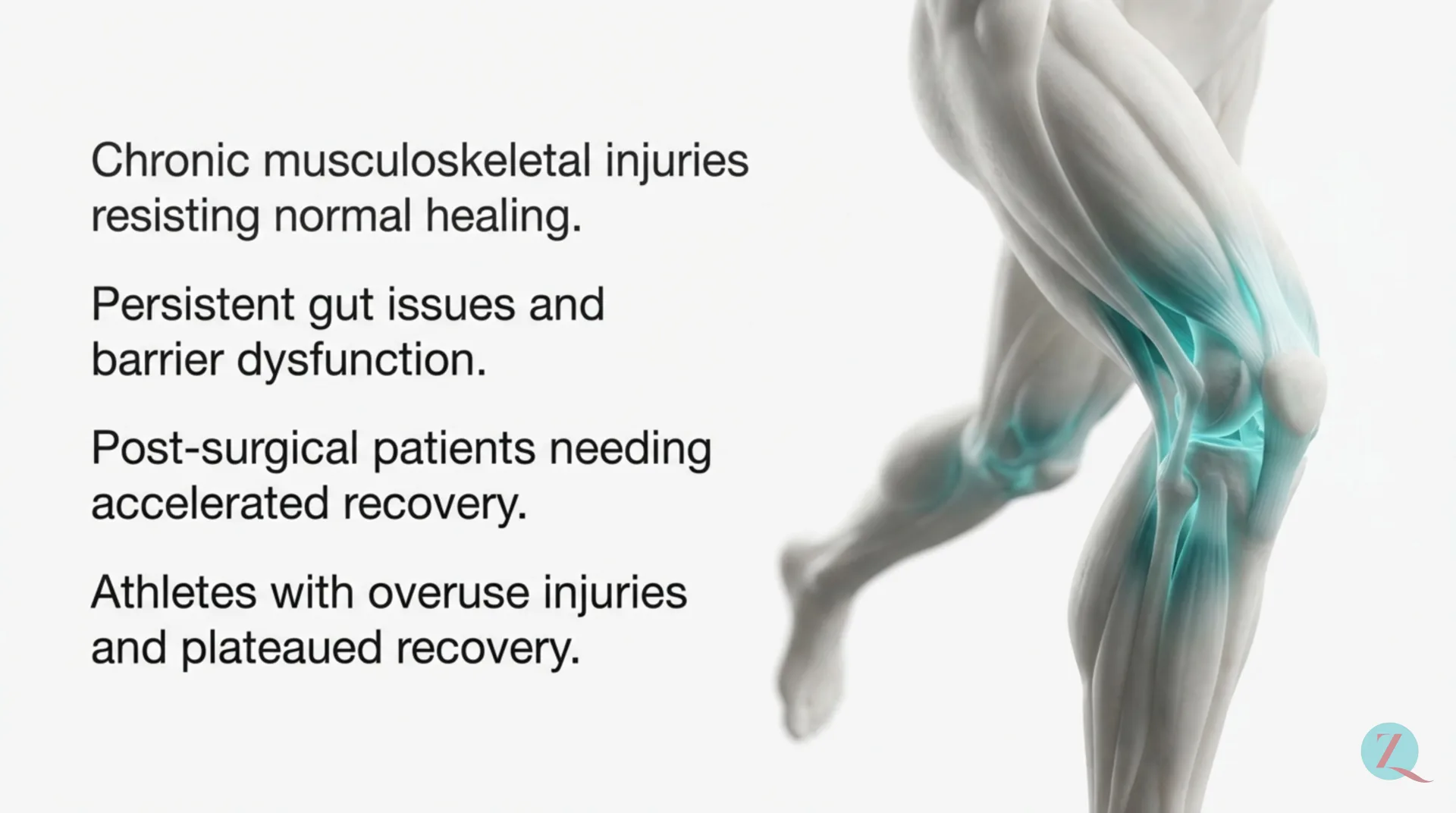
If you’ve been dealing with a tendon injury, ligament strain, or joint issue that hasn’t resolved despite conventional treatment — you’ve done the physical therapy, you’ve rested, and you’re still limited — BPC-157 may address what those approaches couldn’t: the biological repair signals that weren’t firing strongly enough.
If you’re managing gut issues — NSAID-related damage, persistent digestive discomfort, compromised intestinal barrier function — BPC-157’s cytoprotective mechanisms target underlying tissue integrity, not just symptoms.
If you’re already healthy and pursuing performance optimization — faster recovery, improved tissue resilience, enhanced vascular support — BPC-157’s multi-pathway activation amplifies what your body is already doing well.
BPC-157 is not appropriate for everyone. Active cancer, uncontrolled autoimmune disease, severe hypotension, and certain cardiovascular conditions are contraindications. Competitive athletes should be aware that BPC-157 appears on prohibited substance lists. Your Zvia provider in Lakewood, Colorado would evaluate your labs, your history, your medications, and your goals to determine whether BPC-157 is the right fit — and which delivery method serves you best.
What Does a BPC-157 Protocol Involve?
Delivery Methods
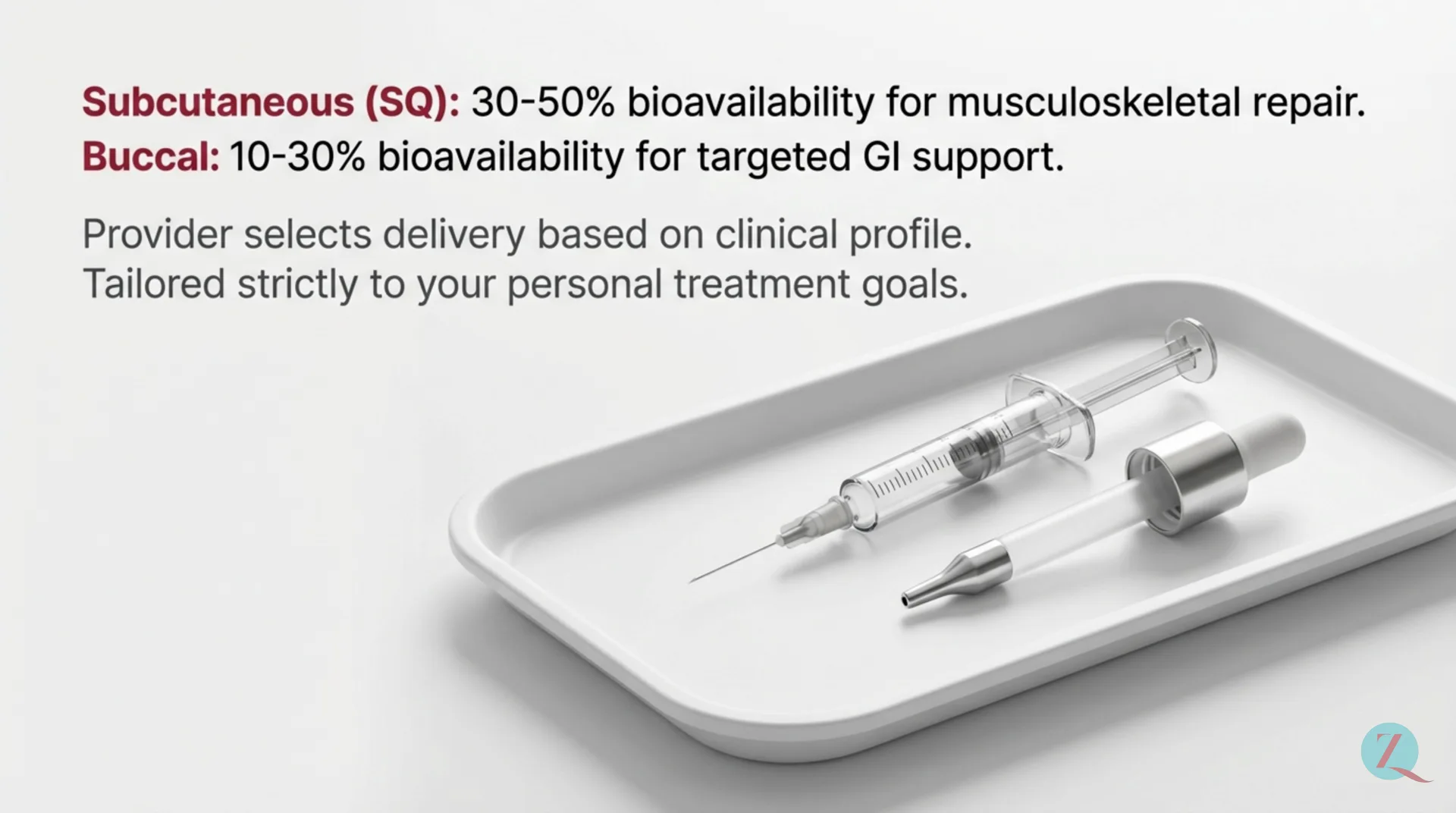
Your Zvia provider selects between two delivery routes based on your clinical presentation and goals:
| Method | Bioavailability | Key Advantage | Best For |
|---|---|---|---|
| Subcutaneous (SQ) | Estimated 30–50% | High local tissue concentration via depot effect; avoids first-pass metabolism | Localized musculoskeletal injury — tendon, ligament, joint |
| Buccal | Lower than SQ (specific data limited) | Non-invasive; bypasses stomach acid; direct mucosal contact supports oral/GI healing | Gastrointestinal healing; needle-averse clients; systemic support |
Subcutaneous injection deposits BPC-157 into a localized tissue depot absorbed via local capillaries. Peak plasma concentration occurs approximately 9 minutes post-injection, with linear pharmacokinetics across tested dose ranges 6. The depot effect provides sustained local release even though circulating half-life is under 30 minutes 6.
Buccal administration places BPC-157 against the oral mucosa, absorbed through the rich capillary network beneath the tongue. This route bypasses stomach acid degradation and first-pass hepatic metabolism — well-suited for gastrointestinal healing goals or clients who prefer a non-invasive option.
The short circulating half-life doesn’t limit effectiveness. Once BPC-157 activates the VEGFR2 cascade and initiates growth factor signaling, these processes become self-sustaining 5. The peptide triggers the repair program; your body’s own systems amplify it.
Lifestyle as Treatment
BPC-157’s tissue repair cascades depend on what you bring to the protocol. Your Zvia provider integrates four lifestyle domains as integral treatment components — not optional add-ons:
Nutrition supplies the raw materials: vitamin C for collagen cross-linking, zinc for matrix remodeling enzymes, omega-3 fatty acids for inflammation resolution, and adequate protein (1.6–2.2 g/kg daily) for collagen substrate. Without these building blocks, even activated fibroblasts can’t build strong tissue.
Activity is prescribed in three progressive phases — gentle movement (Weeks 1–3), progressive loading (Weeks 3–8), then sport-specific return (Weeks 8–12+). Mechanical loading directs collagen alignment; without it, new tissue is disorganized and weak.
Sleep is when growth hormone does its heaviest work. GH secretion peaks during deep and REM sleep — the same growth hormone that BPC-157 has primed your fibroblasts to respond to 5. Seven to nine hours nightly, with consistent timing, directly amplifies healing outcomes.
Stress management keeps cortisol from undermining your progress. Elevated cortisol suppresses the very JAK-2/STAT-3 and Akt signaling pathways that BPC-157 activates. Breathwork, meditation, nature exposure, and genuine rest aren’t wellness extras — they’re biochemical necessities.
Our Approach to Tissue-Repair and Recovery Peptide Therapy
A systematic review of BPC-157 research found 36 studies — 35 preclinical and only 1 clinical 1. That ratio tells you something important about this entire category of regenerative peptides: extraordinary preclinical promise paired with a very early human evidence base. Working with a clinical team that understands both the potential and the limitations is not optional for compounds like this — it’s the difference between a thoughtful, provider-directed protocol and a shot in the dark.
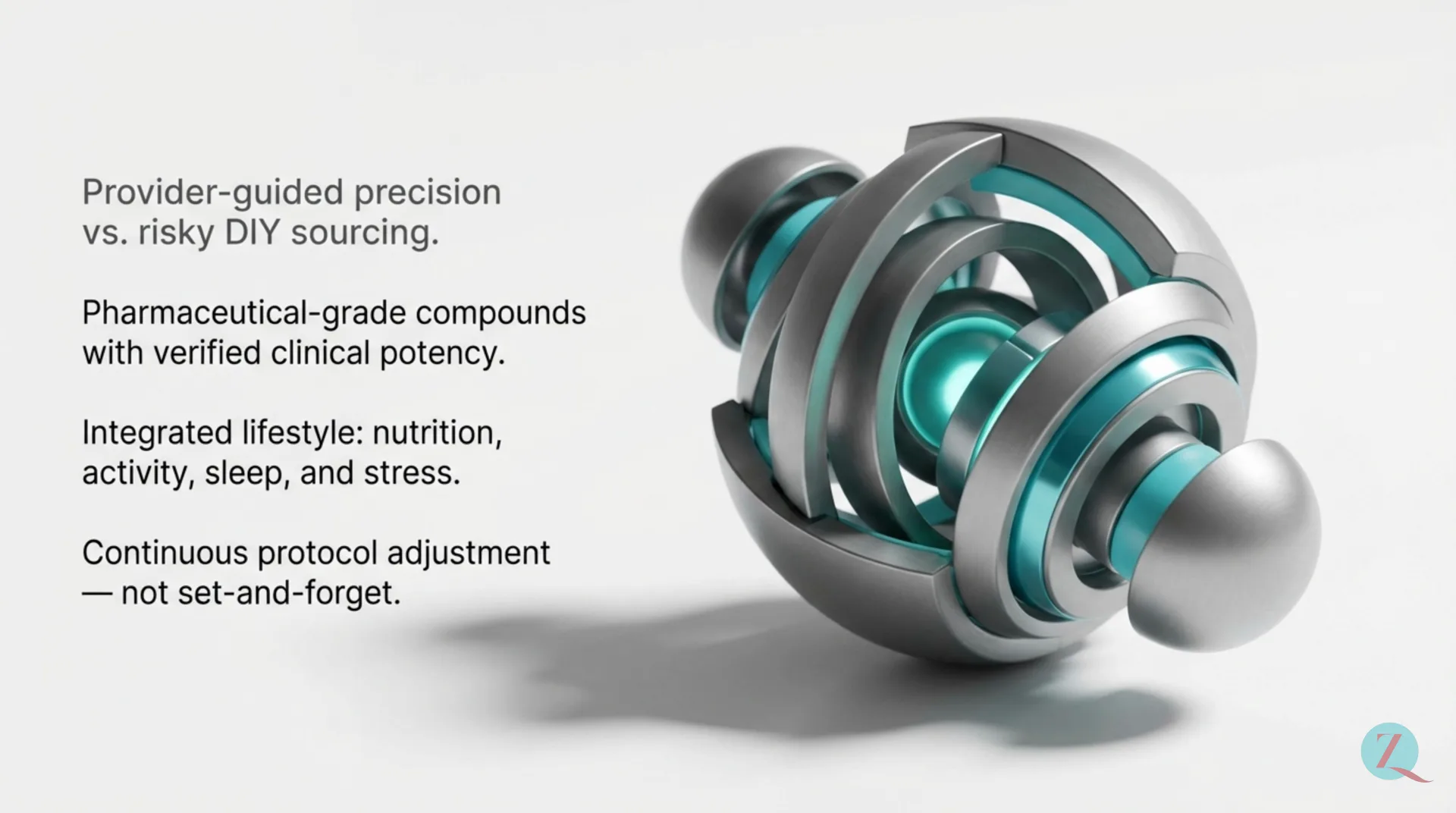
That standard is what guides how Zvia approaches tissue-repair and recovery peptide therapy generally. When a compound like BPC-157 is available through Zvia, your provider would start with comprehensive baseline labs and a thorough clinical evaluation — because that’s how you determine whether a given peptide is right for this specific person, with this specific injury, at this specific moment. They’d evaluate contraindications, review your medications for interactions, and select the delivery method that matches your biology and your goals.
Then they’d stay with you. Progress checks, functional assessment, and return-to-activity evaluation at defined intervals are how a provider-directed protocol adapts to how your body actually responds. Activity progression gets prescribed based on real-time tissue response. Nutrition and sleep are assessed at every visit because they directly determine how well a peptide’s biological signals translate into rebuilt tissue.
This is what precision therapeutics looks like when it’s delivered by people who genuinely know you. The clinical rigor isn’t separate from the caring — it’s the expression of it. Our care team monitors and adjusts because they’re invested in your outcome. They spend real time with you because that’s how good care actually works.
Continue exploring
What Is Peptide Therapy? A Provider's Perspective
An evidence-based overview of therapeutic peptides — how they work, what they signal in the body, and why provider oversight matters — at Zvia Weight Loss & MedSpa in Lakewood, CO.
BPC-157: The Science Behind the Body's Repair Peptide
The Zvia care team breaks down BPC-157 — what it does, how it works, who it's for, and why provider oversight separates real results from internet guesswork.
Educational purposes only. Provider-supervised protocols required. Results may vary based on individual biological response.
Common questions about BPC-157
Is BPC-157 safe?
How long does BPC-157 take to work?
What are the side effects of BPC-157?
How is BPC-157 administered?
Who is a good candidate for BPC-157?
Contact us to discuss your options — including therapies not yet listed here.
References
- 1. Vasireddi N, Hahamyan H, Salata MJ, Karns M, Calcei JG, Voos JE, Apostolakos JM Emerging Use of BPC-157 in Orthopaedic Sports Medicine: A Systematic Review . Sports Health (2025).
- 2. Józwiak M et al. Multifunctionality and Possible Medical Application of the BPC 157 Peptide — Literature and Patent Review . Pharmaceuticals (2025).
- 3. Various Regeneration or Risk? A Narrative Review of BPC-157 for Musculoskeletal Healing . PMC (2025).
- 4. Sikiric P et al. The Stable Gastric Pentadecapeptide BPC 157 Pleiotropic Beneficial Activity and Its Possible Relations with Neurotransmitter Activity . Pharmaceuticals (2024).
- 5. Chang CH, Tsai WC, Lin MS, Hsu YH, Pang JH Pentadecapeptide BPC 157 Enhances the Growth Hormone Receptor Expression in Tendon Fibroblasts . Molecules (2014).
- 6. Xue XC et al. Pharmacokinetics, distribution, metabolism, and excretion of body-protective compound 157, a potential drug for treating various wounds, in rats and dogs . Frontiers in Pharmacology (2022).
- 7. Chang CH, Tsai WC, Hsu YH, Pang JH The promoting effect of pentadecapeptide BPC 157 on tendon healing involves tendon outgrowth, cell survival, and cell migration . Journal of Applied Physiology (2011).
- 8. Sikiric P et al. Stable Gastric Pentadecapeptide BPC 157, Robert's Stomach Cytoprotection/Adaptive Cytoprotection/Organoprotection, and Selye's Stress Coping Response . Gut and Liver (2020).
- 9. Various BPC 157 Rescued NSAID-cytotoxicity Via Stabilizing Intestinal Permeability and Enhancing Cytoprotection . Current Pharmaceutical Design (2020).
- 10. Seiwerth S et al. Stable Gastric Pentadecapeptide BPC 157 and Wound Healing . Frontiers in Pharmacology (2021).