

An audio deep-dive into peptide biology — how these signaling molecules work, why they decline with age, and what that means for your health.
What Is Peptide Therapy?
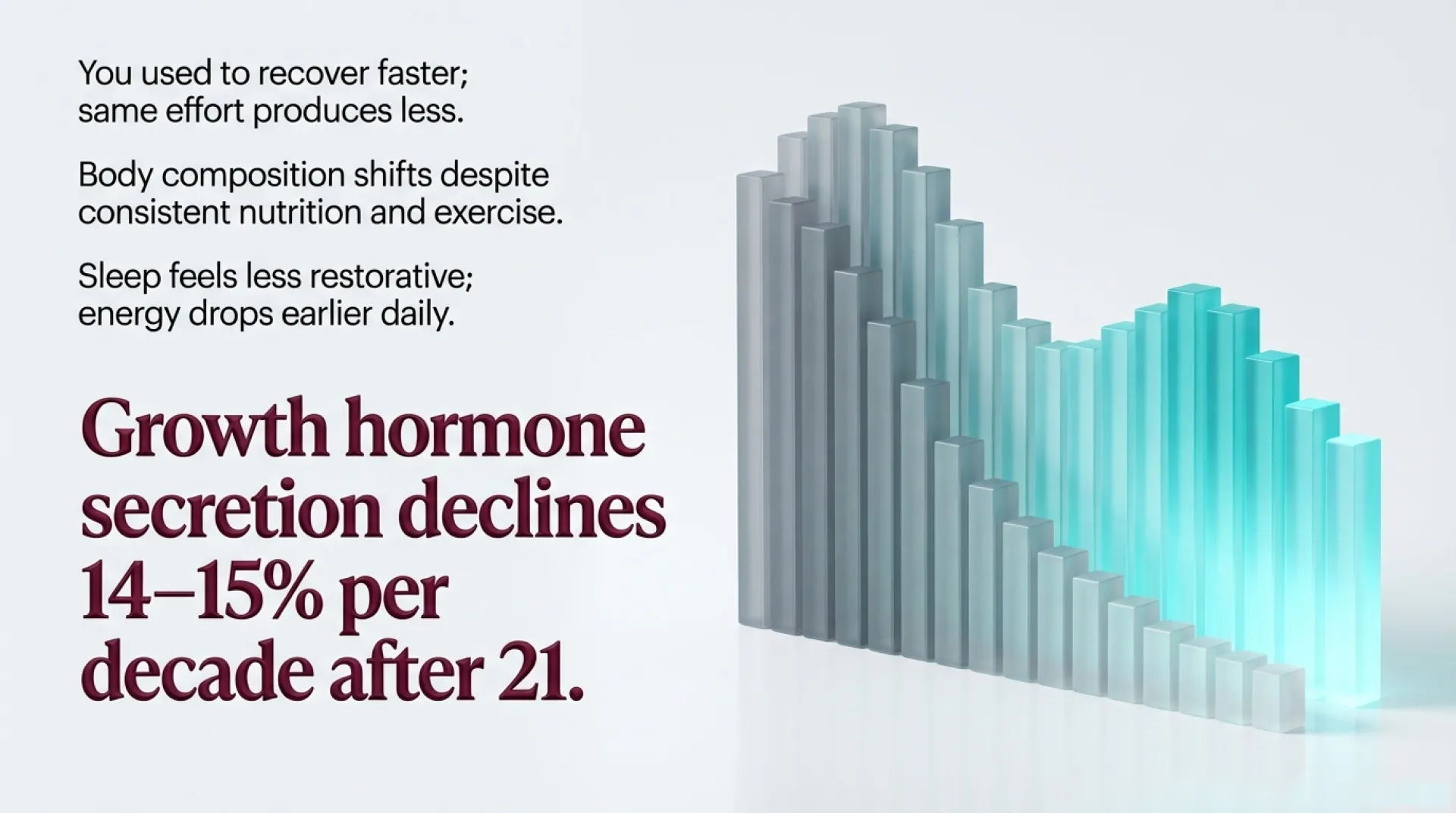
You are doing the things you are supposed to do — eating well, exercising, managing stress — and your body is not responding the way it used to. Recovery takes longer. Energy dips earlier in the day. Sleep does not restore you the way it once did. Your skin heals more slowly, your body composition shifts despite consistent effort, and you cannot quite pinpoint when things changed.
This is not a failure of willpower. It is biology. And at the center of it is a communication system most people have never heard of: peptide signaling.
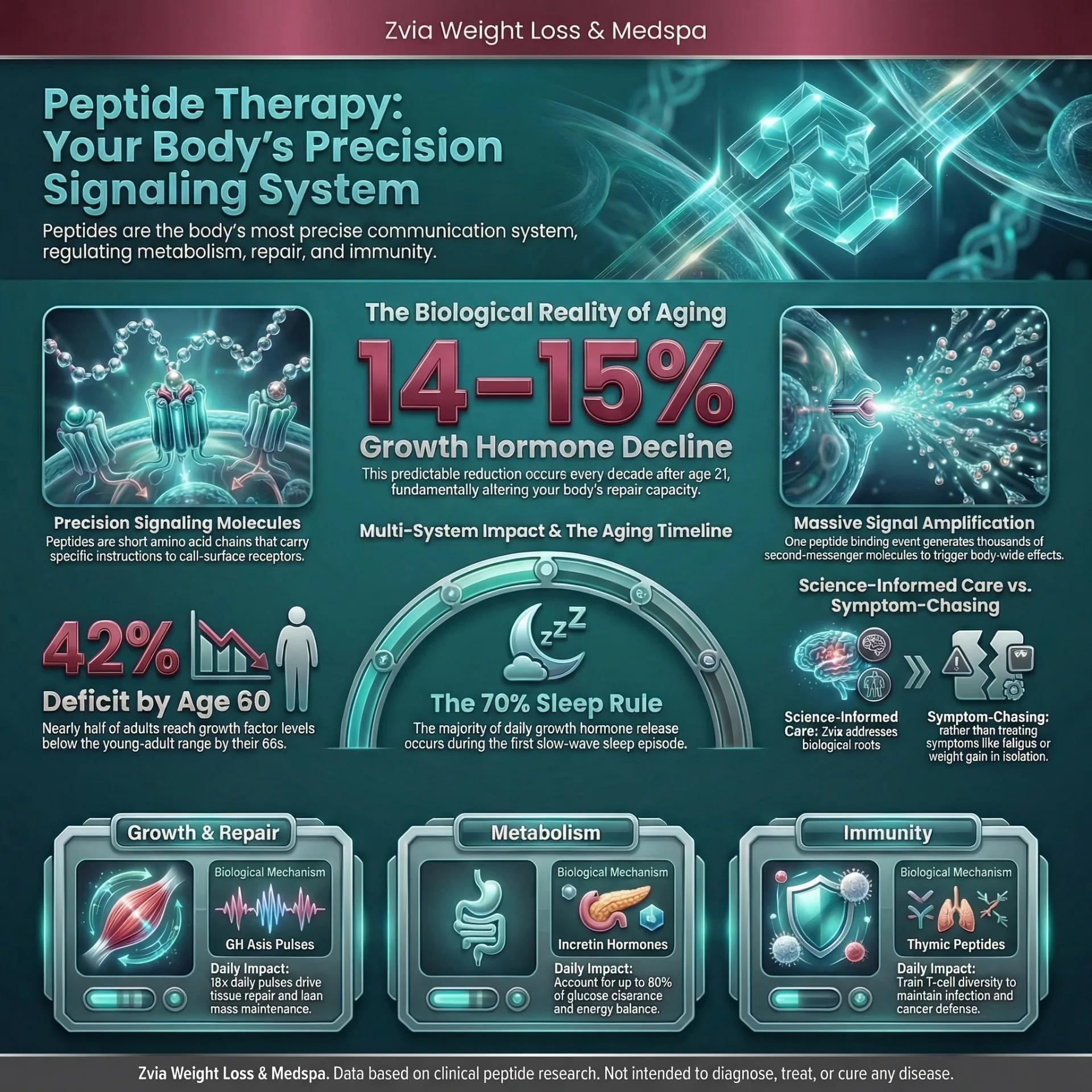
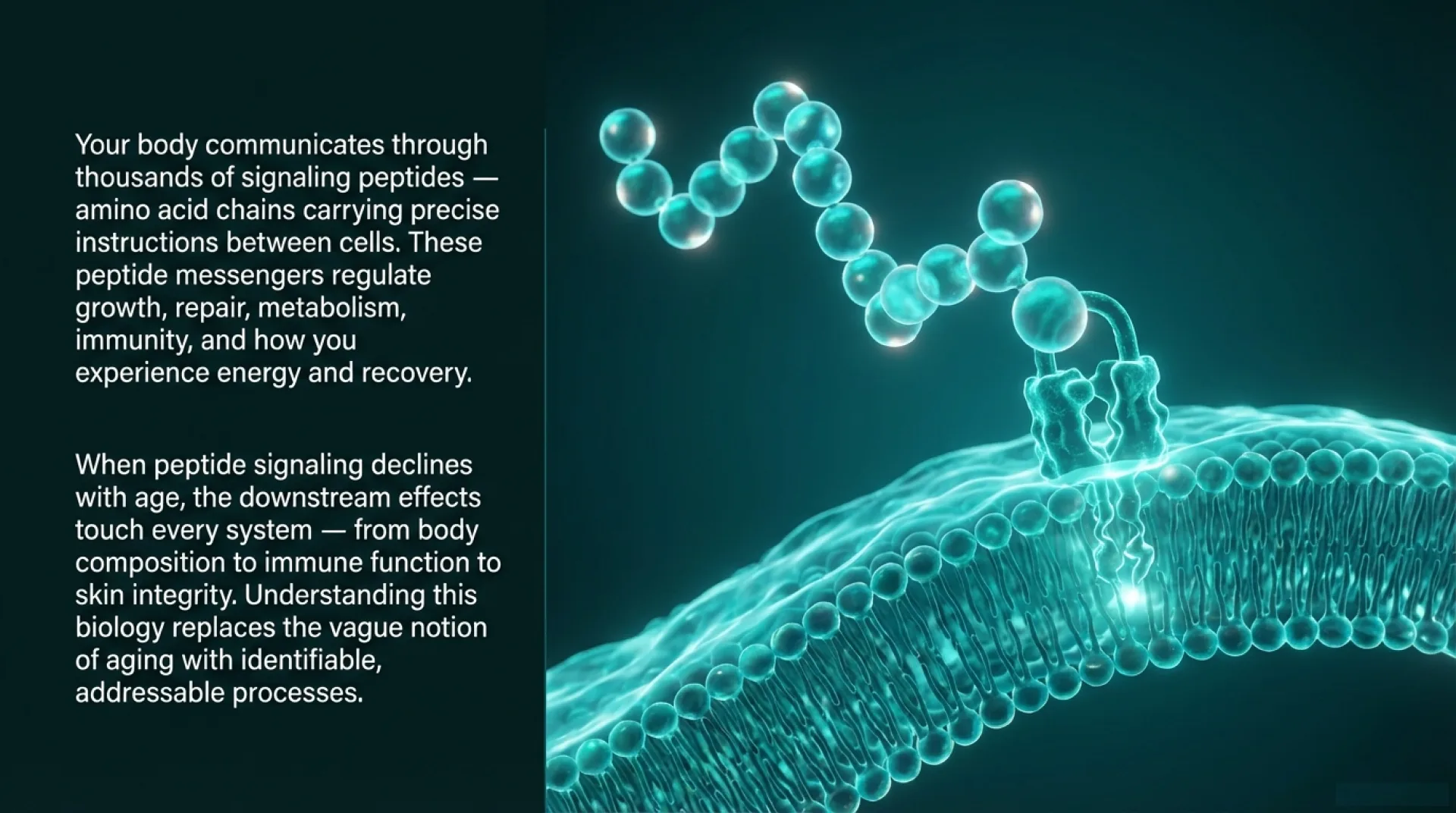
Peptides are short chains of amino acids — the same building blocks that form proteins — that function as your body’s most precise biological messengers. Your body produces thousands of them, each carrying specific instructions to specific cell types through specific receptors 1. They regulate growth, repair, metabolism, immune function, pain perception, mood, appetite, and more. Understanding how this signaling system works — and how it changes over time — is foundational to understanding your health at the deepest level.
How Does It Work?
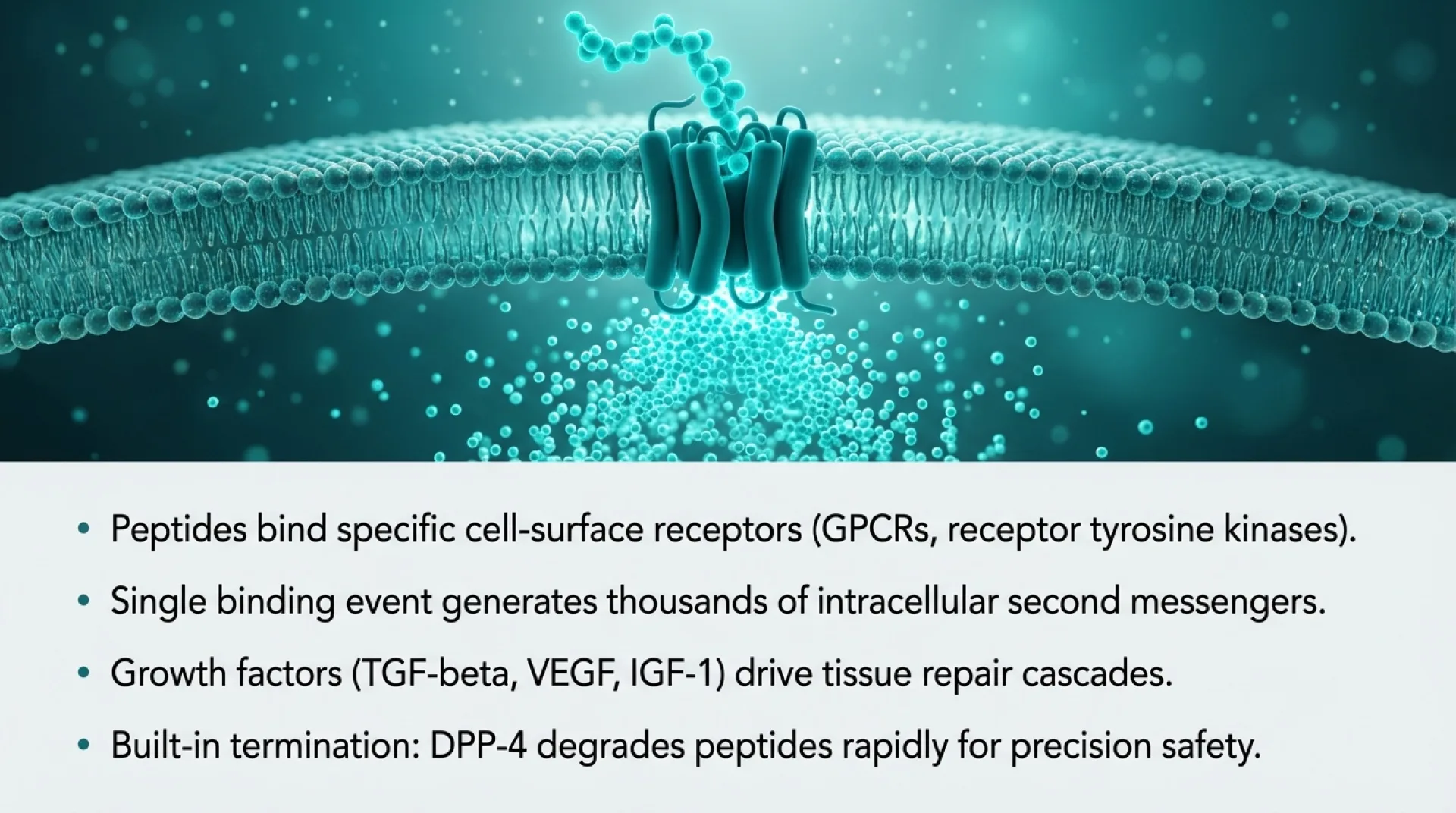
Your body’s peptide communication operates through an elegantly specific system. Each peptide has a unique three-dimensional structure that determines which receptor it binds and what cellular response it triggers — like a key that fits only one lock 2.
Most peptide hormones bind to G protein-coupled receptors (GPCRs) on cell surfaces, activating intracellular signaling cascades that amplify the original message exponentially. A single peptide molecule binding one receptor can generate thousands of second-messenger molecules inside the cell 3. This signal amplification is why even picogram-level concentrations of peptide hormones can produce body-wide effects.
Growth factors — peptides like TGF-beta, VEGF, PDGF, and EGF — use a different receptor system called receptor tyrosine kinases (RTKs). When a growth factor binds, the receptor activates intracellular kinase cascades — RAS-MAPK and PI3K/AKT among them — that change gene expression, turning on programs for tissue repair, collagen synthesis, and cellular proliferation 4, 5.
What makes peptide signaling uniquely sophisticated is its built-in termination. Enzymes like dipeptidyl peptidase-4 (DPP-4) rapidly break down circulating peptides — the incretin hormone GLP-1 has a plasma half-life of roughly one to two minutes, so only a fraction of what the gut releases ever reaches the systemic circulation intact 6. Receptors desensitize after repeated stimulation. Second messengers are degraded by phosphodiesterases. This self-limiting architecture ensures signals are precise, time-bound, and reversible — a safety feature baked into the biology itself.
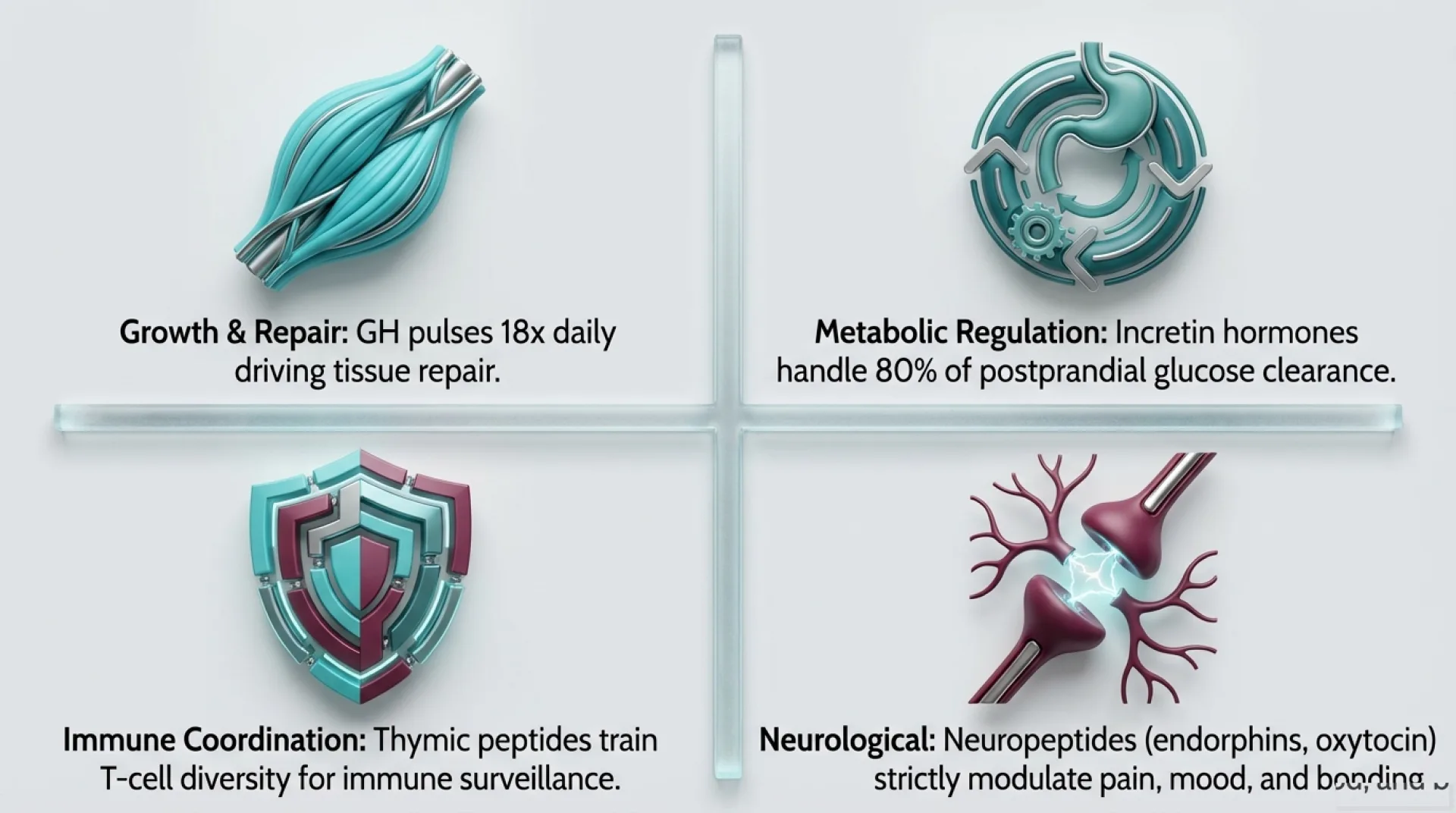
The body organizes its peptide signaling into several major systems, each governing critical biological domains:
- The growth hormone axis orchestrates growth, repair, and body composition through pulsatile GH release. The largest and most reproducible pulse of the day arrives shortly after you fall asleep, timed to the first stretch of slow-wave sleep — and in men, that early-sleep release accounts for roughly 50–70% of the day’s total output 7, 8
- Tissue repair cascades deploy growth factor peptides in precisely sequenced phases — hemostasis, inflammation, proliferation, remodeling — each requiring specific peptides at specific concentrations at specific times 4
- Metabolic regulation relies on peptide hormones like insulin, glucagon, and the incretin hormones (GLP-1 and GIP) to manage glucose metabolism, energy storage, and appetite signaling 6, 9
- Immune coordination depends on thymic peptides that support T-cell development and function 10, 11, and on antimicrobial host defense peptides that act as innate immune effectors while tuning inflammatory and anti-inflammatory responses 12
- Neuropeptide systems modulate pain (substance P, endorphins), stress response (CRH, ACTH), and reward 13. More than twenty opioid peptides are known, in three families — endorphins, enkephalins, and dynorphins 14
Key Benefits of Understanding Peptide Biology
It Explains Why Your Body Changes With Age
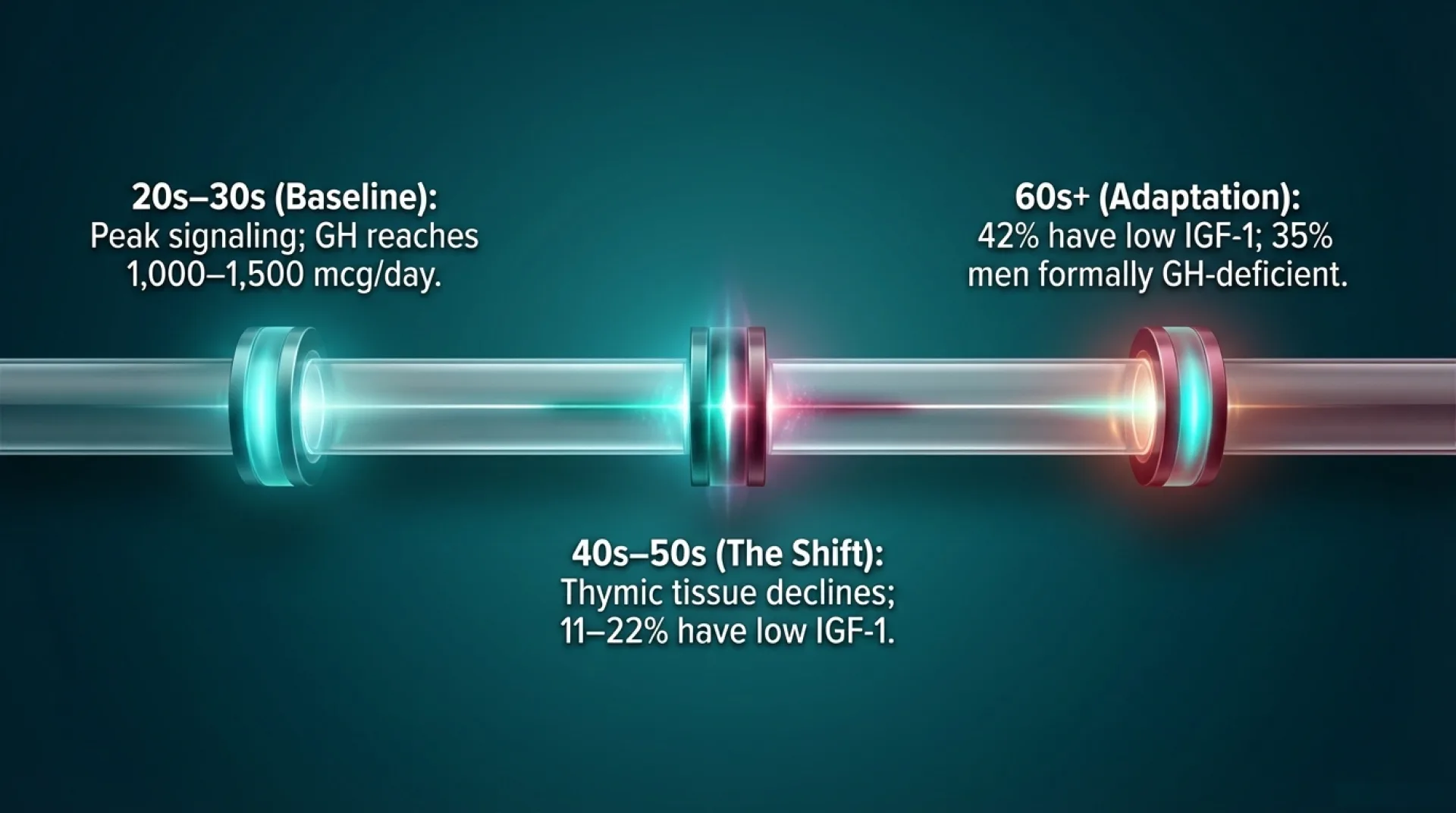
The somatopause — the progressive decline in growth hormone secretion — sets in after the third decade of life and continues at roughly 15% per decade 15. In a classic survey of healthy adults aged 21 to 86, the share with IGF-1 (then measured as somatomedin C) below the young-adult reference range climbed steadily with each decade, reaching 42% among people in their sixties 16. Thymic tissue involutes with age, reducing the output of naive T-cells and, with it, immune competence 17. Collagen synthesis shifts toward net degradation. Understanding these specific mechanisms replaces the vague notion of “aging” with identifiable, addressable biology.
It Connects Lifestyle Choices to Biological Mechanisms
When you understand that in men the growth hormone released in early sleep typically makes up 50–70% of the day’s total output 7, sleep stops being optional advice and starts being a direct biological intervention. When you know that arginine raises growth hormone by suppressing somatostatin, the brake on the system, rather than by pushing on the accelerator 18, your provider’s nutrition guidance makes mechanistic sense.
It Reveals the Stress-Recovery Connection
The stress response is peptide-driven from the top down: CRH from the hypothalamus triggers ACTH release from the pituitary, which drives cortisol production at the adrenal cortex 19. Sustained cortisol exposure is documented to suppress collagen synthesis and thin the skin, impair glucose handling, dampen immune function, and blunt growth signaling 20 — which is why one long stretch of unrelieved stress can surface at the same time as slower recovery, more frequent illness, shifting body composition, and skin that looks different in the mirror. One cascade, four complaints.
It Provides a Framework for Informed Health Decisions
Rather than following generic wellness advice, understanding peptide biology gives you a framework for evaluating health strategies through the lens of how they interact with your body’s signaling systems — nutrition as peptide precursor supply, exercise as peptide signal stimulation, sleep as peptide production infrastructure.
What Can You Expect from Peptide Therapy?
The Baseline: Peptide Systems at Full Capacity
In a young, healthy body, peptide signaling operates at peak efficiency. Growth hormone comes in generous nightly pulses. The thymus is fully active, training a diverse T-cell repertoire. The incretin hormones respond briskly to meals: in six healthy young adults given oral glucose, incretin signaling accounted for roughly 20% to 60% of the insulin the body released, with the share rising as the glucose load got larger 21. That is the incretin effect — the reason a glucose load taken by mouth provokes considerably more insulin than the same amount delivered intravenously. Worth being precise about what this describes: it is a share of the insulin response, not a share of the glucose your body clears. Wound healing proceeds through coordinated growth factor cascades. Collagen synthesis outpaces degradation.
The Shift: Measurable Change Across Decades
The clearest picture of this comes from a study of healthy adults of normal stature, aged 21 to 86, in which the share of people with somatomedin C (IGF-1) below the young-adult range rose decade by decade: 0% in the twenties, 11% in the thirties, 20% in the forties, 22% in the fifties, 42% in the sixties, and 55% from the seventies on 16. Within every age group, the lower the IGF-1, the higher the adiposity — a reminder that body composition and signaling move together rather than one simply causing the other. These are not sudden breaks. They are gradual, cumulative shifts that compound over time, which is also why they are so easy to miss until they have been underway for a decade.
The Adaptation: Finding New Equilibrium
The body adapts, but with trade-offs, and we would rather tell you about them than sell you a story with no cost in it. The growth hormone–longevity paradox is the clearest example: growth hormone supports tissue repair and immune function, yet in mice, growth hormone deficiency is associated with longer lifespan and less cancer, while overexpressing it shortens life 22. Whether that trade-off translates to humans is genuinely unsettled. Meanwhile the immune system compensates for declining thymic output by expanding memory T-cell populations — effective against threats it already knows, less agile against novel ones, and narrower in overall repertoire 17. The body’s repair systems keep working, just on longer timelines.
Who Should Understand This?
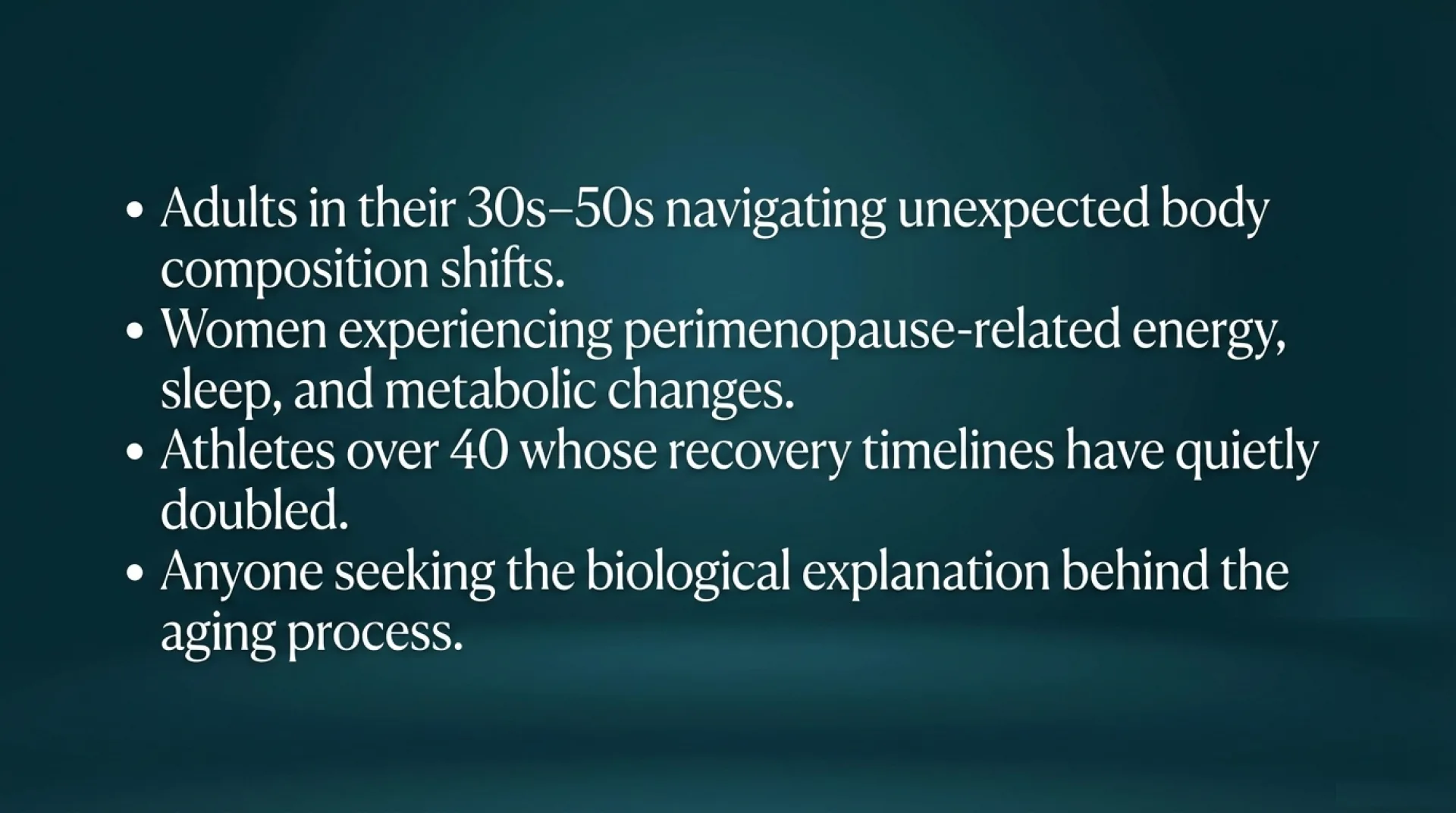
If you have noticed that recovery from exercise takes longer than it used to, that your body composition is shifting despite consistent habits, that your sleep feels less restorative, or that wounds heal more slowly — you are experiencing the downstream effects of age-related peptide signaling changes. Understanding the biology behind these changes reframes them from mysterious decline into identifiable processes.
Adults in their thirties may notice the first subtle shifts — slightly slower recovery, gradual body composition changes. This is the decade when growth hormone decline becomes measurable, though most people attribute the changes to lifestyle rather than biology.
Adults in their forties and fifties are navigating more pronounced changes: lean muscle becomes harder to maintain, visceral fat accumulates more readily, sleep quality may be declining (further reducing growth hormone release), and wound healing slows noticeably. For women, perimenopause introduces additional peptide and hormone interactions.
Adults in their sixties and beyond face the most pronounced shifts. In the survey above, 42% of people in their sixties and 55% from their seventies on had IGF-1 below the young-adult range 16 — a large share, not everyone, and that distinction matters, because it means the answer to “is this happening to me?” is a lab question rather than an assumption about your age.
Athletes and active adults over forty who train consistently but notice declining recovery and changing body composition despite maintained effort benefit from understanding that exercise-induced peptide signaling is modulated by age, sleep quality, nutritional status, and stress — all addressable variables.
Working With This Biology
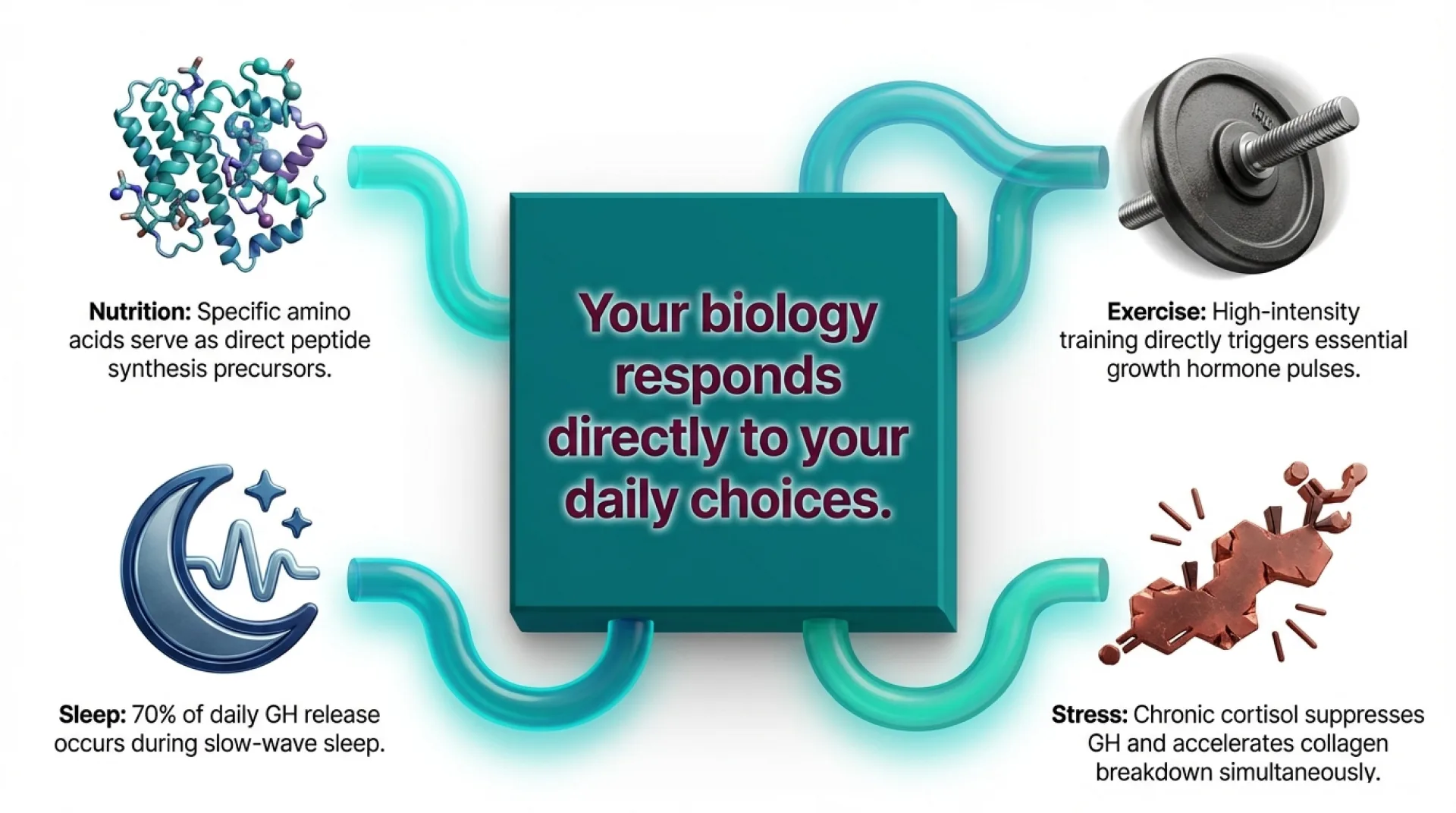
Your daily choices interact directly with peptide signaling through specific biological mechanisms:
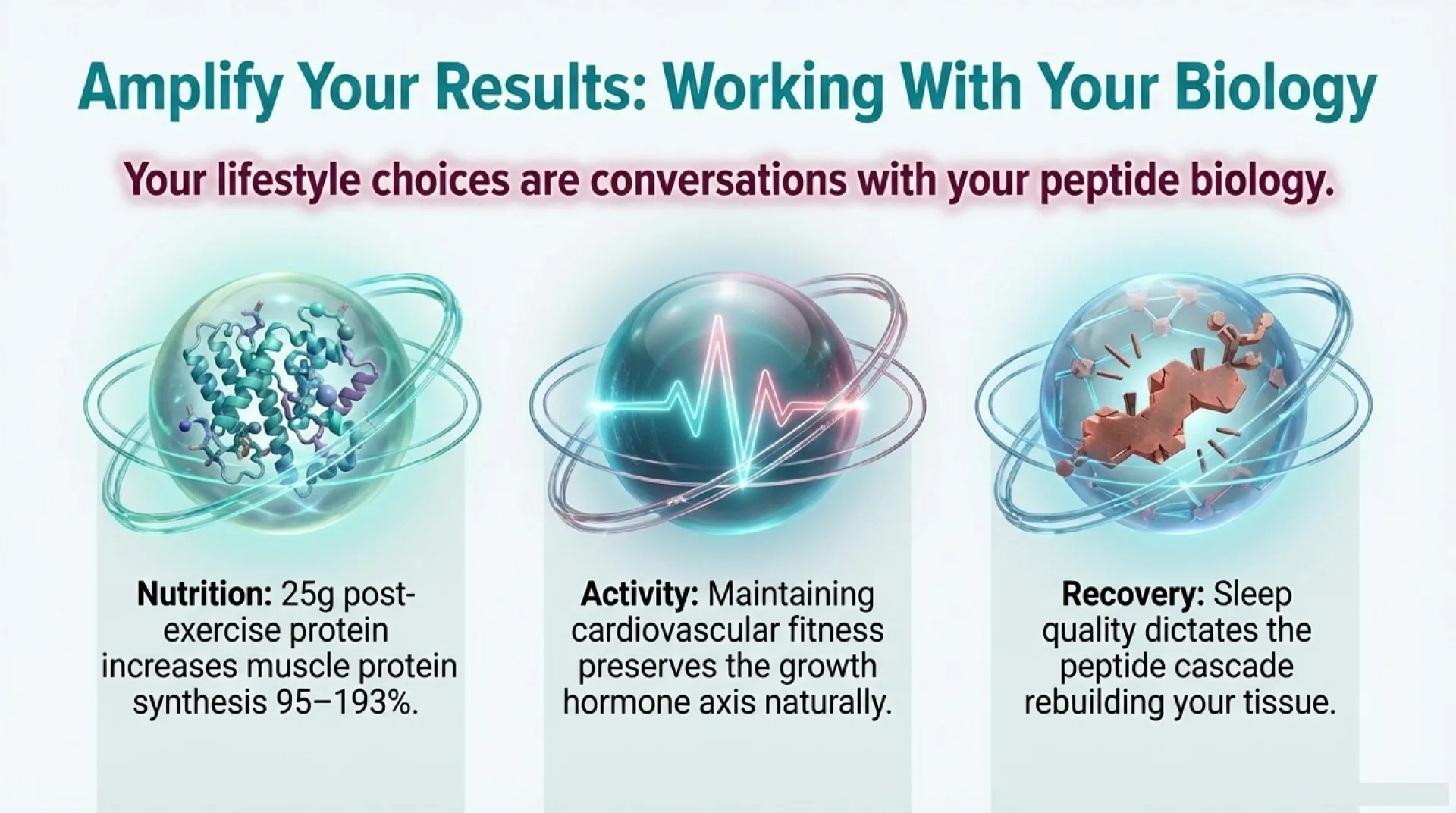
Nutrition as peptide support. Amino acids are direct precursors for peptide synthesis, and how fast they arrive matters as much as how many. In eight healthy men who completed resistance exercise, a single 25-gram bolus of rapidly digested whey raised myofibrillar protein synthesis 95% at one to three hours and 193% at three to five hours — while the identical amount of protein sipped in ten small pulses produced 42% and 121% 23. Same protein, different signal. Meal composition also shapes the incretin response, because fat, carbohydrate, and protein stimulate GIP and GLP-1 to different degrees 9. Vitamin C is essential for collagen hydroxylation — the modification that gives collagen its structural stability.
Exercise as peptide signal. Training amplifies pulsatile growth hormone release, and intensity appears to matter: in a study of twenty-one previously untrained women, endurance training increased the pulsatile release of growth hormone, with the larger effect in the group training above their lactate threshold 24. Exercise-induced muscle microdamage also recruits the same growth factor cascades — TGF-beta, PDGF, and their relatives — that the body uses to heal a wound 4.
Sleep as peptide production window. In the study that first mapped this, seven of eight young adults showed a growth hormone peak of 13–72 ng/mL that arrived with the onset of deep sleep and lasted one and a half to three and a half hours; when sleep onset was pushed later, the peak moved with it 25. In men, that early-sleep release normally accounts for 50–70% of the day’s total growth hormone output 7, and across the fourth decade of life, total 24-hour output falls two- to threefold alongside a comparable loss of slow-wave sleep 8. Your sleep is not adjacent to your recovery. It is the production window.
Stress management as peptide protection. Sustained cortisol exposure works against nearly everything on this list at once — collagen synthesis, glucose handling, immune function, growth signaling 20. Social connection and physical touch raise oxytocin, and the bonding peptides and the stress axis are not separate systems; they are in constant conversation. Which is one concrete biological reason that who you go through a hard stretch with is not a soft variable.
The Zvia Perspective
At Zvia Weight Loss & MedSpa in Lakewood, Colorado, understanding peptide biology is not academic — it is foundational to how we approach every client’s health picture.
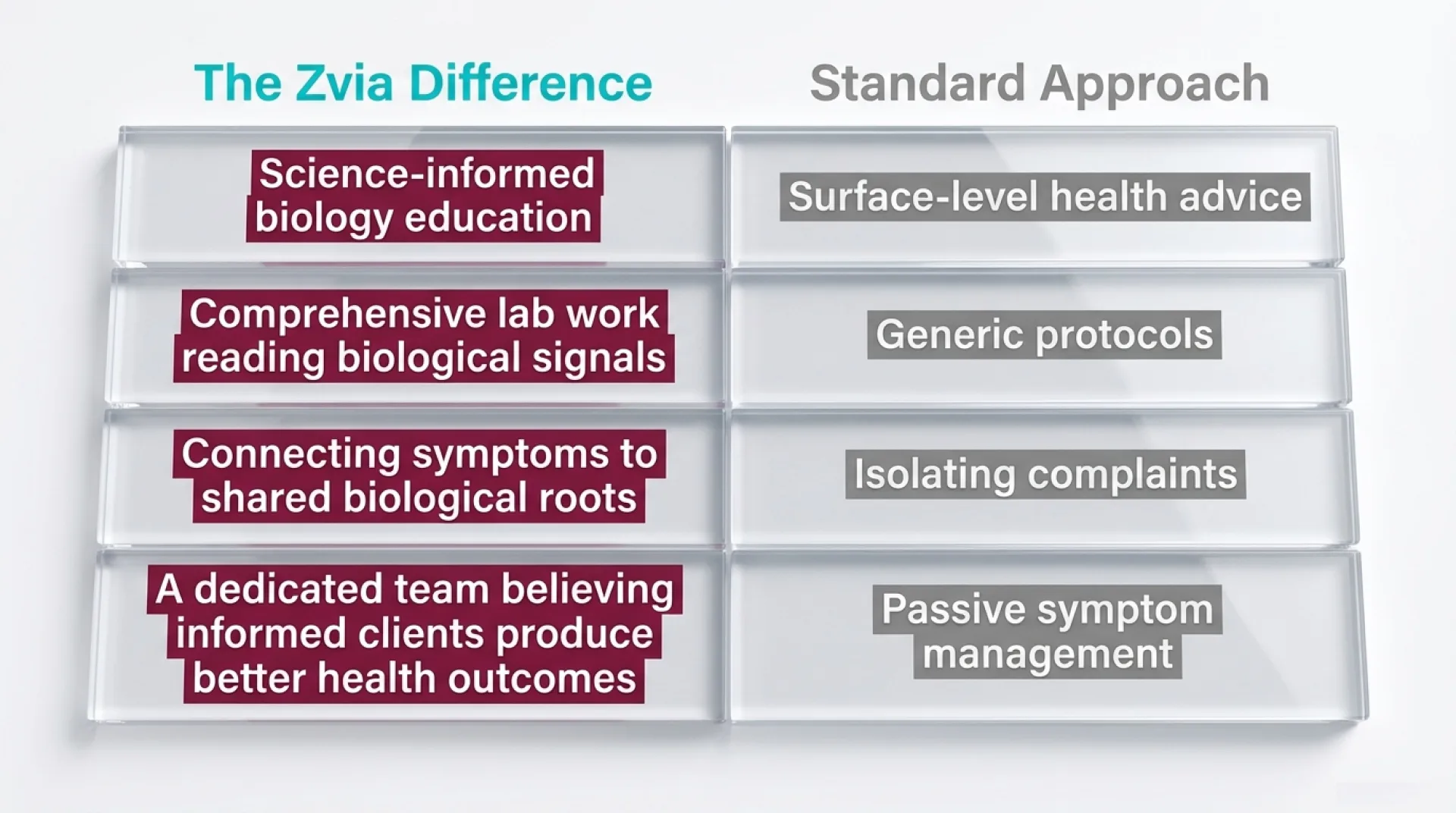
When someone walks in describing fatigue, shifting body composition, slower recovery, or skin changes, we are not guessing at causes. We understand that these experiences often trace back to measurable changes in the signaling systems that regulate growth, repair, metabolism, and immune function. That is why comprehensive lab work comes first — you cannot address what you have not identified, and peptide biology is not generic. The same age-related shifts manifest differently depending on genetics, lifestyle, stress exposure, sleep quality, and nutritional status.
This is what distinguishes science-informed care from symptom-chasing. Many approaches treat symptoms in isolation — fatigue gets a supplement, weight gain gets calorie restriction, skin concerns get a topical product. A provider who understands the underlying biology recognizes that these symptoms may share common biological roots: declining growth factor signaling, altered incretin response, chronic stress-driven cortisol disruption. Addressing the biology produces more meaningful, more durable outcomes.
At Zvia, we believe the best health outcomes happen when providers who understand the science deeply partner with clients who understand it clearly. Understanding your peptide biology is the first step. Working with a team that builds on that understanding is the second.
Educational purposes only. Provider-supervised protocols required. Results may vary based on individual biological response.
Educational purposes only. Provider-supervised protocols required. Results may vary based on individual biological response.
Talk with our clinical team about how this applies to your health picture.
References
- 1. Forbes J, Krishnamurthy K Biochemistry, Peptide . StatPearls / NCBI Bookshelf (2023).
- 2. Xiao W, Jiang W, Chen Z, Huang Y, Mao J, Zheng W, Hu Y, Shi J Advance in peptide-based drug development: delivery platforms, therapeutics and vaccines . Signal Transduction and Targeted Therapy 10 (2025).
- 3. Wang L, Wang N, Zhang W, Cheng X, Yan Z, Shao G, Wang X, Wang R, Fu C Therapeutic peptides: current applications and future directions . Signal Transduction and Targeted Therapy 7 (2022).
- 4. Werner S, Grose R Regulation of Wound Healing by Growth Factors and Cytokines . Physiological Reviews 83(3) , 835-870 (2003).
- 5. Lemmon MA, Schlessinger J Cell Signaling by Receptor Tyrosine Kinases . Cell 141(7) , 1117-1134 (2010).
- 6. Holst JJ The Physiology of Glucagon-like Peptide 1 . Physiological Reviews 87(4) , 1409-1439 (2007).
- 7. Spiegel K, Leproult R, Colecchia EF, L'Hermite-Balériaux M, Nie Z, Copinschi G, Van Cauter E Adaptation of the 24-h growth hormone profile to a state of sleep debt . American Journal of Physiology — Regulatory, Integrative and Comparative Physiology 279(3) , R874-R883 (2000).
- 8. Van Cauter E, Plat L Physiology of growth hormone secretion during sleep . The Journal of Pediatrics 128(5 Pt 2) , S32-S37 (1996).
- 9. Seino Y, Fukushima M, Yabe D GIP and GLP-1, the two incretin hormones: Similarities and differences . Journal of Diabetes Investigation 1(1-2) , 8-23 (2010).
- 10. Dominari A, Hathaway D 3rd, Pandav K, Matos W, Biswas S, Reddy G, Thevuthasan S, Khan MA, Mathew A, Makkar SS, Zaidi M, Fahem MMM, Beas R, Castaneda V, Paul T, Halpern J, Baralt D Thymosin alpha 1: A comprehensive review of the literature . World Journal of Virology 9(5) , 67-78 (2020).
- 11. Besman M, Zambrowicz A, Matwiejczyk M Review of Thymic Peptides and Hormones: From Their Properties to Clinical Application . International Journal of Peptide Research and Therapeutics 31 (2024).
- 12. Mookherjee N, Anderson MA, Haagsman HP, Davidson DJ Antimicrobial host defence peptides: functions and clinical potential . Nature Reviews Drug Discovery 19(5) , 311-332 (2020).
- 13. Mains RE, Eipper BA The Neuropeptides (Basic Neurochemistry: Molecular, Cellular and Medical Aspects, 6th edition) . Lippincott-Raven / NCBI Bookshelf (1999).
- 14. Purves D, Augustine GJ, Fitzpatrick D, et al. Peptide Neurotransmitters (Neuroscience, 2nd edition) . Sinauer Associates / NCBI Bookshelf (2001).
- 15. Fredrick JR, Blackman MR, Corpas E, Merriam GR, Kargi AY, Garcia JM Growth Hormone and Aging (Endotext) . MDText.com / NCBI Bookshelf (2026).
- 16. Rudman D, Kutner MH, Rogers CM, Lubin MF, Fleming GA, Bain RP Impaired growth hormone secretion in the adult population: relation to age and adiposity . The Journal of Clinical Investigation 67(5) , 1361-1369 (1981).
- 17. Thomas R, Wang W, Su DM Contributions of Age-Related Thymic Involution to Immunosenescence and Inflammaging . Immunity & Ageing 17 (2020).
- 18. Alba-Roth J, Müller OA, Schopohl J, von Werder K Arginine stimulates growth hormone secretion by suppressing endogenous somatostatin secretion . The Journal of Clinical Endocrinology and Metabolism 67(6) , 1186-1189 (1988).
- 19. Herman JP, McKlveen JM, Ghosal S, Kopp B, Wulsin A, Makinson R, Scheimann J, Myers B Regulation of the hypothalamic-pituitary-adrenocortical stress response . Comprehensive Physiology 6(2) , 603-621 (2016).
- 20. Schäcke H, Döcke WD, Asadullah K Mechanisms involved in the side effects of glucocorticoids . Pharmacology & Therapeutics 96(1) , 23-43 (2002).
- 21. Nauck MA, Homberger E, Siegel EG, Allen RC, Eaton RP, Ebert R, Creutzfeldt W Incretin effects of increasing glucose loads in man calculated from venous insulin and C-peptide responses . The Journal of Clinical Endocrinology and Metabolism 63(2) , 492-498 (1986).
- 22. Hirokawa K, Utsuyama M, Kikuchi Y Trade off situation between thymus and growth hormone: age-related decline of growth hormone is a cause of thymic involution but favorable for elongation of lifespan . Biogerontology 17(1) , 55-59 (2016).
- 23. West DW, Burd NA, Coffey VG, Baker SK, Burke LM, Hawley JA, Moore DR, Stellingwerff T, Phillips SM Rapid aminoacidemia enhances myofibrillar protein synthesis and anabolic intramuscular signaling responses after resistance exercise . The American Journal of Clinical Nutrition 94(3) , 795-803 (2011).
- 24. Weltman A, Weltman JY, Schurrer R, Evans WS, Veldhuis JD, Rogol AD Endurance training amplifies the pulsatile release of growth hormone: effects of training intensity . Journal of Applied Physiology 72(6) , 2188-2196 (1992).
- 25. Takahashi Y, Kipnis DM, Daughaday WH Growth hormone secretion during sleep . The Journal of Clinical Investigation 47(9) , 2079-2090 (1968).