
Not Currently Offered — Educational Only
Thymosin Alpha-1 was recently removed from the FDA's Category 2 restricted list and is under review for inclusion on the FDA's 503A Bulk Drug Substances List following the agency's July 2026 advisory committee meeting. Until that determination is final, this page is educational only and does not represent a treatment currently available through Zvia.
When Your Immune System Stops Keeping Up With You
You used to power through cold and flu season without a second thought. Now every bug that goes around finds you, and recovery takes longer than it should.

Audio overview — how Thymosin Alpha-1 works, delivery methods, and your expected timeline
What Is Thymosin Alpha-1?
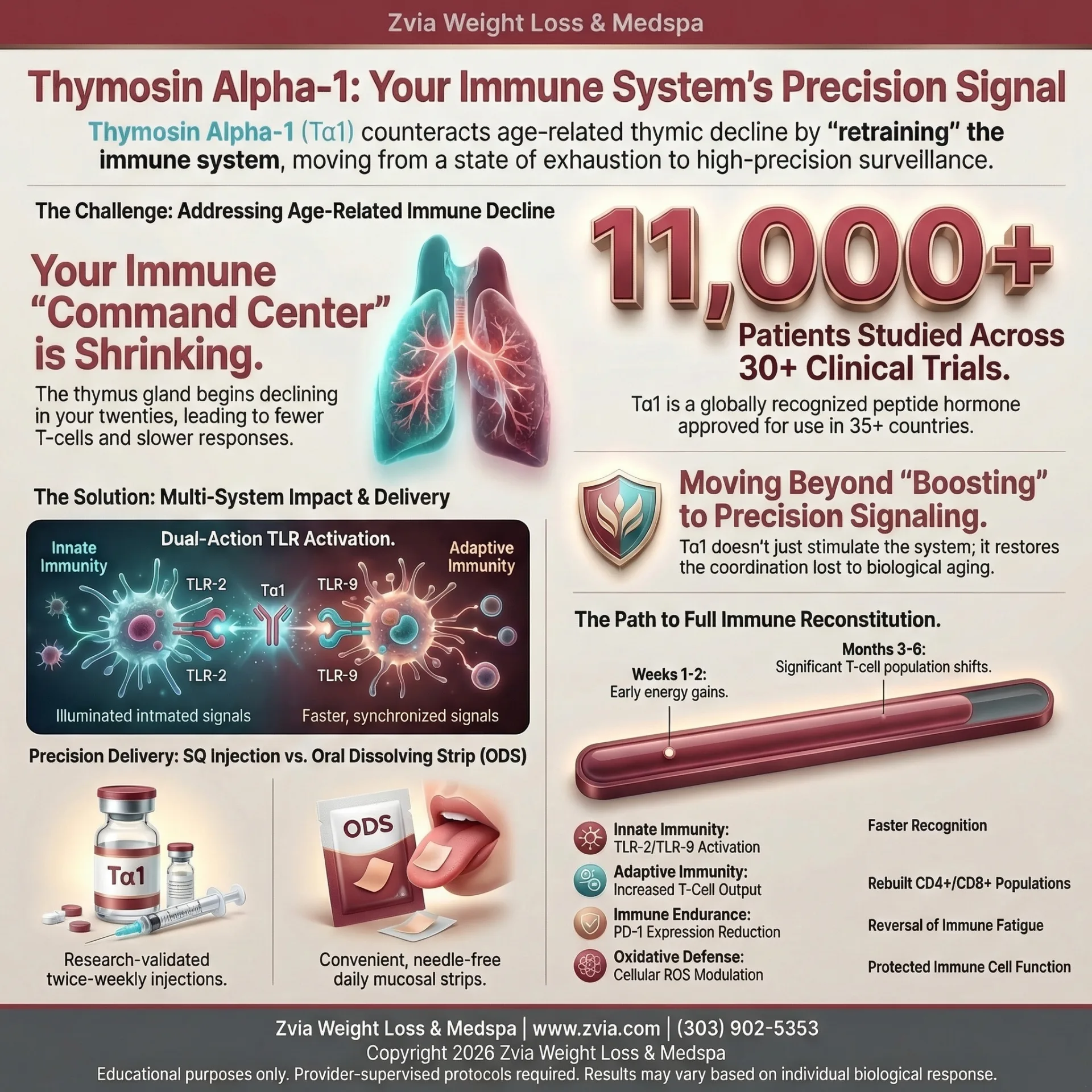
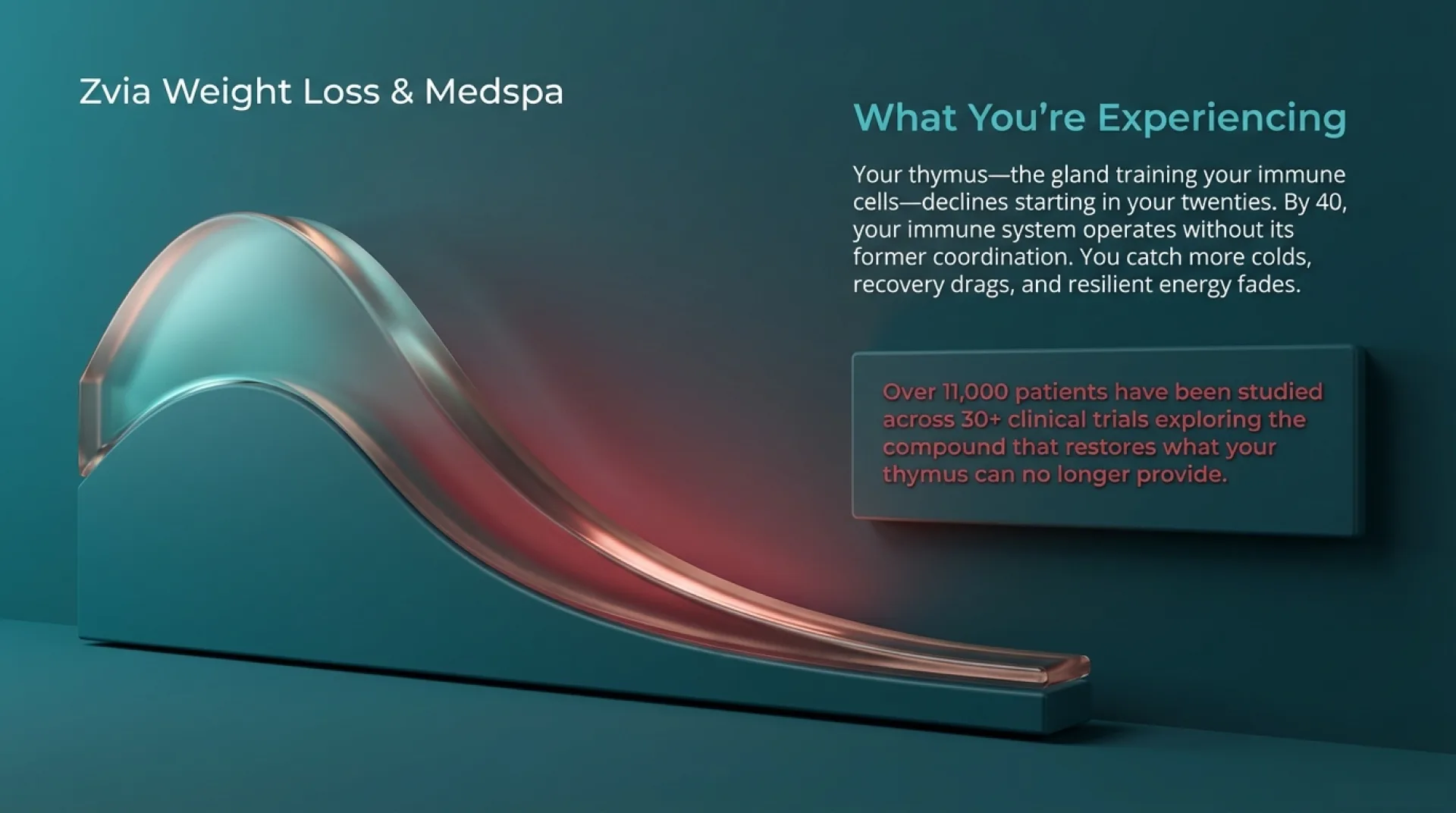
If you’ve noticed that you’re catching every cold that goes around, that recovery from illness takes longer than it used to, or that your energy never quite rebounds the way it once did — you’re not imagining things. Your immune system has a timeline, and for most adults, its peak performance starts quietly declining decades before they notice. The thymus — the small gland behind your breastbone that trains and deploys your immune cells — begins shrinking as early as your twenties, and by your forties, its output has dropped significantly. The result is an immune system that’s still working, but no longer orchestrating its defenses with the precision and speed it was built for.
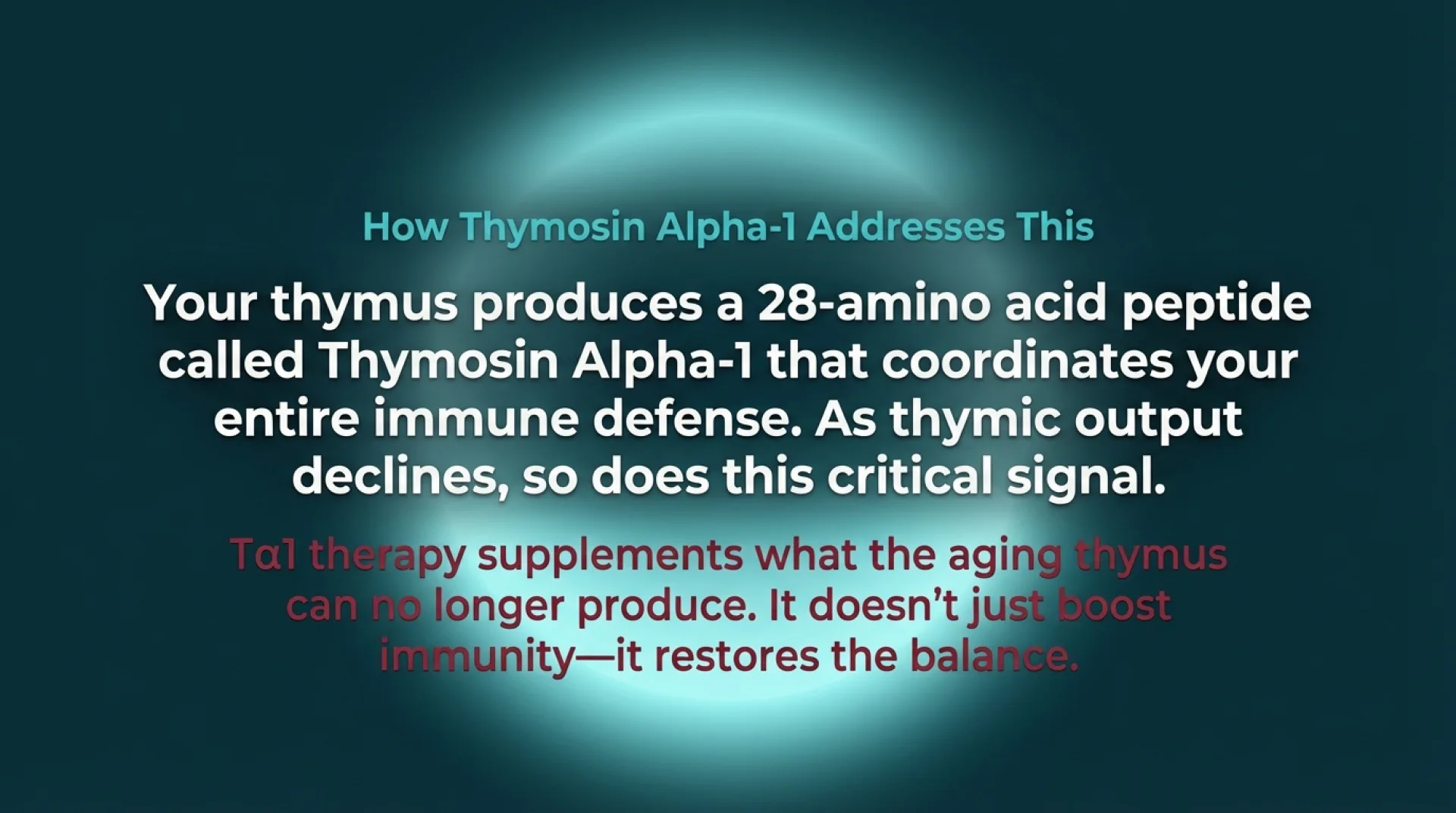
Thymosin Alpha-1 (Tα1) is a 28-amino acid peptide naturally produced by the thymus gland. Classified as a biological response modifier, it’s one of the key signaling molecules your thymus uses to coordinate immune function — specifically, the maturation and differentiation of T-cells, the activation of dendritic cells, and the regulation of natural killer cell activity 1. With a molecular weight of 3,108 daltons, Tα1 has been studied in over 30 clinical trials involving more than 11,000 human subjects and is approved in over 35 countries under the pharmaceutical name thymalfasin (Zadaxin) 2. The FDA has granted it orphan drug status for melanoma, chronic hepatitis B, DiGeorge anomaly, and hepatocellular carcinoma 1.
What makes Thymosin Alpha-1 particularly compelling in a clinical setting is that it doesn’t simply boost immune activity — it modulates it. It strengthens what’s underperforming while calming what’s overreacting, restoring the immune system’s ability to respond proportionally to threats rather than either under-responding or triggering excessive inflammation 12.
How Does It Work?
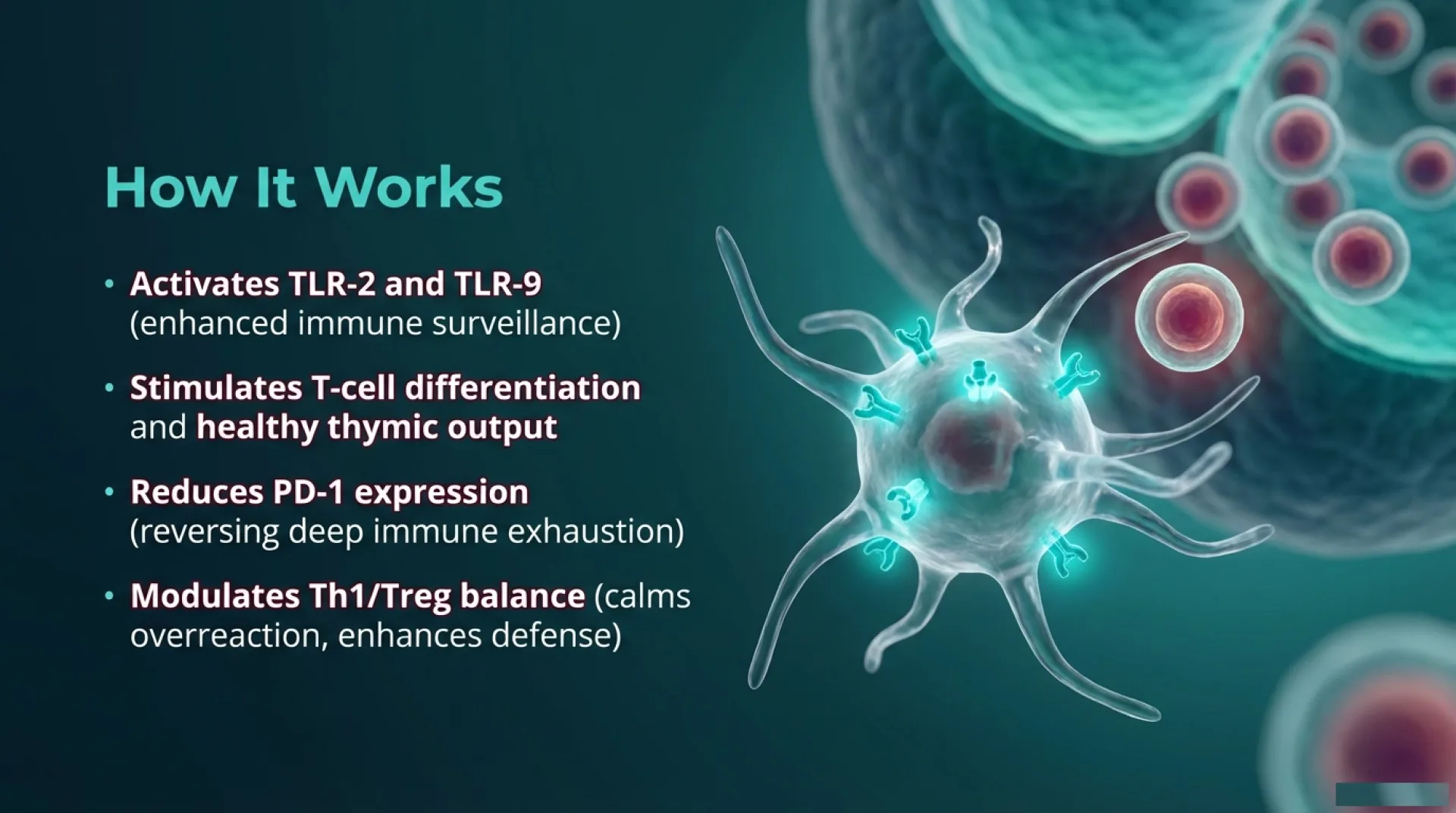
Thymosin Alpha-1 acts primarily through Toll-like receptors TLR-2 and TLR-9 on dendritic cells — the immune system’s surveillance and intelligence network 1. When Tα1 binds to these receptors, it triggers downstream signaling cascades that promote dendritic cell maturation and enhance antigen presentation. In practical terms, this means your immune system gets better at identifying threats, processing information about them, and communicating that information to the T-cells responsible for mounting a targeted response.
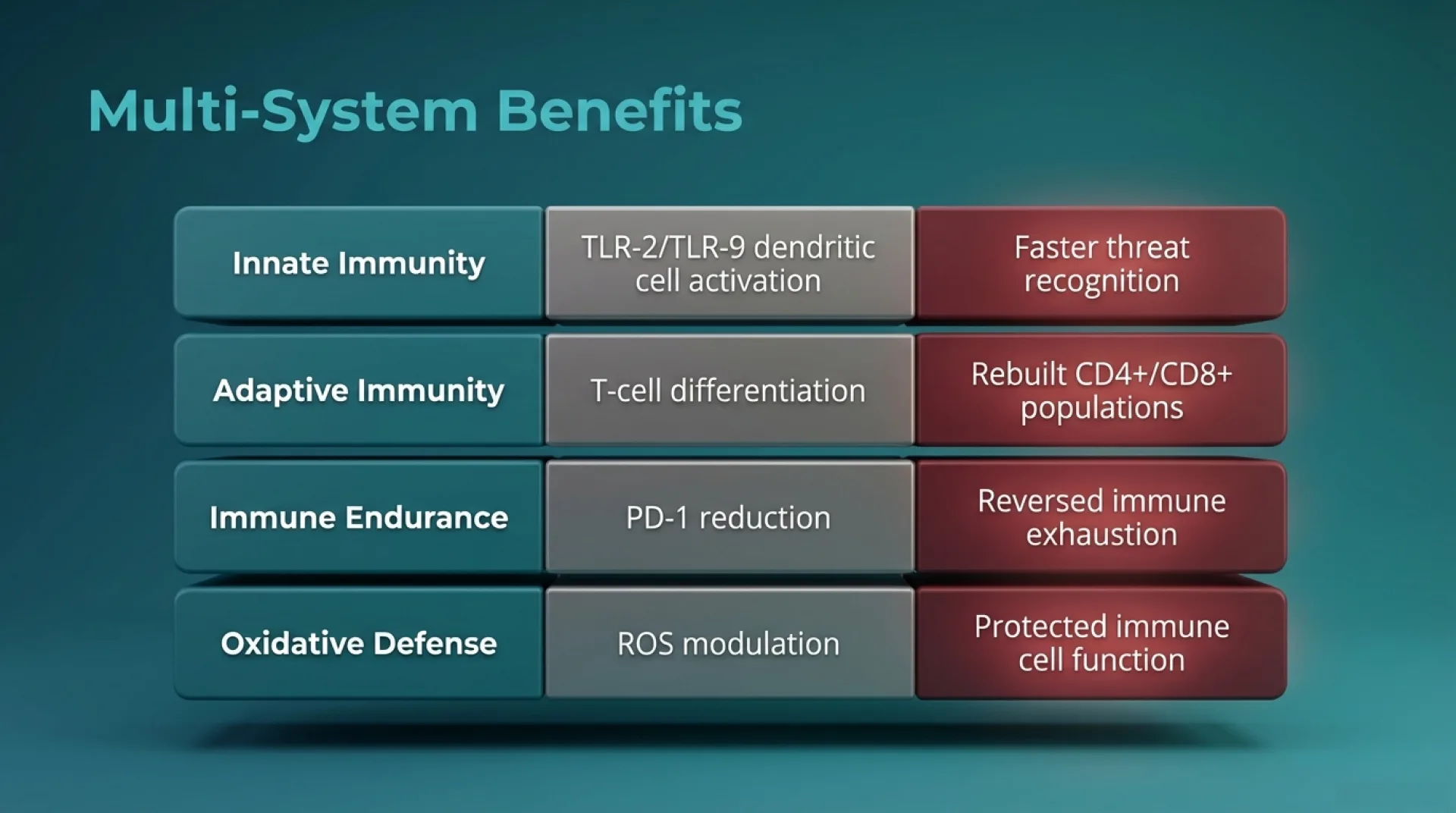
This is why Tα1 is classified as a biological response modifier rather than a simple immune stimulant. By activating both myeloid and plasmacytoid dendritic cells, it bridges innate immunity (your first line of defense) with adaptive immunity (your targeted, memory-based response system) 1, 12. The result is an immune system that doesn’t just react faster — it reacts smarter.
Beyond dendritic cells, Tα1 directly stimulates T-cell progenitor differentiation and enhances thymic output 5. This is particularly significant for aging adults because thymic involution — the gradual shrinking of the thymus — is the primary driver of immunosenescence, the age-related decline in immune competence that increases vulnerability to infections, cancers, and impaired vaccine responses 5. Tα1 effectively supplements what the aging thymus can no longer produce in sufficient quantities.
At the cellular exhaustion level, Tα1 decreases expression of PD-1 (programmed death-1) on T-cells 9. PD-1 is a marker of immune fatigue — when T-cells express high levels of it, they’ve essentially been in the fight too long and start shutting down. Clinical data from a 24-week HIV immunological nonresponder study showed significant increases in naïve CD4+ and CD8+ T-cell proportions with concurrent PD-1 reduction, demonstrating measurable reversal of immune exhaustion 9.
Tα1 also modulates the Th1/Treg balance through its effects on dendritic cell function, promoting cell-mediated immunity while supporting regulatory T-cell activity 1. This dual action explains its ability to both enhance immune defense and temper autoimmune-driven inflammation. Additionally, Tα1 modulates reactive oxygen species at the cellular level, providing antioxidant protection to immune cells while maintaining the oxidative burst capacity needed for pathogen destruction 1.
What Are the Benefits of Thymosin Alpha-1?
Restored Immune Coordination
Tα1 reactivates the signaling pathways that keep innate and adaptive immunity communicating effectively. Through TLR-2 and TLR-9 activation, dendritic cells regain their surveillance precision, and T-cells receive clearer instructions. The immune system stops operating in silos and starts coordinating as a unified defense 1.
Rebuilt T-Cell Populations
By stimulating T-cell differentiation and enhancing thymic output, Tα1 helps rebuild the CD4+ and CD8+ T-cell populations that decline with age and chronic illness. Clinical protocols have demonstrated significant increases in naïve T-cell proportions — meaning the immune system is producing fresh responders, not just recycling exhausted ones 9.
Reversed Immune Exhaustion
PD-1 reduction on both CD4+ and CD8+ T-cells means immune cells that had been effectively sidelined get back in the game. This isn’t a temporary stimulation — it’s a structural improvement in the immune system’s capacity to sustain vigilance over time 9.
Enhanced Natural Killer Cell Activity
NK cells are your body’s rapid-response unit against viral infections and abnormal cell development. Tα1 enhances both NK cell counts and cytotoxic function, strengthening this critical surveillance layer 1, 12.
Balanced Inflammatory Response
Rather than amplifying inflammation, Tα1 modulates it — calming overreaction while preserving the inflammatory capacity needed for pathogen defense. This is especially valuable for individuals experiencing chronic low-grade inflammation that disrupts energy, recovery, and metabolic function 1.
Improved Vaccine Response
Clinical evidence demonstrates that Tα1 enhances vaccine immunogenicity, particularly in elderly and immunocompromised populations 5. For adults whose thymic decline has reduced their ability to mount robust vaccine responses, this represents a measurable improvement in protective immunity.
How Long Does Thymosin Alpha-1 Take to Work?
Timeline Note: Individual responses vary based on baseline immune function, age, concurrent protocols, and lifestyle factors. A provider-directed protocol would monitor specific immune markers and adjust based on individual biological response.
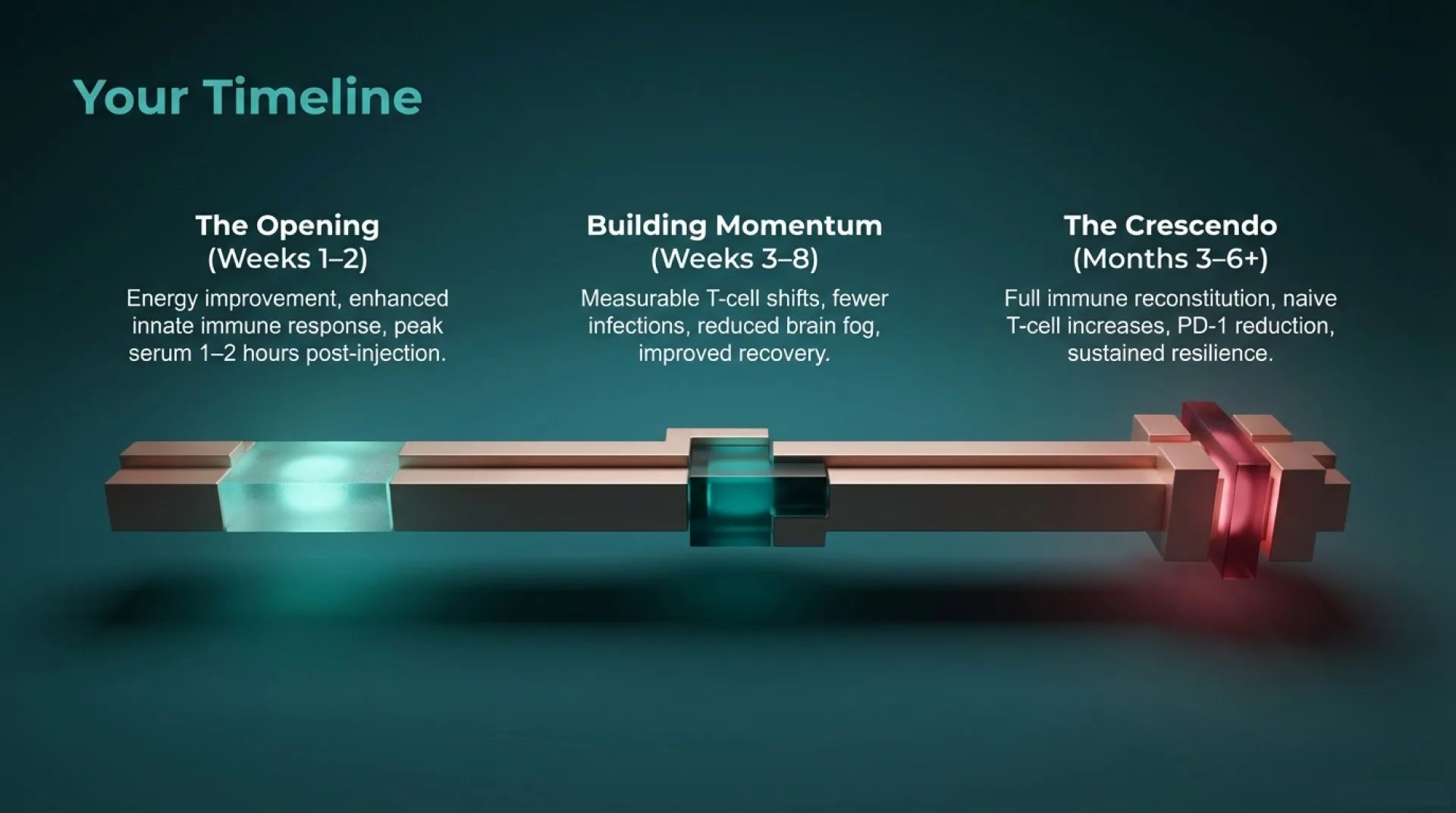
The Opening (Weeks 1–2)
Tα1 achieves peak serum concentrations within 1–2 hours of subcutaneous injection, with a half-life of approximately 2 hours 3. Immune priming begins immediately — dendritic cell activation through TLR-2 and TLR-9 enhances innate surveillance within the first doses. Early indicators include improved energy levels and a subjective sense of enhanced resilience. Individuals following this protocol can typically expect fewer acute illness symptoms and reduced brain fog toward the end of this phase.
Building Momentum (Weeks 3–8)
Adaptive immune remodeling accelerates. T-cell populations begin shifting upward as enhanced thymic output takes hold. Inflammatory markers trend downward. Research on this phase points to fewer infectious episodes, reduced joint discomfort, improved recovery from physical exertion, and stabilized energy throughout the day. Vaccine responses improve measurably during this window. This is where the protocol’s effects become tangible — the immune system begins operating with renewed coordination 2.
The Crescendo (Months 3–6+)
Full immune reconstitution unfolds. Studies demonstrate significant increases in naïve CD4+ and CD8+ T-cell proportions with concurrent PD-1 reduction by this phase 9. NK cell activity reaches sustained elevated levels. In chronic infection protocols, complete virological response rates reach up to 40.6% for hepatitis B 1. Published data indicates sustained immune resilience, fewer relapses, and improved overall health metrics with continued protocol adherence. Tα1 supports the immune architecture without tolerance development or immune exhaustion 2.
Is Thymosin Alpha-1 Right for You?
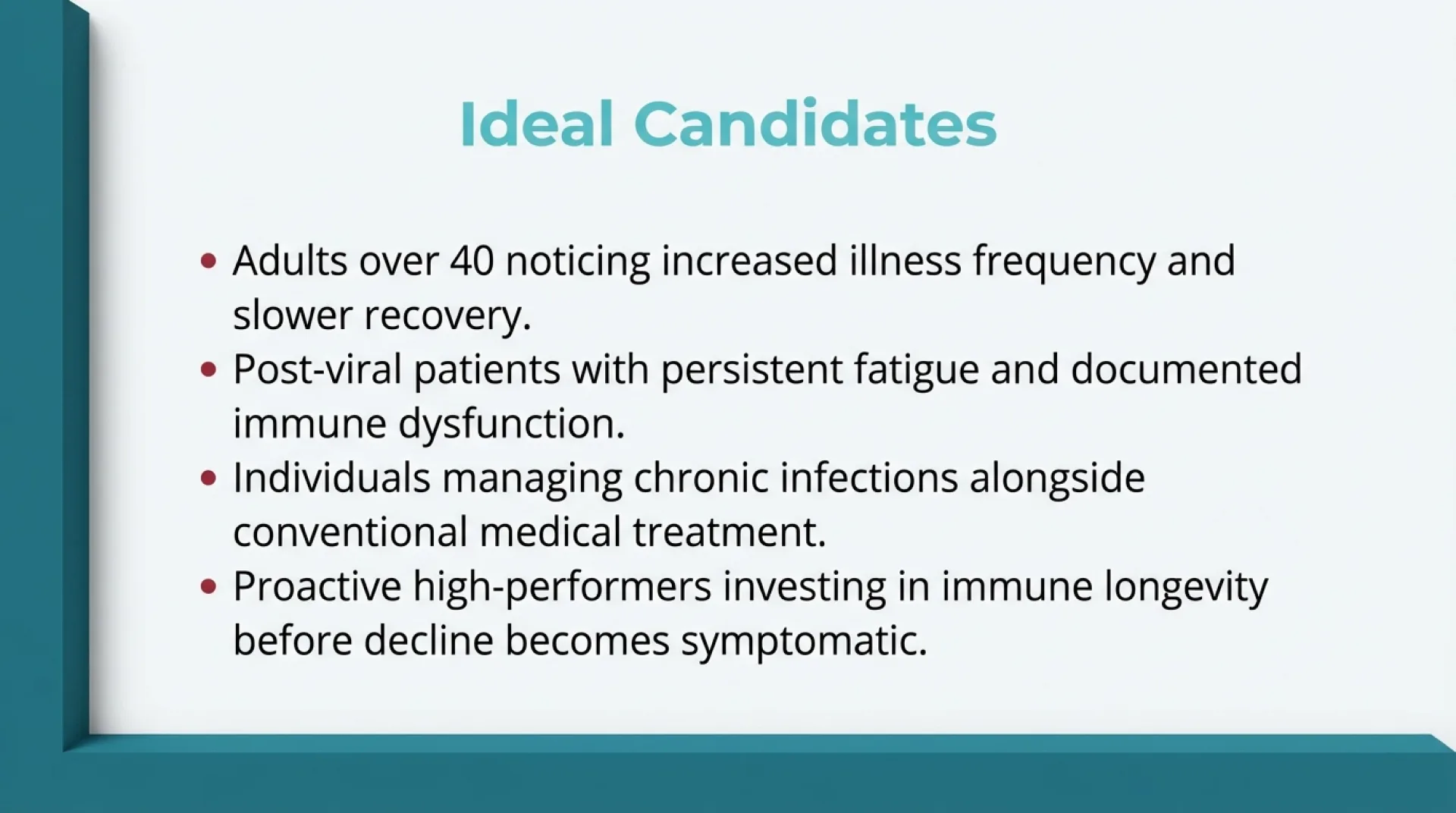
If you’ve noticed that you’re getting sick more often than you used to, that colds linger for weeks instead of days, or that your energy never fully rebounds after illness — your immune system may be underperforming relative to where it should be. Thymosin Alpha-1 is designed for exactly this scenario.
You may be a strong candidate if:
- You’re in your 40s, 50s, or beyond and notice declining immune resilience — catching everything that goes around and recovering slowly
- You’re recovering from a significant viral illness and your immune system hasn’t returned to baseline — persistent fatigue, brain fog, or inflammatory symptoms that won’t resolve
- You’re managing chronic infections (hepatitis B/C, recurrent viral reactivation) and want to support your immune response alongside conventional treatment
- You’re an athlete or high-performer over 40 experiencing slower recovery and increased susceptibility to illness during heavy training cycles
- You’re proactively investing in longevity and want to address immunosenescence before it becomes symptomatic — you understand that immune optimization is a pillar of healthy aging
Provider evaluation is the definitive step. Your Zvia provider in Lakewood, Colorado would look at your immune markers (CD4+/CD8+ ratios, NK cell activity, inflammatory panels), your health history, your current protocols, and your goals to determine if Thymosin Alpha-1 is the right addition to your plan.
What Does a Thymosin Alpha-1 Protocol Involve?
Subcutaneous Injection (SQ)
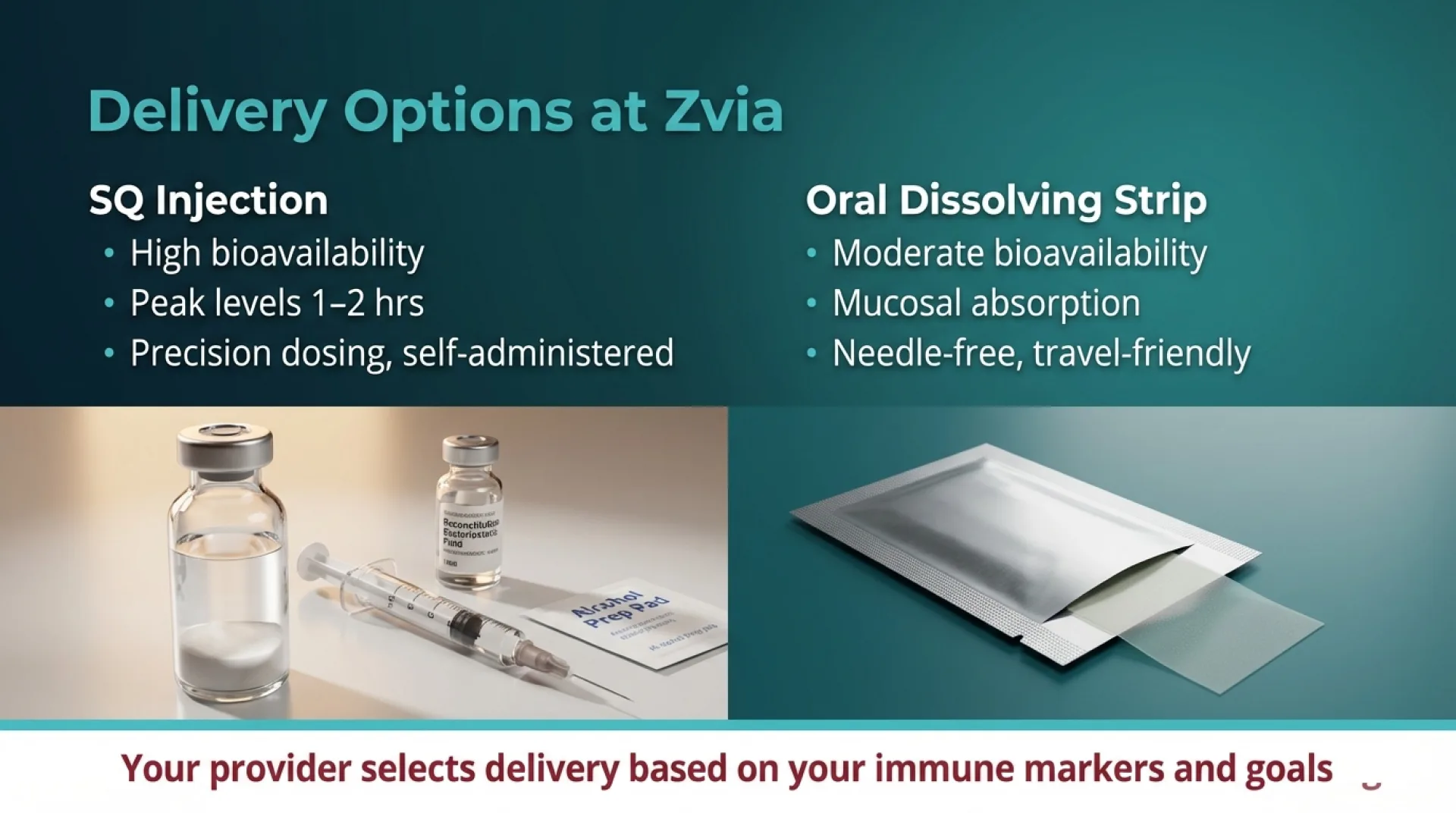
The most extensively studied delivery method. Standard clinical dosing is 1.6 mg administered subcutaneously twice weekly — the protocol supported by data across more than 11,000 subjects in over 30 clinical trials 2. Your provider trains proper self-administration technique during your initial consultation. The reconstituted solution is injected subcutaneously — a quick, straightforward process that becomes routine within the first week.
For immune recovery or post-viral protocols, your provider may prescribe daily injections at 300–500 mcg for 8–16 weeks, starting at the lower dose to assess tolerance before increasing 10. Pharmacokinetics are predictable: peak serum levels at 1–2 hours, no accumulation with repeated dosing, and a dose-proportional response profile 3.
Oral Dissolving Strip (ODS)
A thin dissolving strip — similar to a breath strip — placed on the inner cheek for mucosal absorption. The strip dissolves in seconds, delivering Tα1 directly through the buccal membranes into the bloodstream, bypassing the gastrointestinal tract entirely. This matters because Tα1 is not gut-stable — oral swallowed delivery would degrade the peptide before it reaches circulation.
ODS delivery is typically administered once daily, 5 days per week. Individually packaged, pre-dosed, no reconstitution, no refrigeration during travel. Ideal for clients who prefer needle-free delivery or travel frequently.
Delivery Comparison
| Method | Bioavailability | Key Advantage | Best For |
|---|---|---|---|
| SQ Injection | High — rapid, complete systemic absorption | Precision dosing with research-validated PK data 3 | Maximum clinical effect, comfortable with self-injection |
| Oral Dissolving Strip | Moderate — mucosal absorption bypasses GI | Needle-free, travel-friendly, no reconstitution | Non-injectable preference, frequent travelers |
Your Zvia provider determines the optimal delivery method based on your clinical goals, immune markers, and lifestyle considerations. Delivery method selection is a clinical decision — your provider matches the approach to your specific needs.
Lifestyle Protocol Integration
Your Tα1 protocol includes lifestyle prescriptions that are integral to your treatment — not optional additions.
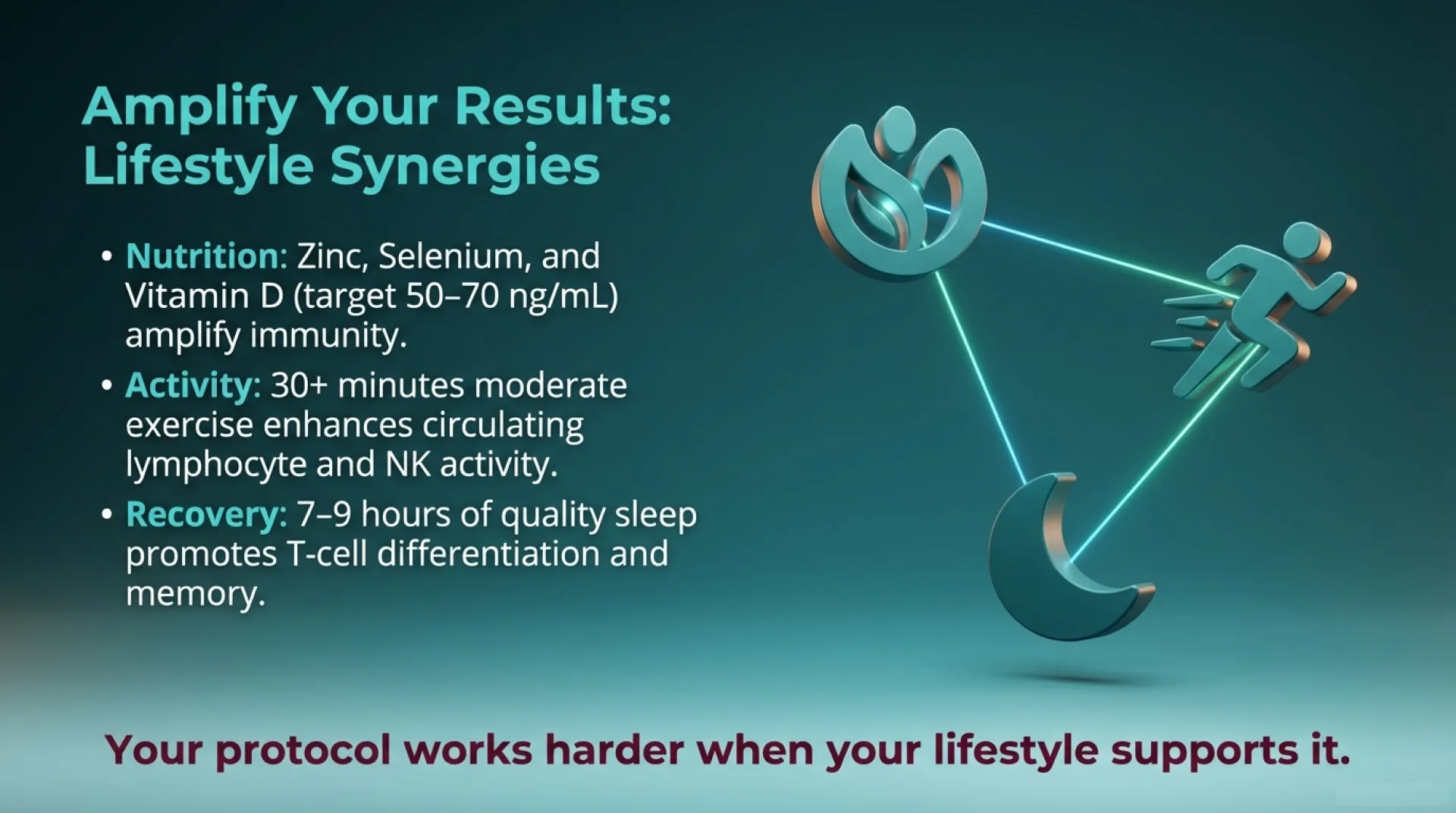
Nutrition: Your provider prescribes zinc (essential for thymic hormone activity and T-cell development), selenium (antioxidant cofactor with antiviral properties), and vitamin D optimization (target 50–70 ng/mL) to create the nutritional foundation your immune system requires. Anti-inflammatory nutrition emphasizing omega-3s, polyphenol-rich vegetables, and minimally processed foods supports Tα1’s immunomodulatory effects.
Activity: Moderate exercise — 30+ minutes most days — enhances lymphocyte circulation and NK cell activity, directly amplifying Tα1’s benefits. Your provider prescribes modality, frequency, and intensity; clients work with qualified outside fitness professionals for training execution.
Sleep: Sleep promotes T-cell differentiation and immune memory — the very processes Tα1 enhances. Even one night of poor sleep measurably reduces NK cell activity. Target 7–9 hours of quality sleep with consistent timing.
The Zvia Approach to Immune Optimization
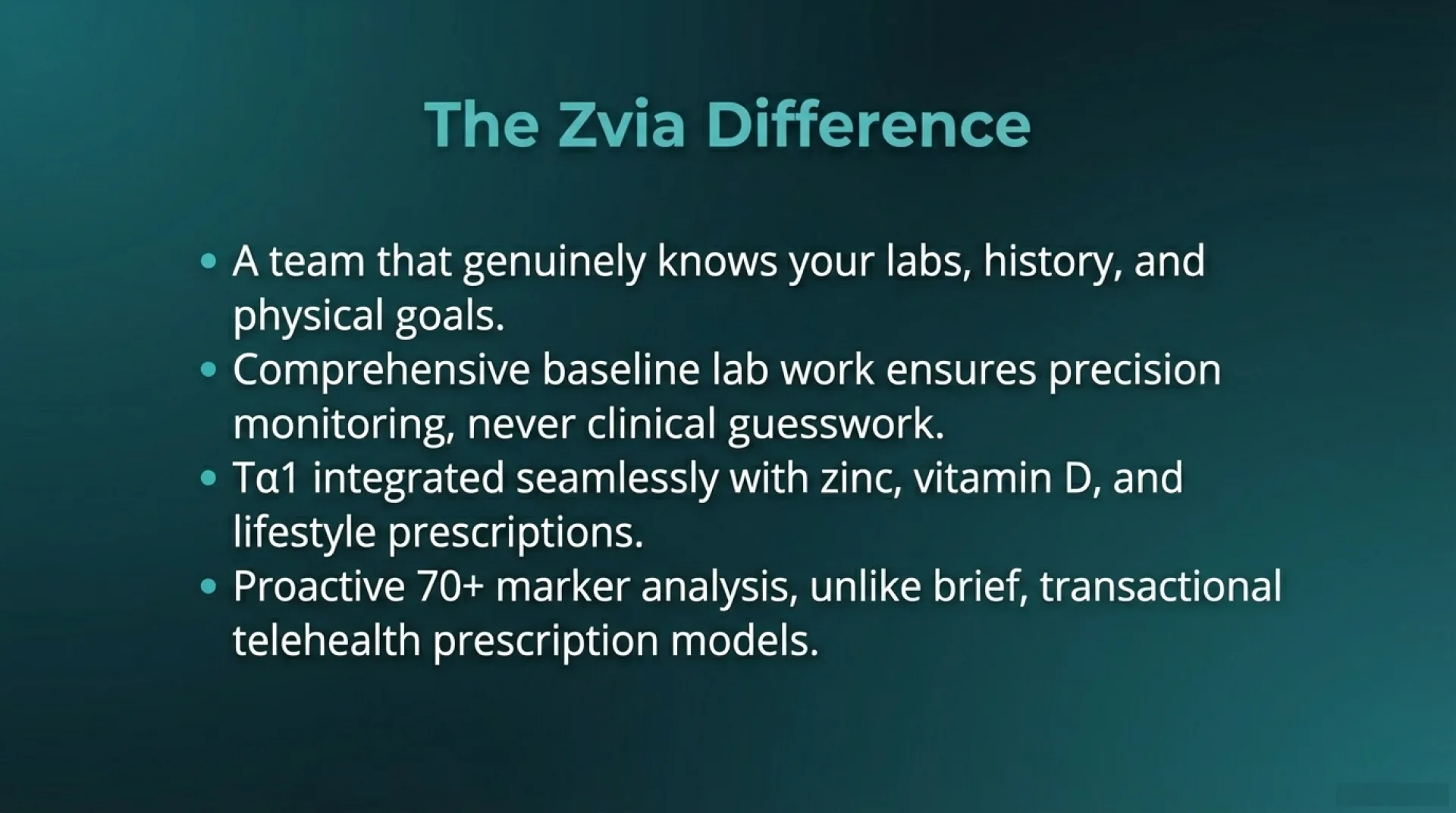
What sets Zvia apart in immune health and longevity medicine isn’t any single peptide — it’s the rigor behind every recommendation. A standalone prescription has never been the model here. Whatever the therapeutic tool, your Zvia provider starts with comprehensive lab work — immune panels, inflammatory markers, nutritional status — because understanding your specific immune landscape is what separates precision care from generic prescribing.
That’s the philosophy that would shape any future Thymosin Alpha-1 protocol as well. Dosing calibrated to baseline immune function, not a one-size-fits-all starting point. Delivery method matched to clinical profile and lifestyle. Nutritional cofactors like zinc, selenium, and vitamin D prescribed at provider-determined levels. Activity and sleep treated as clinical variables that support the outcome, not afterthoughts. Follow-up labs used to track response and adjust course as markers evolve.
This is the difference between a team that genuinely understands what it’s prescribing and why — a team that runs 70+ marker panels because they care enough to get the full picture — and the increasingly common telehealth model where a brief call results in a generic peptide prescription with minimal oversight. At Zvia Weight Loss & MedSpa, provider expertise, clinical depth, and an ongoing relationship are the protocol, whatever tool from the immune-health category is on the table. Thymosin Alpha-1 remains under FDA regulatory review; when it becomes available through a fully compliant pathway, it will be delivered with that same precision.
Continue exploring
Glutathione: How It Works, What to Expect, and Why Oversight Matters
Glutathione is your body's master antioxidant — a tripeptide that neutralizes oxidative damage, powers Phase II detoxification, and supports immune function under provider-directed care at Zvia Weight Loss & MedSpa in Lakewood, CO.
NAD+: How It Works, What to Expect, and Why Oversight Matters
NAD+ is a coenzyme required for more than 500 enzymatic reactions, including energy production, DNA repair, and sirtuin signaling. Learn what the human evidence does and doesn't yet show, and how provider-directed NAD+ protocols work at Zvia Weight Loss & MedSpa in Lakewood, CO.
Educational purposes only. Provider-supervised protocols required. Results may vary based on individual biological response.
Common questions about Thymosin Alpha-1
Is Thymosin Alpha-1 safe?
How long does Thymosin Alpha-1 take to work?
What are the side effects of Thymosin Alpha-1?
How is Thymosin Alpha-1 administered?
Who is a good candidate for Thymosin Alpha-1?
Contact us to discuss your options — including therapies not yet listed here.
References
- 1. Dominari A, Hathaway D III, Pandya K, et al. Thymosin alpha 1: A comprehensive review of the literature . World Journal of Virology (2020).
- 2. Dinetz R, et al. Comprehensive Review of the Safety and Efficacy of Thymosin Alpha 1 in Human Clinical Trials . Alternative Therapies in Health and Medicine (2024).
- 3. Rost KL, et al. Pharmacokinetics of thymosin alpha1 after subcutaneous injection of three different formulations in healthy volunteers . International Journal of Clinical Pharmacology and Therapeutics (1999).
- 4. Chen Y, et al. Thymosin alpha 1 alleviates inflammation and prevents infection in patients with severe acute pancreatitis through immune regulation: a systematic review and meta-analysis . Frontiers in Immunology (2025).
- 5. Various Aging and Thymosin Alpha-1 . International Journal of Molecular Sciences (2025).
- 6. National Clinical Research Center for Infectious Diseases et al. Expert Consensus on the Clinical Application of Thymosin α1 in Infectious Diseases and Critical Care Medicine . Infectious Microbes & Diseases (2025).
- 7. Shen Y, et al. Thymosin Alpha1-Fc Modulates the Immune System and Down-regulates the Progression of Melanoma and Breast Cancer with a Prolonged Half-Life . Scientific Reports (2018).
- 8. Various Thymosin alpha 1 restores the immune homeostasis in lymphocytes during Post-Acute sequelae of SARS-CoV-2 infection . PMC (2023).
- 9. Various Role of thymosin α1 in restoring immune response in immunological nonresponders living with HIV . BMC Infectious Diseases (2024).
- 10. SciClone Pharmaceuticals Zadaxin (Thymalfasin) Prescribing Information . RxList (2023).
- 11. DrugBank Thymalfasin: Uses, Interactions, Mechanism of Action . DrugBank (2024).
- 12. Tuthill C, et al. Immune Modulation with Thymosin Alpha 1 Treatment . Vitamins and Hormones (2016).