When Did Recovery Become the Hardest Part of Your Day?
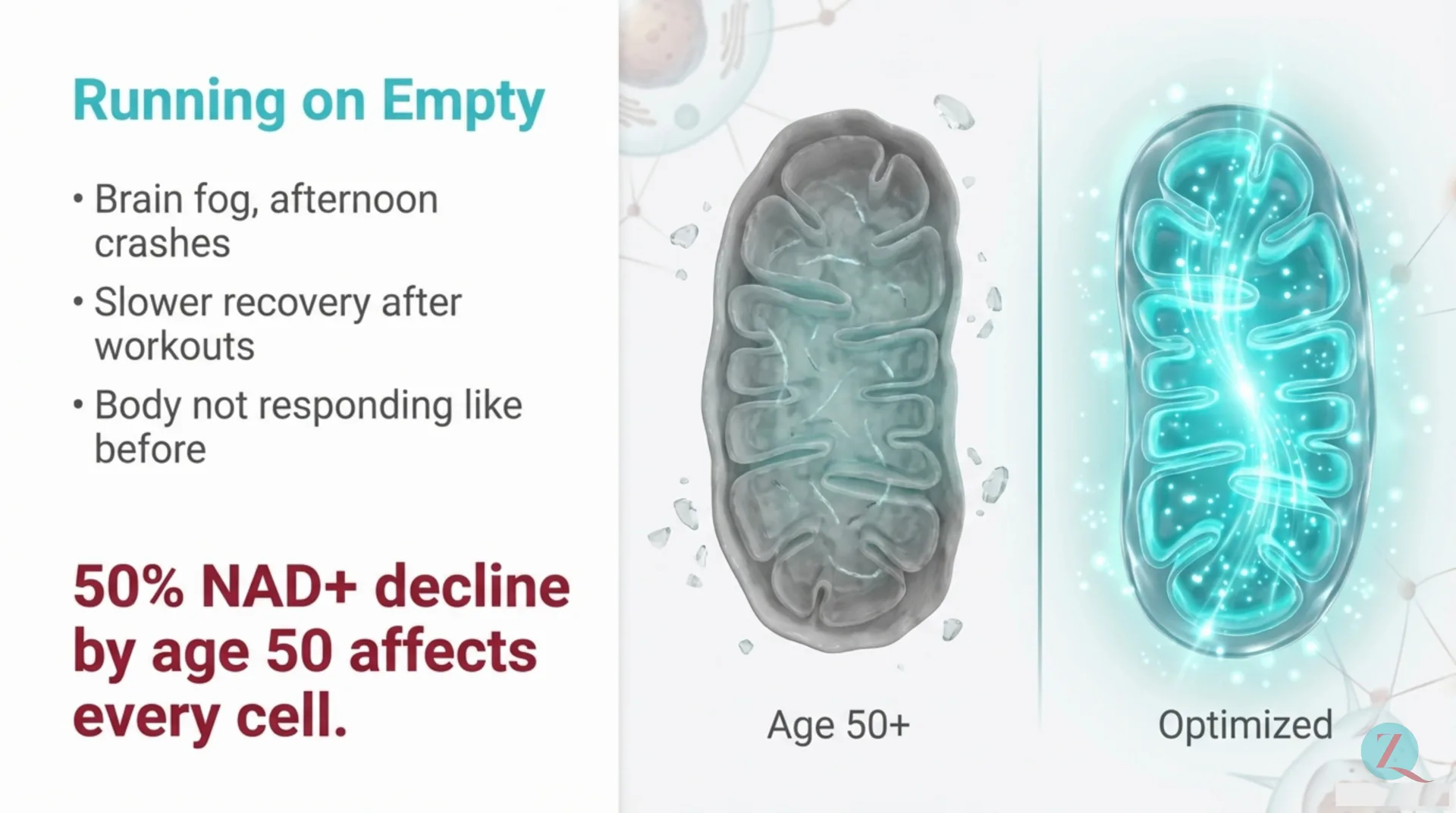
You're showing up — eating well, staying active, doing the work — and your body still isn't keeping pace. The energy dips earlier. The sharpness takes longer to find. Bouncing back from a tough week feels like it used to take a day, not a week.
10-minute audio overview — how NAD+ works, delivery methods, and your expected timeline
What Is NAD+?
You’re doing everything you can think of — eating well, staying active, showing up for your health — and yet the energy isn’t there. The mental sharpness that used to come easily now takes effort. Recovery from workouts, travel, even a bad night of sleep feels slower than it should. It’s not laziness. It’s not “just getting older.” Something at the cellular level has shifted, and your body is telling you about it in ways that are hard to ignore.
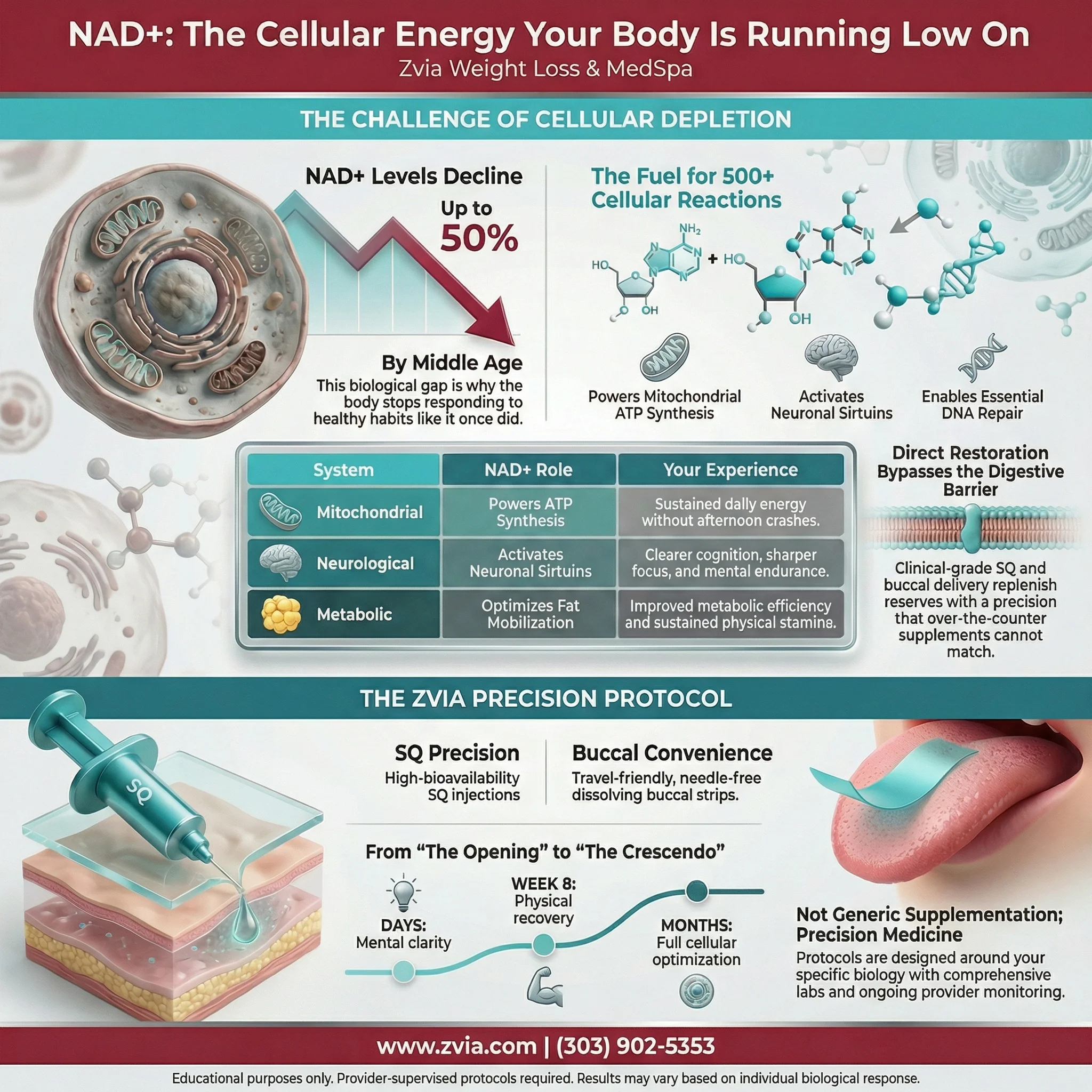
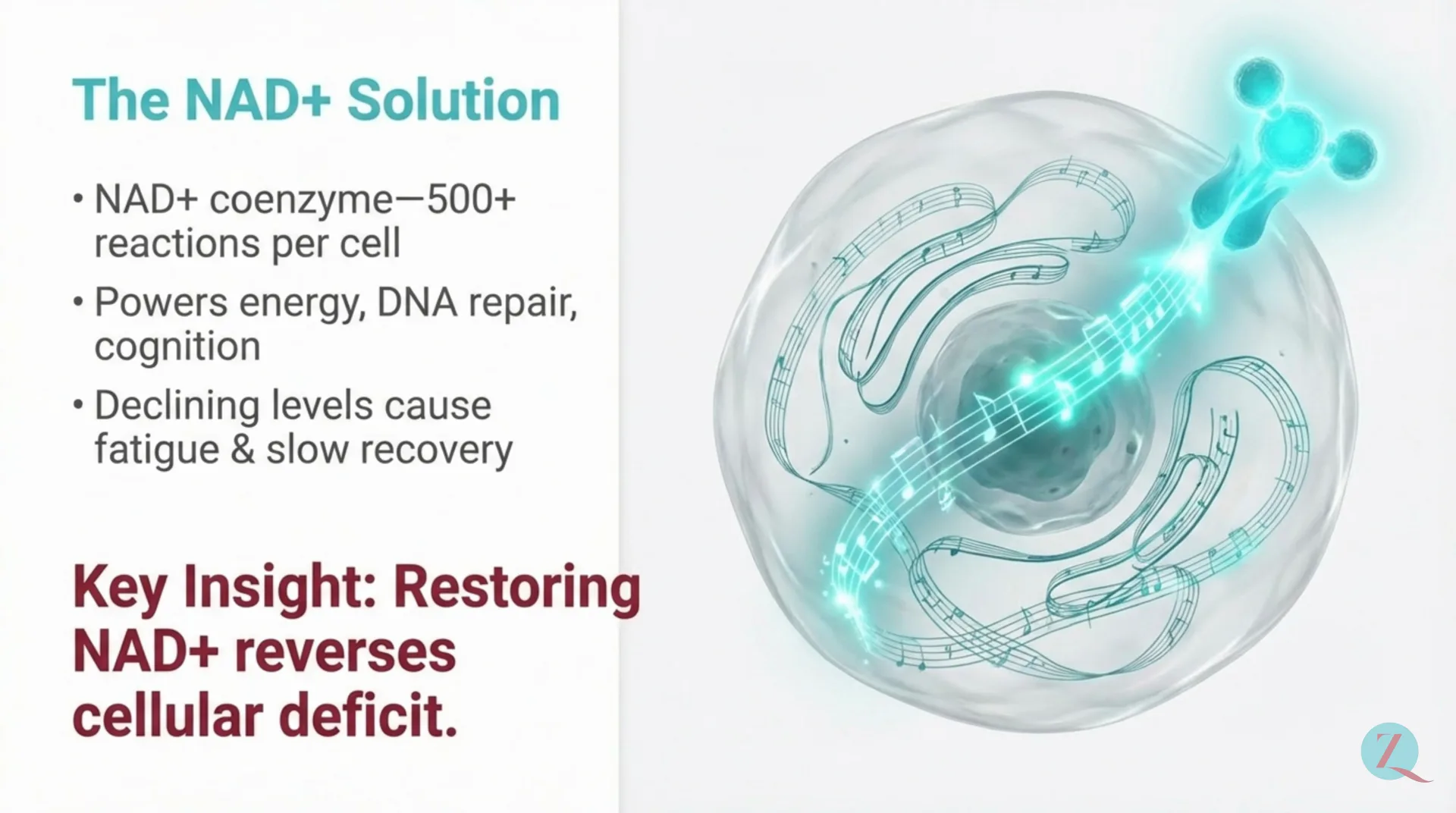
Nicotinamide adenine dinucleotide (NAD+) is the molecule at the center of that shift. It’s a coenzyme — a critical helper molecule — present in every cell in your body, and it is required for more than 500 enzymatic reactions 1. It serves two distinct jobs: it carries electrons through the pathways that turn food into energy, and it is consumed as a substrate by enzymes that govern DNA repair, immune signaling, and metabolic regulation 1, 2. It is, in the most practical sense, the fuel your cells need to do their jobs.
Here’s the challenge: NAD+ declines with age. In a community study of 1,518 adults, whole blood NAD+ averaged 33.0 ± 5.5 µmol/L, was higher in men than in women (34.5 versus 31.3 µmol/L), and showed a downward trend with age that reached significance in the 40–49 year group 3. Obesity and sedentary habits appear to accelerate that decline further 4. When NAD+ drops, the downstream effects touch a lot at once — energy metabolism, DNA repair, inflammatory signaling. Supporting NAD+ isn’t a reset button. It’s one lever, and it’s a meaningful one.
How Does It Work?
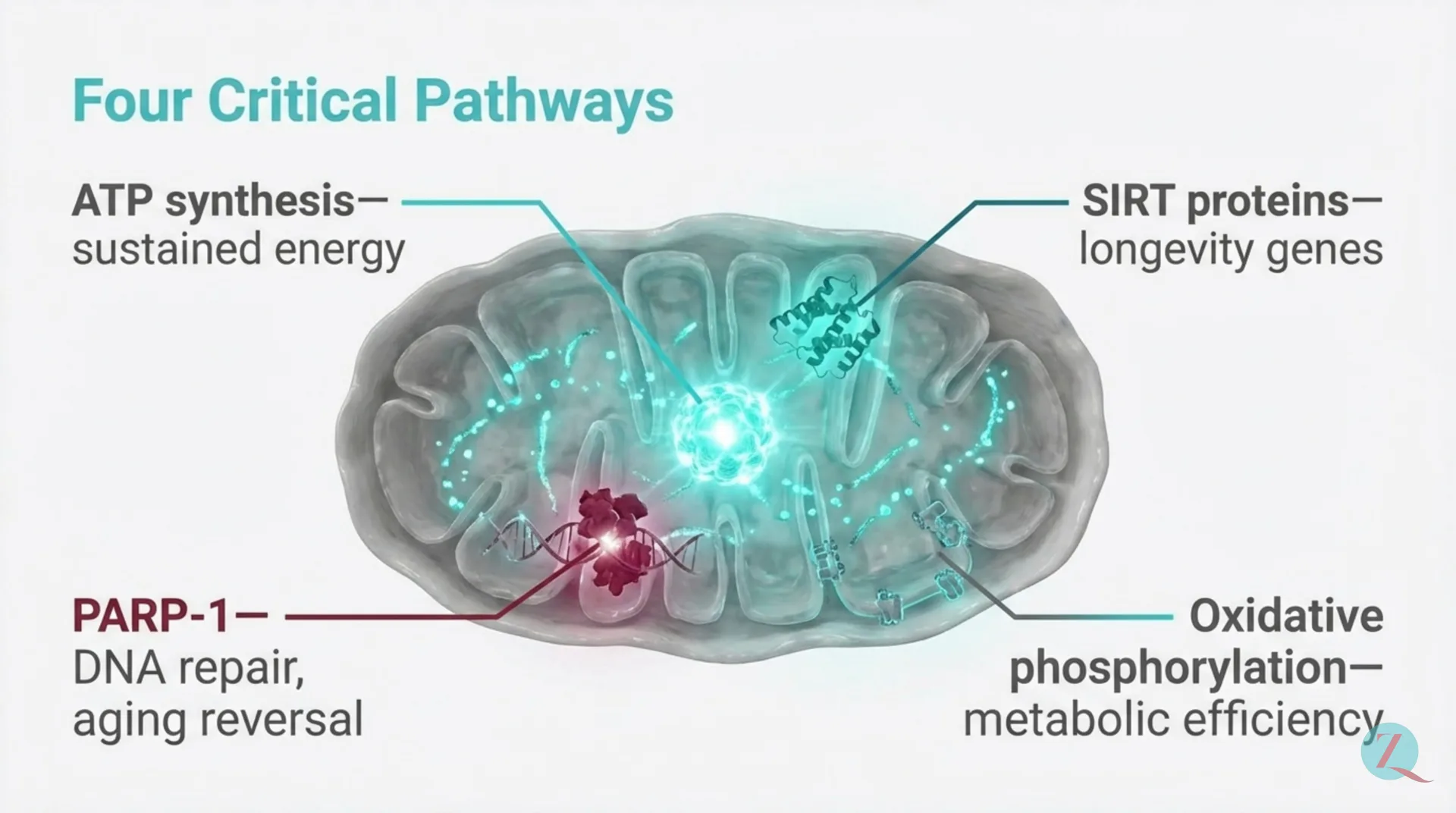
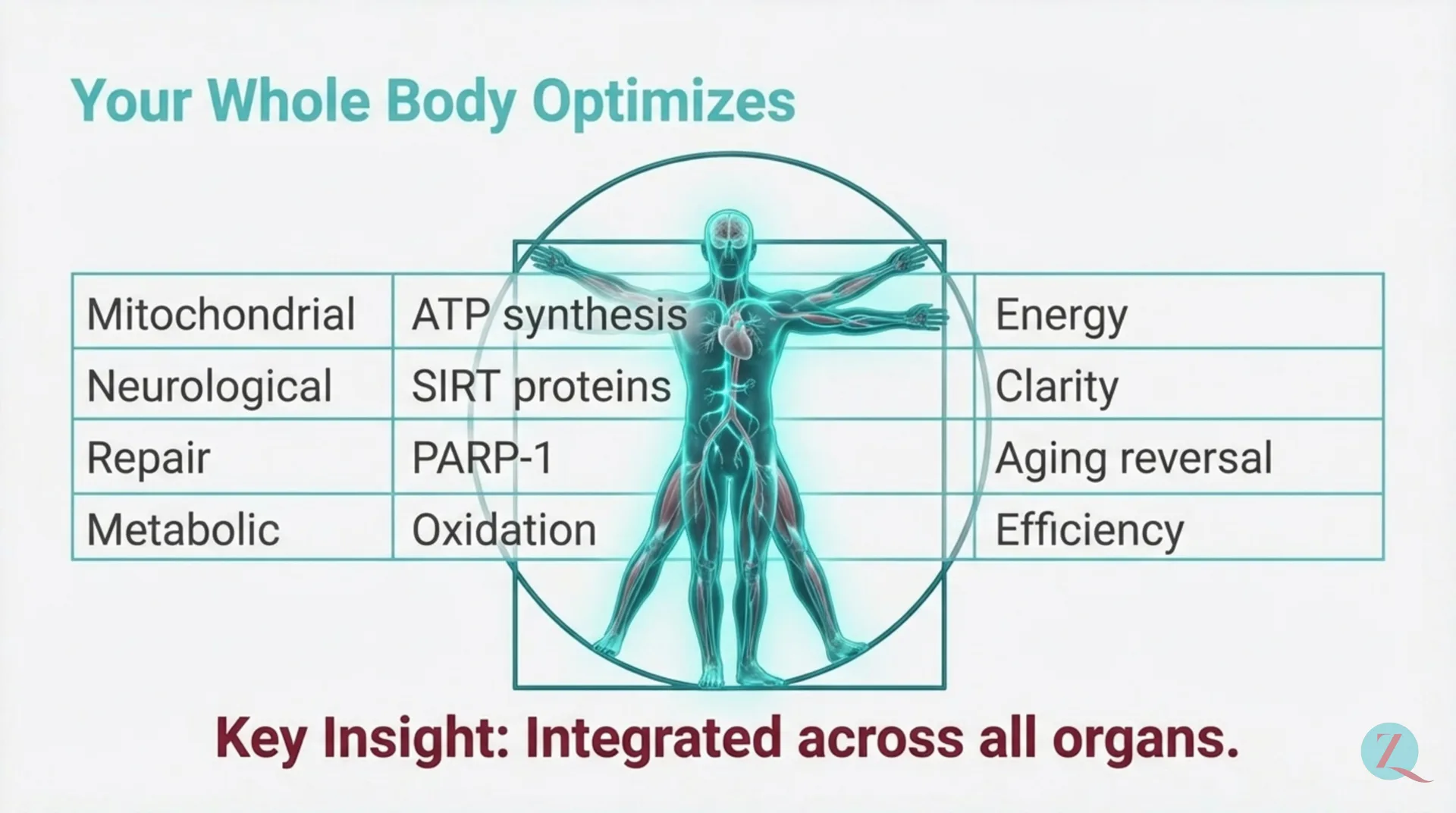
NAD+ functions through two primary roles in your cells: as a redox coenzyme driving energy metabolism, and as a co-substrate consumed by three families of enzymes that regulate repair, inflammation, and metabolic timing 1, 2.
The Energy Engine
NAD+ shuttles electrons through glycolysis, the TCA cycle, and fatty acid oxidation — the pathways that convert food into ATP, your body’s usable energy currency 2. Much of that work happens inside mitochondria, which maintain their own NAD+ pool distinct from the pool in the nucleus and cytoplasm 2. When NAD+ in cardiac and other tissues falls, ATP production suffers, and the consequences show up as reduced functional capacity 5.
The Repair and Longevity Pathways
Beyond energy, NAD+ is consumed by three enzyme families that govern your body’s resilience:
Sirtuins (SIRT1–SIRT7): These NAD+-dependent enzymes regulate gene expression, metabolic function, circadian rhythm, inflammation, and stress response. SIRT1 has been shown in preclinical models to protect against decline in vascular endothelial function, metabolic syndrome, and obesity 4. NAD+ biosynthesis and SIRT1 also work together to regulate the circadian clock, with SIRT1 acting directly on core clock components 2. When NAD+ is sufficient, sirtuins have the substrate they need. When it drops, sirtuin signaling falls with it.
PARPs (poly-ADP-ribose polymerases): These enzymes detect and repair DNA damage, consuming NAD+ to do it 6. Significant decreases in intracellular NAD+ have been documented in brain and other cell types following DNA strand breaks and PARP activation 7. Over time, chronic PARP activation and declining sirtuin activity can reinforce each other — what Imai and Guarente describe as an autocatalytic downward spiral 2. Interrupting that cycle is the rationale behind NAD+ support.
CD38: This enzyme is upregulated by inflammatory cytokines released from senescent cells, and rising CD38 activity is associated with decreasing tissue NAD+ 5. Reducing chronic inflammation — through lifestyle work and targeted therapeutic support — helps preserve NAD+ for the pathways that need it.
Because NAD+ is continuously cleaved and resynthesized rather than simply recycled, even moderate drops in cellular concentration change the signaling of NAD+-consuming enzymes 1. That’s the case for keeping supply in step with demand, particularly once age, stress, and inflammation have tilted the balance.
What Are the Benefits of NAD+?
A word before the list. Preclinical work on NAD+ is genuinely exciting, and the human trials are real but small, short, and not always consistent with each other. A 2025 review in Nature Metabolism put it plainly: while preclinical studies support NAD+ precursor supplementation as a promising strategy, human clinical trials have shown limited efficacy, and the published data on NAD+ in human tissues remains sparse 8. We’d rather set honest expectations than have you measure your results against someone else’s brochure. Here’s what the evidence actually shows.
Cellular Energy Production
NAD+ is the coenzyme that makes electron transfer in energy metabolism possible, and inadequate NAD+ in tissue is associated with inadequate ATP production 5. That mechanism is well established. What is less established is how reliably supplementation translates into felt energy in healthy adults — reviewers of the human trial literature describe only limited data showing clinically relevant improvements in physiological function 9.
DNA Repair and Genomic Stability
NAD+ is the required substrate for PARP-dependent DNA repair, and raising extracellular NAD+ has been shown to enhance PARP-dependent repair capacity in cell models 6. Conversely, heavy PARP activation after DNA damage measurably depletes cellular NAD+ 7. Keeping the substrate available is the point.
Sirtuin Signaling and Metabolic Health
Adequate NAD+ gives the sirtuin family — particularly SIRT1 — the substrate it needs, and SIRT1 activity is tied to insulin sensitivity, vascular function, and inflammatory regulation in preclinical models 4.
The most-cited human result here deserves its full context. In a 10-week randomized, placebo-controlled trial, the NAD+ precursor NMN at 250 mg/day increased muscle insulin sensitivity by 25 ± 7% (p<0.01) — in 25 postmenopausal women with prediabetes and a BMI between 25.3 and 39.1 10. Body composition, blood pressure, plasma glucose, insulin, lipids, and liver and adipose insulin sensitivity did not change 10. A published technical comment also questioned aspects of the group allocation in that trial 11. So: a real, peer-reviewed finding in a specific population, not a general result in “adults,” and not yet reproduced at scale.
Cardiovascular Support
Early human work here is promising but still small. In a six-week randomized crossover trial in 24 healthy middle-aged and older adults, nicotinamide riboside at 500 mg twice daily raised NAD+ in circulating immune cells by about 60% and trended toward lower systolic blood pressure (−3.9 mmHg) and lower aortic stiffness — but neither cardiovascular change reached statistical significance once the authors corrected for multiple comparisons, and they framed both as questions for larger trials rather than as results 12. We’ll be straight with you: this is an area we’re watching closely, not one we’d sell you on.
Cognitive Clarity
Many of our clients describe improved mental clarity and reduced brain fog as among the earliest changes they notice, and that’s consistent with NAD+‘s role in energy metabolism and SIRT1-dependent signaling 2, 4. We report that as what clients tell us, because that’s what it is — the controlled human trial evidence for cognitive outcomes from NAD+ precursors remains limited 9.
Recovery and Resilience
The rationale is the same one running through everything above: mitochondrial energy production and NAD+-dependent repair enzymes both depend on available substrate 2, 5. Whether that produces a recovery benefit you can feel is individual, and it’s exactly what your provider is watching for.
How Long Does NAD+ Take to Work?
Every body responds on its own schedule, and your Zvia provider monitors your progress with lab work and clinical assessment. What follows blends measured findings from the research with what we observe in practice — and we’ll tell you which is which.
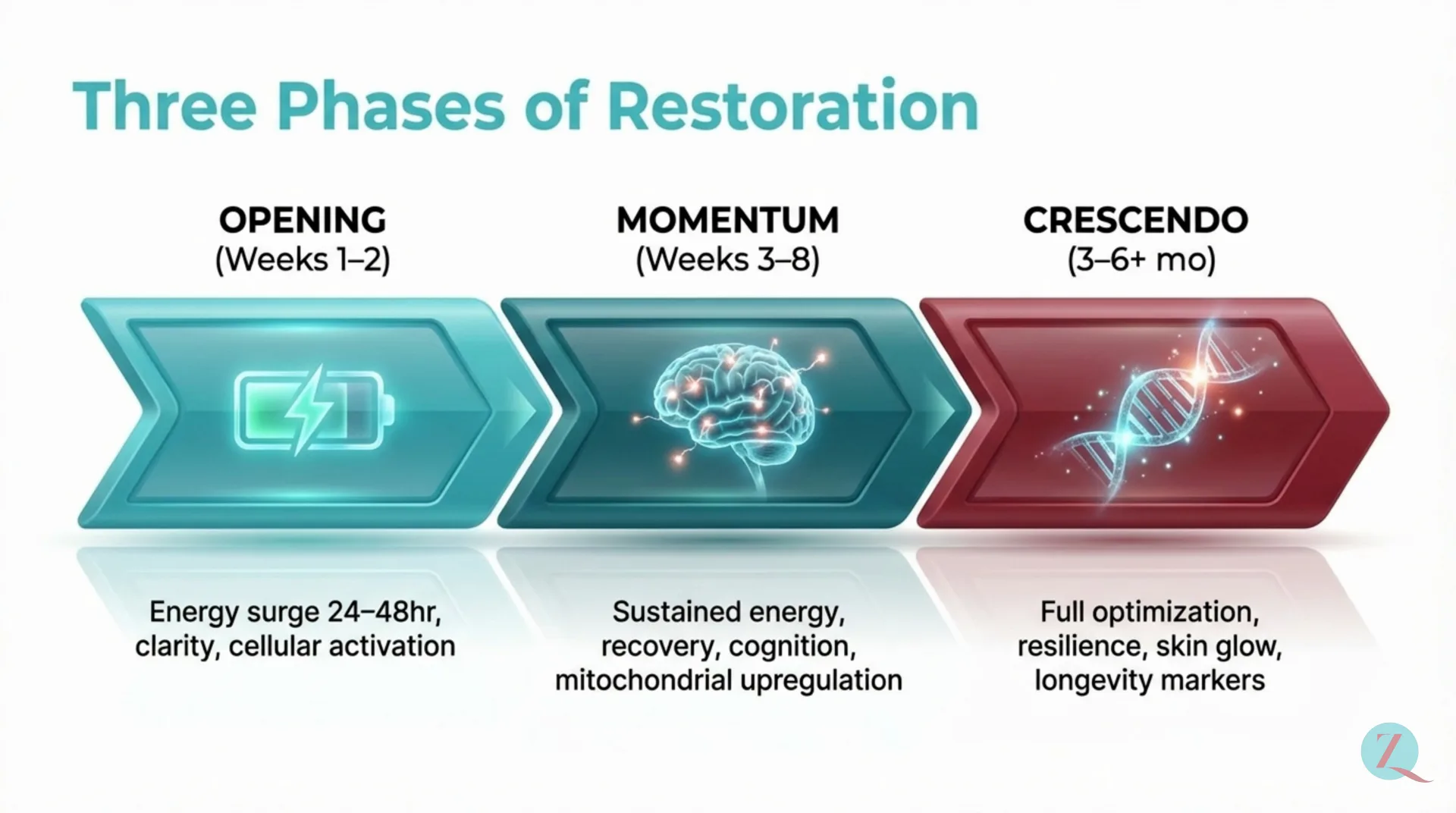
The Opening (Weeks 1–3)
Circulating NAD+ responds quickly. In a randomized, placebo-controlled study of 65 healthy adults, 14 days of NR or NMN supplementation comparably increased circulatory NAD+ concentrations 13. What clients most often report to us in this window is steadier energy, better sleep, and a subtle lift in mental clarity. Some describe it as “the fog lifting.” Those are client reports, not trial endpoints, and not everyone experiences them.
Building Momentum (Weeks 4–8)
This is the window where the measured biochemical change is best documented: six weeks of nicotinamide riboside at 500 mg twice daily raised NAD+ in peripheral blood mononuclear cells by roughly 60% compared with placebo 12. In practice, this is where clients tend to describe more consistent energy across the day and better recovery from hard efforts. Your provider is looking at your labs alongside those reports.
The Longer Arc (Weeks 8–16+)
Here the honest answer is that trials this long, in this population, mostly don’t exist yet 8, 9. What we observe across our own NAD+ protocols is that clients who stay consistent — with dosing and with the lifestyle side of the plan — tend to describe feeling more resilient and more recovered than when they started. Your Zvia provider adjusts dosing and delivery as your labs and your experience evolve, and will recommend stopping if you’re not getting a return.
Timeline Note: Individual timelines vary based on baseline NAD+ status, age, and metabolic health. Some people notice a clear change. Some don’t. That’s not a failure of effort on your part, and it’s information we use.
Is NAD+ Right for You?
Because NAD+ is foundational to every cell, the questions it raises come up across a wide range of presentations.
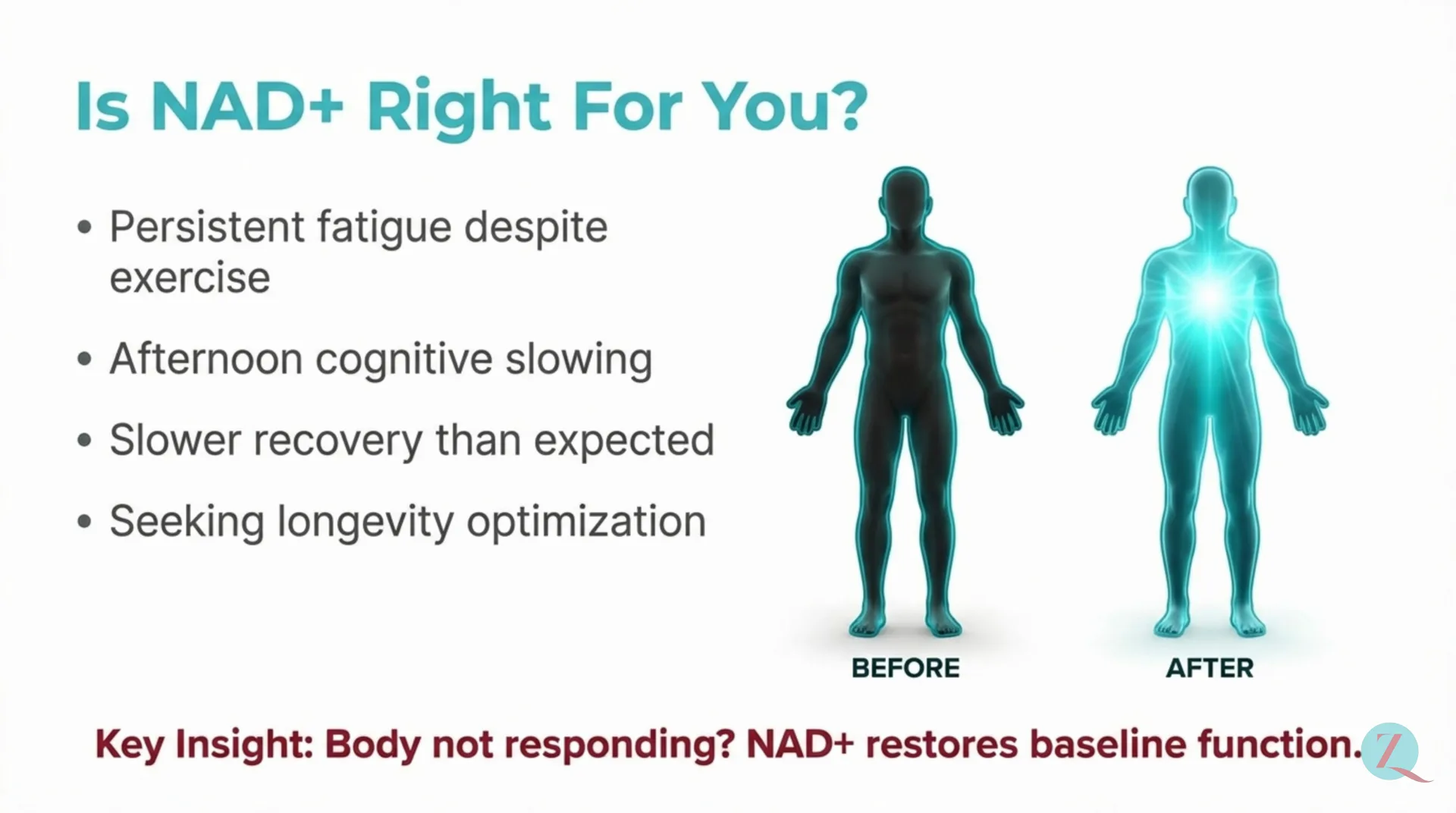
If you’ve been dealing with persistent fatigue that doesn’t resolve with sleep, brain fog that makes focus a struggle, or recovery capacity that’s clearly declined — NAD+ status may be worth evaluating. This is especially true if you’re over 40, have experienced chronic stress, or have a history of metabolic challenges.
If you’re already active and healthy but looking to optimize cognitive performance, physical resilience, and long-term vitality — NAD+ is one input among several, and your provider will be candid with you about where the evidence is strong and where it’s still forming.
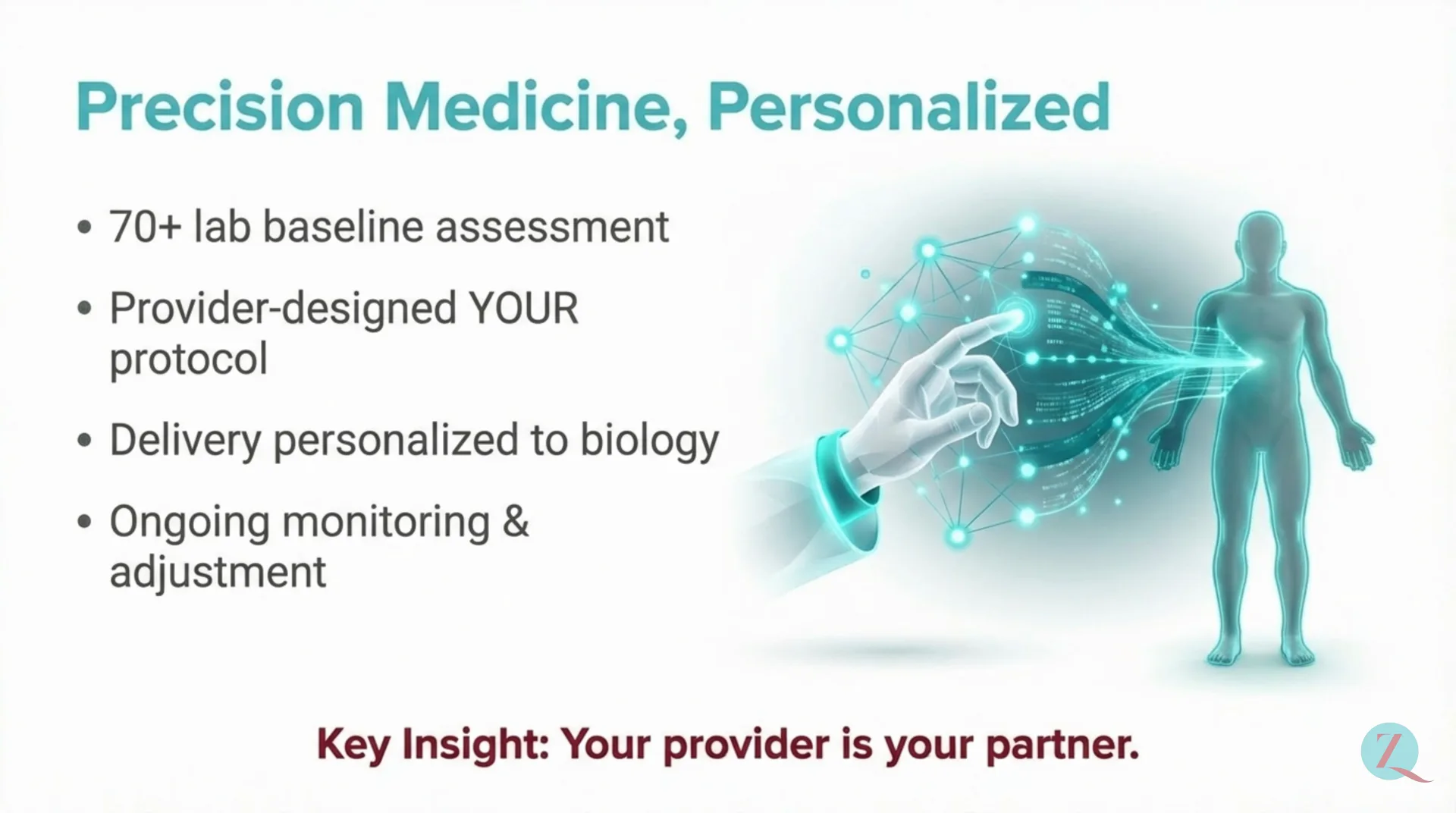
Your Zvia provider will evaluate your labs — including metabolic markers and inflammatory indicators — along with your health history and goals, to determine whether NAD+ support is a reasonable fit and which delivery method best matches your physiology. This is precision, not guesswork.
What Does a NAD+ Protocol Involve?
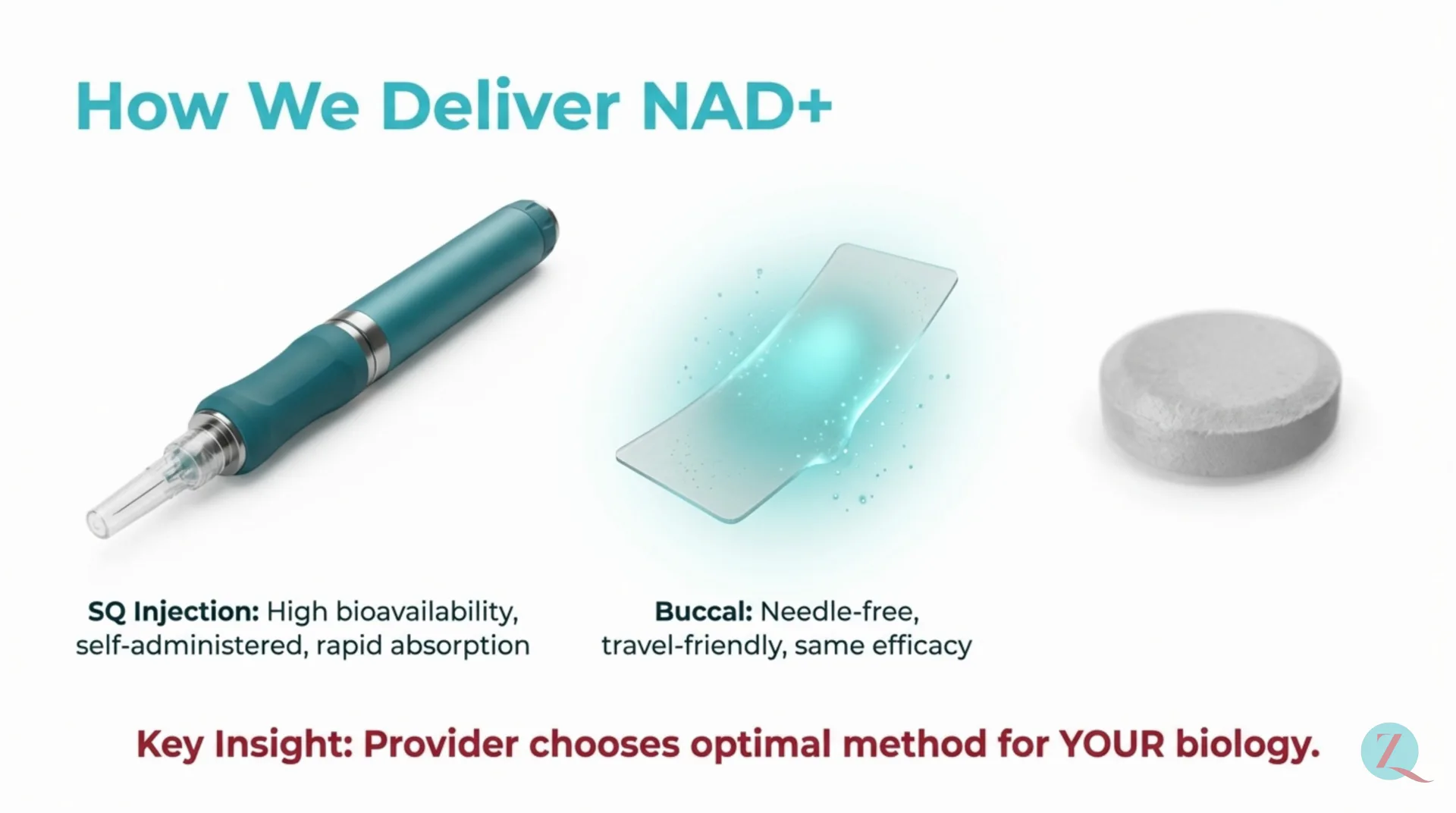
NAD+ at Zvia is available via two delivery methods, and your provider selects the approach based on your clinical profile, lifestyle, and goals.
Subcutaneous Injection (SQ)
Subcutaneous NAD+ delivers the molecule into tissue beneath the skin, where it absorbs into the bloodstream more gradually than an intravenous push — which avoids the rapid spike and the flushing and chest tightness that can accompany IV delivery. SQ offers precision dosing with titration capability, so your provider can adjust as your labs and your response evolve. Most clients self-administer at home after initial in-office training.
Buccal Strip
Buccal NAD+ uses a thin dissolving strip placed against the inner cheek, where the vascularized oral mucosa absorbs the molecule into systemic circulation — bypassing the digestive tract and hepatic first-pass metabolism. That’s the pharmacological rationale, and it’s sound. The human evidence testing whether it actually beats swallowing a capsule is thinner than the marketing around it suggests: in the first direct human crossover comparison, 14 healthy men given the NAD+ precursor NMN by sublingual versus oral route showed higher early appearance of the terminal catabolites 2PY and 4PY with sublingual dosing, but no significant difference in blood NAD+ between the two routes 14. Both were well tolerated.
We offer the buccal strip because it’s needle-free, travel-friendly, and easy to stay consistent with — and consistency is not a small thing. We don’t offer it on a claim that it outperforms other routes, because that claim isn’t established.
Delivery Comparison
| Method | Absorption Profile | Key Advantage | Best For |
|---|---|---|---|
| Subcutaneous (SQ) | Gradual, sustained | Precision dosing, titration capability | Clients needing clinical dose control and sustained delivery |
| Buccal Strip | Mucosal absorption, no first-pass metabolism | Needle-free, daily convenience | Clients prioritizing ease of use and travel-friendly consistency |
Your Zvia provider in Lakewood, Colorado determines the delivery method — or a combination of both — based on your clinical needs, lifestyle, and how your body responds. This isn’t a preference menu. It’s a clinical decision informed by your labs and your goals.
Your Protocol Beyond Delivery
NAD+ doesn’t work in isolation. Your protocol includes lifestyle components that are integral to the therapeutic outcome — not optional add-ons:
Nutrition: Your Zvia care team provides nutritional guidance to support NAD+ synthesis and reduce the dietary patterns that burden it. A diet built around lean proteins, green vegetables, and mushrooms supplies NAD+ precursors and complements therapeutic delivery.
Prescribed Activity: Your provider prescribes exercise type, frequency, and intensity calibrated to your goals, and you’ll work with outside fitness professionals to carry it out. This one has real human data behind it: NAMPT catalyzes the first and rate-limiting step in converting nicotinamide to NAD+, trained athletes carry roughly twice the skeletal muscle NAMPT of sedentary subjects, and three weeks of exercise training raised NAMPT protein by 127% in previously sedentary participants 15. Exercise is a genuine amplifier of your protocol, not a footnote to it.
Sleep Optimization: NAD+ biosynthesis and SIRT1 work together to regulate circadian rhythm, with SIRT1 acting directly on core clock machinery 2. Sleep and NAD+ metabolism are wired to each other, which is why your care team treats sleep as part of the protocol rather than an afterthought.
Stress Management: Chronic inflammation drives CD38 expression, and rising CD38 activity is associated with falling tissue NAD+ 5. Your care team addresses stress as a clinical variable, not a footnote.
Why Oversight Matters
This is the part a supplement label won’t tell you. Reviewers assessing the safety of nicotinamide — the most common NAD+ precursor in over-the-counter products — concluded that current usage levels appear safe, but identified potential risks from chronic high-dose use, including effects on cellular methyl metabolism and DNA methylation, and noted that nicotinamide itself inhibits PARPs, the very enzymes that protect genome integrity 16. Meanwhile, the pharmacokinetics of the various NAD+ precursors differ substantially from one another 7, and the human trials that do exist are small and short 8, 9.
None of that means NAD+ support is a bad idea. It means dose, form, duration, and monitoring are real clinical decisions with real trade-offs — which is precisely the case for having a provider make them with you, and revisit them as your labs come back.
Why Choose Zvia for NAD+?
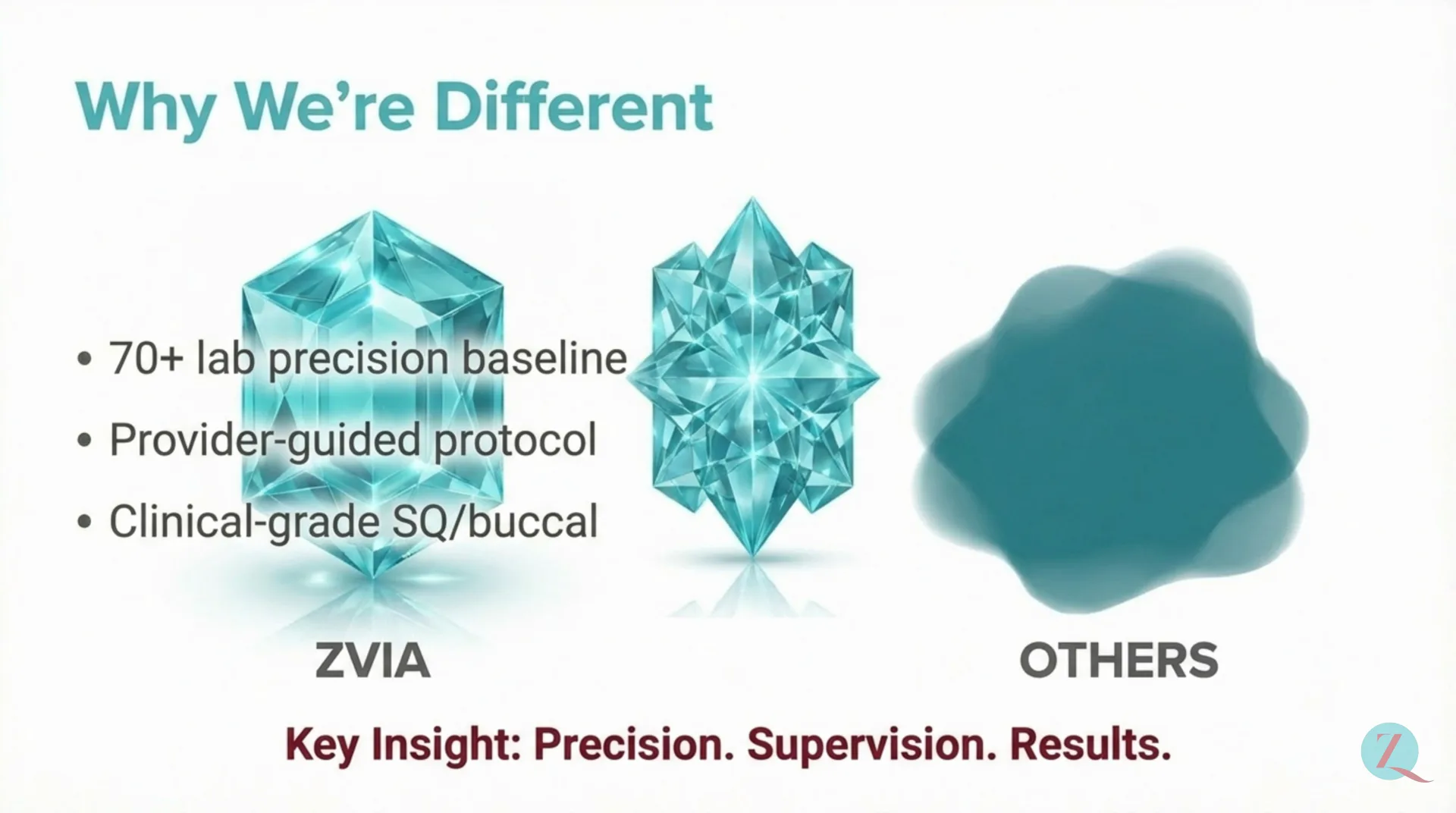
NAD+ is available from many sources. What makes the Zvia approach different isn’t the molecule. It’s the precision behind how it’s deployed and the people who manage your protocol.
Your Zvia provider starts with comprehensive lab work — metabolic panels, inflammatory markers, the data that reveals what’s happening at the cellular level. From there, they build a protocol specific to your biology: the delivery method, the dosing, and the lifestyle prescriptions that give NAD+ the best chance to matter. And they adjust as you progress, because your biology isn’t static and neither is the evidence.
The clinical care team at Zvia Weight Loss & MedSpa monitors your response, refines your prescriptions, and ensures your NAD+ protocol works in concert with your full therapeutic plan — not a standalone supplement, but one calibrated element of your entire biological picture.
What you’ll also notice is that the people at Zvia genuinely care about your outcome. They spend real time with you. They remember your story. They call to check in — not because a system told them to, but because that’s how they operate. The clinical rigor is the caring — running comprehensive labs because your health deserves that attention, adjusting protocols because your progress matters to them personally, and telling you the truth about what the research does and doesn’t show because you deserve that too.
Educational purposes only. Provider-supervised protocols required. Results may vary based on individual biological response.
Common questions about NAD+
Is NAD+ therapy safe?
How long does NAD+ take to work?
What are the side effects of NAD+ therapy?
How is NAD+ administered?
Who is a good candidate for NAD+ therapy?
Discuss whether NAD+ is right for you with our clinical team.
References
- 1. Poljšak B, Kovač V, Špalj S, Milisav I The Central Role of the NAD+ Molecule in the Development of Aging and the Prevention of Chronic Age-Related Diseases: Strategies for NAD+ Modulation . International Journal of Molecular Sciences 24(3) , 2959 (2023).
- 2. Imai S, Guarente L NAD+ and sirtuins in aging and disease . Trends in Cell Biology 24(8) , 464-471 (2014).
- 3. Yang F, Deng X, Yu Y, Luo L, Chen X, Zheng J, Qiu Y, Xiao F, Xie X, Zhao Y, Guo J, Hu F, Zhang X, Ju Z, Zhou Y Association of Human Whole Blood NAD+ Contents With Aging . Frontiers in Endocrinology 13 , 829658 (2022).
- 4. Kane AE, Sinclair DA Sirtuins and NAD+ in the Development and Treatment of Metabolic and Cardiovascular Diseases . Circulation Research 123(7) , 868-885 (2018).
- 5. Abdellatif M, Sedej S, Kroemer G NAD+ Metabolism in Cardiac Health, Aging, and Disease . Circulation 144(22) , 1795-1817 (2021).
- 6. Wilk A, Hayat F, Cunningham R, Li J, Garavaglia S, Zamani L, et al. Extracellular NAD+ enhances PARP-dependent DNA repair capacity independently of CD73 activity . Scientific Reports 10 , 651 (2020).
- 7. Braidy N, Berg J, Clement J, Khorshidi F, Poljak A, Jayasena T, Grant R, Sachdev P Role of Nicotinamide Adenine Dinucleotide and Related Precursors as Therapeutic Targets for Age-Related Degenerative Diseases: Rationale, Biochemistry, Pharmacokinetics, and Outcomes . Antioxidants & Redox Signaling 30(2) , 251-294 (2019).
- 8. Vinten KT, Trętowicz MM, Coskun E, van Weeghel M, Cantó C, Zapata-Pérez R, Janssens GE, Houtkooper RH NAD+ precursor supplementation in human ageing: clinical evidence and challenges . Nature Metabolism (2025).
- 9. Freeberg KA, Udovich CC, Martens CR, Seals DR, Craighead DH Dietary Supplementation With NAD+-Boosting Compounds in Humans: Current Knowledge and Future Directions . The Journals of Gerontology Series A: Biological Sciences and Medical Sciences 78(12) , 2435-2448 (2023).
- 10. Yoshino M, Yoshino J, Kayser BD, Patti GJ, Franczyk MP, Mills KF, Sindelar M, Pietka T, et al. Nicotinamide mononucleotide increases muscle insulin sensitivity in prediabetic women . Science 372(6547) , 1224-1229 (2021).
- 11. Brenner C Comment on "Nicotinamide mononucleotide increases muscle insulin sensitivity in prediabetic women" . Science 373(6554) , eabj1696 (2021).
- 12. Martens CR, Denman BA, Mazzo MR, Armstrong ML, Reisdorph N, McQueen MB, Chonchol M, Seals DR Chronic nicotinamide riboside supplementation is well-tolerated and elevates NAD+ in healthy middle-aged and older adults . Nature Communications 9 , 1286 (2018).
- 13. Christen S, Redeuil K, Goulet L, Giner MP, Breton I, Rota R, Frézal A, Nazari A, Van den Abbeele P, Godin JP, Nutten S, Cuenoud B The differential impact of three different NAD+ boosters on circulatory NAD and microbial metabolism in humans . Nature Metabolism (2026).
- 14. Wakabayashi J, Higashi S, Morifuji M Sublingual NMN administration increases early circulating terminal catabolites 2PY and 4PY compared with oral administration in healthy adult men . Scientific Reports (2026).
- 15. Costford SR, Bajpeyi S, Pasarica M, Albarado DC, Thomas SC, Xie H, Church TS, Jubrias SA, Conley KE, Smith SR Skeletal muscle NAMPT is induced by exercise in humans . American Journal of Physiology - Endocrinology and Metabolism 298(1) , E117-E126 (2010).
- 16. Hwang ES, Song SB Possible Adverse Effects of High-Dose Nicotinamide: Mechanisms and Safety Assessment . Biomolecules 10(5) , 687 (2020).