Your Cells Are Fighting Oxidative Damage — And Losing
Morning grogginess that won't quit. Muscles that recover slowly. Brain fog. Colds that linger for weeks. Something underneath feels depleted — like your body's defense system is running on fumes. Sometimes that's exactly what's happening, and it's worth finding out.
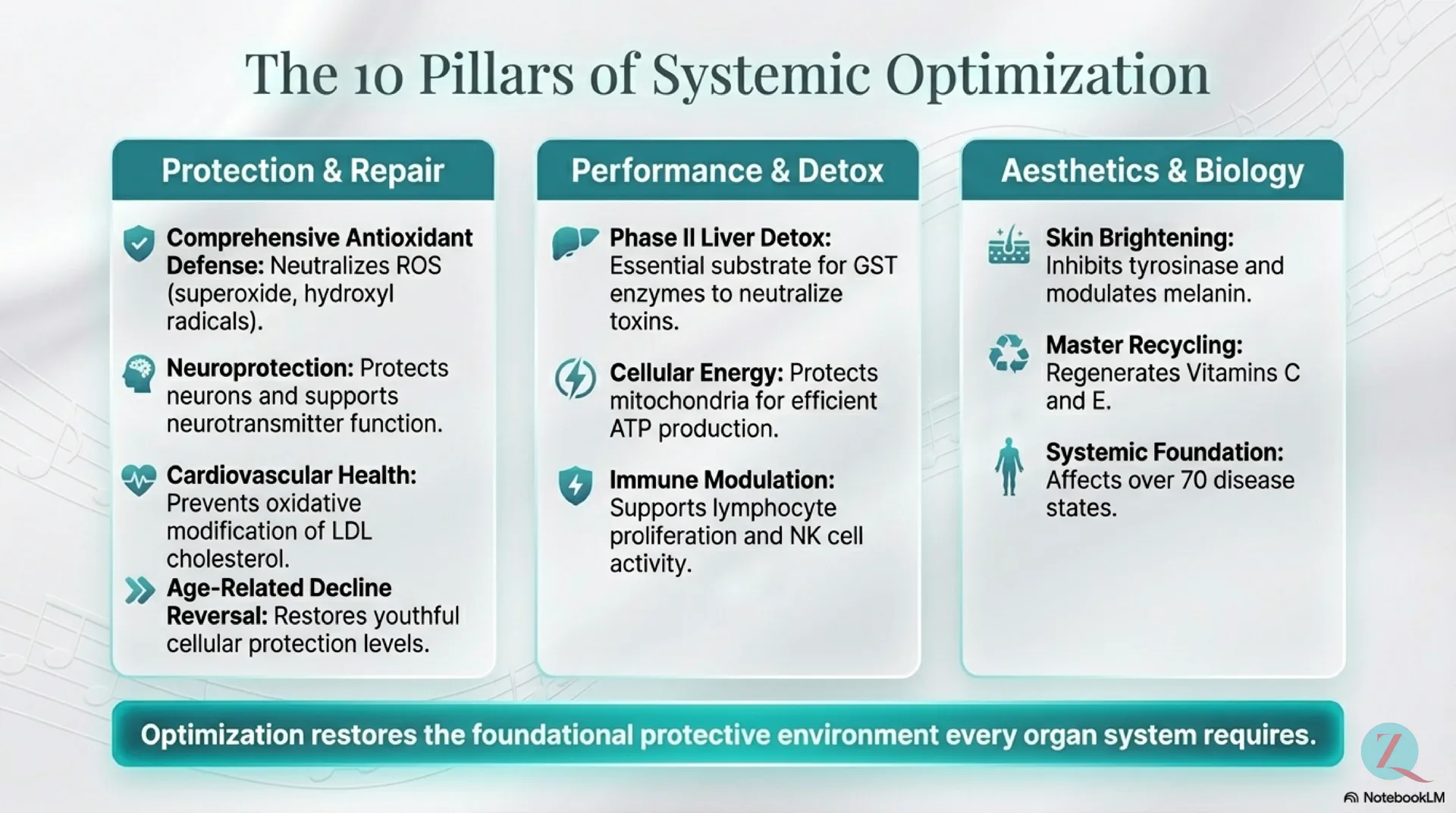
21-minute audio overview — how glutathione works, delivery methods, and your expected timeline
What Is Glutathione?
That run-down feeling you can’t quite explain? There’s likely a molecular reason — and understanding it is the first step toward fixing it.
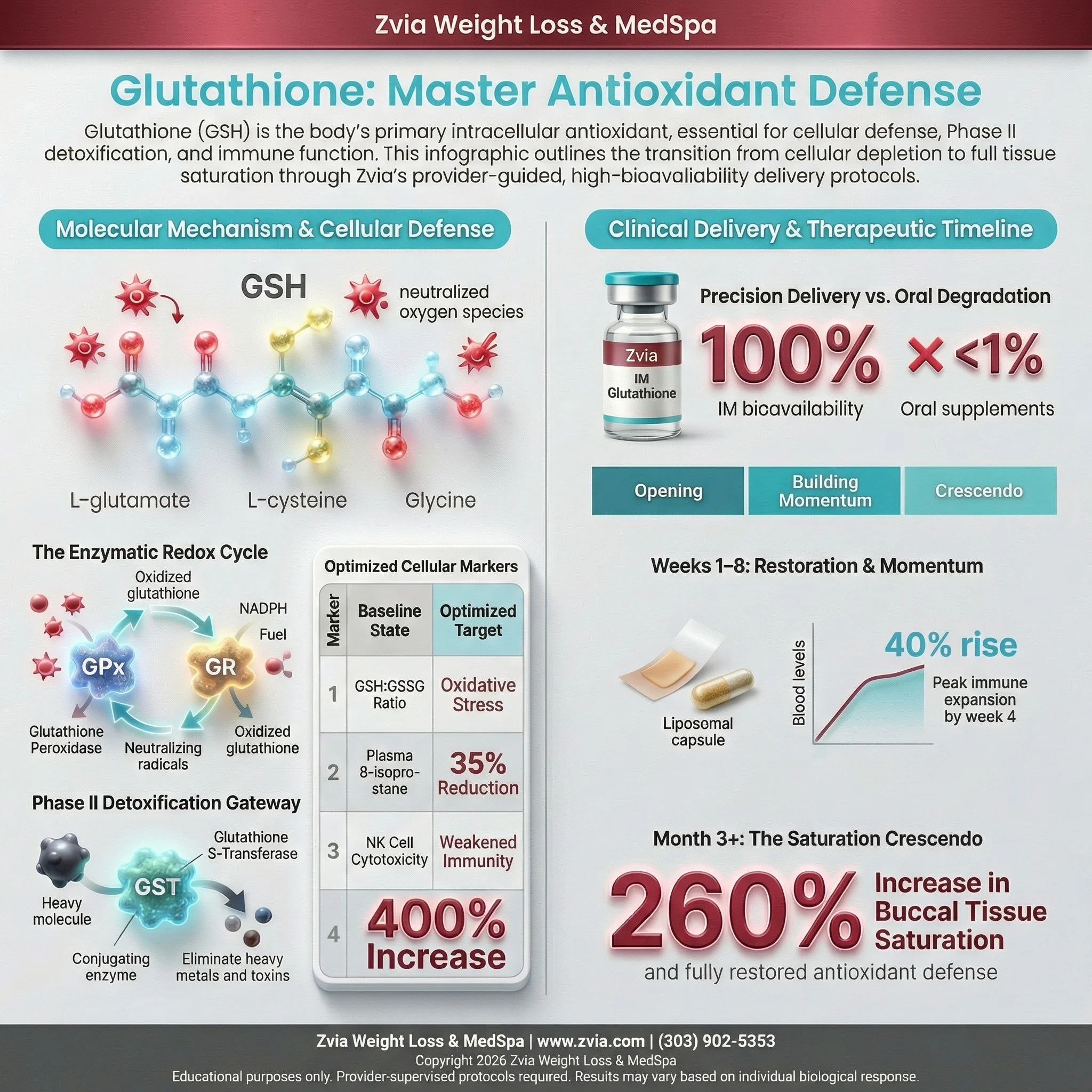
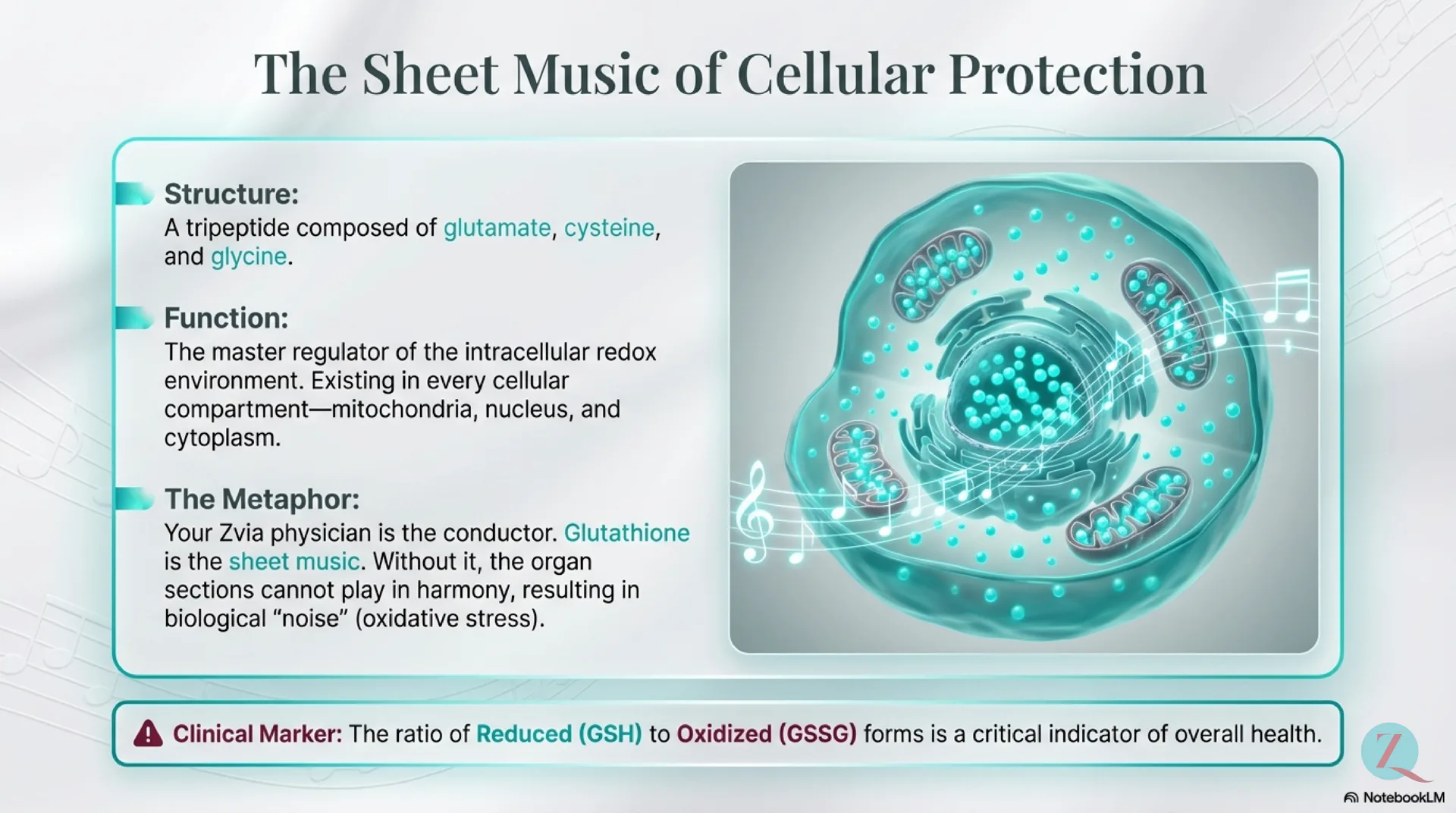
Glutathione is your body’s most abundant intracellular antioxidant — a master defense molecule present in nearly every cell. It is a tripeptide, meaning a small protein composed of just three amino acids: L-glutamate, L-cysteine, and glycine. Your body naturally produces glutathione, but for many people, modern life depletes it faster than the body can replenish it.
This depletion is silent and progressive. Environmental exposure, chronic stress, poor sleep, intense activity, and the sheer metabolic wear of daily living all drain your glutathione reserves. When glutathione drops, your cells lose their primary defense against oxidative damage — the daily wear and tear that ages cells, weakens immunity, slows recovery, and drains energy. The result is something many people feel but few understand: persistent fatigue, slow healing, frequent infections, brain fog, and a general sense that your body is running on reserves.
At Zvia Weight Loss & MedSpa, we work to rebuild depleted glutathione through provider-directed supplementation matched to your physiology. In controlled trials, sustained supplementation raises the body’s glutathione stores and improves some measures of immune function. Whether that translates into the energy and clarity you’re hoping for is genuinely individual, and this page will be straight with you about where the evidence is strong and where it runs out.
How Does Glutathione Work?
Your body already has a defense system built for this. Here’s what glutathione is doing at the cellular level — and, just as importantly, where the cellular biology stops and the human evidence has to take over.
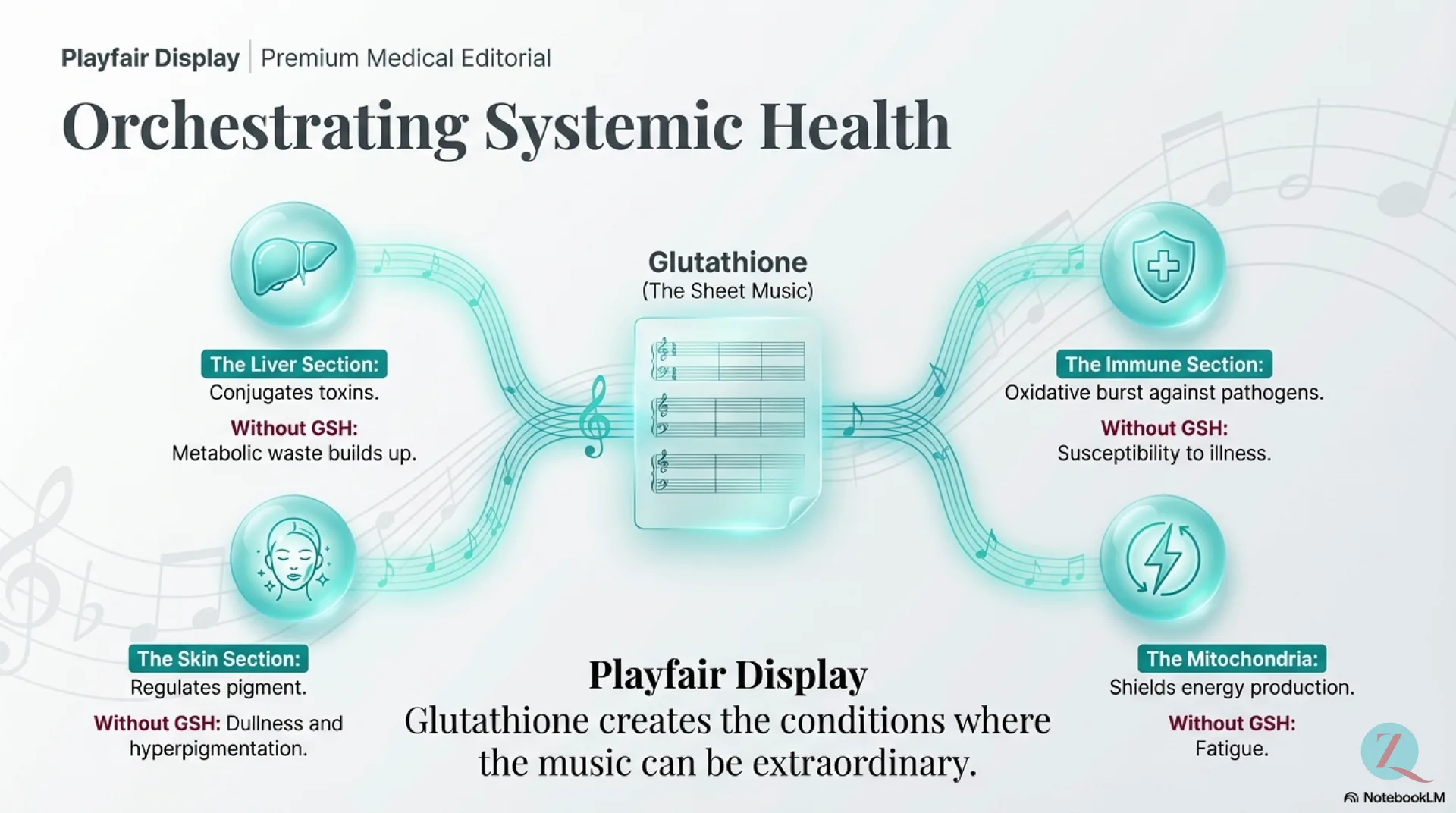
Glutathione operates through several interconnected biological mechanisms, each critical to cellular protection and function.
Glutathione Peroxidase (GPx) is the enzyme system that makes glutathione do its primary work. GPx catalyzes the reduction of dangerous free radicals and lipid peroxides into harmless water and alcohol products. Think of this as real-time damage prevention: as free radicals are generated from normal metabolism, environmental exposure, or stress, GPx and glutathione neutralize them before they can damage cell membranes, proteins, or DNA. This is especially critical for protecting lipid peroxides — some of the most dangerous free radicals — because they trigger chain reactions that multiply damage exponentially. Glutathione stops these cascades before they propagate, preventing oxidative cascade reactions that would otherwise damage the cell.
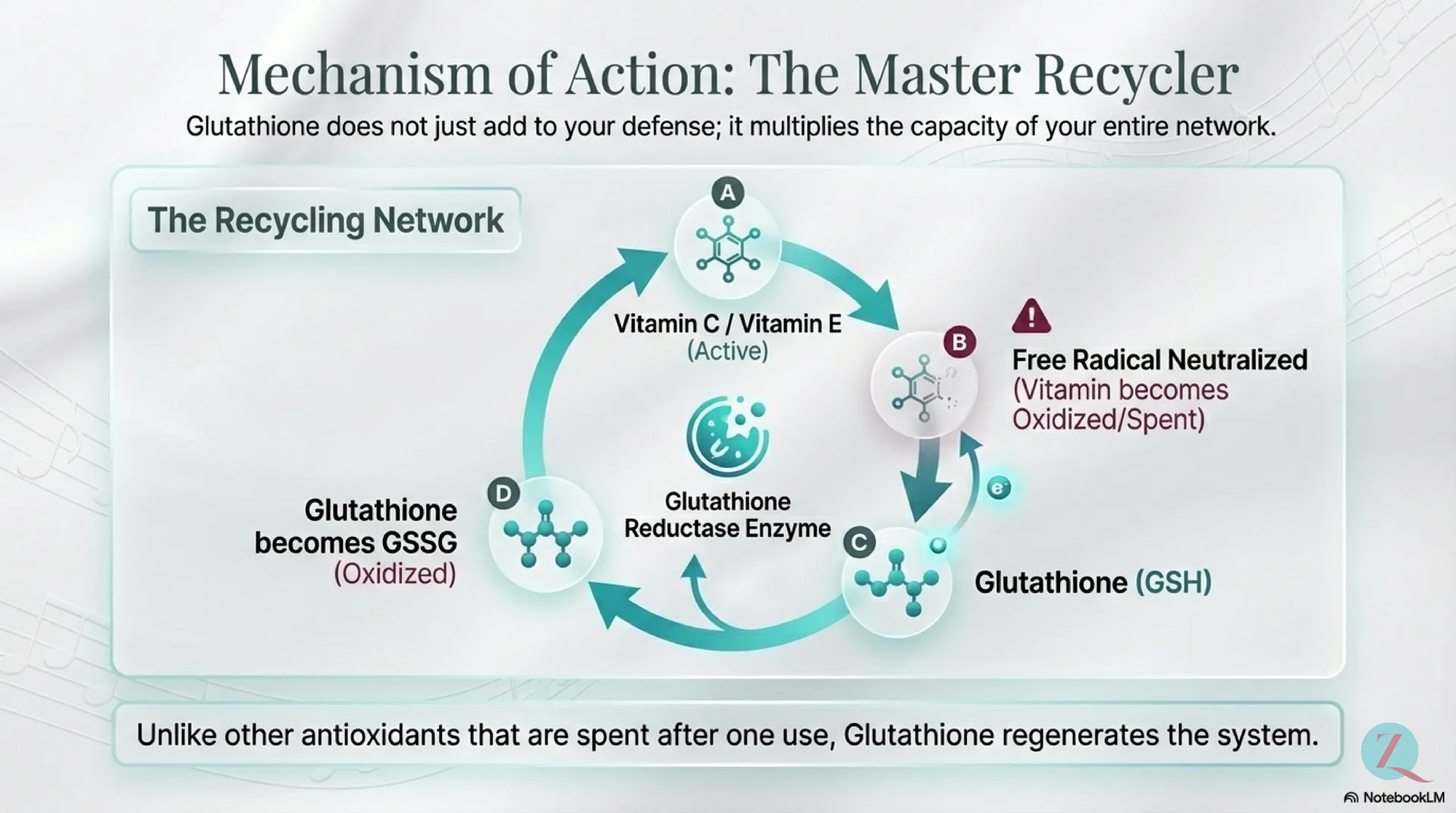
Glutathione Reductase (GR) recycles glutathione after it has donated an electron to a free radical. When glutathione becomes oxidized (GSSG), GR converts it back to its active reduced form (GSH) using NADPH as fuel. Because of this cycle, glutathione is not consumed the way a single-use antioxidant is — the same molecules are reduced and reused, which is why maintaining the size of the pool matters more than any one dose. Healthy cells hold the large majority of their glutathione in the reduced, active form; the shift toward oxidized glutathione is one of the ways researchers measure oxidative stress.
Glutathione S-Transferase (GST) enzymes are the body’s primary detoxification machinery. These enzymes use glutathione as a mandatory cofactor to conjugate (bind to) toxins, pesticides, heavy metals, drug metabolites, and environmental pollutants, rendering them water-soluble and readily excreted. This is Phase II detoxification — the enzymatic gateway that eliminates accumulated xenobiotics that would otherwise accumulate in cells and tissues. Without adequate glutathione, the GST enzymes cannot function effectively.
Nrf2 signaling is an elegant feedback mechanism. When oxidative stress rises, the Nrf2 transcription factor translocates to the cell nucleus and upregulates the expression of glutathione-synthesis enzymes, glutathione peroxidase, and all the detoxification machinery that depends on glutathione. This means oxidative stress triggers the production of the very defense system needed to neutralize it. However, if oxidative stress is chronic or severe, this self-correction becomes insufficient — exogenous glutathione supplementation restores the antioxidant reserve that Nrf2 activation alone cannot achieve.
Mitochondrial protection is particularly important. Roughly 10–15% of your cellular glutathione sits inside mitochondria — a minor share of the total pool, but at a concentration comparable to the cytosol 1. There it shields the electron transport chain during ATP (energy) production. Electron leakage at the mitochondrial respiratory complexes generates superoxide radicals that damage the protein assemblies required for efficient ATP synthesis, and depleting the mitochondrial pool makes cells markedly more vulnerable to that injury 1. This is the mechanistic reason glutathione status and energy production are linked, though we should be honest that the leap from “protects mitochondria in the lab” to “you will feel more energetic” is one the human trials have not yet fully made.
Protein S-glutathionylation is a redox-signaling mechanism in which glutathione reversibly attaches to cysteine residues on proteins, regulating their activity, localization, and stability 2. Forward and reverse reactions — driven by glutathione S-transferase P and glutaredoxin respectively — form a functional cycle that lets cells sense their oxidative status and adjust protein function accordingly 2. It is an adaptive signaling system, not just free-radical scavenging.
What Are the Benefits of Glutathione?
Master Antioxidant Defense
Glutathione is the foundational defense against oxidative damage in virtually every cell. It neutralizes reactive oxygen species and interrupts the lipid peroxidation cascades that damage cell membranes, proteins, and DNA.
Here the evidence deserves a careful reading rather than a headline. In a one-month open-label pilot study of 12 healthy adults taking liposomal glutathione (500 or 1,000 mg daily), plasma 8-isoprostane — a lipid peroxidation biomarker — fell by 35%, and the oxidized-to-reduced glutathione ratio fell by 20% 3. That is a genuine result, but it is a small pilot, and the authors themselves note the study had no placebo control. A separate randomized, double-blind, placebo-controlled trial of 40 adults taking 500 mg of standard oral glutathione twice daily for four weeks found no significant change in urinary F2-isoprostanes, 8-OHdG, or glutathione status versus placebo 4.
We’d rather show you both trials than the flattering one. The honest reading is that oxidative-stress biomarkers appear to respond to some formulations, at some doses, over some timeframes — and that four weeks of a standard oral capsule is not reliably one of them. That distinction is exactly the kind of thing your provider is weighing when designing your protocol.
Enhanced Detoxification Capacity
Glutathione is the mandatory substrate for Phase II detoxification. As GSH availability increases, the body’s capacity to conjugate and eliminate xenobiotics, pesticides, heavy metals, and drug metabolites improves. This is not a vague “detox” — it is the activity of specific enzymatic pathways (glutathione S-transferase, the glyoxalase system) that render compounds water-soluble and excretable.
The longest-running human evidence comes from a 6-month randomized trial in type 2 diabetic patients taking 500 mg of oral glutathione daily, where blood glutathione rose significantly and 8-OHdG — a marker of oxidative DNA damage — fell significantly within three months 5. That population is not most of our clients, and we’re not claiming it is; it’s simply the best long-duration data on whether sustained oral glutathione moves an oxidative-damage marker in living people. Some clients describe a brief adjustment period in the first several days. That experience is commonly reported but has not been characterized in controlled trials, so we hold it loosely.
Immune System Support
Glutathione status and immune cell function are linked, and two studies frame what that means.
In the 12-person open-label liposomal pilot, NK (natural killer) cell cytotoxicity was elevated by up to 400% at two weeks and lymphocyte proliferation increased by up to 60% 3. Those numbers get quoted constantly, usually without the context that they come from a 12-person study with no placebo arm — so treat them as promising rather than settled.
The stronger evidence is quieter. In a 6-month placebo-controlled trial of 54 adults, natural killer cell cytotoxicity more than doubled versus placebo at three months in the group taking 1,000 mg daily 6. A twofold increase against a real placebo control is worth more than a fourfold increase without one. Both point the same direction; only one of them is a controlled finding, and we’d rather you know which is which.
Mitochondrial Energy Protection
Because roughly 10–15% of cellular glutathione sits in the mitochondria, glutathione status bears directly on the electron transport chain during ATP synthesis, and depleting that pool sensitizes cells to oxidative injury 1. The mechanism is well established in laboratory work. What we cannot honestly tell you is a percentage by which your energy will improve — that trial has not been done. Many clients describe steadier energy and easier recovery; we track it, but we report it as experience rather than as evidence.
Cellular Resilience and Recovery
Glutathione sits at the center of the antioxidant network: it participates in recycling other antioxidants, so when GSH is depleted, those secondary defenses are harder to regenerate. Restoring glutathione therefore supports the whole network rather than a single pathway.
There is also intriguing vascular data, with real limits. In 17 patients with atherosclerosis or its risk factors, glutathione infused directly into the femoral circulation improved acetylcholine-mediated vasodilation and raised cGMP, indicating enhanced nitric oxide activity 7. Two caveats matter: the effect appeared only in patients who already had depressed endothelial function, and this was an acute infusion study, not oral or intramuscular supplementation. It tells us something real about glutathione and nitric oxide biology. It does not tell us that a maintenance protocol improves anyone’s blood vessels, and we won’t imply that it does.
Skin Health
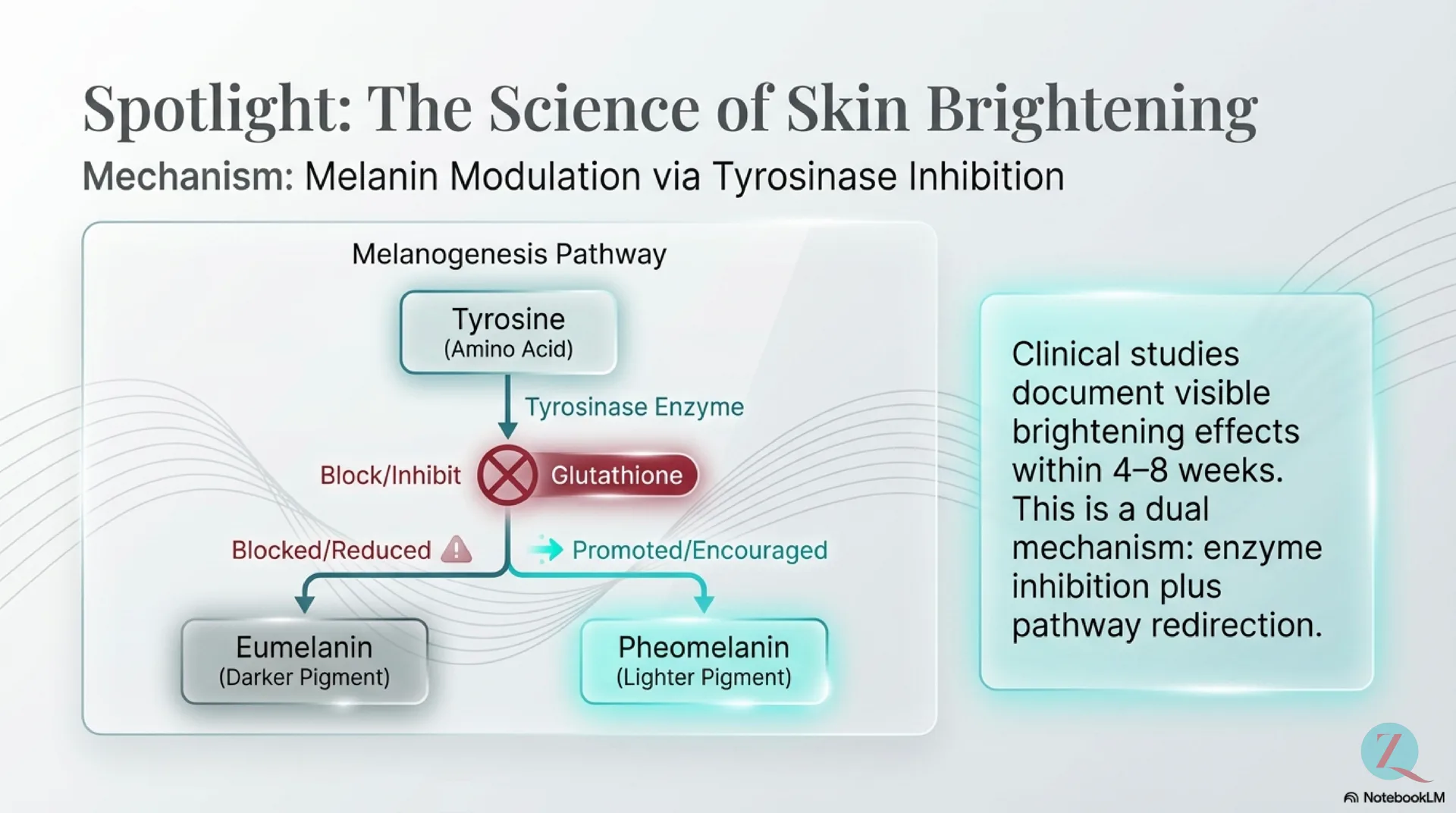
This is the area where glutathione is most oversold, so here is the actual picture. In a randomized, double-blind, placebo-controlled trial of 60 healthy adults taking 500 mg of oral glutathione daily for four weeks, melanin index decreased at all six measured sites, but the decrease reached statistical significance versus placebo at only two of those six — the right side of the face and the sun-exposed left forearm 8. Both glutathione and placebo were well tolerated, and the authors concluded the effect amounted to lightening in a small number of subjects, with long-term safety not established.
A 2025 narrative review reached a similar conclusion: oral glutathione produces significant but variable reductions in melanin, while intravenous glutathione for cosmetic purposes carries serious safety concerns including anaphylaxis and hepatotoxicity, compounded by the absence of standardized dosing 9. That is worth knowing before anyone offers you a glutathione infusion for skin lightening, wherever you’re considering it.
Claims that glutathione builds collagen, restores elasticity, or delivers visible radiance on a set schedule are not supported by the trials above, and you won’t find us making them. If skin is your primary goal, your provider will tell you plainly where the evidence is thin.
How Long Does Glutathione Take to Work?
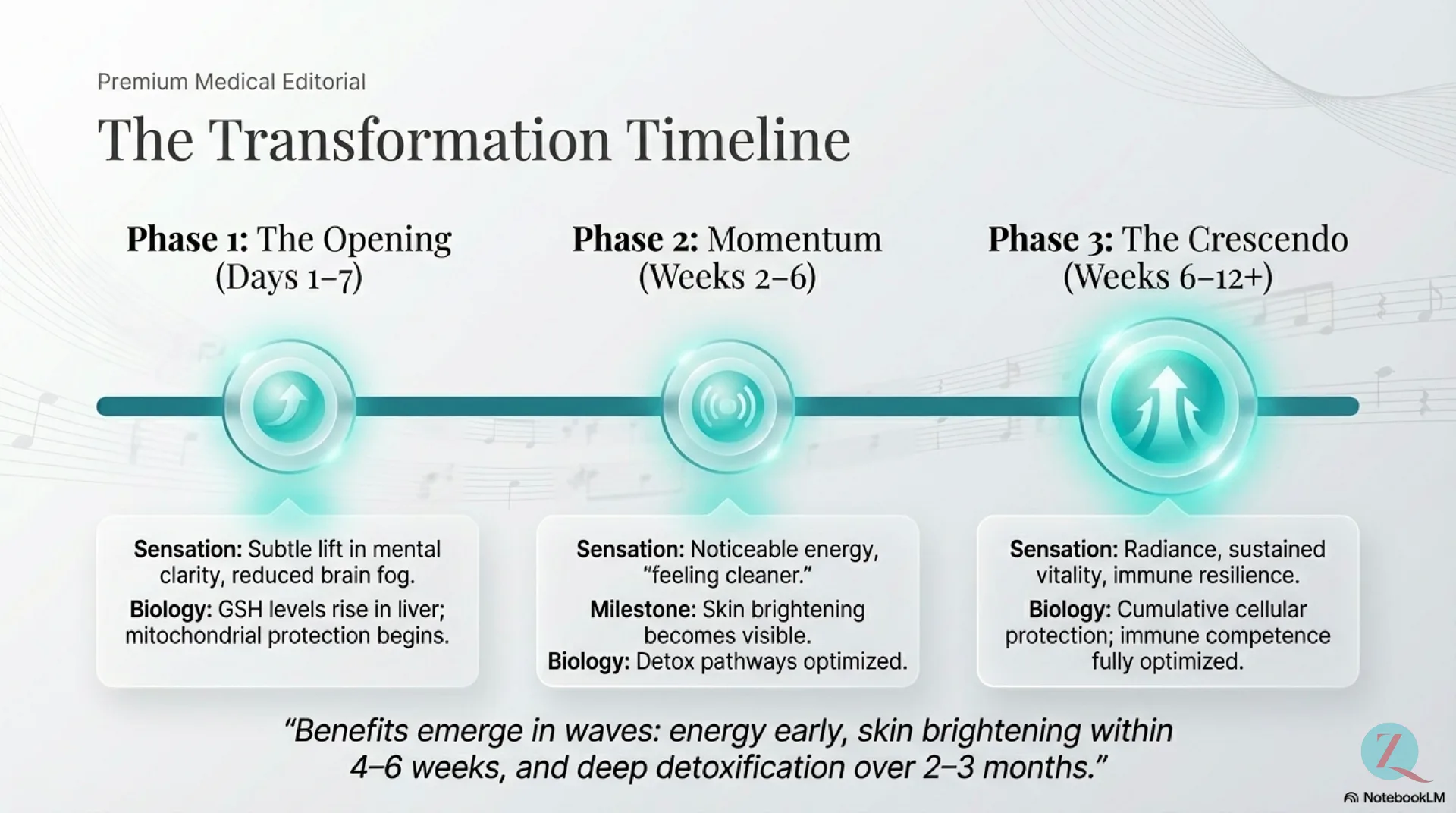
Two honest framings before the timeline itself. First, almost everything below describes what happened to measured glutathione levels and biomarkers in trial participants — how quickly you personally feel different is a separate question that the research does not answer well. Second, the published trials used oral and liposomal dosing; where your protocol uses intramuscular or buccal delivery, your provider is reasoning from those studies rather than reading off them.
We’d rather set honest expectations than have you measure your results against someone else’s brochure.
The Opening (Weeks 1–4)
In the 12-person open-label liposomal pilot, blood glutathione began rising after one week, with the largest increases recorded at two weeks: up to 40% in whole blood, 25% in erythrocytes, 28% in plasma, and 100% in peripheral blood mononuclear cells 3. Plasma 8-isoprostane fell 35% and the oxidized-to-reduced ratio fell 20% over the same study, and NK cell cytotoxicity rose by up to 400% with lymphocyte proliferation up 60% by week two 3. Again: 12 people, no placebo arm, liposomal formulation specifically.
Set against that, the 40-person placebo-controlled trial of standard oral glutathione found no significant biomarker change at four weeks 4. If you are taking a conventional oral capsule and feel nothing by week four, that result is not a personal failure — it is consistent with the better-controlled data.
Some clients report mild nausea, GI changes, or a mild headache in the first days. These typically settle quickly. The popular explanation — that this represents toxins being mobilized — is a mechanistic story, not a measured finding, and we won’t dress it up as one.
Building Momentum (Months 1–3)
This is where the placebo-controlled evidence starts to speak. In the 54-person 6-month trial, blood glutathione was already elevated versus baseline at one month and three months at both the 250 mg and 1,000 mg daily doses 6. NK cell cytotoxicity more than doubled versus placebo at three months in the 1,000 mg group 6. In the separate 6-month diabetic trial, blood glutathione rose and the DNA oxidation marker 8-OHdG fell significantly within three months 5.
What clients most often describe during this window is steadier energy and easier recovery. We record it, and your provider will ask about it, but it belongs in the column marked “reported experience,” not “demonstrated outcome.”
The Long View (Months 3–6+)
The largest tissue changes in the literature appear at six months, not three, and at the higher dose. In that 54-person trial, participants taking 1,000 mg daily showed, at 6 months, increases of 30–35% in erythrocytes, plasma, and lymphocytes and 260% in buccal cells 6. Participants on the lower 250 mg daily dose reached more modest gains over the same period — 17% in whole blood and 29% in erythrocytes 6.
That dose-and-duration detail is the part most often stripped out when these numbers get quoted, and stripping it changes the meaning entirely. Six months at the higher dose is a real commitment, and you deserve to know that going in rather than expecting the 260% figure at week twelve.
One more finding worth your attention: after a one-month washout, glutathione levels drifted back toward baseline 6. The gains hold while the protocol holds. That is not a sales pitch for indefinite treatment — it is a reason to talk with your provider about what a sustainable long-term plan actually looks like for you, including whether it involves continued supplementation at all.
Timeline Note: Individual response varies with baseline depletion, oxidative stress burden, delivery route, dose, adherence, concurrent compounds, and genetic differences in glutathione synthesis enzymes. We can’t put a number on how much each of those shifts your timeline — anyone who does is guessing. Your Zvia provider monitors your progression through objective measures and adjusts accordingly.
Is Glutathione Right for You?
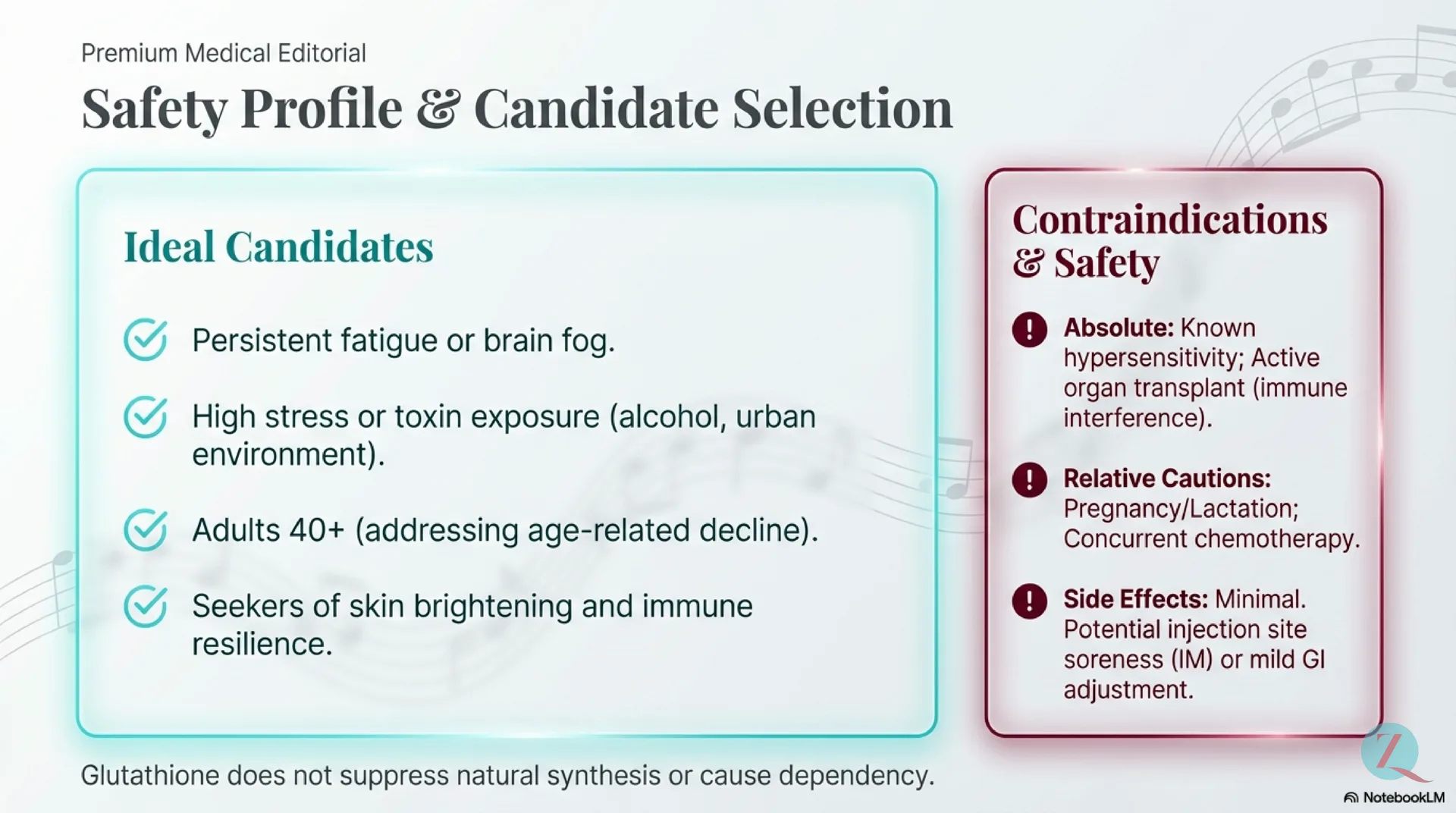
Glutathione is an excellent fit if you recognize yourself in any of these patterns:
- Persistent fatigue despite adequate sleep. You’re sleeping 7–9 hours, but mornings still feel sluggish and afternoons bring an energy crash.
- Slow recovery from activity or illness. Workouts leave you sore for days. Catching a cold means two weeks of feeling unwell.
- Frequent infections or weakened immunity. You catch common illnesses easily, and recovery is prolonged.
- Environmental toxin exposure. You live in an urban environment, travel frequently, work in a space with poor air quality, or have occupational chemical exposure.
- Brain fog or cognitive sluggishness. Afternoon mental clarity deteriorates. Focus is difficult to sustain.
- Visible oxidative stress on skin. Changes in tone, texture, elasticity, or radiance suggest cellular antioxidant depletion.
- Foundational support within a multi-compound therapeutic protocol. Glutathione serves as the cellular defense foundation that allows other therapeutic compounds to perform optimally.
Provider evaluation is the definitive step. Your Zvia provider will assess your baseline glutathione status, oxidative stress burden, health history, and therapeutic goals to determine whether glutathione supplementation is optimal for you and which delivery method and dosing schedule aligns with your physiology and lifestyle.
What Does a Glutathione Protocol Involve?
You will read on a lot of clinic websites — including, until recently, this one — that oral glutathione is useless because less than 1% of it survives digestion. That claim is doing something dishonest, and since we’re the ones who’d profit from you believing it, we should be the ones to correct it.
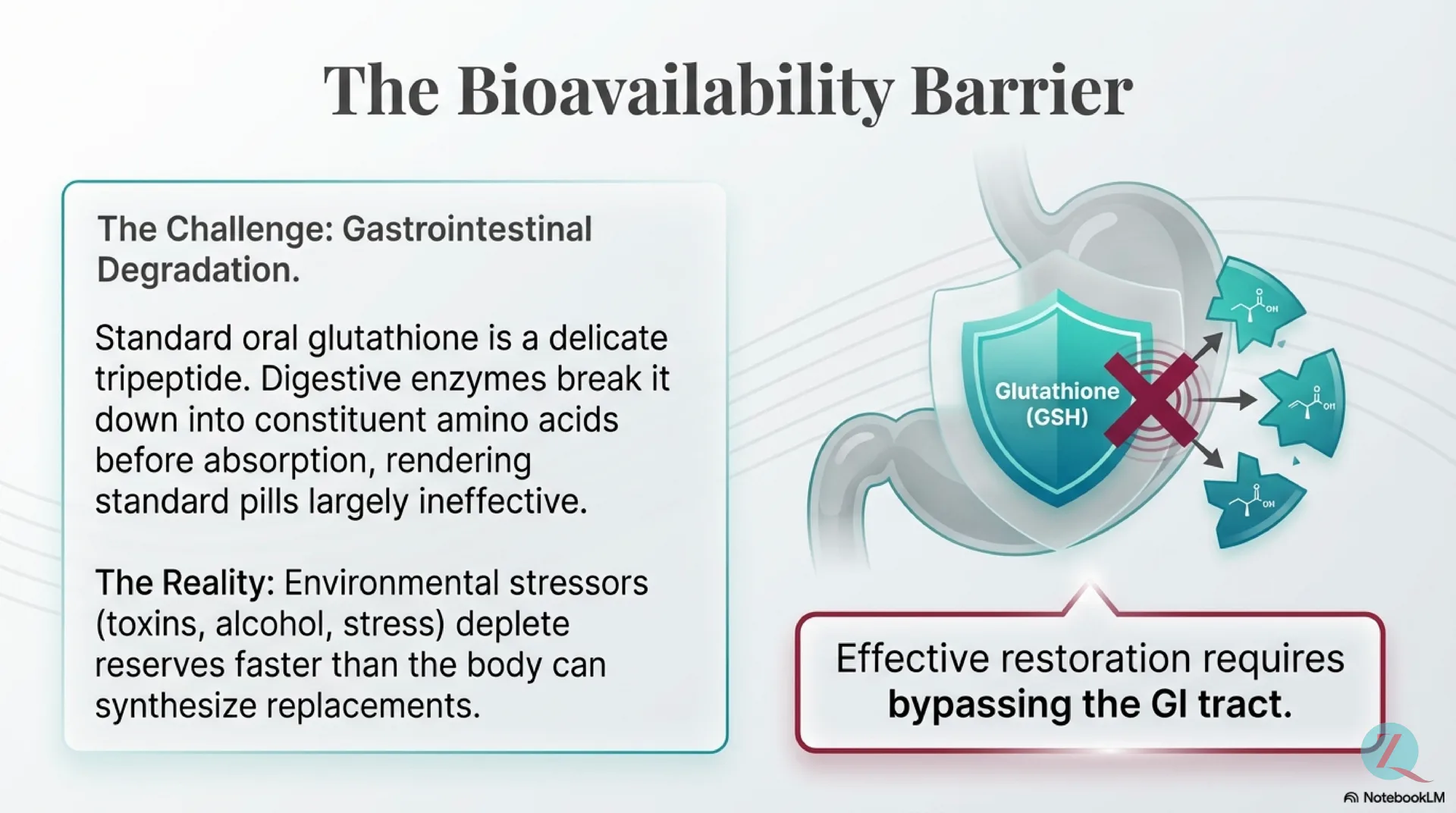
Here is what the research actually shows. A 1992 study gave seven volunteers a single 3 g oral dose and found no significant rise in plasma glutathione, because the intact tripeptide is broken down by intestinal and hepatic enzymes 10. That finding is real, and it is where the “poorly absorbed” reputation comes from. But it describes what happens to the intact molecule after one dose — it says nothing about what repeated daily dosing does over months.
And over months, oral glutathione does work. Oral glutathione does raise the body’s stores — the 6-month placebo-controlled trial in 54 adults showed 30–35% increases in erythrocytes, plasma, and lymphocytes at the higher 1,000 mg daily dose, and 17–29% at the lower dose 6. Whatever happens to the intact molecule in the gut, the building blocks reach your cells and the pool rebuilds.
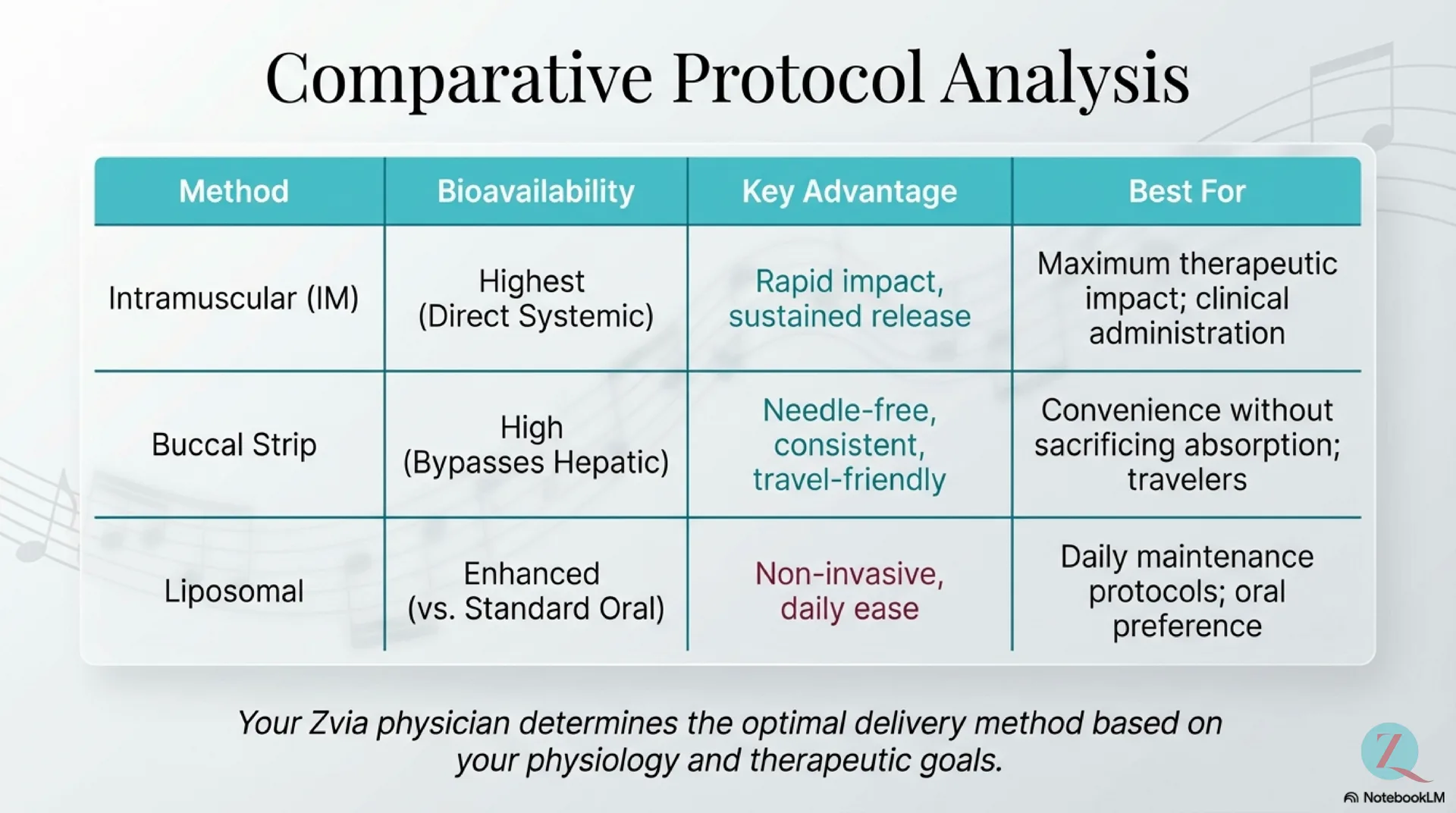
So the honest case for in-clinic delivery is not that oral doesn’t work. What oral dosing can’t give your provider is control — over how much actually reaches you, how quickly, and how reliably, given that absorption varies from person to person and supplement labels are not held to pharmaceutical standards. That’s why we offer intramuscular, buccal, and liposomal delivery: not because oral is useless, but because matching the route to your depletion level and your timeline is a clinical decision we’d rather make with you than leave to a supplement label.
| Method | What the evidence supports | Practical trade-off | Often suited to |
|---|---|---|---|
| Intramuscular (IM) | Bypasses digestion entirely; injected glutathione is known to clear plasma within minutes, so dosing frequency matters more than dose size 11 | Requires a visit or self-injection training | Significant depletion, protocols needing dose certainty |
| Buccal | A single 250 mg orobuccal tablet raised blood glutathione about 16% within 60 minutes in 15 volunteers 12; a 3-week crossover trial in 20 adults found sublingual outperformed standard oral on plasma GSH and GSH/GSSG ratio 13 | Short published follow-up; no long-duration trials yet | Needle-free maintenance, daily dosing, travel |
| Liposomal | The 12-person open-label pilot recorded up to 40% whole-blood increases at 2 weeks, but without a placebo arm 3 | Weakest study design of the three | At-home use, long-term adherence |
A note on what is missing from that table: absolute bioavailability percentages. You will see figures like “IM is 100% bioavailable” quoted widely, including in our own earlier version of this page. We could not find published human pharmacokinetic studies establishing absolute bioavailability for intramuscular, buccal, or liposomal glutathione, so we have removed those numbers rather than repeat them. The orobuccal study is explicit that it reports change from baseline, not absolute bioavailability 12. If precise comparative figures existed, we’d show them.
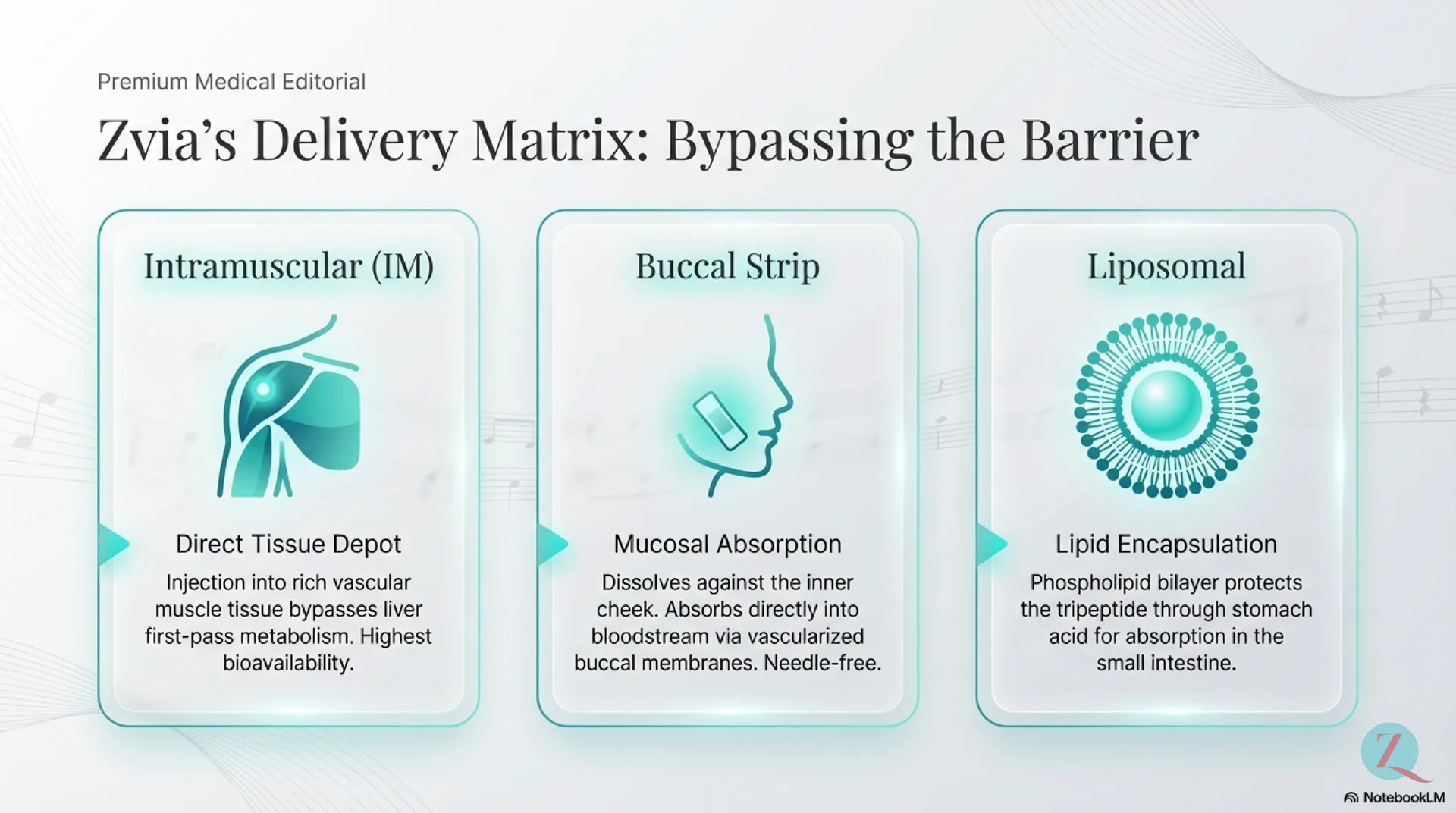
Intramuscular (IM) delivers glutathione into muscle tissue, bypassing digestion entirely. Typical protocols at Zvia involve 500–2,000 mg per injection, once to twice weekly, as determined by your provider. Worth knowing: intravenous glutathione has a measured plasma half-life of roughly 14 minutes, with most of it rapidly oxidized and cleared 11. Injected glutathione is not a depot that keeps blood levels high for days — it is a delivered dose, which is why cadence is a clinical decision rather than a convenience.
Buccal delivery uses the vascular supply inside the cheek, bypassing gastrointestinal and hepatic first-pass degradation 12. Protocols typically involve 250–500 mg per dose, once to twice daily. In the published work, a single 250 mg orobuccal tablet raised blood reduced glutathione roughly 16% by 60 minutes in 15 volunteers 12, and a three-week crossover trial in 20 adults with metabolic syndrome found sublingual glutathione produced higher plasma glutathione and a better GSH/GSSG ratio than standard oral 13. Both are small and short. Buccal is needle-free and travel-friendly, which for many people is what makes a protocol survivable.
Liposomal encapsulation wraps glutathione in a phospholipid membrane to shield it from digestive enzymes. Protocols involve 500–1,500 mg daily. This is the route behind the widely quoted 40% whole-blood and 400% NK cell figures — and, as above, that study had 12 participants and no placebo group 3. We use liposomal delivery because it is non-invasive and easy to sustain at home, not because its evidence base is the strongest of the three.
Provider-determined delivery selection. Your Zvia provider in Lakewood, Colorado weighs your baseline depletion, your goals and timeline, your comfort with injections, concurrent compounds, and the practical shape of your life. Many clients do well on combination protocols — for instance, IM during an initial intensive phase, transitioning to daily buccal or liposomal for maintenance. Your provider monitors your response and adjusts. And if the right answer for you is a well-chosen oral protocol you manage at home, that is a legitimate outcome of this conversation, not a failed sale.
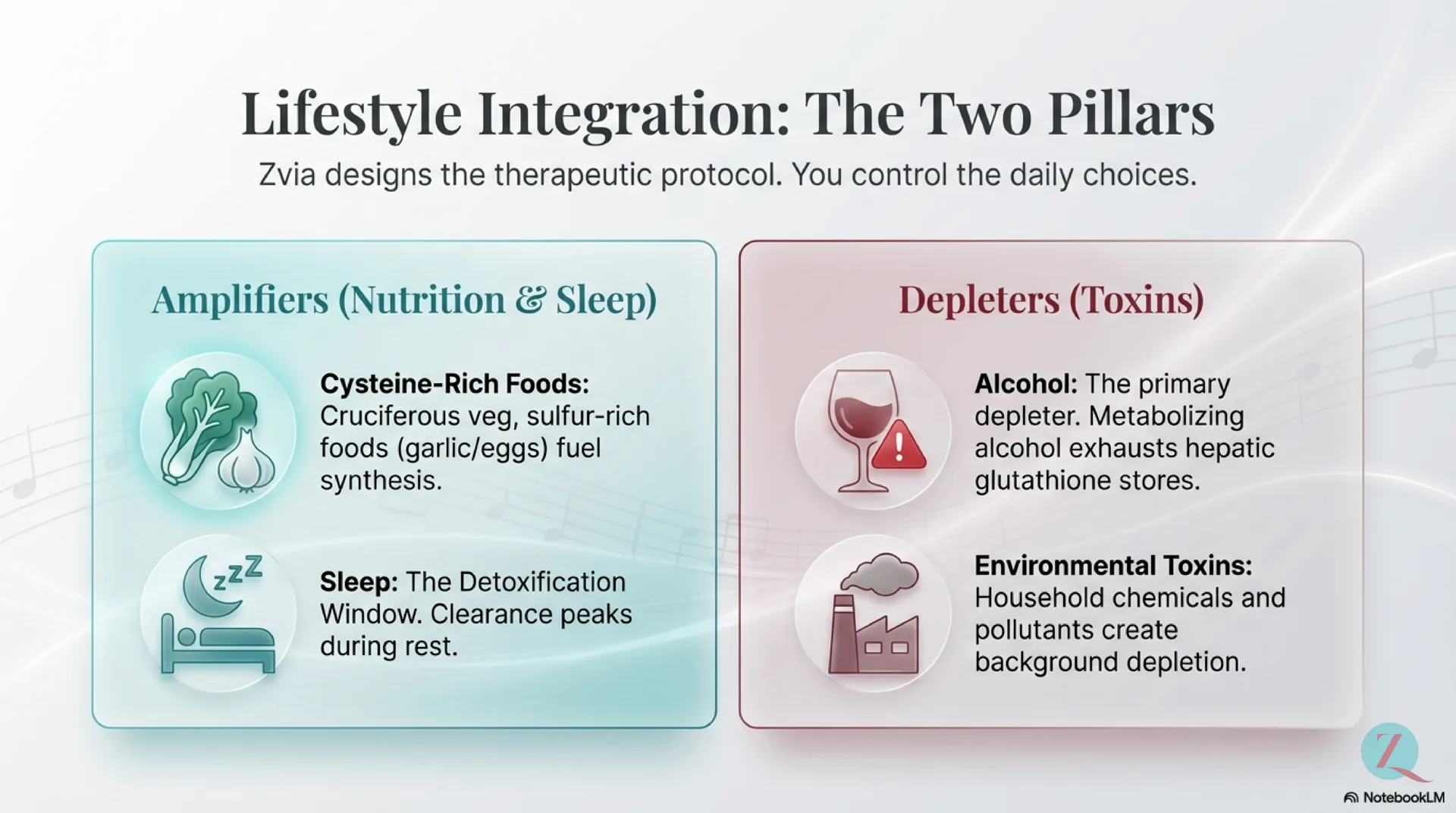
Lifestyle protocol integration is integral to glutathione efficacy — not optional. These four foundational domains amplify results substantially:
- Nutrition: Ensure adequate protein intake (1.0–1.2 g per pound of body weight) to provide the glutamate, cysteine, and glycine required for de novo glutathione synthesis. Sulfur-rich foods (garlic, onions, cruciferous vegetables), eggs, and poultry are particularly important. Consider NAC supplementation (500–1,500 mg daily on an empty stomach) to further drive intracellular glutathione synthesis. Glycine supplementation (2–5 g daily) supports the final synthesis step and improves sleep quality.
- Activity: Moderate exercise enhances endogenous glutathione production. Your provider prescribes the appropriate activity modality and frequency for your individual physiology. During initial weeks of supplementation, ensure adequate recovery between sessions.
- Sleep: Maintain 7–9 hours nightly. Sleep is when your body recycles and regenerates glutathione stores. Sleep deprivation directly depletes GSH and undermines all other protocol components.
- Stress management: Chronic stress depletes glutathione stores. Integrate practices that support nervous system regulation — meditation, breathwork, time in nature, or other evidence-based stress management appropriate for your life situation.
Why Choose Zvia for Glutathione?
Glutathione supplementation sounds straightforward — raise glutathione levels, restore antioxidant defense, feel better. In practice the variables that decide whether it works are the ones a supplement label can’t address.
First, delivery and dose are clinical decisions. Not because oral glutathione fails — the 6-month placebo-controlled trial showed it raises body stores meaningfully at 1,000 mg daily, and less so at 250 mg 6 — but because that trial also shows how much dose and duration matter, and how easy it is to spend six months on a dose too low to do what you hoped. Choosing among intramuscular, buccal, and liposomal delivery is about matching route, dose, and cadence to your depletion and your timeline. Sometimes that conversation ends with a route you administer yourself at home.
Second, your response is worth measuring rather than assuming. Baseline depletion varies enormously between people, and the trials make clear that the same protocol produces different magnitudes in different populations and at different doses 4, 6. We won’t pretend we can predict your saturation timeline in weeks — the honest answer is that we measure and adjust. Zvia tracks your progression through objective measures so that decisions about continuing, changing, or stopping are made on evidence rather than on hope or on habit.
Third, durability comes from what surrounds the protocol. Glutathione supplementation is not a pill you take and forget, and the washout finding is the clearest evidence of that — levels drifted back toward baseline within a month of stopping 6. Nutrition, activity, sleep, and stress management are the factors that depleted your reserves in the first place, and they’re still there when a protocol ends. We build those into the plan from the start.
Fourth, glutathione is supporting infrastructure, not a headline act. On multi-compound protocols we treat it as foundational — it maintains the cellular environment other therapeutics operate in. We should be clear that this is a reasoned position from the mechanistic biology, not something demonstrated by trials of glutathione combined with other compounds; those studies largely don’t exist yet. It’s how we think about sequencing, offered as reasoning rather than as proof.
What provider-directed care at Zvia Weight Loss & MedSpa offers is not a guaranteed outcome — it’s judgment applied to your situation, with the evidence and its limits laid out honestly, and a plan that gets revised when the measurements say it should. If you’ve been frustrated by supplements that promised more than they delivered, we think you’ll find that refreshing rather than disappointing.
Educational purposes only. Provider-supervised protocols required. Results may vary based on individual biological response.
Common questions about Glutathione
Is glutathione therapy safe?
How long does glutathione take to work?
What are the side effects of glutathione therapy?
How is glutathione administered?
Who is a good candidate for glutathione therapy?
Discuss whether Glutathione is right for you with our clinical team.
References
- 1. Marí M, Morales A, Colell A, García-Ruiz C, Fernández-Checa JC Mitochondrial glutathione, a key survival antioxidant . Antioxidants & Redox Signaling (2009).
- 2. Ghezzi P Protein glutathionylation in health and disease . Biochimica et Biophysica Acta (BBA) - General Subjects (2013).
- 3. Sinha R, Sinha I, Calcagnotto A, Trushin N, Haley JS, Schell TD, Richie JP Jr Oral supplementation with liposomal glutathione elevates body stores of glutathione and markers of immune function . European Journal of Clinical Nutrition (2018).
- 4. Allen J, Bradley RD Effects of oral glutathione supplementation on systemic oxidative stress biomarkers in human volunteers . The Journal of Alternative and Complementary Medicine (2011).
- 5. Kalamkar S, Acharya J, Kolappurath Madathil A, Gajjar V, Divate U, Karandikar-Iyer S, Goel P, Ghaskadbi S Randomized clinical trial of how long-term glutathione supplementation offers protection from oxidative damage and improves HbA1c in elderly type 2 diabetic patients . Antioxidants (2022).
- 6. Richie JP Jr, Nichenametla S, Neidig W, Calcagnotto A, Haley JS, Schell TD, Muscat JE Randomized controlled trial of oral glutathione supplementation on body stores of glutathione . European Journal of Nutrition (2015).
- 7. Prasad A, Andrews NP, Padder FA, Husain M, Quyyumi AA Glutathione reverses endothelial dysfunction and improves nitric oxide bioavailability . Journal of the American College of Cardiology (1999).
- 8. Arjinpathana N, Asawanonda P Glutathione as an oral whitening agent: a randomized, double-blind, placebo-controlled study . Journal of Dermatological Treatment (2012).
- 9. Alzahrani TF, Alotaibi SM, Alzahrani AA, Alzahrani AF, Alturki LE, Alshammari MM, Alharbi RA, Alanazi SI, Alshammari WZ, Algarni AS Exploring the safety and efficacy of glutathione supplementation for skin lightening: a narrative review . Cureus (2025).
- 10. Witschi A, Reddy S, Stofer B, Lauterburg BH The systemic availability of oral glutathione . European Journal of Clinical Pharmacology (1992).
- 11. Aebi S, Assereto R, Lauterburg BH High-dose intravenous glutathione in man: pharmacokinetics and effects on cyst(e)ine in plasma and urine . European Journal of Clinical Investigation (1991).
- 12. Buonocore D, Grosini M, Giardina S, Michelotti A, Carrabetta M, Seneci A, Verri M, Dossena M, Marzatico F Bioavailability study of an innovative orobuccal formulation of glutathione . Oxidative Medicine and Cellular Longevity (2016).
- 13. Schmitt B, Vicenzi M, Garrel C, Denis FM Effects of N-acetylcysteine, oral glutathione (GSH) and a novel sublingual form of GSH on oxidative stress markers: a comparative crossover study . Redox Biology (2015).