
Where Did Your Drive Go?
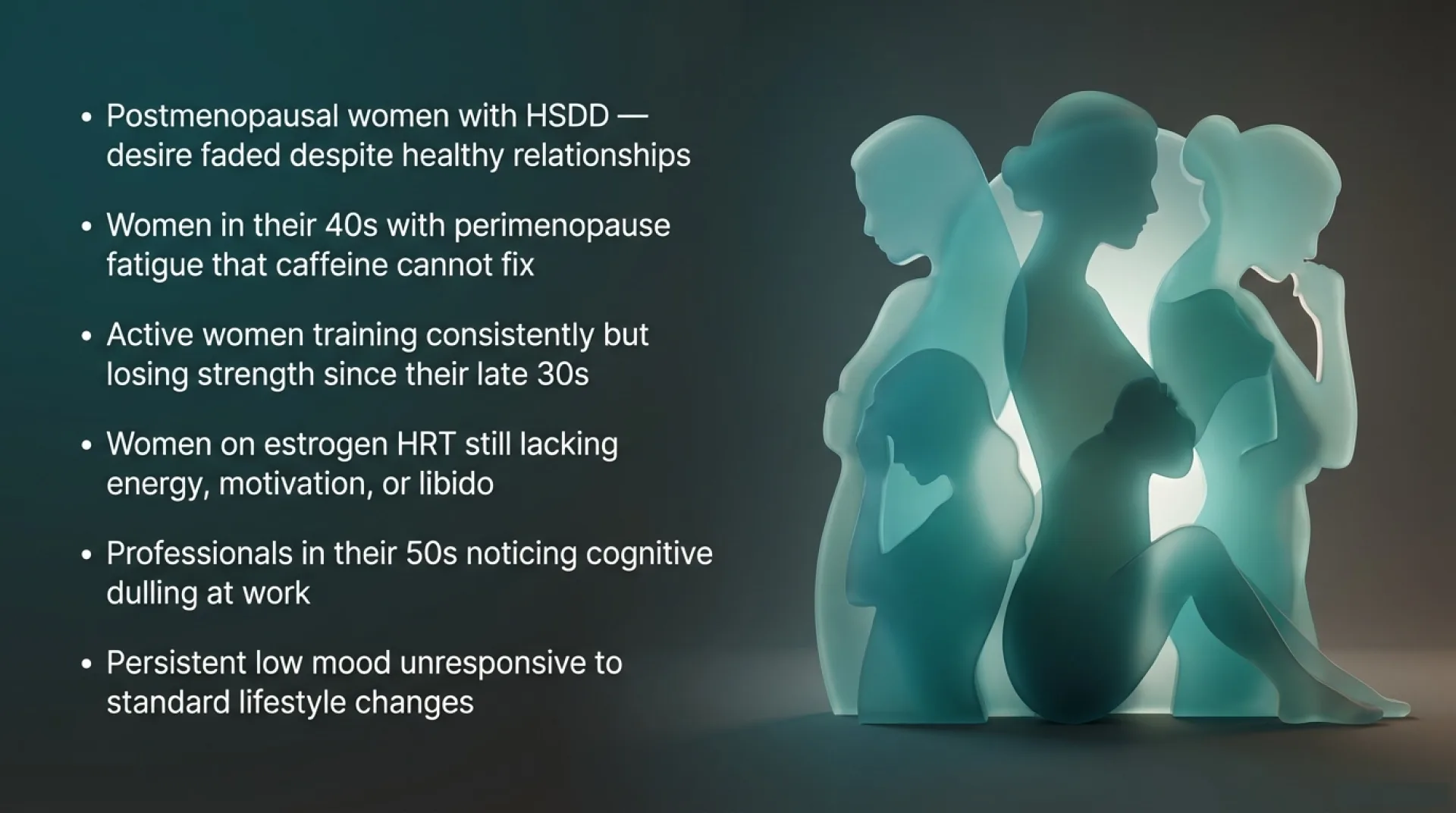
Something shifted, and you can feel it. The energy that carried you through a full day now fades by early afternoon. The mental clarity you relied on has a haze over it. Your motivation to exercise has dropped, and even when you push through, your body doesn't respond the way it used to. And the desire that was once a natural part of who you are has gone quiet.




14-minute audio overview — how testosterone works in women, delivery methods, and your expected timeline
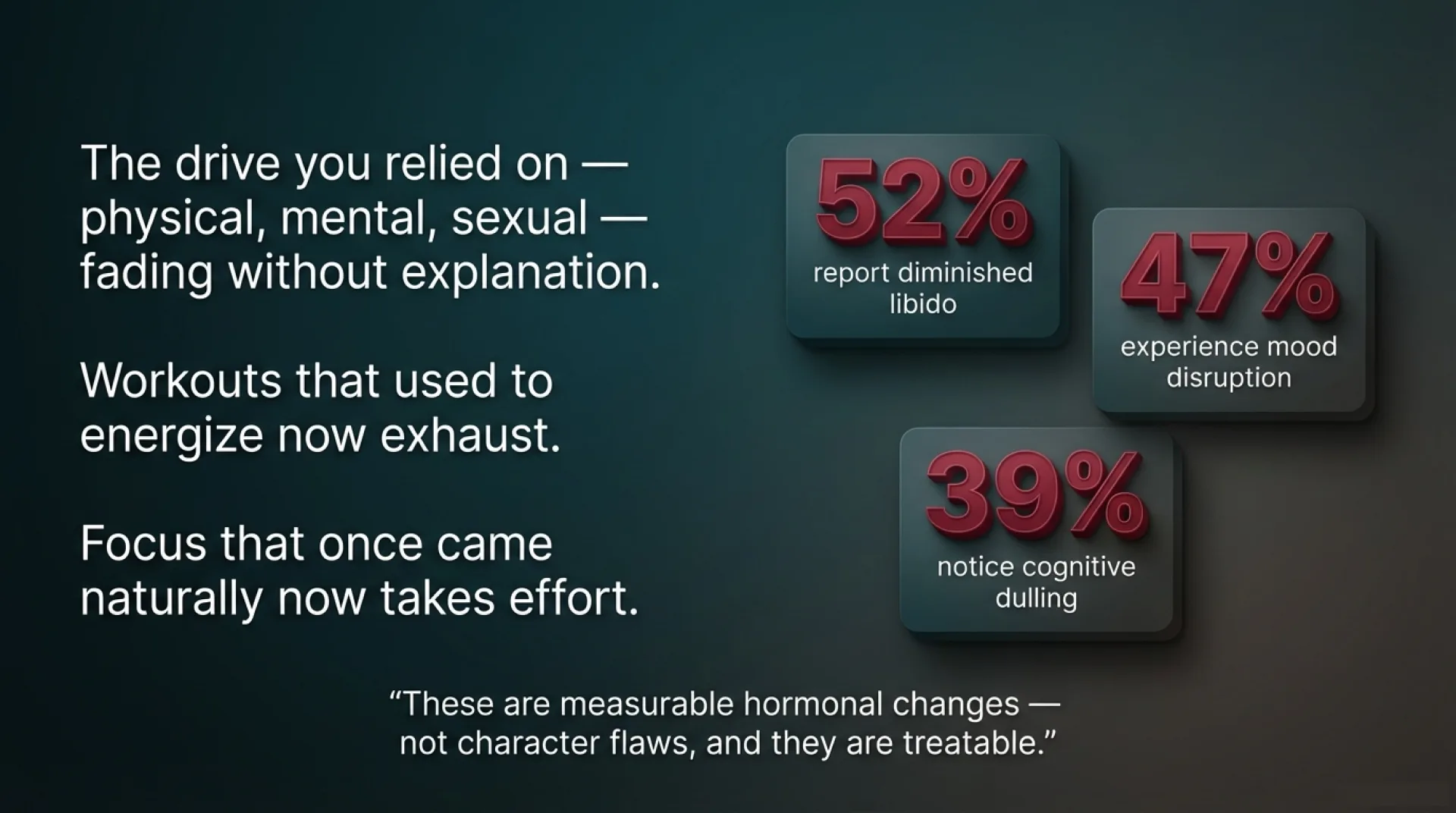
Something shifted, and you can feel it. The energy that carried you through a full day now fades by early afternoon. The mental clarity you relied on — for work, for decisions, for just keeping up — has a haze over it. Your motivation to exercise has dropped, and even when you push through, your body doesn’t respond the way it used to. And the desire that was once a natural part of who you are has gone quiet.
You’re not imagining this, and you haven’t done anything wrong. What you’re experiencing has a biological explanation — and a clear path forward.
What Is Testosterone?
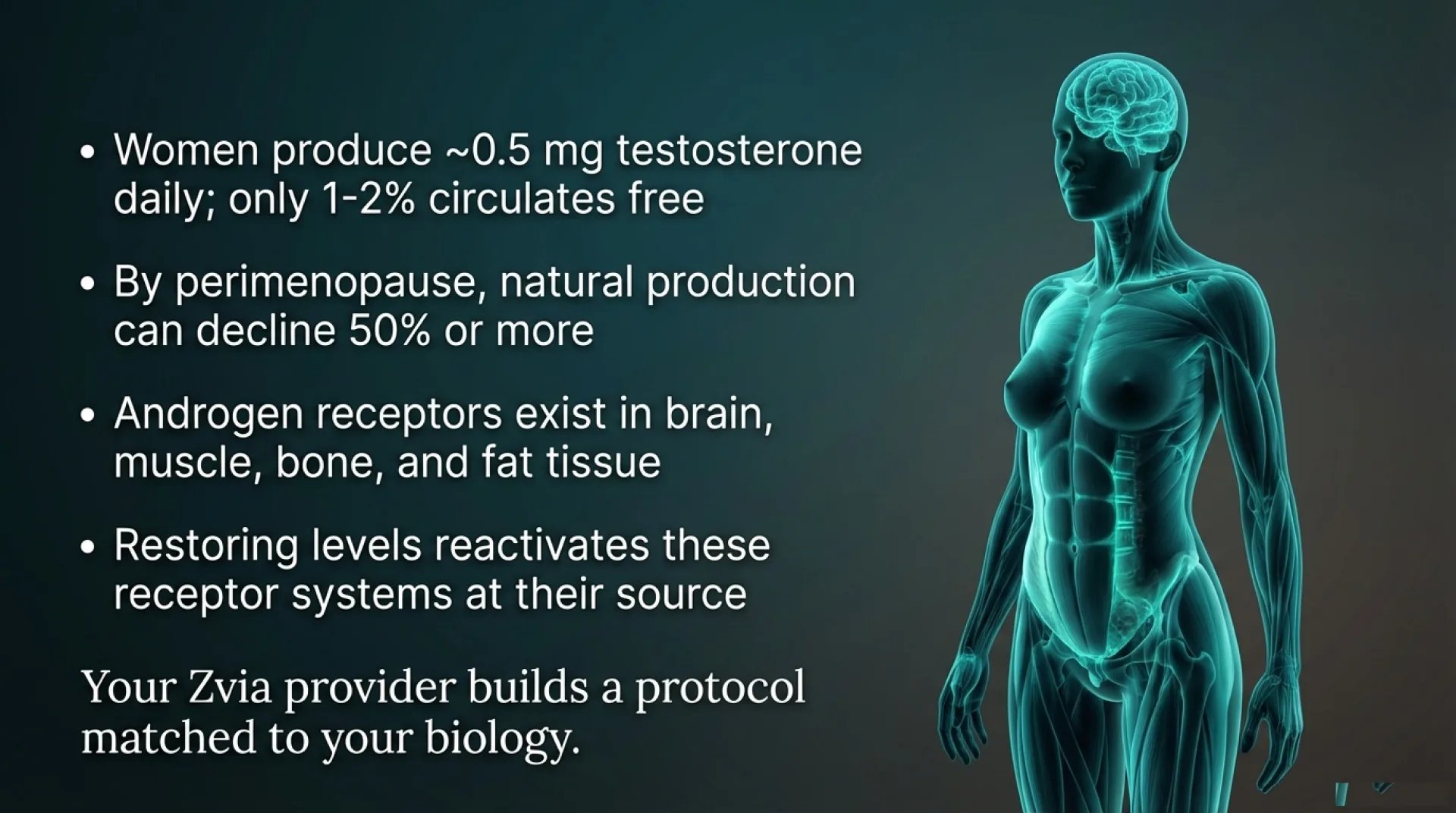
Testosterone is a steroid hormone that plays a far larger role in women’s health than most people realize. Women make much less of it than men do — but across a normal day, a premenopausal woman actually has more testosterone circulating than estradiol 1. Despite that, it is one of the least-studied hormones in women’s medicine, which is part of why the answers here are more textured than a headline.
Most of what circulates is bound to carrier proteins — chiefly sex hormone-binding globulin (SHBG), which rises with age and with certain medications, including oral estrogen. Only a small unbound fraction is biologically active 1. That’s why your provider measures total testosterone, free testosterone, and SHBG together. One number on its own doesn’t tell the story.
How Does It Work?
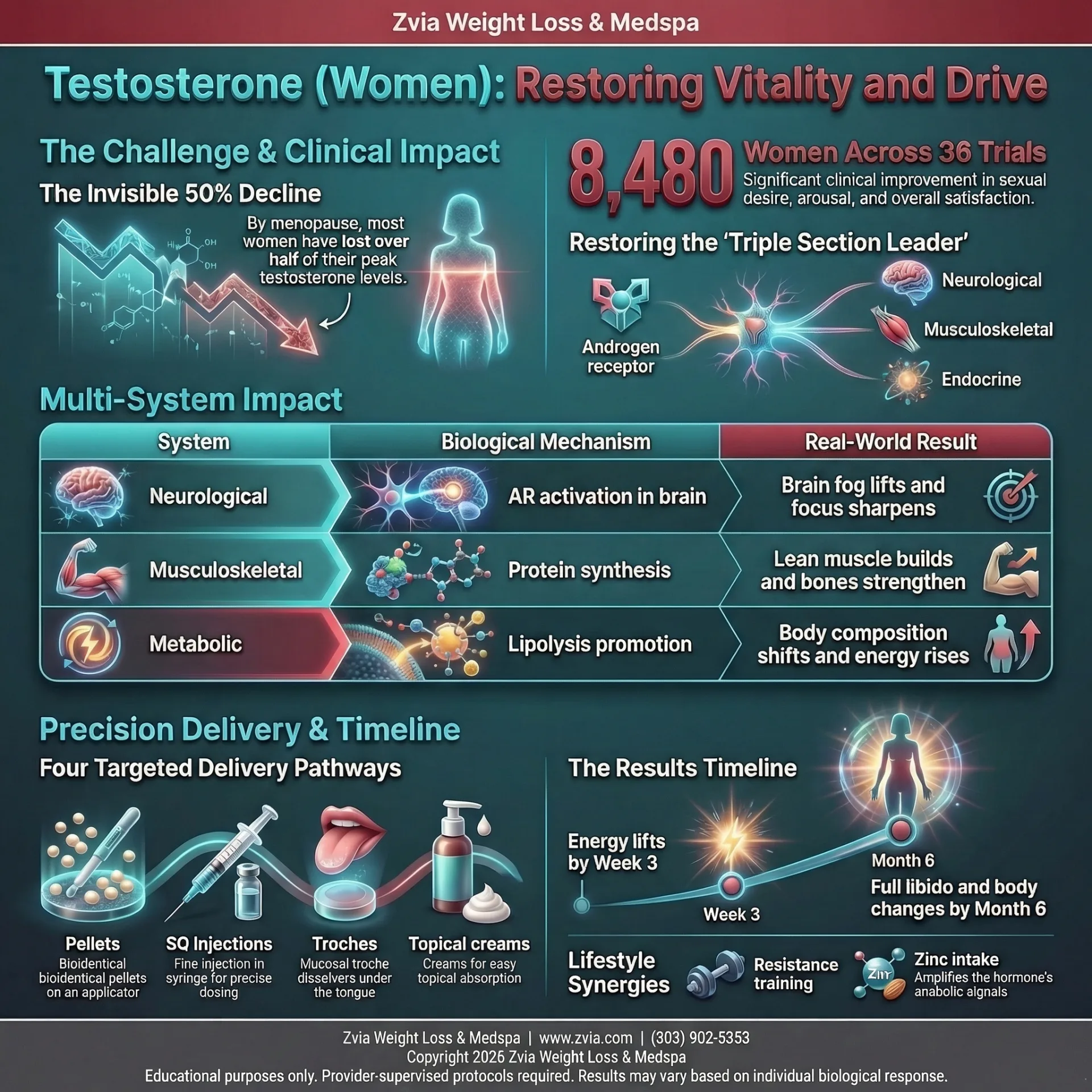
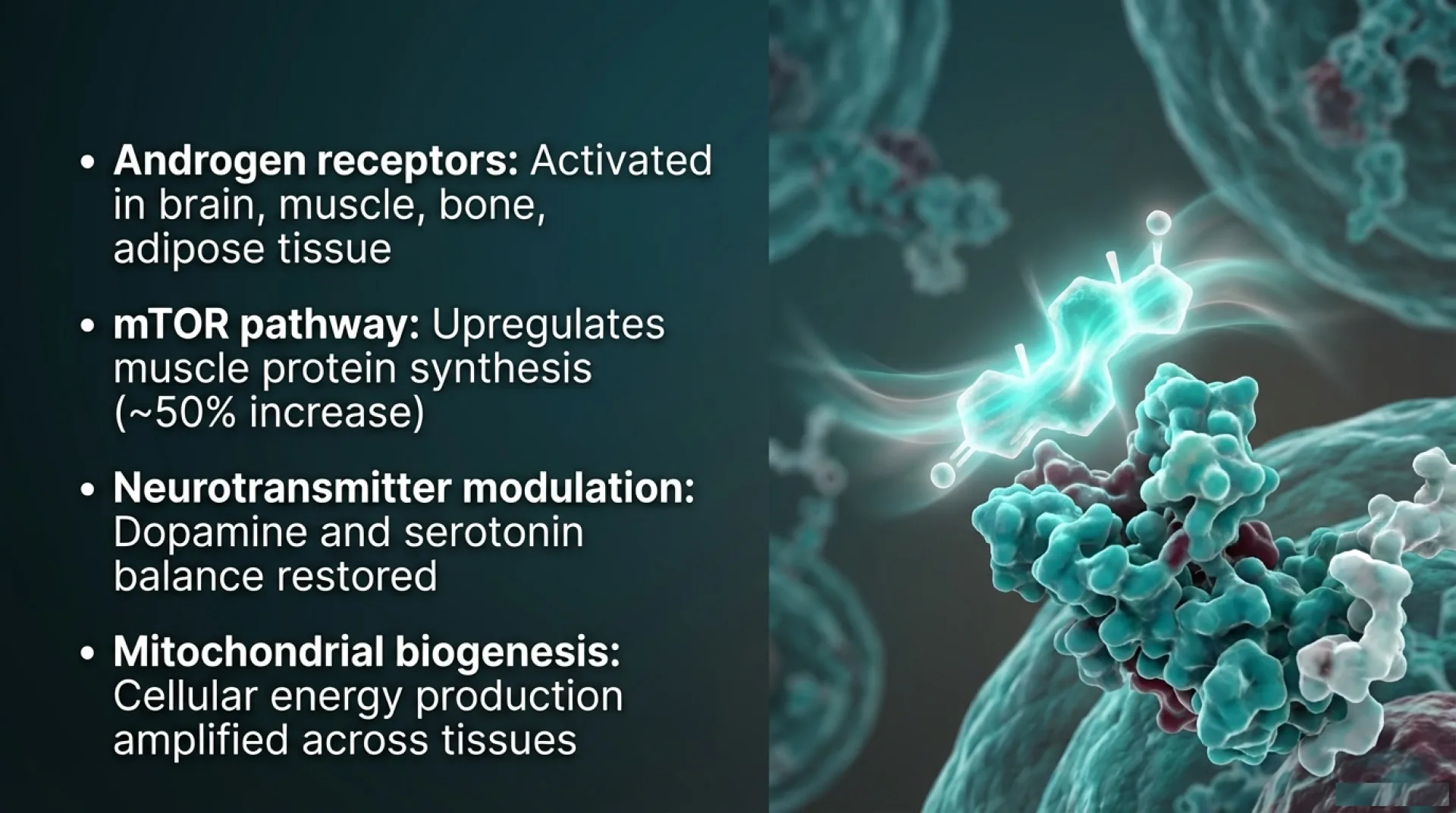
Testosterone acts by binding androgen receptors (ARs) — proteins found in tissue throughout the female body, including the brain, muscle, bone, vascular tissue, skin, and genital tissue. Some of its effects are direct; others happen after it converts to estradiol via aromatase, meaning part of what testosterone does in women, it does as estrogen 1.
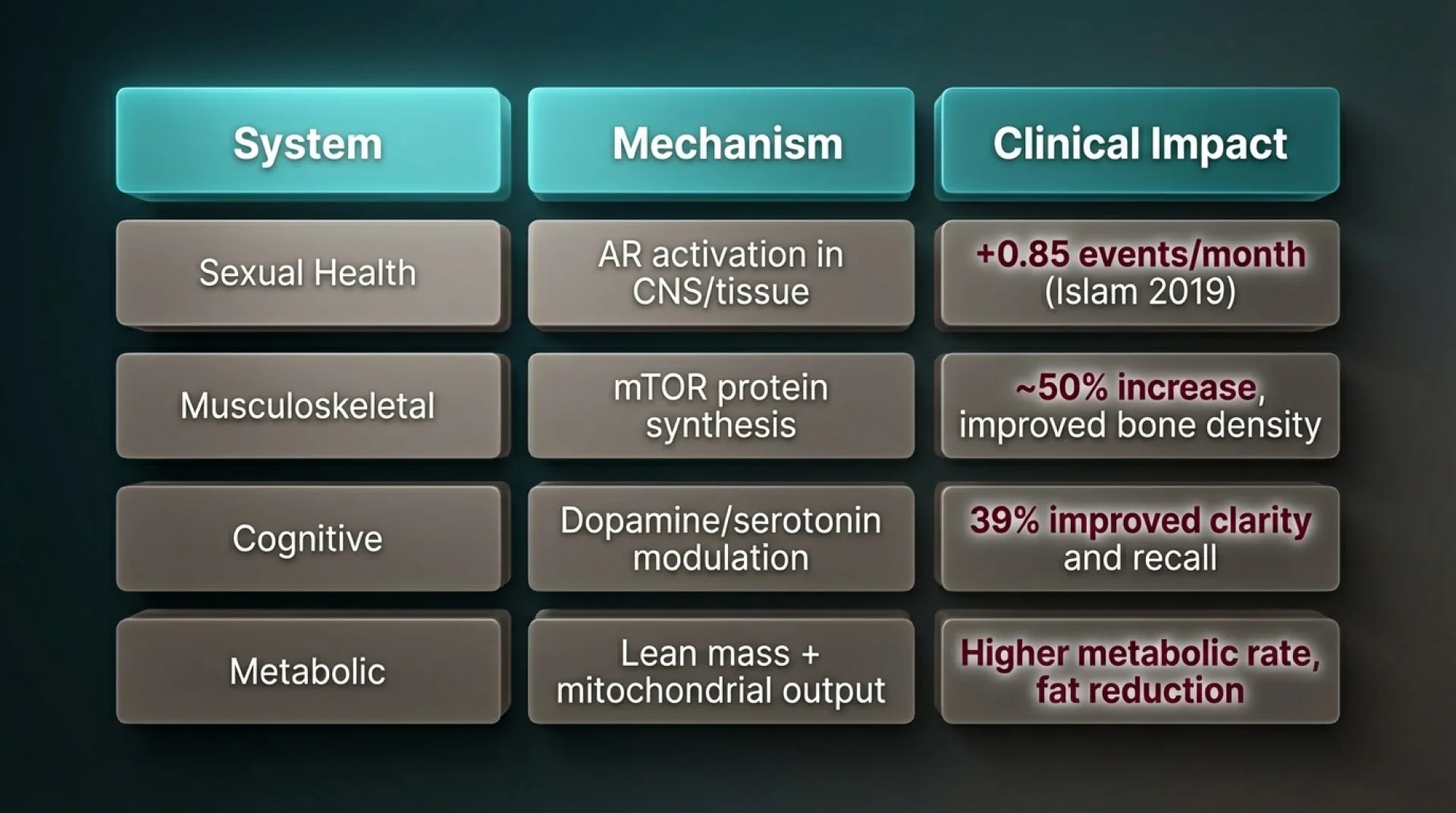
In the brain, androgen signaling touches pathways tied to mood, motivation, and cognitive processing. The largest recent look at this followed 510 women at a UK specialist menopause clinic who were already on hormone replacement therapy and still had low libido, low mood, and cognitive symptoms. After four months on transdermal testosterone, all nine mood and cognitive symptoms measured improved on average, with 47% of women reporting improvement in mood and 39% reporting improvement in cognition 2. That study was a retrospective, uncontrolled cohort of women in real-world care, and the outcomes were self-reported — so we read it as encouraging rather than settled.
In muscle, androgen signaling stimulates protein synthesis. In a 24-week randomized trial, 71 postmenopausal women who had undergone hysterectomy received weekly testosterone at one of four doses, or placebo. Gains in lean body mass, chest-press power, and stair-climb power tracked with rising free testosterone — but reached statistical significance against placebo only in the highest-dose group (25 mg weekly), which produced an average total testosterone of 210 ng/dL, above the usual female range 3. That’s an honest ceiling worth knowing: the muscle effect is real, and it showed up most clearly at a dose higher than what we typically use.
In sexual health, testosterone acts on central arousal pathways in the brain and on receptors in genital tissue — and this is where the evidence is strongest by a wide margin 4.
Androgen receptors also sit in bone and in vascular tissue 1, which is why you’ll sometimes see testosterone marketed to women for bone density or heart health. We don’t market it that way, and the section below explains why.
What Are the Benefits of Testosterone Therapy for Women?
Restored Sexual Desire and Satisfaction
This is the claim with real evidence behind it. A systematic review and meta-analysis of 36 randomized controlled trials comprising 8,480 participants found that, compared with placebo or comparator, testosterone significantly increased the frequency of satisfying sexual events in postmenopausal women — a mean difference of 0.85 more per month (95% CI 0.52 to 1.18) — along with desire, arousal, orgasm, pleasure, responsiveness, and self-image, and reduced sexual distress 4. That’s an average across thousands of women, not a promise about you. But it’s the one benefit that international consensus considers established, and it’s the reason most women start.
Cognitive Clarity and Mental Sharpness
The brain fog that rolls in during perimenopause and menopause isn’t just stress. In that 2025 study of 510 women treated at a UK menopause clinic, 39% reported meaningful improvement in cognitive clarity over four months 2. That study followed women in real-world care rather than in a placebo-controlled trial, so we read it as encouraging rather than settled — and we’ll track your own response the same way we’d track any marker.
Mood Stability
The same cohort found 47% of women reporting improved mood over four months, with a 34% average decrease in mood symptom scores — a larger shift than the cognitive one 2. Same caveat, honestly applied: no control group, self-reported outcomes. The authors themselves called for randomized trials before treating this as proven.
Lean Body Composition
Restored androgen signaling supports muscle protein synthesis and influences how your body partitions energy between lean tissue and fat. In the randomized dose-response trial described above, lean body mass and muscle power improved in proportion to free testosterone levels, with clear separation from placebo only at the top dose studied 3. Practically, that means body composition changes are a plausible secondary benefit rather than the reason to start — and they depend on resistance training doing its half of the work.
What the Evidence Doesn’t Yet Support
We’d rather set honest expectations than have you measure your results against someone else’s brochure.
The Endocrine Society’s clinical practice guideline recommends against prescribing testosterone to women for cognitive, cardiovascular, metabolic, or bone health, or for general well-being, because the data correlating androgen levels with those outcomes aren’t there 5. The 2019 Global Consensus Position Statement — endorsed by eleven international medical societies, including the Endocrine Society and the International Menopause Society — reached the same conclusion: the only evidence-based indication for testosterone in women is hypoactive sexual desire disorder (HSDD) in postmenopausal women, treated at doses that approximate premenopausal physiology 6.
On lipids specifically, the meta-analysis of 36 trials found that oral testosterone raised LDL cholesterol and lowered total cholesterol, HDL cholesterol, and triglycerides — while non-oral routes (transdermal patch or cream) did not produce those changes 4. That’s a reason we favor non-oral delivery. It is not a cardiovascular benefit, and we won’t describe it as one.
Both consensus documents also note that there are no safety data for testosterone in women beyond 24 months of use 6. That’s not a warning to scare you off; it’s the reason continuing therapy past two years should be a deliberate, informed conversation with your provider rather than an automatic refill.
How Long Does Testosterone Therapy Take to Work for Women?
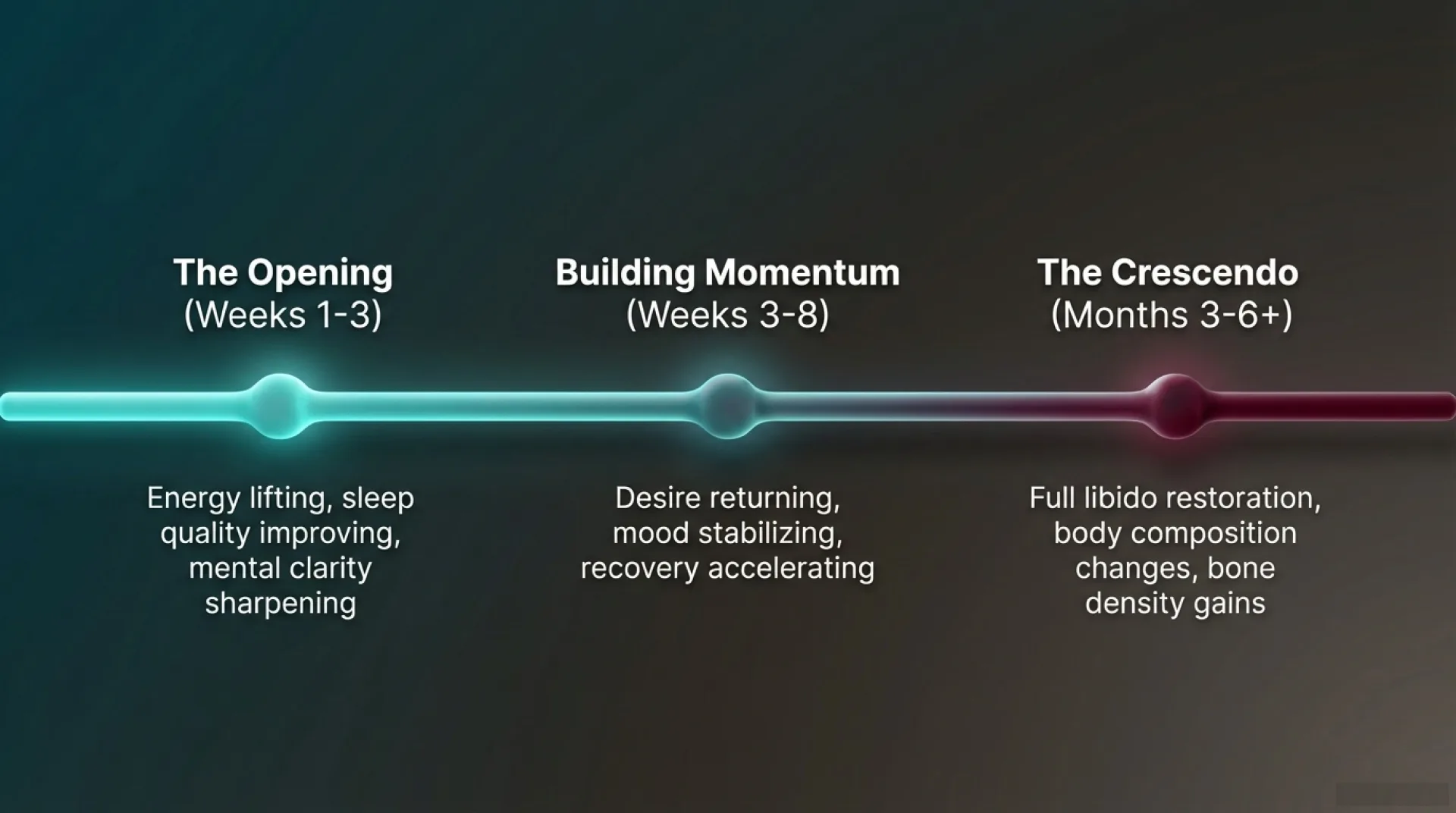
Every woman’s response is individual, and the honest answer is that the timeline below describes what women commonly report — not a schedule your body has agreed to.
The Opening (Weeks 1–4)
The earliest changes tend to be the ones you feel before you can measure. Some women describe steadier energy and better sleep in this window. Many feel nothing yet, and that’s normal — it is too early to judge the protocol.
Building Momentum (Weeks 4–8)
Clinical trials of transdermal testosterone show a four-to-eight-week lag between starting treatment and improvement in sexual motivation 7. This is the window where desire typically begins to resurface — as a gradual reawakening rather than a switch. Mood changes, when they come, tend to land in a similar range 2.
Assessing at Months 3–6
Your provider reviews labs and symptoms, and the protocol either continues or changes. Body composition shifts, if they’re going to happen, accumulate slowly here and depend heavily on training and protein intake 3. The product labeling for the approved female-specific cream is direct about the other side of this: if there’s no improvement in symptoms after six months of continuous therapy, treatment should be stopped and other options considered 7. We hold to that. Staying on something that isn’t working isn’t persistence — it’s just cost and risk.
Timeline Note: Individual responses vary based on starting hormone levels, delivery method, lifestyle factors, and overall health. Your Zvia provider uses lab data and your reported symptoms — not calendar estimates — to guide protocol adjustments.
Is Testosterone Right for You?
Here’s something most clinics won’t lead with: there is no blood test that diagnoses “low testosterone” in a woman. The Endocrine Society explicitly recommends against diagnosing an androgen deficiency syndrome in healthy women, because a well-defined syndrome doesn’t exist and the data linking specific levels to specific symptoms aren’t available 5. Levels also vary enormously between women on identical doses, and within the same woman across a single day 8. So the conversation starts with your symptoms and your history, and lab work is used to dose safely and rule things out — not to hand you a diagnosis.
If you’ve been dealing with persistent low desire that genuinely distresses you — the indication with actual trial evidence behind it — and it started during perimenopause or menopause, testosterone is worth discussing 4, 6. This is especially common in women in their 40s and 50s, and can occur earlier after surgical menopause or with certain medications.
If fatigue, brain fog, or mood changes are your main concern, we’ll talk honestly about where testosterone sits: promising observational signal, no randomized evidence yet 2, 5. It may be part of the answer. It’s rarely the whole answer, and thyroid, iron, sleep, estrogen status, and mood conditions all deserve a look first.
Important considerations: Testosterone is contraindicated in pregnancy and breastfeeding, in women with known or suspected breast cancer or other androgen-dependent tumors, and in women with a history of thromboembolism, nephrotic syndrome, or hypercalcemia. Women who could become pregnant need reliable contraception, because testosterone can virilize a female fetus 7. Across randomized trials, the adverse effects that appeared consistently were acne and increased hair growth 4. Signs of virilization — voice deepening, hirsutism, clitoral enlargement — are uncommon at physiologic doses but may be irreversible, which is why dose-related side effects trigger a stop-and-reassess rather than a wait-and-see 7.
Your Zvia provider will review your labs, your health history, and your goals to determine whether this is the right fit — and if so, which delivery method and dose align with your biology.
What Does a Women’s Testosterone Protocol Involve?
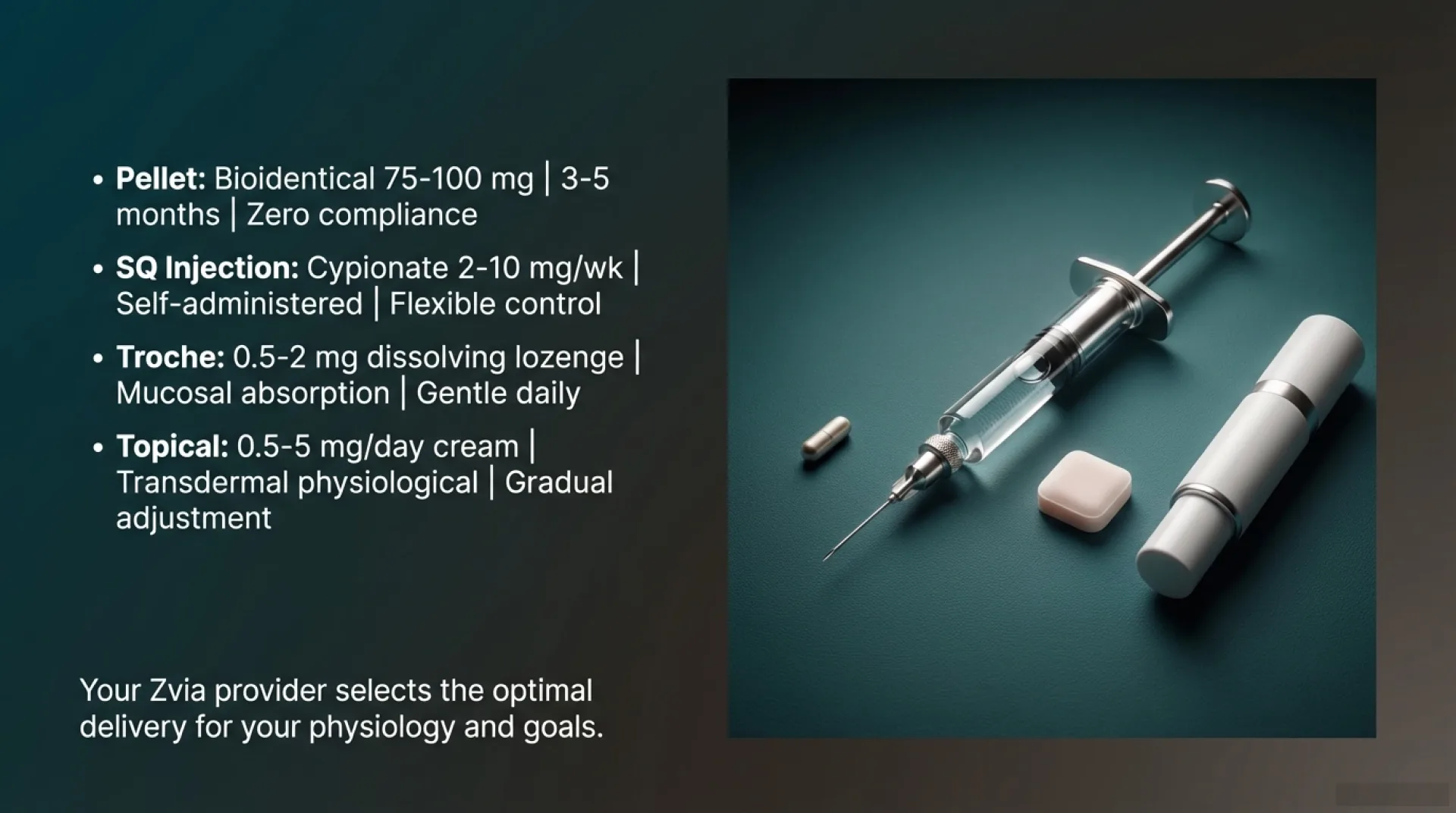
One thing to know before the menu: the Global Consensus Position Statement recommends transdermal delivery at doses approximating premenopausal physiology, and advises against formulations that produce supraphysiologic levels 6. Zvia offers several delivery methods because women’s bodies and lives differ, but that guidance shapes how we dose and how closely we monitor each one.
Topical Cream
The only route with a female-specific approved product behind it. AndroFeme 1 is a 1% cream (10 mg testosterone per mL); the recommended starting dose is 5 mg (0.5 mL) once daily, applied to the upper outer thigh or buttock, titratable up to a maximum of 10 mg (1.0 mL) daily 7. In a crossover pharmacokinetic study of seven healthy postmenopausal women, the 5 mg daily dose restored free testosterone into the premenopausal reference range — and doubling to 10 mg raised average levels by only about 30%, which is a useful argument against reflexively escalating 11. Compounded creams are dosed in the same range.
Transfer precautions matter here. In a crossover study of 24 couples using a male testosterone gel, skin-to-skin contact two hours after application raised the female partner’s testosterone measurably — but transfer was prevented by a clothing barrier over the application site, and washing the site before contact brought exposure back to near baseline 12. Female doses are roughly a tenth to a twentieth of male doses, so the risk is smaller, but the same rules apply: cover the area, wash your hands, and avoid sustained close contact with young children at the application site 7.
Pellet Implant
A compressed testosterone pellet is placed subcutaneously during a brief in-office procedure — roughly the size of a grain of rice — releasing hormone over several months with no daily action required. In a pharmacokinetic study of postmenopausal women receiving a 100 mg implant, levels four weeks after insertion averaged well above endogenous premenopausal ranges and were still elevated at 16 weeks, with substantial variation between women on identical doses 8. That’s the honest trade-off: convenience and steady delivery, at levels that are pharmacologic rather than strictly physiologic, and that can’t be dialed back once the pellet is in. A retrospective review of 1,204,012 subcutaneous implant procedures across 376,254 patients — 85% of them women — reported an overall complication rate under 1%, most commonly pellet extrusion 9. We discuss this method’s profile openly before anyone chooses it.
Subcutaneous Injection (SQ)
A cypionate or enanthate formulation self-administered weekly with an insulin syringe. Weekly low-dose subcutaneous testosterone was first characterized in a small pilot of 22 hypogonadal men, where it produced stable levels within the target range with easy self-administration and no local reactions 10; the female-dose evidence base is thinner, and doses used in women are a fraction of those. What SQ offers is precise, reversible dose control — you can change next week’s dose in response to labs and how you actually feel.
Troche
A dissolving lozenge held against the gum or inner cheek, typically daily. Troches offer a non-injection, non-implant option, and absorption through the oral mucosa bypasses first-pass liver metabolism — relevant given that oral testosterone is the route associated with unfavorable lipid changes 4. There is no published female-specific pharmacokinetic data behind troche dosing comparable to what exists for the cream, so we treat it as a preference-driven option and monitor levels accordingly.
Delivery Comparison
| Method | Frequency | Key Advantage | Trade-off |
|---|---|---|---|
| Topical Cream | Daily | Only route with an approved female-specific product and published female dosing | Requires daily application and transfer precautions |
| SQ Injection | Weekly | Precise, reversible dose control | Female-dose evidence base is limited |
| Pellet | Every few months | Steady delivery, no daily action | Levels run above physiologic range; not adjustable once placed |
| Troche | Daily | Non-invasive, avoids first-pass metabolism | Least published female-specific dosing data |
Your provider selects the method — or combination — that matches your clinical picture. This isn’t a menu where you pick what sounds appealing; it’s a clinical decision informed by your labs, your health history, and your goals.
Lifestyle Integration
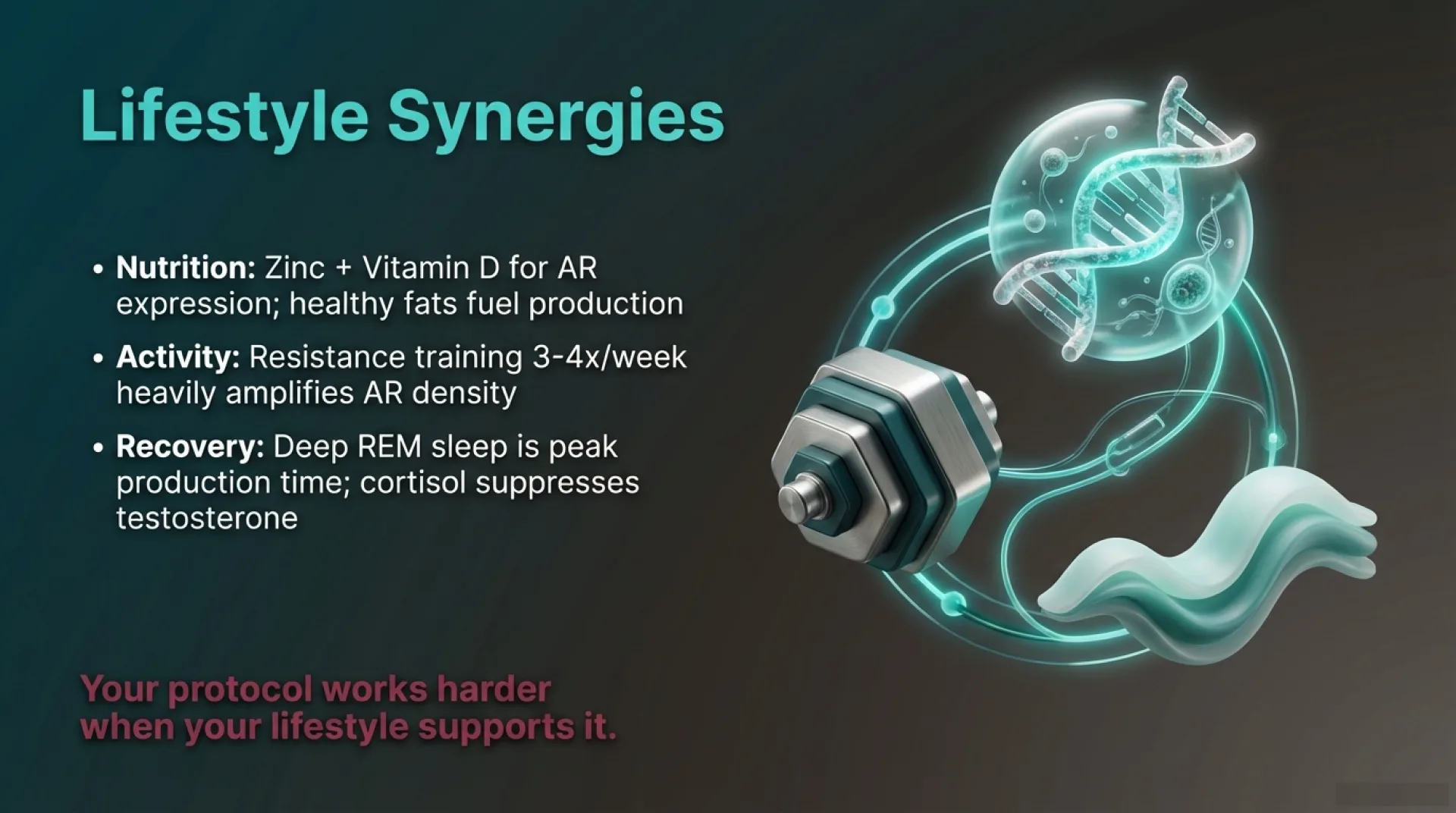
Therapy produces its strongest results when paired with intentional habits. Resistance training is not optional if body composition is one of your goals — in the trial data, lean mass gains came alongside training and adequate protein, not from the hormone acting alone 3. Nutrition plays a supporting role: in a randomized trial of 116 postmenopausal women who had low serum zinc at baseline, zinc supplementation raised testosterone levels and improved sexual function scores compared with control 13 — worth noting that the benefit was demonstrated in women who were zinc-insufficient, not as a general supplement recommendation. Sleep and stress both influence hormone regulation, and your provider will ask about them, because a protocol layered on top of four hours of sleep and unmanaged stress is being asked to do a job it can’t do.
Why Choose Zvia for Testosterone Therapy?
Testosterone therapy for women requires precision that generic prescribing simply doesn’t deliver. The difference between a dose that changes how you feel and one that pushes you into side effects can be measured in fractions of a milligram. That’s why Zvia Weight Loss & MedSpa in Lakewood, Colorado treats this as a clinical discipline — not a commodity.
Your Zvia provider starts with comprehensive lab work — not just total and free testosterone, but SHBG, estradiol, thyroid markers, and metabolic indicators that reveal the full hormonal picture. From there, the protocol is built around your specific biology — your starting levels, your symptoms, your goals, and the delivery method that fits your life.
But the real difference is what happens after. Your provider monitors your response, reviews follow-up labs, and adjusts your protocol as your body responds. If it isn’t working, we say so and change course — because you’re working with a team that actually knows you, not an algorithm that processes refills at volume.
This is what it means when we say the clinical rigor is the caring. Running the right labs, choosing the right delivery method, telling you plainly where the evidence is strong and where it isn’t, and adjusting in real time — that’s not bureaucracy. That’s a team invested in your outcome.
Continue exploring
Estrogen for Women: How Bioidentical Estradiol Works, What to Expect, and Why Precision Matters
Provider-guided estradiol replacement addresses hot flashes, night sweats, sleep, mood, genitourinary symptoms, and bone loss through precision protocols — comprehensive lab evaluation, individualized dosing, and ongoing monitoring — at Zvia Weight Loss & MedSpa in Lakewood, CO.
Testosterone for Men: How It Works, What to Expect, and Why Oversight Matters
Provider-guided testosterone replacement restores energy, strength, mood, and drive through precision protocols — comprehensive lab evaluation, individualized dosing, and ongoing monitoring — at Zvia Weight Loss & MedSpa in Lakewood, CO.
Educational purposes only. Provider-supervised protocols required. Results may vary based on individual biological response.
Discuss whether Testosterone is right for you with our clinical team.
References
- 1. Davis SR, Wahlin-Jacobsen S Testosterone in women — the clinical significance . The Lancet Diabetes & Endocrinology 3 , 980–992 (2015).
- 2. Glynne S, Kamal A, Kamel AM, Reisel D, Newson L Effect of transdermal testosterone therapy on mood and cognitive symptoms in peri- and postmenopausal women: a pilot study . Archives of Women's Mental Health 28 , 541–550 (2025).
- 3. Huang G, Basaria S, Travison TG, Ho MH, Davda M, Mazer NA, Storer TW, Bhasin S, et al. Testosterone dose-response relationships in hysterectomized women with or without oophorectomy: effects on sexual function, body composition, muscle performance and physical function in a randomized trial . Menopause 21 , 612–623 (2014).
- 4. Islam RM, Bell RJ, Green S, Page MJ, Davis SR Safety and efficacy of testosterone for women: a systematic review and meta-analysis of randomised controlled trial data . The Lancet Diabetes & Endocrinology 7 , 754–766 (2019).
- 5. Wierman ME, Arlt W, Basson R, Davis SR, Miller KK, Murad MH, Rosner W, Santoro N Androgen therapy in women: a reappraisal — an Endocrine Society clinical practice guideline . The Journal of Clinical Endocrinology & Metabolism 99 , 3489–3510 (2014).
- 6. Davis SR, Baber R, Panay N, Bitzer J, Perez SC, Islam RM, Kaunitz AM, Kingsberg SA, et al. Global Consensus Position Statement on the Use of Testosterone Therapy for Women . The Journal of Clinical Endocrinology & Metabolism 104 , 4660–4666 (2019).
- 7. Lawley Pharmaceuticals Pty Ltd AndroFeme 1 (testosterone) 10 mg/mL transdermal cream — New Zealand Data Sheet . Medsafe, New Zealand Medicines and Medical Devices Safety Authority (2025).
- 8. Glaser R, Kalantaridou S, Dimitrakakis C Testosterone implants in women: pharmacological dosing for a physiologic effect . Maturitas 74 , 179–184 (2013).
- 9. Donovitz GS Low complication rates of testosterone and estradiol implants for androgen and estrogen replacement therapy in over 1 million procedures . Therapeutic Advances in Endocrinology and Metabolism 12 , 20420188211015238 (2021).
- 10. Al-Futaisi AM, Al-Zakwani IS, Almahrezi AM, Morris D Subcutaneous administration of testosterone: a pilot study report . Saudi Medical Journal 27 , 1843–1846 (2006).
- 11. Fooladi E, Reuter SE, Bell RJ, Robinson PJ, Davis SR Pharmacokinetics of a transdermal testosterone cream in healthy postmenopausal women . Menopause 22 , 44–49 (2015).
- 12. Stahlman J, Britto M, Fitzpatrick S, McWhirter C, Testino SA, Brennan JJ, Zumbrunnen TL Effect of application site, clothing barrier, and application site washing on testosterone transfer with a 1.62% testosterone gel . Current Medical Research and Opinion 28 , 281–290 (2012).
- 13. Mazaheri Nia L, Iravani M, Abedi P, Cheraghian B Effect of zinc on testosterone levels and sexual function of postmenopausal women: a randomized controlled trial . Journal of Sex & Marital Therapy 47 , 804–813 (2021).