
Feel Like Yourself Again
The fog lifts. Energy returns. Your body remembers what it should feel like.
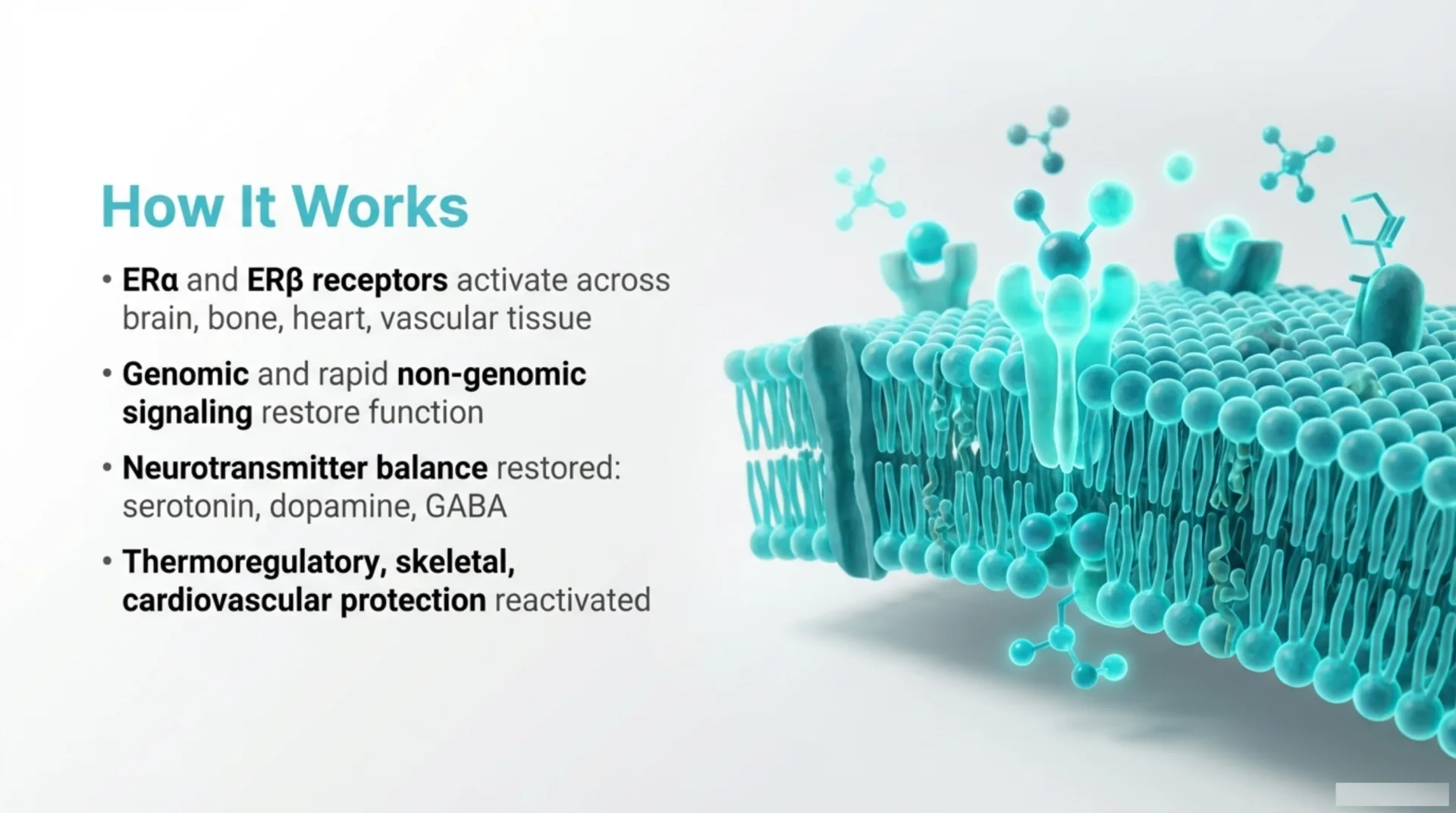
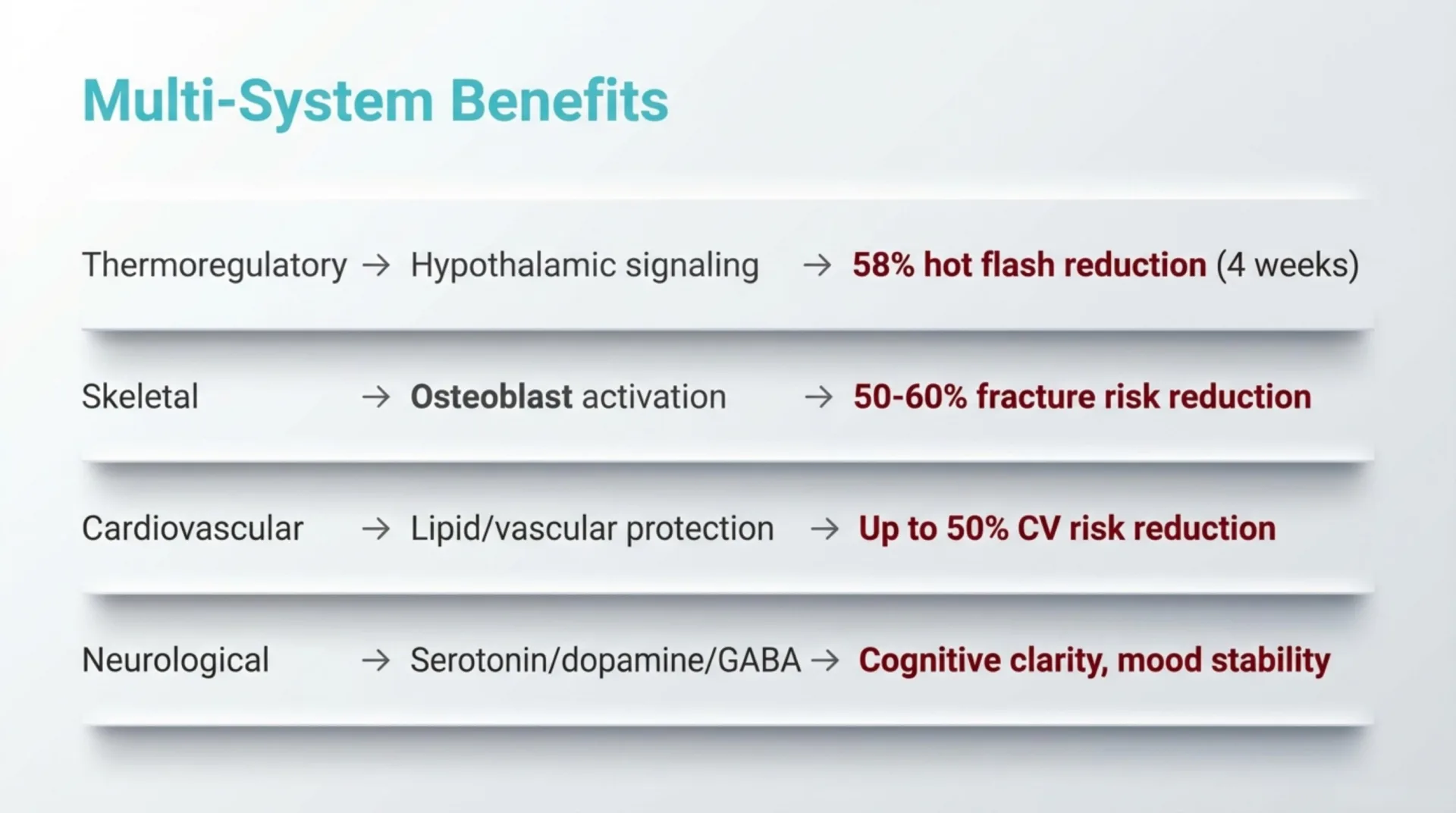
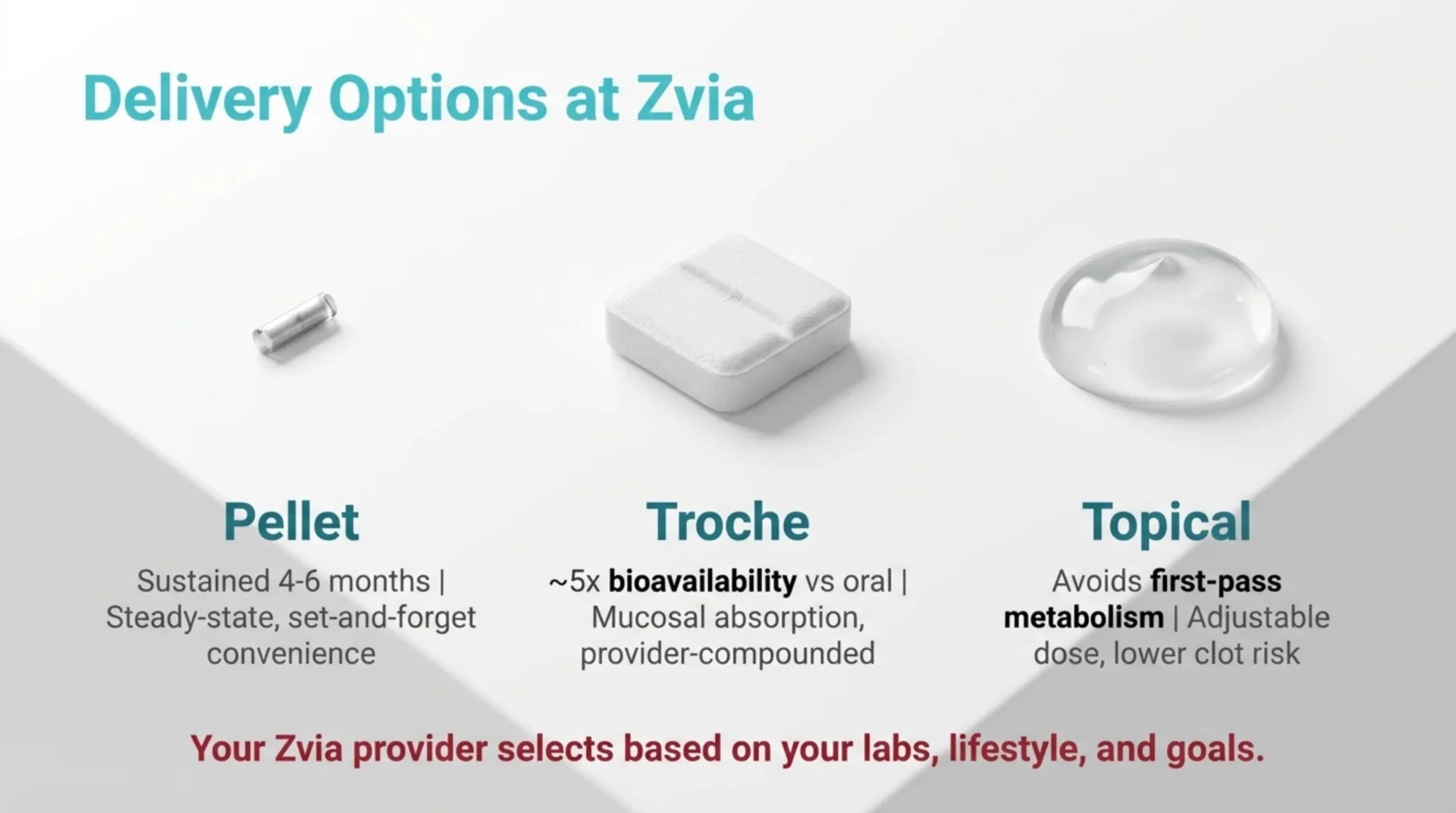
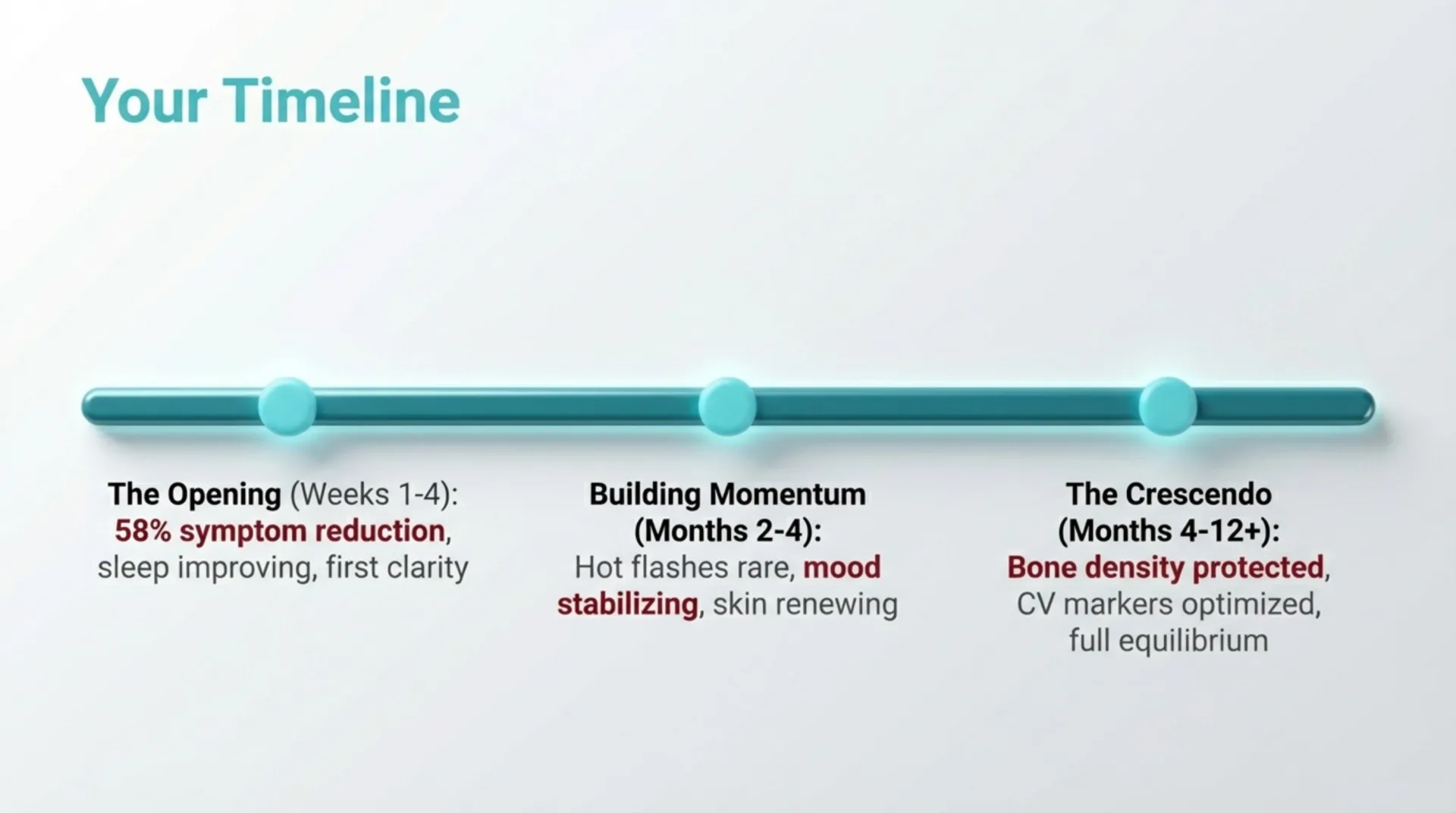


19-minute audio overview — how estradiol works, delivery methods, and your expected timeline
What Is Estradiol?
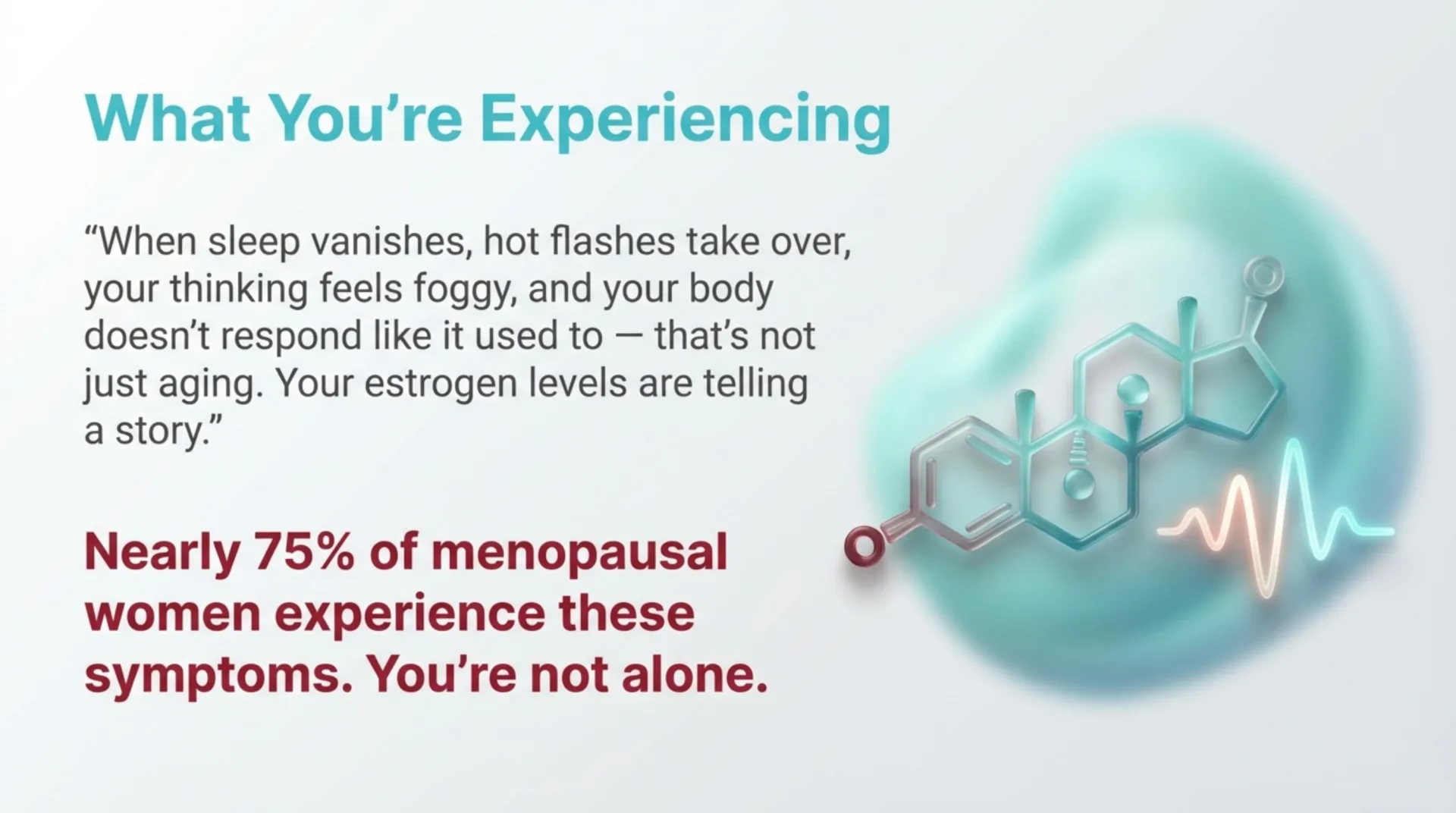
If you’ve felt your body changing in ways that feel beyond your control—hot flashes erupting without warning, your mind fogging over mid-conversation, sleep slipping away night after night—you’re not alone. These aren’t signs of weakness or aging to be silently endured. They’re signals that your body’s hormone levels have shifted, and they can be addressed.
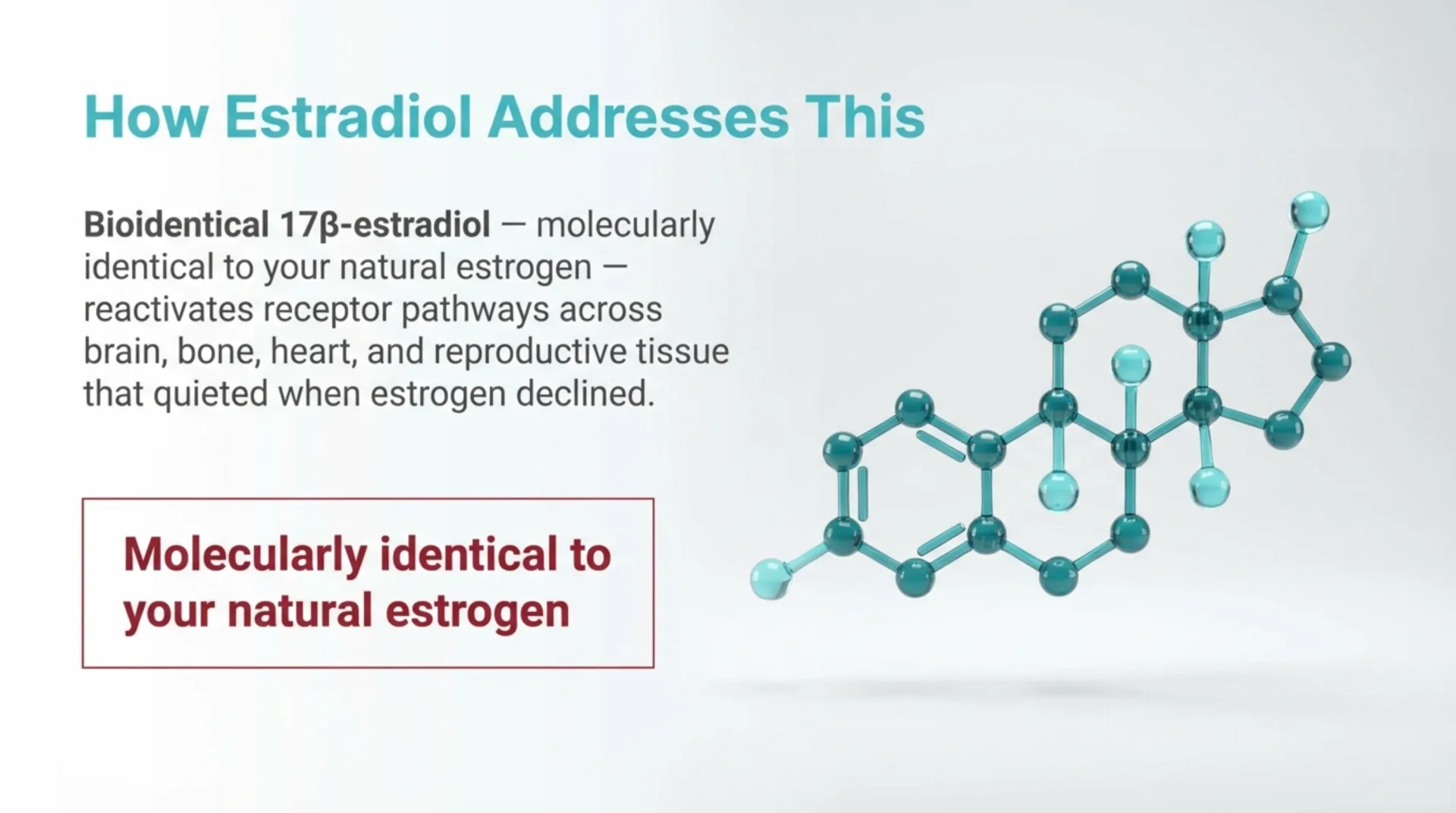
Estradiol is the bioidentical form of the estrogen your body produced naturally throughout your life. Micronized 17β-estradiol is molecularly identical to the estradiol your ovaries made for decades 1. When menopause disrupts that production, bioidentical estradiol can restore what’s been lost—not to turn back time, but to help you reclaim the comfort and mental clarity you know you should have.
This isn’t a synthetic approximation. It’s the genuine hormone, delivered through a method chosen for your body and your history, working with your biology rather than against it.
How Does It Work?
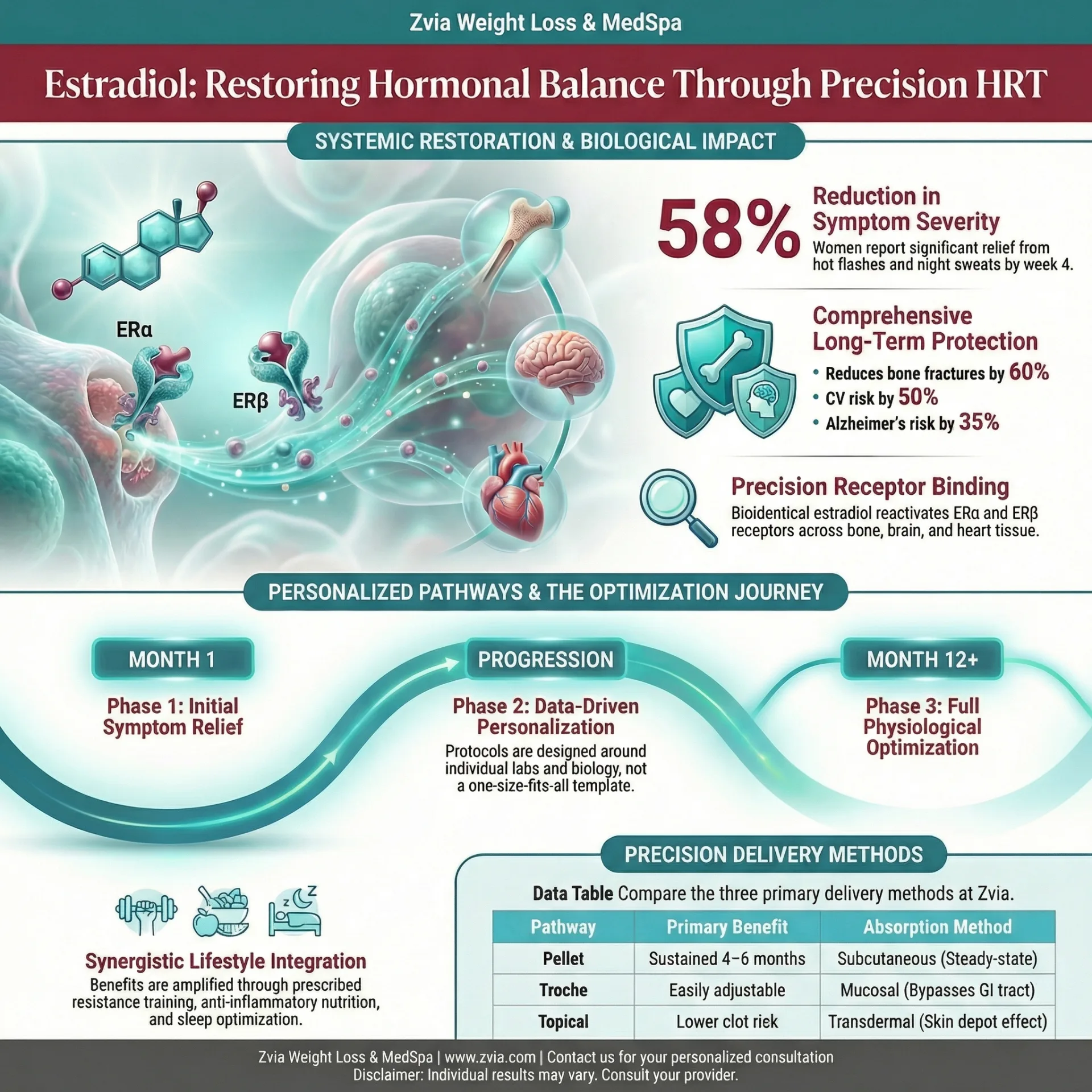
Your cells carry specific docking sites called estrogen receptors, and estradiol is the molecule they’re built to receive. There are two main types. Estrogen receptor alpha (ERα) predominates in the uterus, breast tissue, pituitary gland, skeletal muscle, adipose tissue, and bone. Estrogen receptor beta (ERβ) is more prominent in the ovary, lung, cardiovascular system, and central nervous system 2. Within any given tissue, which receptor shows up—and in what proportion—is specific to the cell type, which is a large part of why estrogen does such different things in different places.
Estradiol signals through three broad routes: a membrane-initiated pathway that produces rapid, transcription-independent effects through kinase cascades; a mitochondrial pathway that influences cellular energy production; and a nuclear pathway that reshapes gene expression over hours and days 2. That layering is one reason therapy unfolds in stages rather than all at once. Some things shift quickly. Others take months.
The practical key is consistency. A stable, physiologic blood level—maintained by your chosen delivery method—lets these receptor interactions work continuously, rather than spiking and dropping.
What Are the Benefits of Estradiol Therapy?
Vasomotor Relief — Hot Flashes and Night Sweats Hot flashes are your body’s thermostat misfiring, and estrogen therapy is the most effective treatment we have for them 3. A Cochrane systematic review of 21 placebo-controlled trials in 2,511 women found that hormone therapy reduced hot flash frequency by 77% compared with placebo (95% CI 58.2 to 87.5), with a significant reduction in severity as well; trials ran from 3 months to 3 years 4. Most women notice the change long before those end points, and many describe the first uninterrupted night of sleep as the moment it becomes real.
Bone Density Protection Estradiol is one of the most powerful regulators of bone metabolism, and hormone therapy has been shown to prevent bone loss and reduce fractures 3. The randomized numbers are worth knowing precisely, because they get inflated in a lot of clinic marketing. In the Women’s Health Initiative—which used conjugated equine estrogen rather than estradiol—women on estrogen alone had a hip fracture rate roughly a third lower than placebo (HR 0.61, 95% CI 0.41 to 0.91) and total fractures about 30% lower (HR 0.70, 95% CI 0.63 to 0.79) 5. In the estrogen-plus-progestin arm, total fractures were about a quarter lower (HR 0.76, 95% CI 0.69 to 0.83) 6.
Those are real, meaningful reductions. They are also not the 50–60% you’ll see quoted elsewhere, and we’d rather set honest expectations than have you measure your results against someone else’s brochure.
Cardiovascular Effects — What the Evidence Actually Shows This is where the gap between marketing and evidence is widest, so let’s be straight with you. A Cochrane review of 19 randomized trials in 40,410 postmenopausal women found that among women who began hormone therapy within 10 years of menopause, coronary heart disease was less common (RR 0.52, 95% CI 0.29 to 0.96) and all-cause mortality was lower (RR 0.70, 95% CI 0.52 to 0.95)—evidence the reviewers graded as moderate quality. The same review concluded that hormone therapy overall “has little if any benefit” for cardiovascular disease and increases the risk of stroke (RR 1.24, 95% CI 1.10 to 1.41) and venous thromboembolism (RR 1.92, 95% CI 1.36 to 2.69) 7.
Both of those things are true at once, and no major guideline recommends hormone therapy for cardiovascular prevention. We don’t prescribe it for that. We prescribe estradiol for what it’s approved and proven to do—vasomotor symptoms, the genitourinary syndrome of menopause, and prevention of postmenopausal bone loss 3—and your cardiovascular and clotting history shapes which dose and which delivery method we choose.
Cognitive Clarity — and What We Won’t Claim Brain fog during the menopause transition is real, and it is not something you’re imagining. Your central nervous system is dense with estrogen receptors 2, and many women tell us the fog lifts within the first month or two—often as sleep returns and the nightly interruptions stop.
What we won’t tell you is that hormone therapy prevents dementia. A 2025 systematic review and meta-analysis of 10 studies covering more than one million women found no significant association between hormone therapy and the risk of mild cognitive impairment or dementia, in either direction 8. An earlier meta-analysis did report a 32% lower dementia risk with midlife estrogen-only therapy (RR 0.69, 95% CI 0.51 to 0.92)—but only in observational studies. The randomized trials pooled in that same paper showed a 38% higher risk in women who started hormone therapy after age 65 (RR 1.38, 95% CI 1.16 to 1.64) 9. The Women’s Health Initiative Memory Study, a randomized trial in women 65 and older, found that conjugated estrogen plus progestin roughly doubled the risk of probable dementia (HR 2.05, 95% CI 1.21 to 3.48) 10.
So: estradiol may help you think clearly again, and that alone is a legitimate reason to treat. It is not a dementia drug, and we’d be doing you a disservice to imply otherwise.
Mood Stability and Emotional Resilience Estradiol interacts with the brain’s mood-regulating systems, not just your reproductive tissues. Many women report changes in mood, irritability, and emotional reactivity as their first sign of perimenopause, and for those women, treating the hormone shift often addresses the mood shift too. Many notice a difference within the first several weeks, with continued change over the first few months.
Sexual Health and Vaginal Vitality Estradiol supports the blood supply, elasticity, and moisture of vaginal and vulvar tissues, and hormone therapy is the most effective treatment for the genitourinary syndrome of menopause 3. Beyond comfort, that often means sensation, satisfaction, and confidence return—aspects of health frequently skipped over in mainstream menopause conversations and central to quality of life.
How Long Does Estradiol Therapy Take to Work?
Estradiol’s benefits unfold in phases. Individual variation is genuinely large, so treat these as a map, not a schedule.
The Opening (Weeks 1–4)
Your body begins absorbing estradiol immediately. Within the first week or two, many women notice the earliest shifts—night sweats easing, sleep deepening slightly, or a constant low-grade anxiety loosening its grip.
Week 4 is a reasonable point to expect meaningful change. In the CLARA study, a 20-woman open-label trial of a 25 mg subcutaneous estradiol implant, vasomotor and psychological symptom scores dropped significantly by week 4 and the improvement held through week 24 11. That’s a small, single-arm study—useful for setting expectations, not for promising an outcome.
This is also the phase where you’re calibrating the dose. Your provider monitors your serum estradiol to confirm you’re in a physiologic range rather than a supraphysiologic one. In that same study, serum estradiol rose from about 32 pg/mL before insertion to roughly 105 pg/mL at week 1 and held near 80 pg/mL through week 20 11. Your own target depends on your delivery method, your symptoms, and your labs, and small adjustments are normal.
Building Momentum (Months 2–4)
Hot flashes often become much less frequent or resolve entirely by month 2. Sleep, no longer interrupted by night sweats, deepens—and clearer thinking usually follows the sleep rather than preceding it. If you’ve been irritable, that emotional static often quiets. By month 3–4, many women report feeling like themselves again.
Physical symptoms that felt permanent—vaginal dryness, joint stiffness, skin dullness—often begin to improve as estradiol’s effects on tissue health accumulate. Energy returns for many women. So, frequently, does sexual desire that had been suppressed by the relentless discomfort of untreated menopause.
The Longer View (Months 4–12 and Beyond)
By month 6, most women have reached stable, near-maximal symptom relief. Bone mineral density typically stabilizes and may improve on follow-up scans, and bone is the outcome with the strongest long-term randomized evidence behind it 3, 5, 6. Ongoing improvements in energy and cognitive clarity are common but less predictable, and we track them by how you actually feel and function rather than by a chart.
Timeline Note: Individual variation is significant. Your starting estradiol level, body composition, metabolism, and delivery method all influence how quickly you notice results. Your provider monitors this actively, adjusting dose and method as needed.
Is Estradiol Right for You?
Estradiol therapy fits two distinct profiles, though the clinical partnership is the same.
The Relief Seeker You’re waking up multiple times per night, drenched. Your mind feels foggy in ways it never did before. Hot flashes interrupt your workday, your conversations, your confidence. Sleep disruption is affecting everything—your mood, your patience, your ability to think clearly. Estradiol addresses that suffering directly, and for most women it does so within weeks.
The Optimization Pursuer You’re already in good health—you exercise, you eat well, you sleep reasonably. But you know menopause changes your physiology: bone loss accelerates, body composition shifts, sleep and cognition often take a hit. You want to use the evidence available rather than wait and see.
Here’s where we’ll be candid. Estradiol’s clearest documented long-term benefit is bone, and the benefit–risk balance is most favorable for women under 60 or within 10 years of menopause onset, with no contraindications 3. It is not a proven prevention strategy for heart disease or dementia, and we won’t sell it to you as one. What we will do is tell you which of your goals the evidence supports, and design around those.
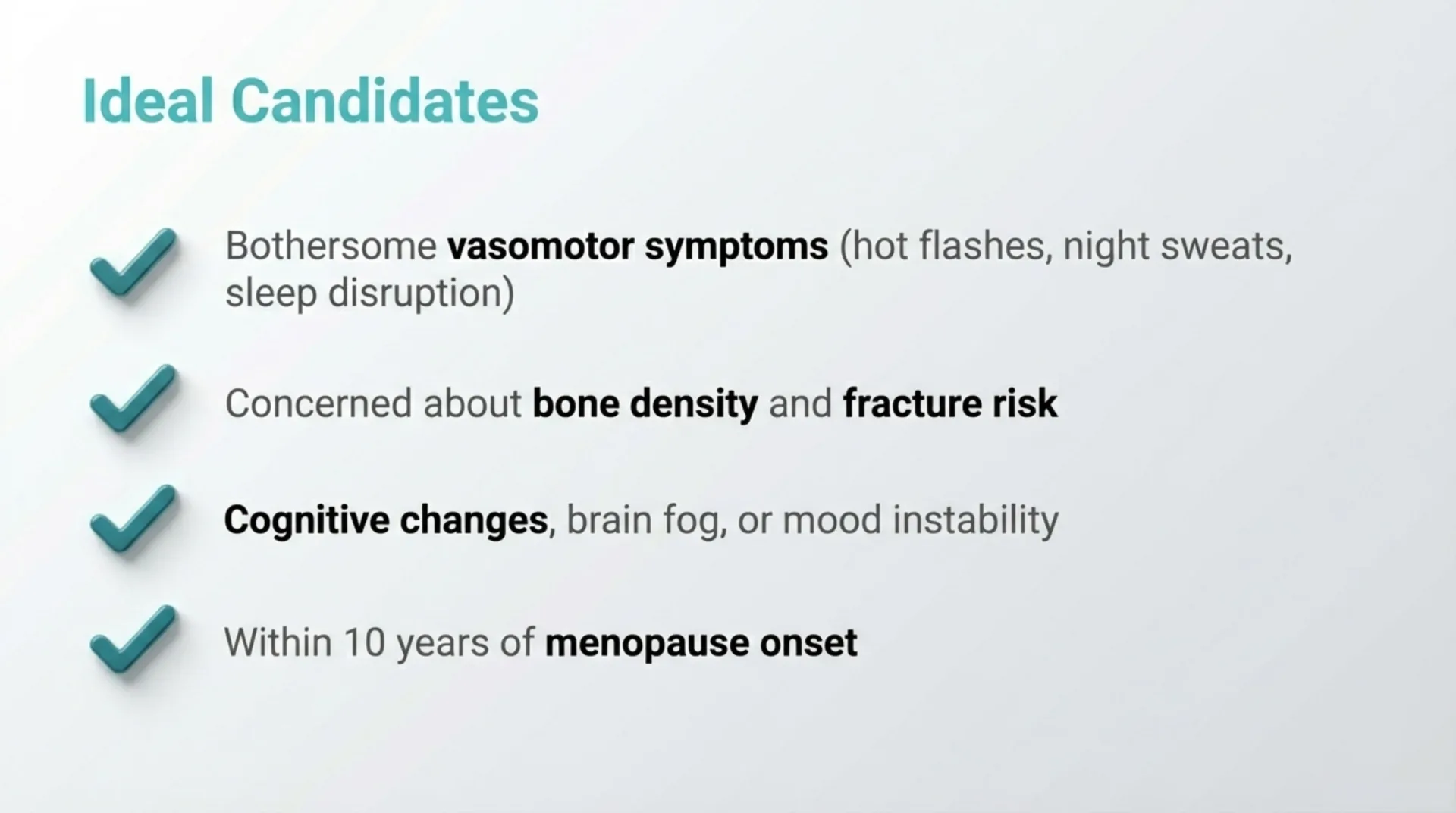
Ideal candidates are women in perimenopause or early postmenopause (within 10 years of the final menstrual period), without contraindications such as active thrombosis, unexplained vaginal bleeding, or certain cancers. Your provider evaluates your personal and family history comprehensively—not to talk you out of treatment, but to design the safest, most effective version for you.
What Does an Estradiol Protocol Involve?
Estradiol is delivered through three primary methods, each with distinct pharmacokinetics. Your provider selects the method based on your history, your preferences, and your response.
| Delivery Method | What the Pharmacokinetic Data Show | Administration | Stability | Best For |
|---|---|---|---|---|
| Pellet | Avoids first-pass liver metabolism. In a 20-woman open-label study, serum estradiol rose from ~32 to ~105 pg/mL at week 1 and held near 80 pg/mL through week 20 11 | Subcutaneous implant, ~10-minute in-office procedure; typically replaced every 4–6 months | Steady—no daily dosing variability, but the dose can’t be adjusted once placed | Women seeking consistency and minimal day-to-day management |
| Troche | Mucosal absorption bypasses the initial liver pass. In a 10-person crossover study, sublingual estradiol reached a peak of 144 pg/mL at 1 hour versus 35 pg/mL at 8 hours for the same dose swallowed 12 | Dissolves in the mouth (under the tongue or between cheek and gum), 2–3 times daily | Good—consistent dosing, though absorption varies day to day | Women who prefer daily control and the ability to adjust |
| Topical | Avoids first-pass metabolism. In a French case-control study of 155 women with venous thromboembolism and 381 controls, transdermal estrogen carried no increased clot risk versus non-users (OR 0.9, 95% CI 0.5 to 1.6) while oral estrogen carried OR 3.5 (95% CI 1.8 to 6.8) 13 | Cream, gel, or patch applied to the skin | Good—stable, physiologic levels | Women with clot-risk concerns; those preferring a non-implant method |
All three deliver bioidentical estradiol. The pellet gives the most hands-off consistency. The troche gives flexibility and a fast peak. Topical sits in the middle—effective, the best-studied safety profile of the three, and a daily ritual some women find grounding and others find tedious.
Non-oral estradiol carries a substantially lower clot risk than oral estrogen because it bypasses the first-pass liver metabolism that alters clotting-factor production 13. If thrombosis risk is a concern for you, that difference drives the conversation. Note that the transdermal evidence is far more developed than the pellet evidence, which is one reason we discuss both rather than defaulting to either.
Progesterone for Endometrial Protection If you have an intact uterus, your protocol includes progesterone alongside estradiol to protect the uterine lining from unopposed estrogen stimulation. Your provider prescribes this as part of your integrated protocol.
Lifestyle Integration Your Zvia care team prescribes your lifestyle protocol as an integral component of treatment, not as optional advice. Your protocol includes:
- Nutrition: A protein target set by your provider to support bone and muscle preservation; adequate omega-3 fatty acids; and micronutrient adequacy, with particular attention to calcium, vitamin D, magnesium, and vitamin K.
- Exercise: Your provider prescribes both resistance training (2–3x weekly, prioritizing bone-loading movements) and aerobic activity to support cardiovascular health, metabolic function, and mood. You work with a qualified outside fitness professional for execution.
- Sleep: 7–9 hours nightly. Consistent bedtime and wake time, sleep-supporting nutrition, and stress management are part of your protocol—and sleep is often the variable that determines whether the cognitive and mood benefits land.
- Stress Management: Chronic stress works against everything you’re trying to change—sleep, appetite, mood, and your capacity to sustain the rest of the protocol. Your provider may recommend meditation, breathwork, or counseling.
The estradiol is the foundation, but your daily choices—what you eat, how you move, how you sleep, how you manage stress—shape how fully you experience its benefits. Your Zvia team designs the precision protocol. You bring the commitment. That’s how lasting results happen.
Why Choose Zvia for Hormone Optimization?
Hormone replacement therapy can be obtained many ways: a 10-minute telemedicine call with a provider who’s never seen your labs, a generic protocol sent by email, a mail-order prescription filled without any follow-up. But estradiol isn’t a one-size-fits-all intervention, and your response matters.
At Zvia Weight Loss & MedSpa, hormone replacement is part of a comprehensive clinical relationship. Your provider runs extensive labs—not just an estradiol level, but lipid panels, inflammatory markers, bone health indicators, and metabolic markers—to understand your baseline and to measure what your treatment is actually doing over time.
We don’t prescribe based on symptoms alone. We track serum levels, adjust dosing based on your actual response rather than on a fixed schedule, and monitor the outcomes that matter to you.
We’re also careful about what we promise. Estradiol has strong evidence behind it for hot flashes, night sweats, genitourinary symptoms, and bone. It has genuinely unsettled evidence for cardiovascular outcomes and no proven role in preventing dementia. You deserve to hear the difference from the people prescribing it, not to discover it later.
We prescribe your lifestyle protocol with the same precision we prescribe your hormone: specific protein targets, specific exercise frequency and intensity, specific sleep priorities. We’re not suggesting you “might want to try” a few things. We’re designing a protocol and then supporting you in living it.
That’s clinical work, and it requires expertise, relationship, and follow-through. Your estradiol works best when it’s embedded in a protocol designed for you, monitored by a team who knows your history, and supported by lifestyle choices calibrated to amplify its benefits.
Educational purposes only. Provider-supervised protocols required. Results may vary based on individual biological response.
Discuss whether Estradiol is right for you with our clinical team.
References
- 1. Harper-Harrison, G., Carlson, K., Shanahan, M.M. Hormone Replacement Therapy . StatPearls [Internet], StatPearls Publishing (2024).
- 2. Yaşar, P., Ayaz, G., User, S.D., Güpür, G., Muyan, M. Molecular mechanism of estrogen-estrogen receptor signaling . Reproductive Medicine and Biology 16(1) , 4–20 (2017).
- 3. The North American Menopause Society 2022 Hormone Therapy Position Statement Advisory Panel The 2022 hormone therapy position statement of The North American Menopause Society . Menopause 29(7) , 767–794 (2022).
- 4. MacLennan, A.H., Broadbent, J.L., Lester, S., Moore, V. Oral oestrogen and combined oestrogen/progestogen therapy versus placebo for hot flushes . Cochrane Database of Systematic Reviews (2004).
- 5. Anderson, G.L., Limacher, M., Assaf, A.R., et al. (Women's Health Initiative Steering Committee) Effects of Conjugated Equine Estrogen in Postmenopausal Women With Hysterectomy: The Women's Health Initiative Randomized Controlled Trial . JAMA 291(14) , 1701–1712 (2004).
- 6. Cauley, J.A., Robbins, J., Chen, Z., et al. (Women's Health Initiative Investigators) Effects of Estrogen Plus Progestin on Risk of Fracture and Bone Mineral Density: The Women's Health Initiative Randomized Trial . JAMA 290(13) , 1729–1738 (2003).
- 7. Boardman, H.M.P., Hartley, L., Eisinga, A., Main, C., Roqué i Figuls, M., Bonfill Cosp, X., Gabriel Sanchez, R., Knight, B. Hormone therapy for preventing cardiovascular disease in post-menopausal women . Cochrane Database of Systematic Reviews (2015).
- 8. Melville, M., He, L., Desai, R., Nyamayaro, P., Fox, C., Kothari, K.U., Condron, P., Miao, M., Hickey, M., Spector, A. Menopause hormone therapy and risk of mild cognitive impairment or dementia: a systematic review and meta-analysis . The Lancet Healthy Longevity 6 , 100803 (2025).
- 9. Nerattini, M., Jett, S., Andy, C., et al. Systematic review and meta-analysis of the effects of menopause hormone therapy on risk of Alzheimer's disease and dementia . Frontiers in Aging Neuroscience 15 , 1260427 (2023).
- 10. Shumaker, S.A., Legault, C., Rapp, S.R., et al. (WHIMS Investigators) Estrogen Plus Progestin and the Incidence of Dementia and Mild Cognitive Impairment in Postmenopausal Women: The Women's Health Initiative Memory Study: A Randomized Controlled Trial . JAMA 289(20) , 2651–2662 (2003).
- 11. Malavasi, A., Ribeiro, C.M., Agati, L.B., et al. Pharmacokinetic analysis of 25 mg estradiol subcutaneous bioabsorbable implant in postmenopausal women (CLARA STUDY) . Menopause 33(4) , 425–435 (2026).
- 12. Doll, E., Gunsolus, I., Thorgerson, A., Tangpricha, V., Lamberton, N., Sarvaideo, J.L. Pharmacokinetics of Sublingual Versus Oral Estradiol in Transgender Women . Endocrine Practice 28(3) , 237–242 (2022).
- 13. Scarabin, P.Y., Oger, E., Plu-Bureau, G. Differential association of oral and transdermal oestrogen-replacement therapy with venous thromboembolism risk . The Lancet 362(9382) , 428–432 (2003).