
When Did You Stop Feeling Like Yourself?
You used to have energy to spare. The drive, the focus, the strength — it was just there. Now it takes twice the effort to get half the result, and nobody seems to have a real answer.

9-minute audio overview — how testosterone works, delivery methods, and your expected timeline
What Is Testosterone?
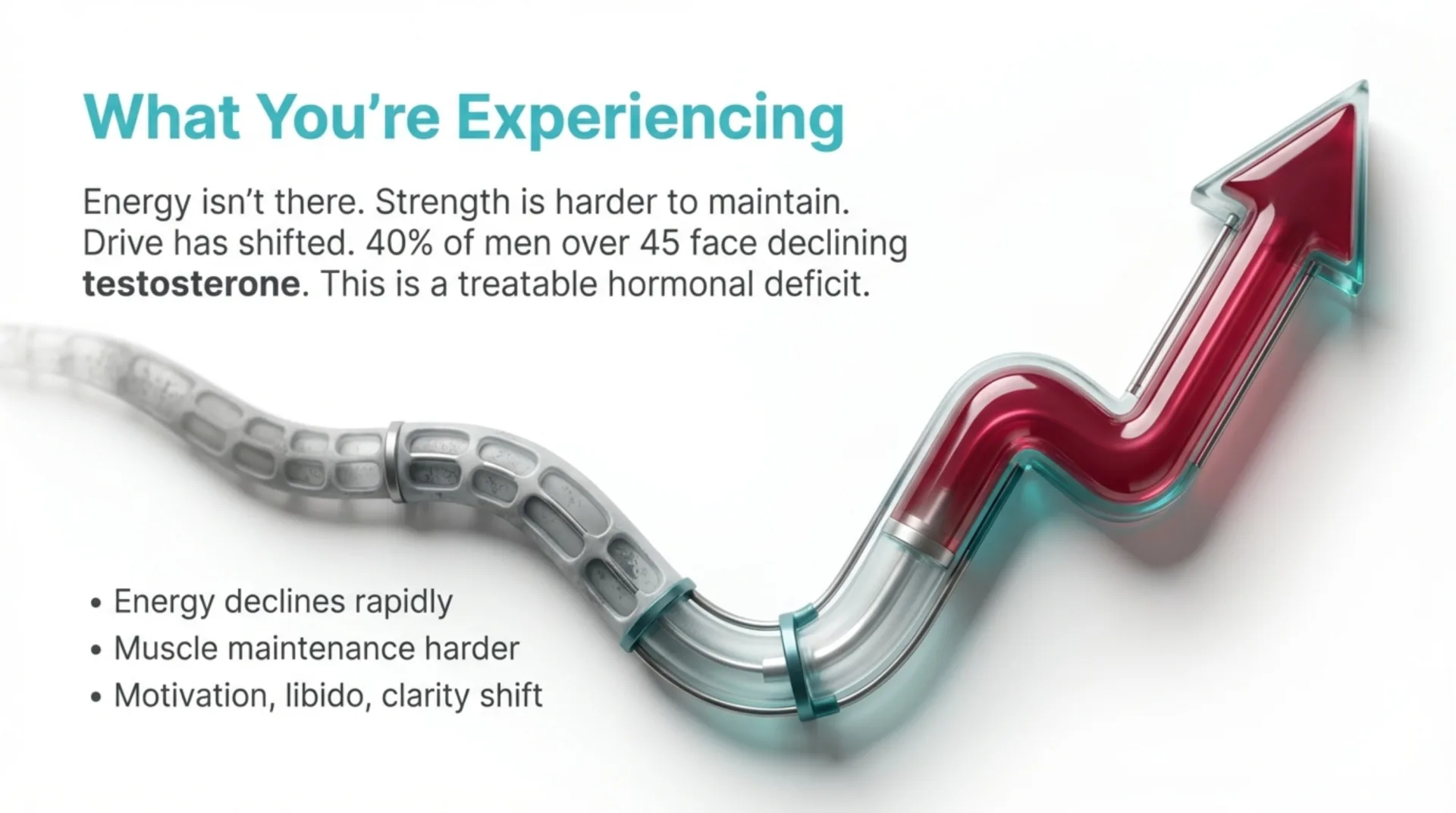
You wake up exhausted even after eight hours of sleep. Your workouts feel half-hearted. Your mind clouds over by 3 p.m. The drive that once defined you — sexual, professional, athletic — has quietly dimmed. You’ve tried better sleep, stricter training, supplements. Nothing sticks. The problem isn’t discipline or willpower. It’s biochemistry.
Testosterone is your body’s primary male sex hormone and the most potent endogenous androgen 1. It fuels energy production, muscle growth, fat loss, sexual desire, mood stability, and cognitive sharpness. When it declines — whether through aging, metabolic disease, or life stress — everything slides. The fatigue becomes real. The decline becomes measurable.
The good news: hypogonadism, the clinical term for low testosterone, is treatable. And it’s common. At 60, roughly 19% of men fall below the optimal range. By 70, that number climbs to 28%. By 80, it reaches 49% 2. You’re not alone. The normal testosterone range is 300–1,000 ng/dL 2. If your lab results place you below that, or if symptoms align with deficiency, testosterone replacement therapy (TRT) can help restore what aging or metabolic stress has taken.
Zvia Weight Loss & MedSpa approaches testosterone replacement with the same precision and care we bring to every other therapeutic protocol: comprehensive lab testing, individualized dosing, ongoing monitoring, and integration with your lifestyle. This deep dive explains how testosterone works, what you can expect, and why the right protocol — delivered and managed by people who know you — makes all the difference.
How Does It Work?
Testosterone’s effects ripple through your body via two primary mechanisms: genomic (slow, sustained) and non-genomic (fast, cellular).
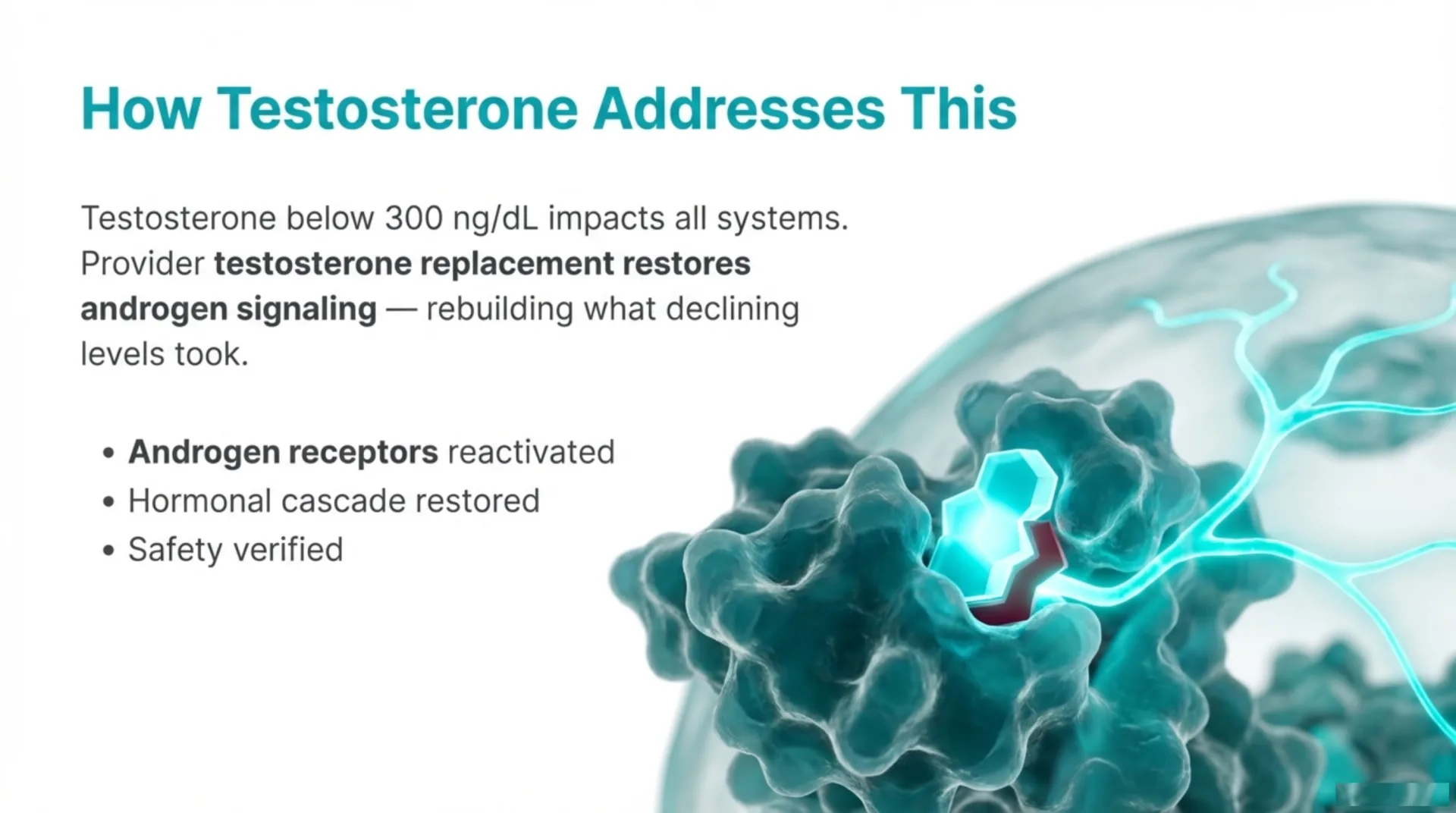
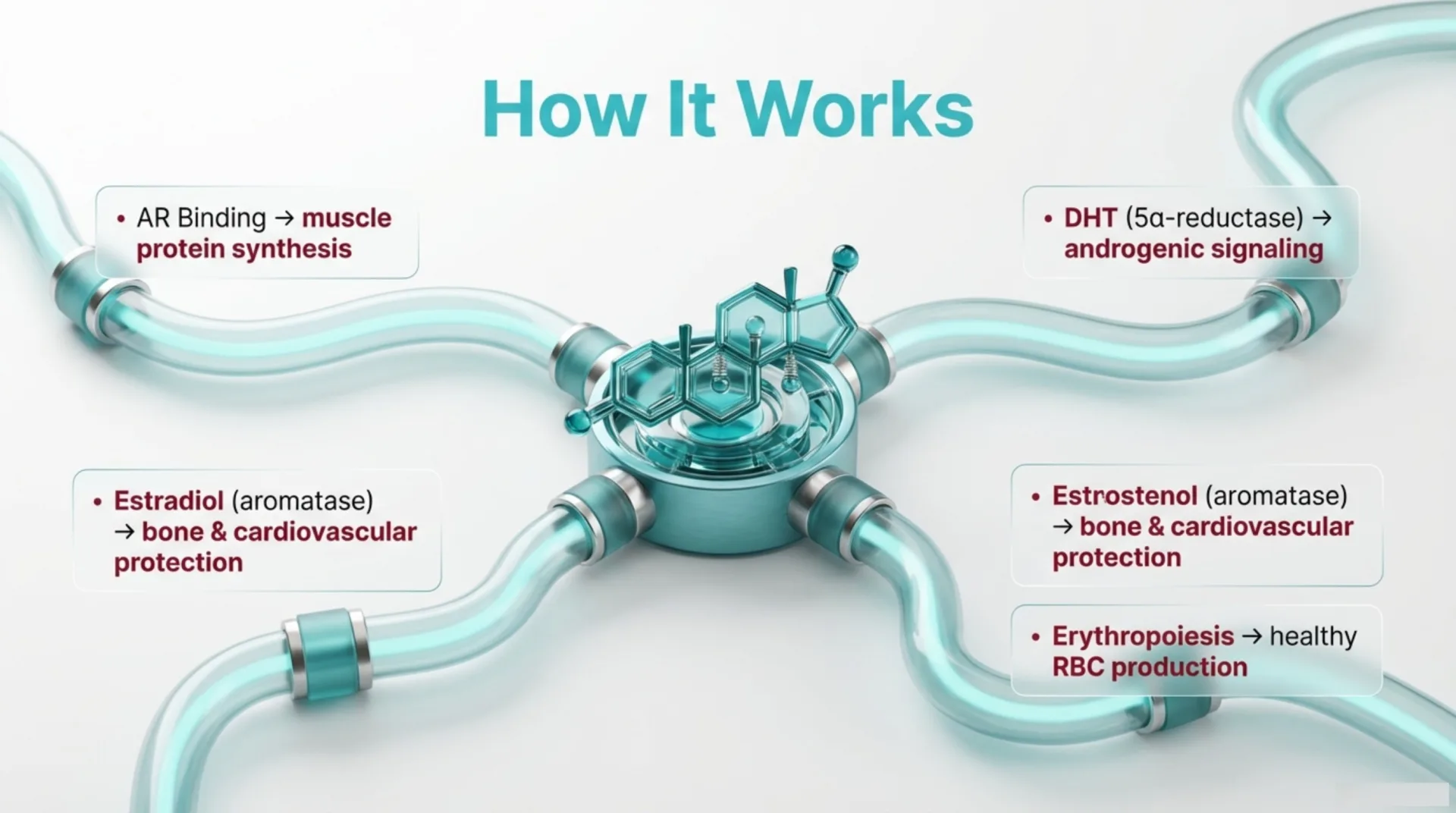
Genomic pathway: Testosterone crosses the cell membrane and binds to the androgen receptor (AR/NR3C4) in the cytoplasm 1. The hormone-receptor complex travels into the nucleus, where it attaches to androgen-responsive elements (AREs) on DNA 1. This triggers gene transcription, activating the production of proteins responsible for muscle growth, fat metabolism, bone density, and metabolic health.
Tissue-specific conversion: Once inside cells, testosterone is converted into two specialized forms. The enzyme 5α-reductase transforms testosterone into dihydrotestosterone (DHT), a more potent androgen that drives hair, skin, and prostate tissue effects 1. Meanwhile, the enzyme aromatase converts testosterone into estradiol, the primary female sex hormone, which is critical for bone health, cardiovascular protection, and cognitive function in men 1. This dual pathway ensures testosterone’s benefits are distributed across multiple systems.
Non-genomic signaling: Beyond the nucleus, testosterone activates rapid signaling cascades — Src, Raf-1, and Erk-2 kinases 1 — that produce immediate cellular effects. These fast pathways enhance muscle contraction, improve blood vessel function, and support mood and sexual arousal within hours or days, not weeks.
The result: testosterone doesn’t just make you stronger or more sexual. It rewires your metabolism, mood, cognition, and resilience at the cellular level.
What Are the Benefits of Testosterone Therapy for Men?
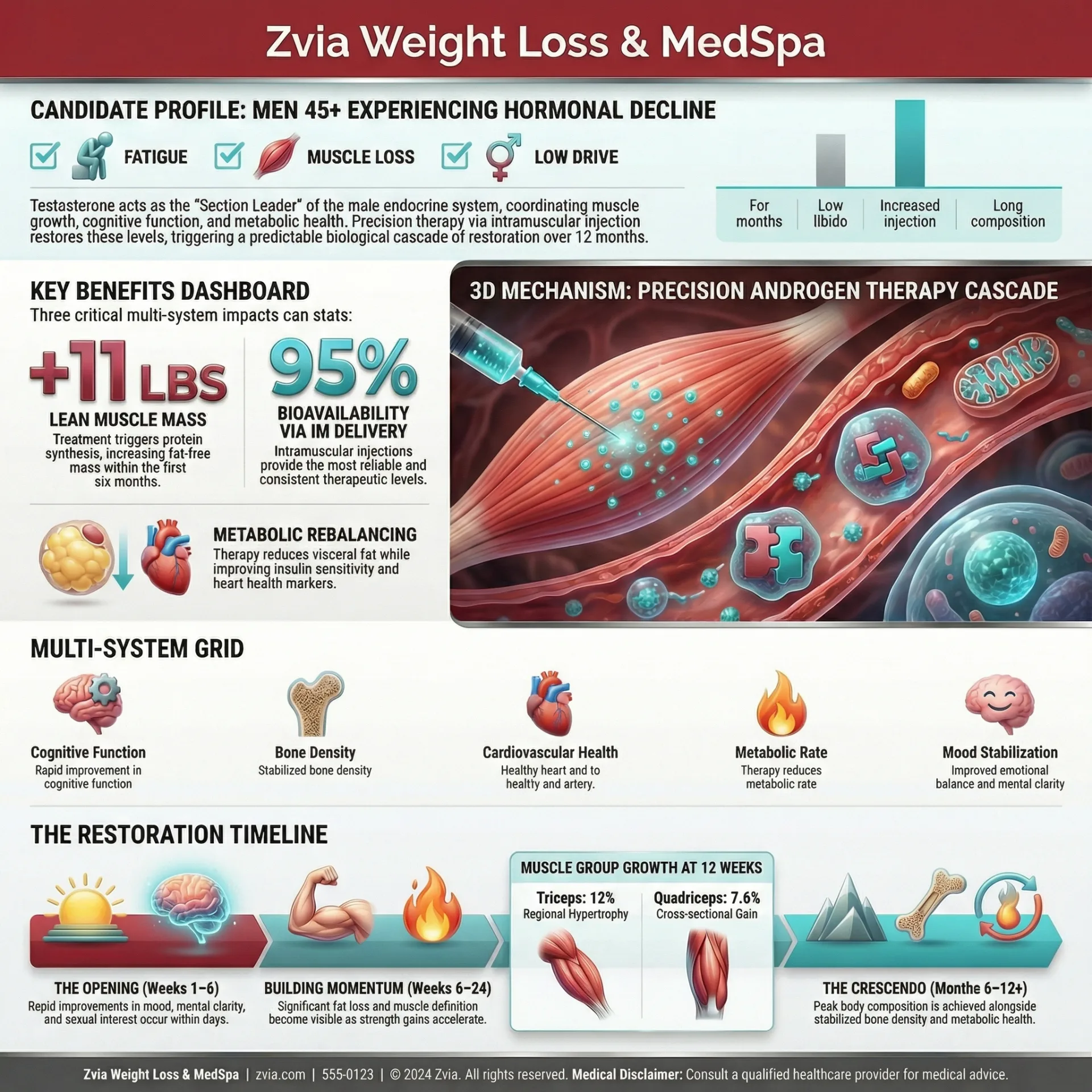
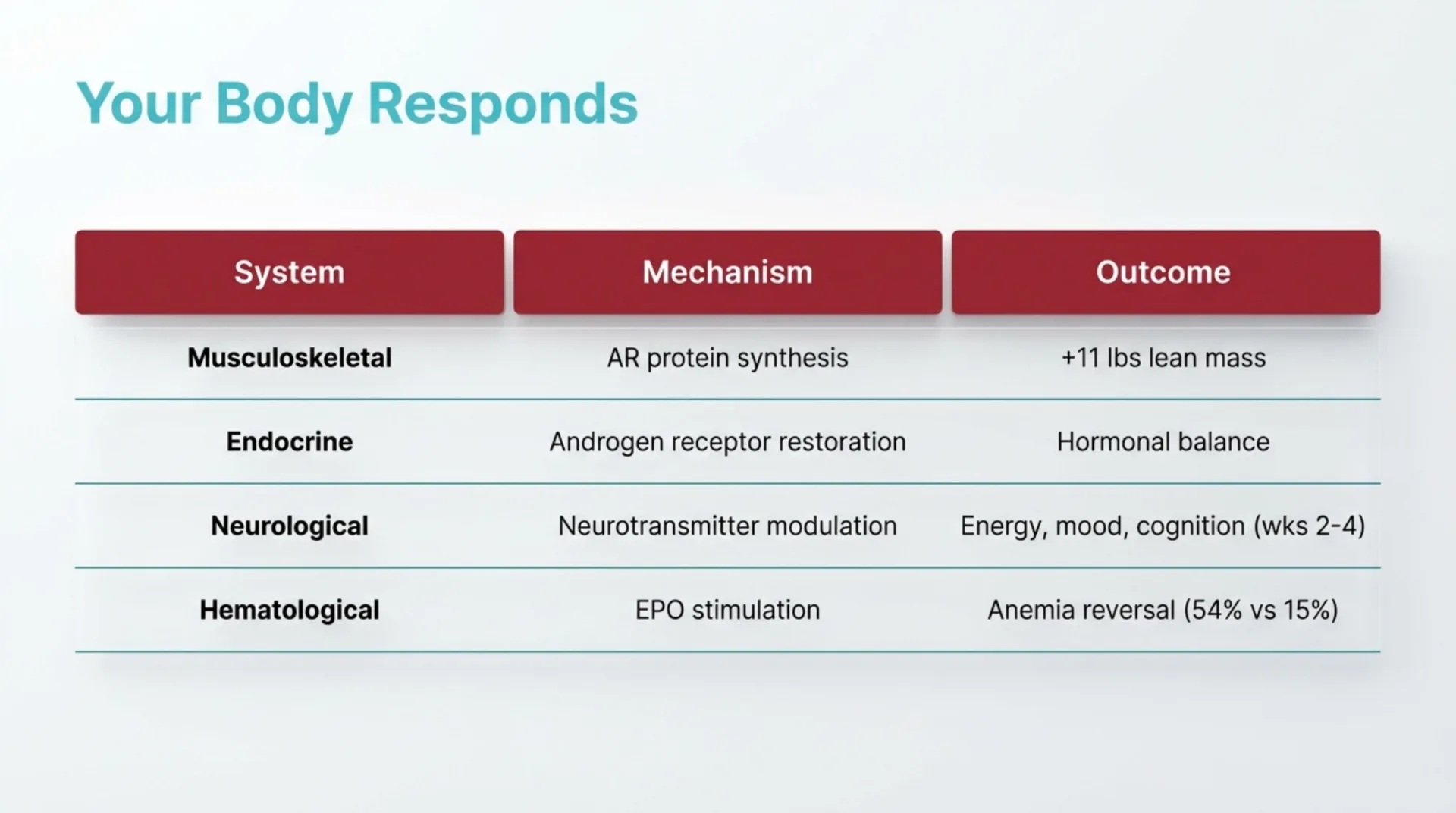
Lean muscle mass restoration. Testosterone activates AR-mediated protein synthesis in skeletal muscle, shifting your body toward building rather than breaking down. Pooled data from randomized placebo-controlled trials put the average gain in lean mass at roughly 1.2 to 2.5 kg over several months of therapy 3, 4, 5 — meaningful, measurable on body-composition testing, and typically greater when therapy is paired with the resistance work your provider prescribes. That is a smaller number than the transformations you’ll see marketed online, and we’d rather set an honest expectation than have you measure your results against someone else’s brochure. Where you land depends on where you’re starting from, and that’s part of what we track together.
Body fat reduction. Androgen receptors are expressed in adipose tissue as well as muscle 1, and across pooled trial data total body fat fell by an average of about 1.6 kg — roughly 6% of baseline — in men on testosterone therapy 4. Fat tends to mobilize from the abdomen and viscera, the deposits most linked to cardiovascular and metabolic disease. Combined with nutrition and activity, body composition changes typically become measurable between six and twelve weeks and continue to develop over six to twelve months 6.
Energy and vitality. Testosterone stimulates erythropoiesis, the production of red blood cells that carry oxygen to your tissues — an effect that becomes evident around three months and continues to build through nine to twelve months 6. The same shift that improves oxygen delivery is why hemoglobin and hematocrit are on every monitoring panel we run.
Sexual function recovery. Across 28 randomized trials, testosterone therapy improved erectile function compared with placebo 7. These improvements are rooted in AR expression in the corpus cavernosum (penile tissue) and the central nervous system. Many men recover not just physical capacity but psychological confidence.
Mood stabilization and cognitive clarity. Androgen receptors are expressed throughout the nervous system 1, and in trial data, effects on depressive mood become detectable at three to six weeks and reach their maximum somewhere between eighteen and thirty weeks 6. Men report reduced irritability, improved focus, and a return of motivation and optimism. The effect is subtle but profound: you feel like yourself again.
Bone mineral density protection. Testosterone stimulates osteoblasts (bone-building cells) directly via AR signaling 1. The aromatase conversion to estradiol adds a second protective pathway for bone health, critical for preventing osteoporosis and fractures as you age.
How Long Does Testosterone Therapy Take to Work?
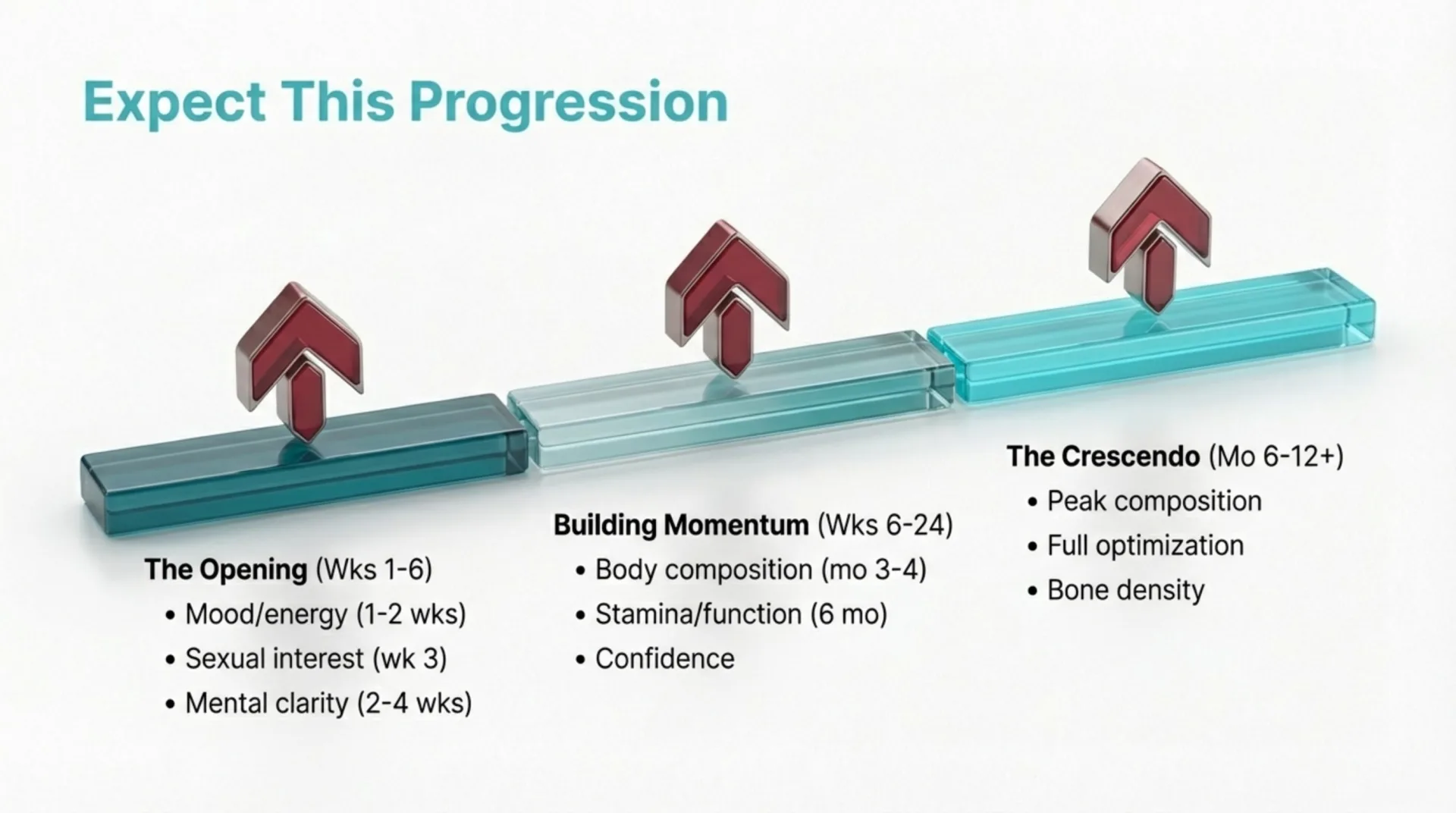
Testosterone replacement unfolds in three distinct phases, each with its own milestones. Individual variation is real — genetics, baseline hormone levels, lifestyle factors, and stress all influence the exact pace. But the sequence is reliable.
Phase 1 — The Opening (Weeks 1–6): The first signals arrive early. In our practice, the first thing most men notice isn’t the gym performance — it’s the mood. Clients regularly describe feeling like a fog has lifted within the first few weeks of optimization, and that tracks with the trial data: overall quality of life improvement registers at weeks three to four 6. Sexual interest returns around week three and plateaus by week six, though changes in erections and ejaculation can take up to six months 6. These early wins are psychological anchors; they confirm the protocol is working and keep you engaged.
Phase 2 — Building Momentum (Weeks 6–24): This is where the deeper transformation happens. Body composition and muscle strength changes begin around six to twelve weeks 6. Mood reaches maximum improvement somewhere between week eighteen and week thirty, a window longer than most expect but worth the patience 6. Red blood cell production (erythropoiesis) becomes evident at three months 6. Lipid profiles (cholesterol, triglycerides) begin shifting within four weeks and continue changing out to three months and beyond 6. You’re not just feeling better; your bloodwork is telling the same story.
Phase 3 — The Crescendo (Months 6–12+): Stabilization and sustained optimization. Body composition gains continue to consolidate through six to twelve months, and erythropoietic effects peak around nine to twelve months 6. Lean muscle mass settles at an equilibrium reflecting your training stimulus and nutrition. For many men, this is the phase where TRT becomes seamless — no longer novel, but thoroughly integrated into your life.
Timeline Note: Individual variation reflects genetics, age, baseline hormone levels, training consistency, nutrition adherence, sleep quality, and stress management. Some men see body composition changes in month two; others need month three or four. In a laboratory study of ten healthy young men, restricting sleep to five hours a night for a week lowered daytime testosterone by 10–15% 8 — a small study, but a pointed one, and a good illustration of why lifestyle integration matters. A provider who monitors your labs and adjusts your protocol based on your unique response curve achieves better outcomes than one following a generic template.
Is Testosterone Right for You?
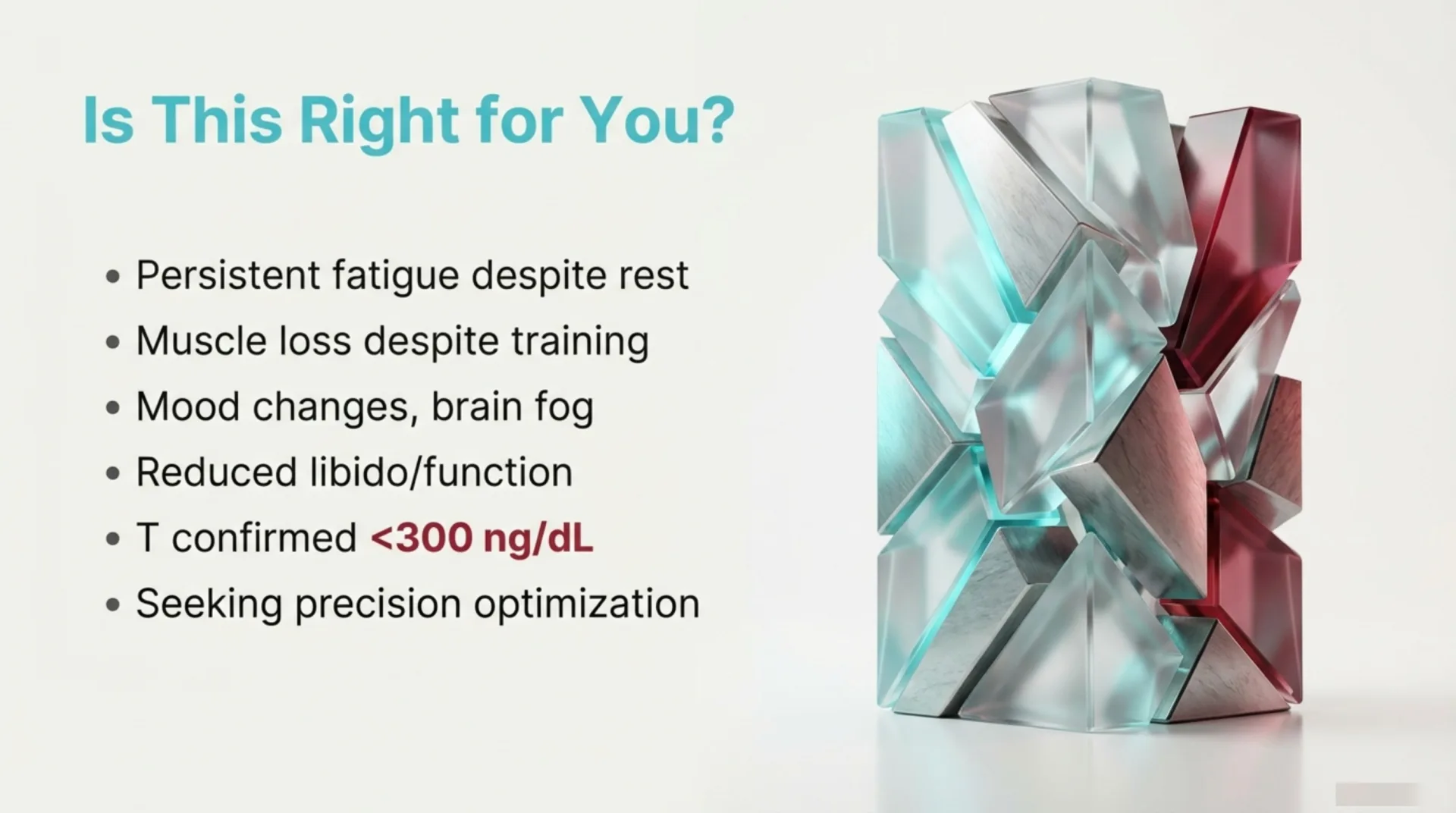
The ideal candidate presents with both measurable hypogonadism (lab confirmation, usually below 300 ng/dL) and clinical symptoms: fatigue, strength loss, sexual dysfunction, mood decline, or cognitive fog. We often think of two archetypes.
The Relief Seeker has experienced a clear decline — aging, metabolic disease, or chronic stress — and wants restoration to a baseline that felt normal. This is often a man in his 50s, 60s, or 70s recovering the function and vitality of a decade prior.
The Optimization Pursuer may have low-normal or borderline-low testosterone and wants to maximize performance, body composition, and resilience. This is often a younger man (40s–50s) seeking competitive edge or a midlife refresh.
Both profiles respond well to TRT when baseline labs confirm the need and when the protocol is tailored to the individual.
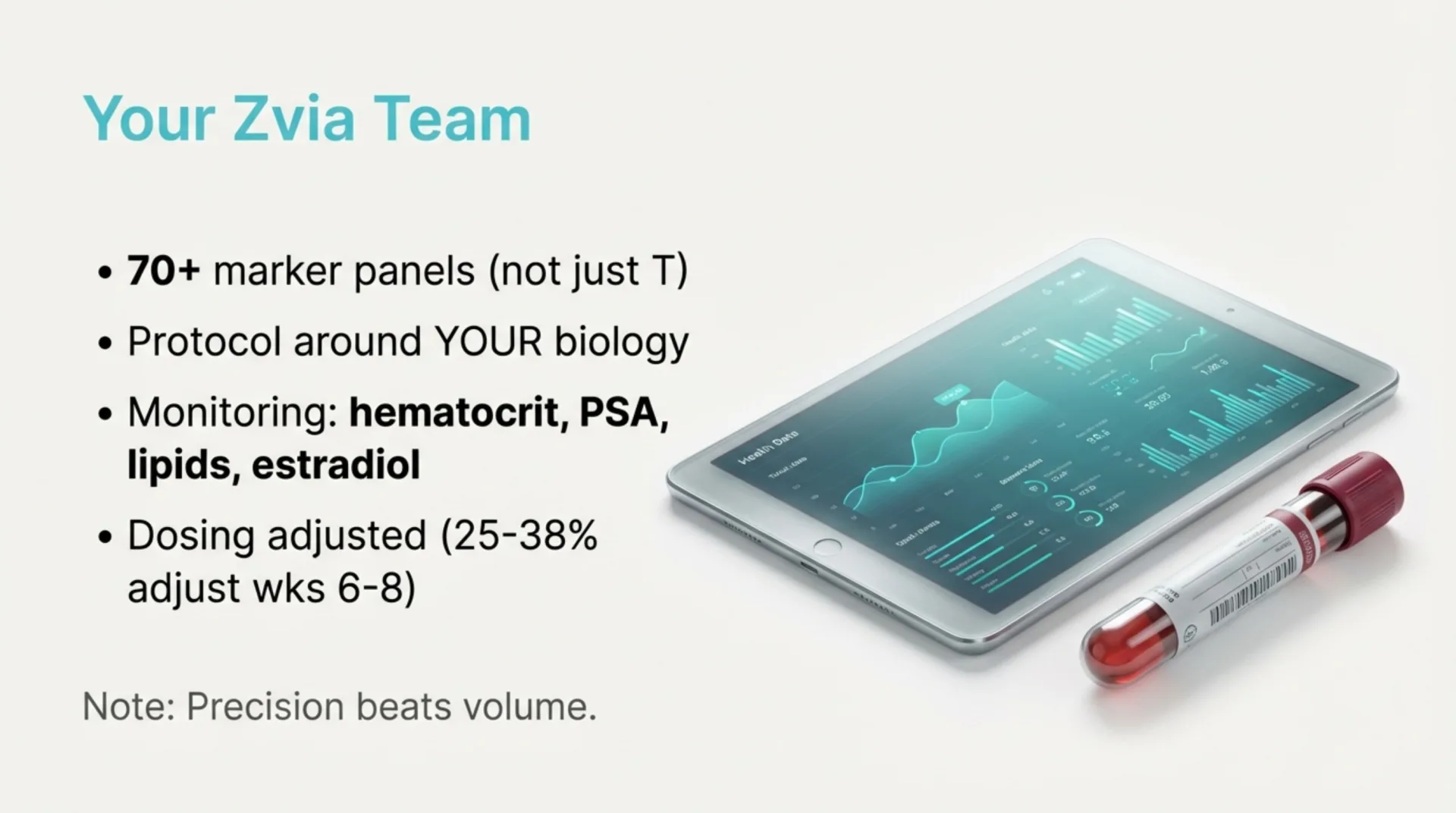
Provider evaluation is the definitive step. A comprehensive lab panel — total testosterone, free testosterone, estradiol, DHT, SHBG, lipids, liver function, hemoglobin, PSA, and metabolic markers — determines eligibility, guides dosing, and establishes monitoring baselines. Contraindications include untreated sleep apnea, severe untreated hypertension, prostate cancer, breast cancer, or severe polycythemia 2. A provider with deep knowledge of your medical history makes this evaluation trustworthy.
What the safety data says — the whole of it. You deserve the complete picture here, not the half of it that sells.
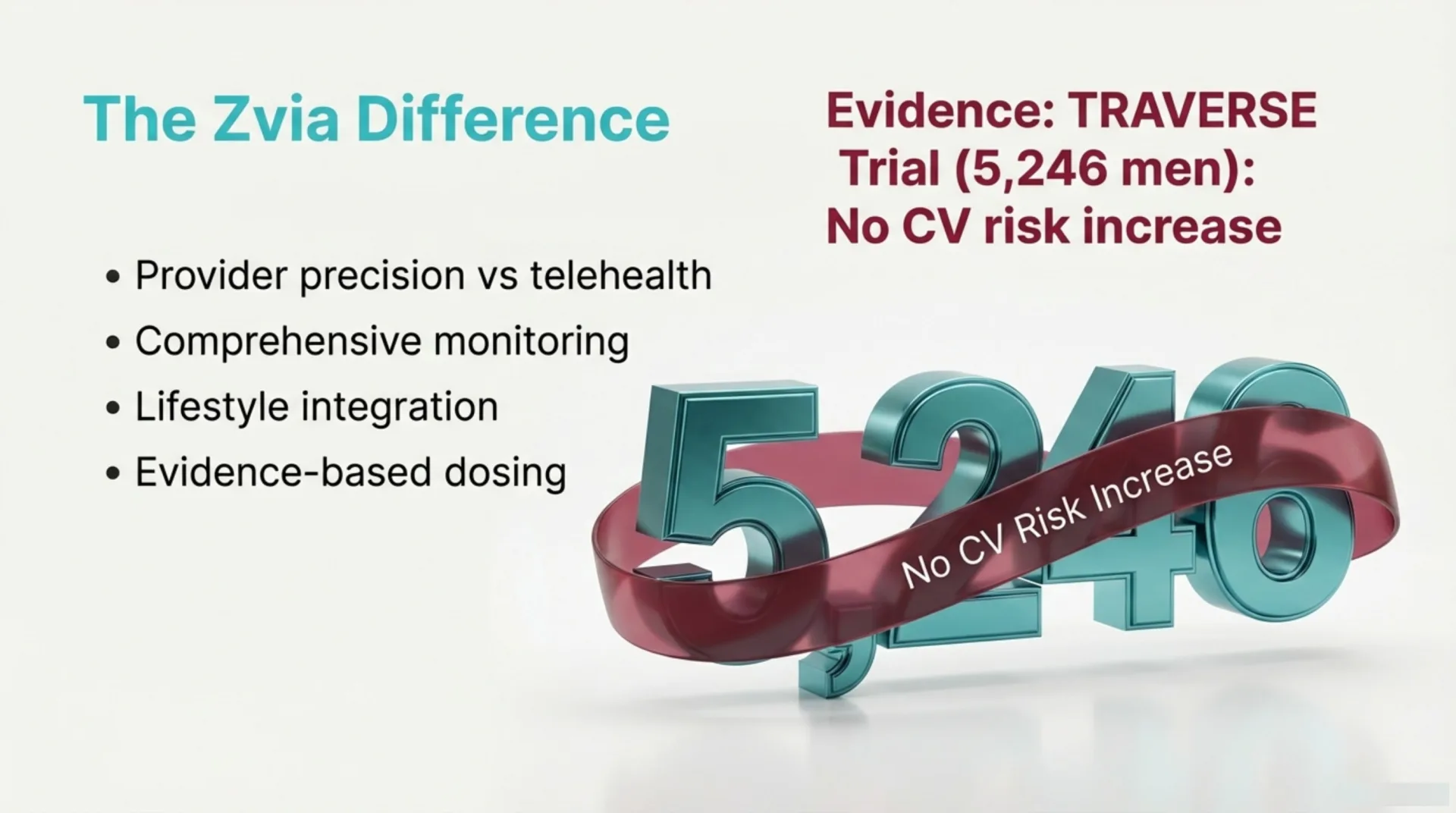
The reassuring half is substantial. TRAVERSE, a randomized placebo-controlled trial of 5,246 men aged 45 to 80 who already had cardiovascular disease or were at high risk for it, found no increase in major adverse cardiac events on daily transdermal testosterone gel: 182 men (7.0%) on testosterone versus 190 (7.3%) on placebo over a mean follow-up of 33 months 9. The TestES evidence synthesis — 35 randomized trials, 5,601 participants — likewise found no difference in cardiovascular or cerebrovascular events between testosterone and placebo (7.5% vs. 7.2%), and improvements in quality of life and sexual function across almost every subgroup 10. And contrary to the fear-based narratives, pooled data from 28 trials show testosterone therapy improved erectile function without worsening the urinary symptoms of benign prostatic hyperplasia or significantly raising PSA 7.
The half that usually gets left out matters too. In that same TRAVERSE trial, several events were more common on testosterone than on placebo: atrial fibrillation (3.5% vs. 2.4%), acute kidney injury (2.3% vs. 1.5%), nonfatal arrhythmias requiring intervention (5.2% vs. 3.3%), and pulmonary embolism (0.9% vs. 0.5%) 9. Those are small absolute differences, and the trial’s analysis plan wasn’t built to prove them — the investigators are explicit that these are point estimates, not definitive treatment effects 9. But they are real signals, and they are exactly why a history of blood clots, kidney injury, or an arrhythmia changes the conversation about whether testosterone is right for you. We would rather have that conversation before you start than after.
The regulatory picture reflects both halves. On February 28, 2025, the FDA acted on TRAVERSE and removed the cardiovascular-risk language from the Boxed Warning across all testosterone products — and in the same action required a new class-wide warning that testosterone can raise blood pressure, which can increase cardiovascular risk over time 11. Topical testosterone gels also keep their separate boxed warning about secondary exposure: virilization has been reported in children who came into contact with a treated man’s skin 12. “The FDA lifted the heart warning” is true. It just isn’t the whole sentence, and blood pressure is now something your Zvia provider monitors on protocol rather than an afterthought.
Taken together, this is a substantial evidence base, and it supports testosterone therapy as a well-studied option when it is carefully selected and closely monitored — which is the entire argument for doing this with a care team rather than a questionnaire.
What Does a Testosterone Protocol Involve?
Testosterone replacement via Zvia utilizes two delivery methods, each with distinct pharmacokinetics and advantages.
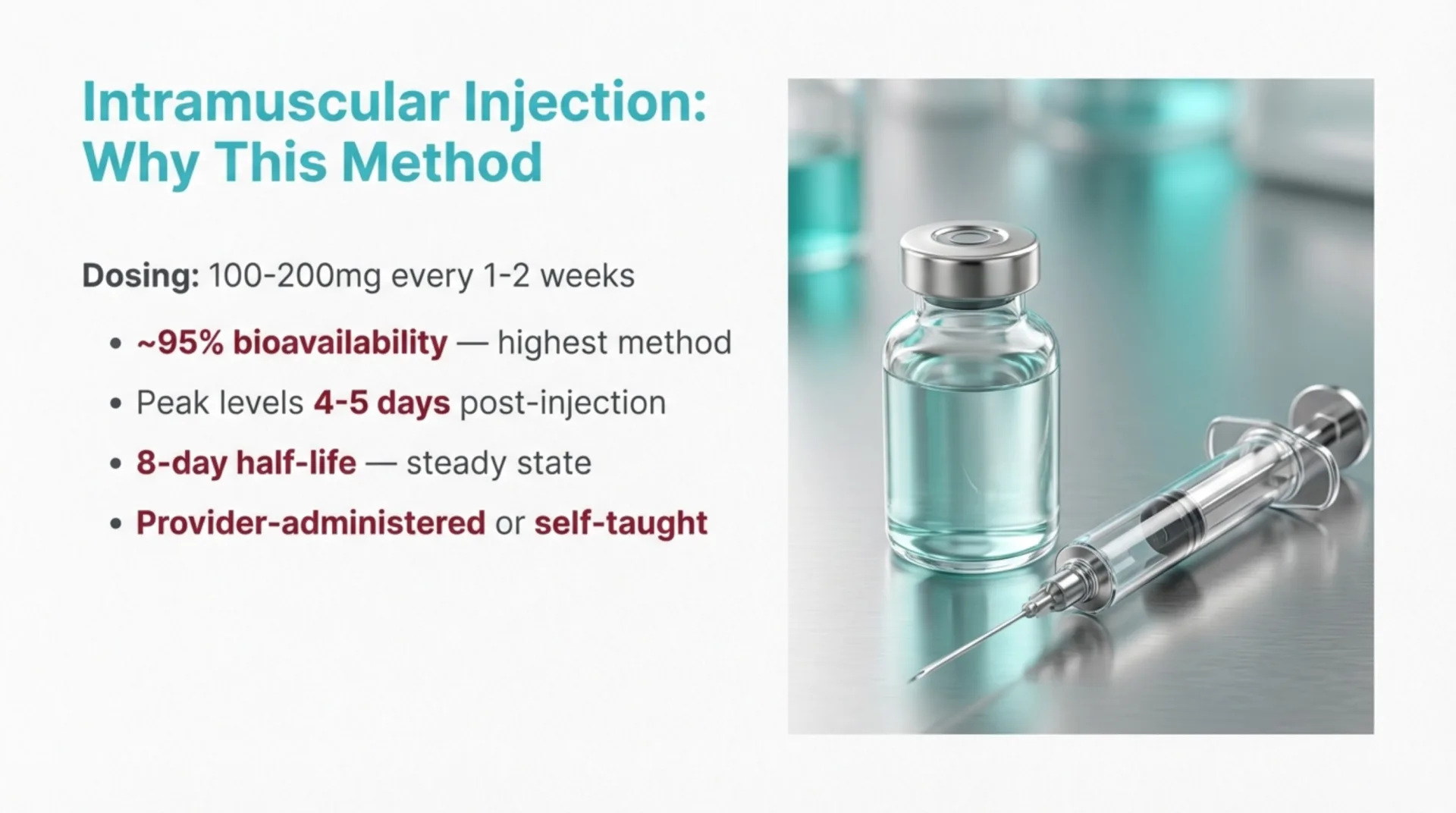
Intramuscular (IM) injection: Delivered weekly or biweekly, IM testosterone uses an enanthate or cypionate formulation. Enanthate has a half-life of approximately 4.5 days; cypionate approximately 8 days 13. IM delivery produces a peak-and-trough pattern between doses 13, and the dosing interval your provider chooses is part of how that swing gets managed. Dosing is set against your labs and your symptoms, with the goal of holding your levels in the therapeutic range rather than chasing a number 13. The protocol is straightforward: a brief injection, minimal disruption, reliable absorption. Most men report ease and confidence with IM within the first month.
Subcutaneous pellet implant: Testosterone pellets — crystalline testosterone, 75 mg per pellet — are placed under the skin through a small incision 14. The FDA-approved dosing range is 150 mg to 450 mg — two to six pellets — implanted every three to six months, adjusted to your response and your labs 14. About a third of the material is absorbed in the first month, a quarter in the second, and a sixth in the third; adequate effect ordinarily continues for three to four months, sometimes as long as six 14. Release is slow and steady — an absorption half-life of roughly 2.5 months, about 1.3 mg per day for every 200 mg implanted — and patient satisfaction in the published literature runs above 70% 15. The advantage: no weekly injections, no monthly pharmacy visits, no compliance burden. The trade-off: an in-office procedure, a brief healing period, and several weeks before levels settle into their plateau. For men seeking set-and-forget simplicity, pellets often win.
You will find clinics implanting well above the labeled range. We stay inside it. The label exists because dose and duration were studied together, and going past it trades a known safety profile for an unknown one — which is not a trade we will make with your health.
Delivery comparison:
| Feature | IM Injection | Pellet Implant |
|---|---|---|
| Dose range | Provider-directed, per labs | 150–450 mg (2–6 pellets) |
| Frequency | Weekly or biweekly | Every 3–6 months |
| Onset | Days to 1 week | 2–4 weeks |
| Level pattern | Peak and trough between doses | Slow, steady release |
| Procedure | Injection | Minor in-office incision |
| Patient burden | Ongoing visits | Single procedure, then months off |
Your provider determines the optimal method based on your preference, lifestyle, compliance history, and medical profile. Neither is universally better; each suits different patients.
Lifestyle integration is non-negotiable. Testosterone therapy amplifies the benefits of good fundamentals and reveals the limits of poor ones.
Nutrition: Adequate protein (1.6–2.2 grams per kilogram of body weight daily) and micronutrient sufficiency — zinc, magnesium, vitamin D3 — support the anabolic response. Iron status should be monitored, as TRT stimulates red blood cell production.
Activity: Your provider prescribes activity the same way we prescribe anything else — modality, frequency, and intensity, written into your protocol. Resistance training several days weekly is what moves lean mass toward the upper end of what the trial data show is possible 3, 4, 5, with conditioning work alongside it for cardiovascular and metabolic health. You carry that prescription out with whatever fitness professional or setting works for your life; we don’t run the gym, we run the plan and track the results.
Sleep: Seven to nine hours nightly is foundational. In the laboratory, a week of five-hour nights lowered daytime testosterone by 10–15% in healthy young men 8 — a reminder that sleep is not a soft variable, and that a protocol built on four hours of sleep is fighting itself.
Stress management: Chronic stress elevates cortisol, which suppresses testosterone and accelerates catabolism. Meditation, breathwork, social connection, and purposeful rest are as much a part of the protocol as the hormone itself.
Men who layer TRT with these lifestyle elements see compounded gains. Men who ignore lifestyle limitations plateau earlier.
Why Choose Zvia for Testosterone Therapy?
Testosterone replacement is straightforward at the pharmaceutical level: inject or implant, monitor labs, adjust if needed. But it’s a human-centered process at the clinical level — and that difference determines outcomes.
Zvia’s approach in Lakewood, Colorado rests on three pillars. First, comprehensiveness: Our initial lab panel includes over 70 markers — not just testosterone, but lipids, liver and kidney function, hemoglobin, PSA, metabolic markers, and inflammatory signaling. This baseline paints the full picture of your health, revealing opportunities to optimize alongside hormone therapy and flagging any risks before they emerge.
Second, precision monitoring: We track your testosterone levels regularly, especially in the first three to six months when fine-tuning is most valuable. We also monitor estradiol (to ensure the aromatase pathway is healthy, not suppressed or excessive), hemoglobin (to catch erythropoiesis changes early), lipid trends, and prostate health. Dosing adjusts based on labs and symptoms — not a formula, but a dialogue between your physiology and your protocol.
Third, integration with your life: We don’t prescribe testosterone in isolation. We ask about sleep, nutrition, training, stress, relationship satisfaction, and work demands. We understand that a hormone is most powerful when it meets a life that’s been tended — and that our job is to help you tend it.
This stands in sharp contrast to volume-focused telehealth models that mail a prescription based on a questionnaire, or to DIY approaches where men self-adjust without labs or clinical input. Zvia’s model asks: Who is this person? What do they need to thrive? How does testosterone fit into that picture? The answer is always personalized, always grounded in data, and always delivered with the care of a provider who knows you.
Educational purposes only. Provider-supervised protocols required. Results may vary based on individual biological response.
Discuss whether Testosterone is right for you with our clinical team.
References
- 1. Handelsman DJ Androgen Physiology, Pharmacology, Use and Misuse . Endotext / NCBI Bookshelf (2024).
- 2. Bhasin S, Brito JP, Cunningham GR, Hayes FJ, et al. Testosterone Therapy in Men With Hypogonadism: An Endocrine Society Clinical Practice Guideline . Journal of Clinical Endocrinology & Metabolism (2018).
- 3. Guo C, Gu W, Liu M, Peng B, Yao X, Yang B, Zheng J Efficacy and safety of testosterone replacement therapy in men with hypogonadism: A meta-analysis study of placebo-controlled trials . Experimental and Therapeutic Medicine 11 , 853-863 (2016).
- 4. Isidori AM, Giannetta E, Greco EA, Gianfrilli D, et al. Effects of testosterone on body composition, bone metabolism and serum lipid profile in middle-aged men: a meta-analysis . Clinical Endocrinology (Oxford) 63 , 280-293 (2005).
- 5. Parahiba SM, Ribeiro ECT, Correa C, Bieger P, Perry IS, Souza GC Effect of testosterone supplementation on sarcopenic components in middle-aged and elderly men: A systematic review and meta-analysis . Experimental Gerontology 142 , 111106 (2020).
- 6. Saad F, Aversa A, Isidori AM, Zafalon L, et al. Onset of effects of testosterone treatment and time span until maximum effects are achieved . European Journal of Endocrinology (2011).
- 7. Xu Z, Chen X, Zhou H, Ren C, Wang Q, Pan Y, Liu L, Liu X An updated systematic review and meta-analysis of the effects of testosterone replacement therapy on erectile function and prostate . Frontiers in Endocrinology 15 (2024).
- 8. Leproult R, Van Cauter E Effect of 1 Week of Sleep Restriction on Testosterone Levels in Young Healthy Men . JAMA 305(21) , 2173-2174 (2011).
- 9. Lincoff AM, Bhasin S, Flevaris P, Mitchell LM, et al. Cardiovascular Safety of Testosterone-Replacement Therapy (TRAVERSE Trial) . New England Journal of Medicine 389 , 107-117 (2023).
- 10. Cruickshank M, Hudson J, Hernandez R, Aceves-Martins M, Quinton R, Gillies K, et al. The effects and safety of testosterone replacement therapy for men with hypogonadism: the TestES evidence synthesis and economic evaluation . Health Technology Assessment 28(43) (2024).
- 11. U.S. Food and Drug Administration FDA issues class-wide labeling changes for testosterone products . FDA Drug Alerts and Statements (2025).
- 12. Ascend Therapeutics U.S., LLC ANDROGEL (testosterone gel) 1% for topical use - FDA prescribing information . DailyMed, U.S. National Library of Medicine (2025).
- 13. Shoskes JJ, Wilson MK, Spinner ML Pharmacology of testosterone replacement therapy preparations . Translational Andrology and Urology 5(6) , 834-843 (2016).
- 14. Endo USA, Inc. TESTOPEL (testosterone pellets) CIII - FDA prescribing information . DailyMed, U.S. National Library of Medicine (2025).
- 15. McCullough A A Review of Testosterone Pellets in the Treatment of Hypogonadism . Current Sexual Health Reports 6(4) , 265-269 (2014).