Not Currently Offered — Educational Only
DSIP was recently removed from the FDA's Category 2 restricted list and is under review for inclusion on the FDA's 503A Bulk Drug Substances List following the agency's July 2026 advisory committee meeting. Until that determination is final, this page is educational only and does not represent a treatment currently available through Zvia.
When Sleep Stops Doing Its Job
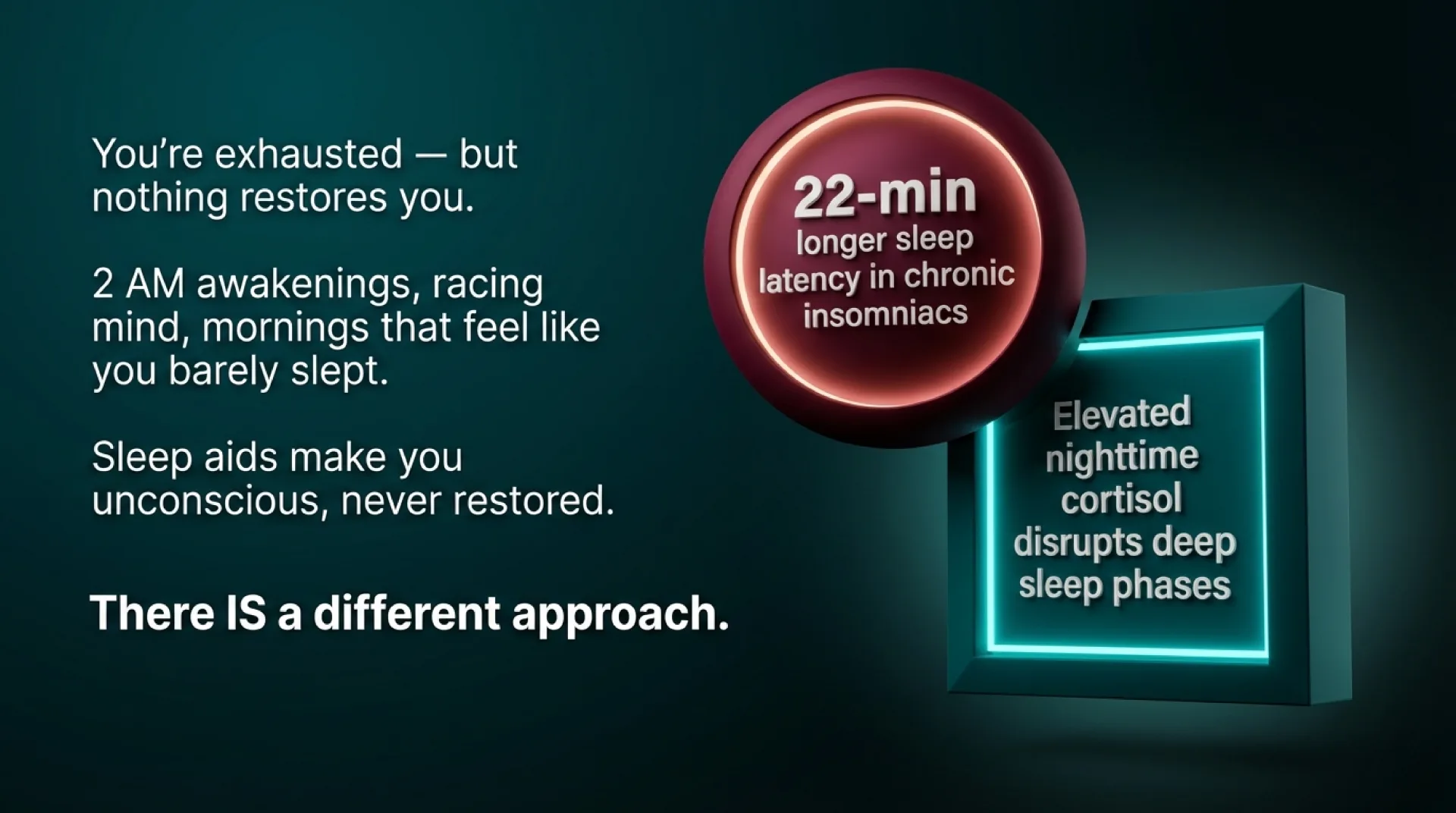
You lie down exhausted and stare at the ceiling. Or you fall asleep fine but wake at 2am with a mind that won't quiet down. Either way, morning comes and you feel like you never rested at all.
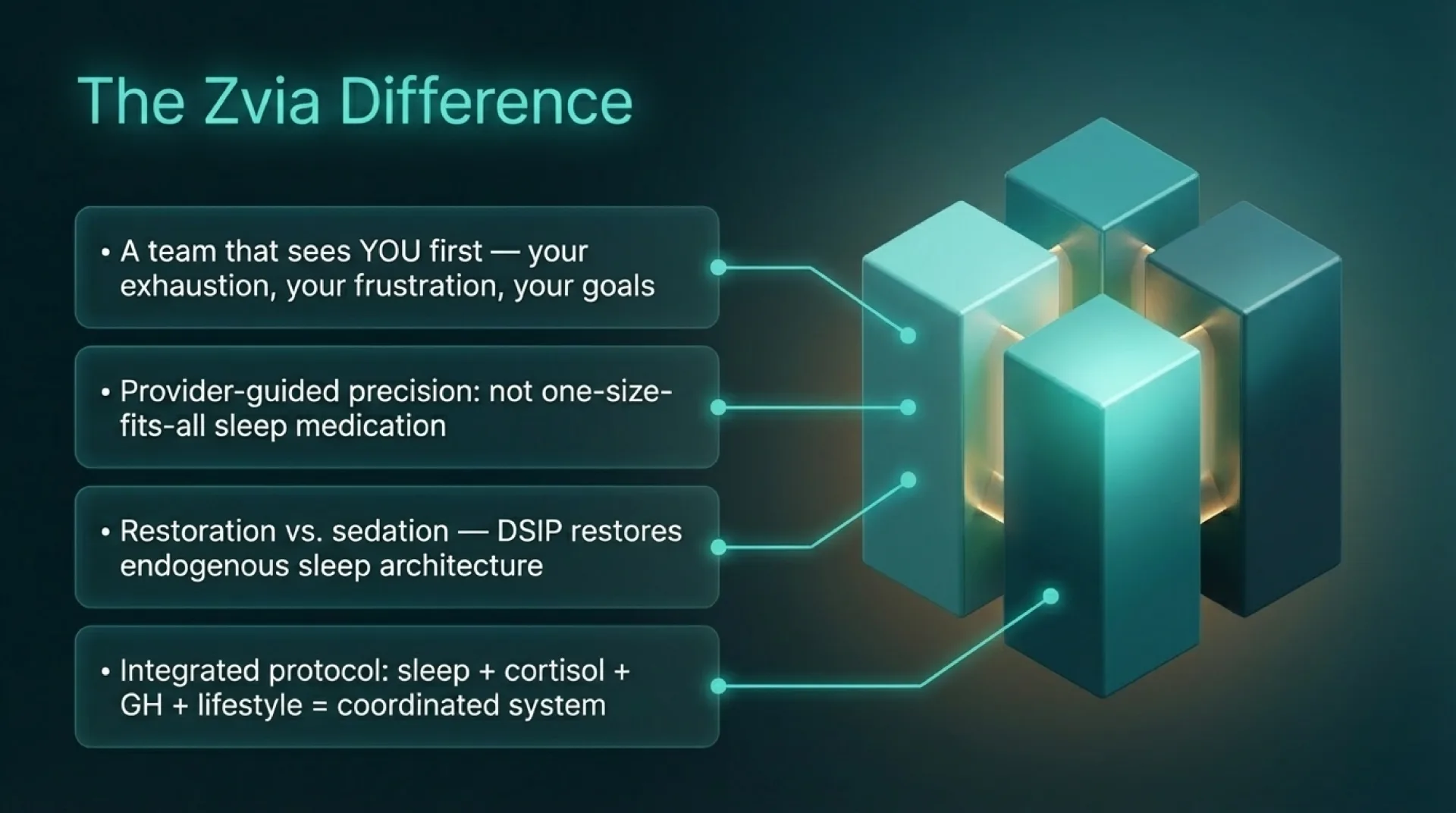
Audio overview — how DSIP works, delivery methods, and your expected timeline
What Is DSIP?
You used to sleep through the night. You’d close your eyes, drift off, and wake up genuinely rested — ready for the day without thinking about it. At some point, that changed. Maybe it was gradual: nights got lighter, mornings got heavier, and that deep, restorative feeling slipped away so slowly you barely noticed until the fatigue became the baseline. Or maybe it hit all at once — a stressful season, a hormonal shift, and suddenly sleep became something you fought for instead of something that just happened. You’ve tried the melatonin, the magnesium, the sleep apps, the blue-light glasses. Some helped a little. None fixed it.
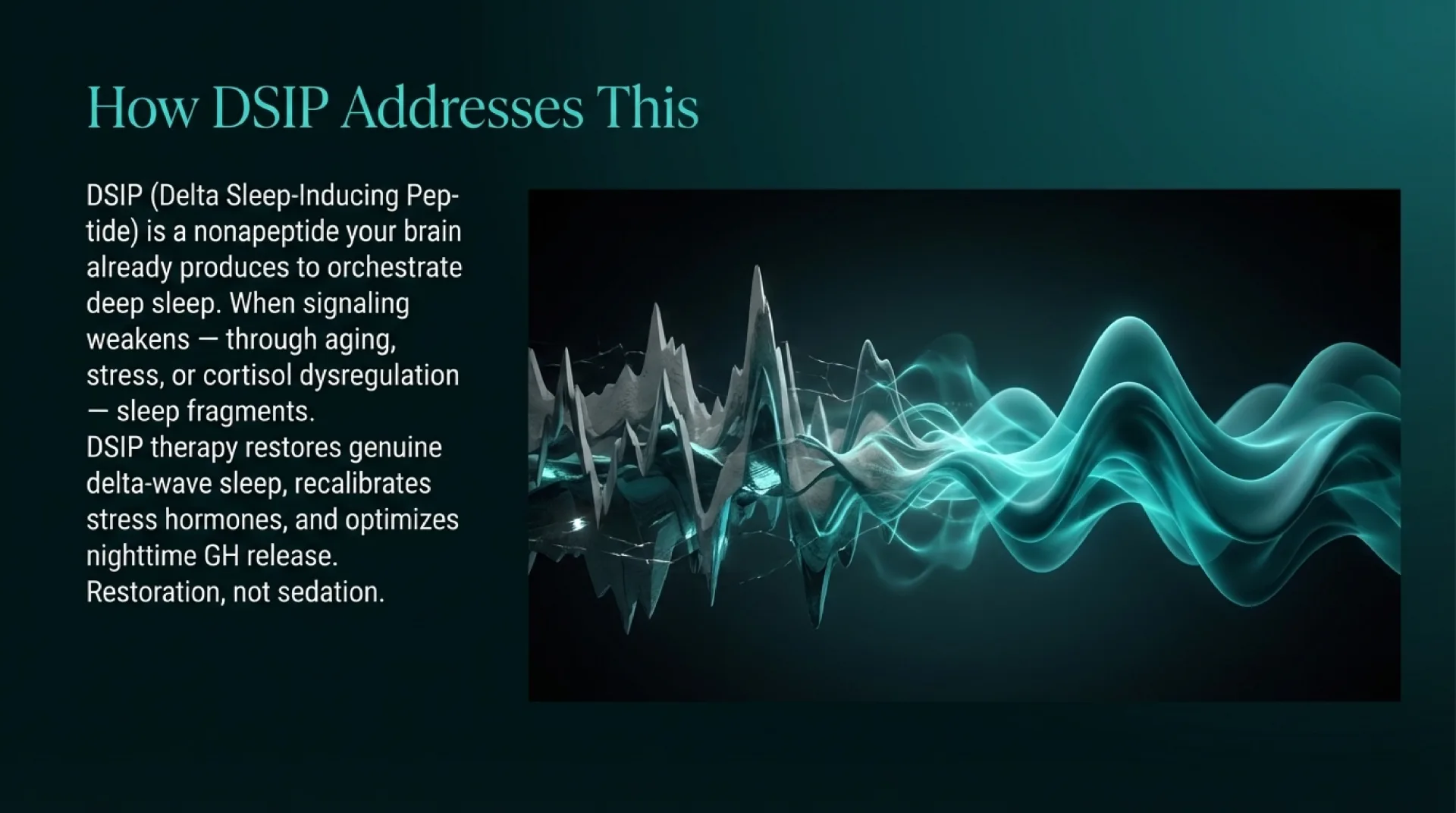
What’s often missing isn’t willpower or better habits — it’s a signaling molecule. DSIP (Delta Sleep-Inducing Peptide) is a naturally occurring nonapeptide — a nine-amino-acid peptide — that your brain already produces in the hypothalamus, limbic system, and pituitary gland 1. Its job is specific: orchestrate the deep, slow-wave delta sleep your body depends on for physical recovery, hormonal regulation, and stress recalibration. When DSIP signaling weakens — through age, chronic stress, hormonal changes, or circadian disruption — the architecture of sleep itself deteriorates. Not just how long you sleep, but how deeply.
DSIP therapy doesn’t sedate you into unconsciousness. It restores the biological signal your brain uses to produce genuinely restorative sleep — and recalibrates the stress-response machinery that’s been keeping you stuck in the exhaustion cycle.
How Does It Work?
DSIP works through multiple converging mechanisms, all aimed at restoring the conditions your brain needs to produce deep, restorative sleep.
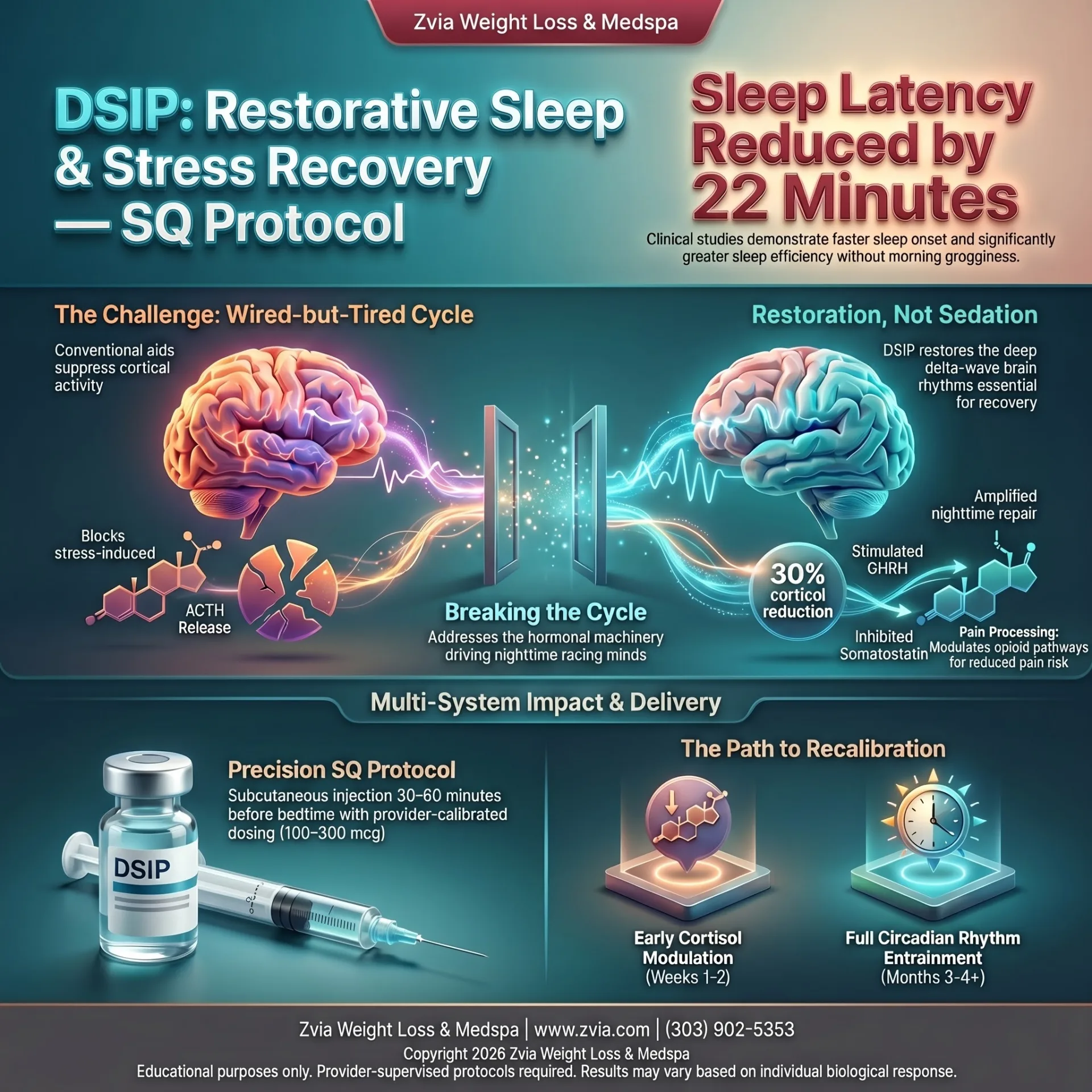
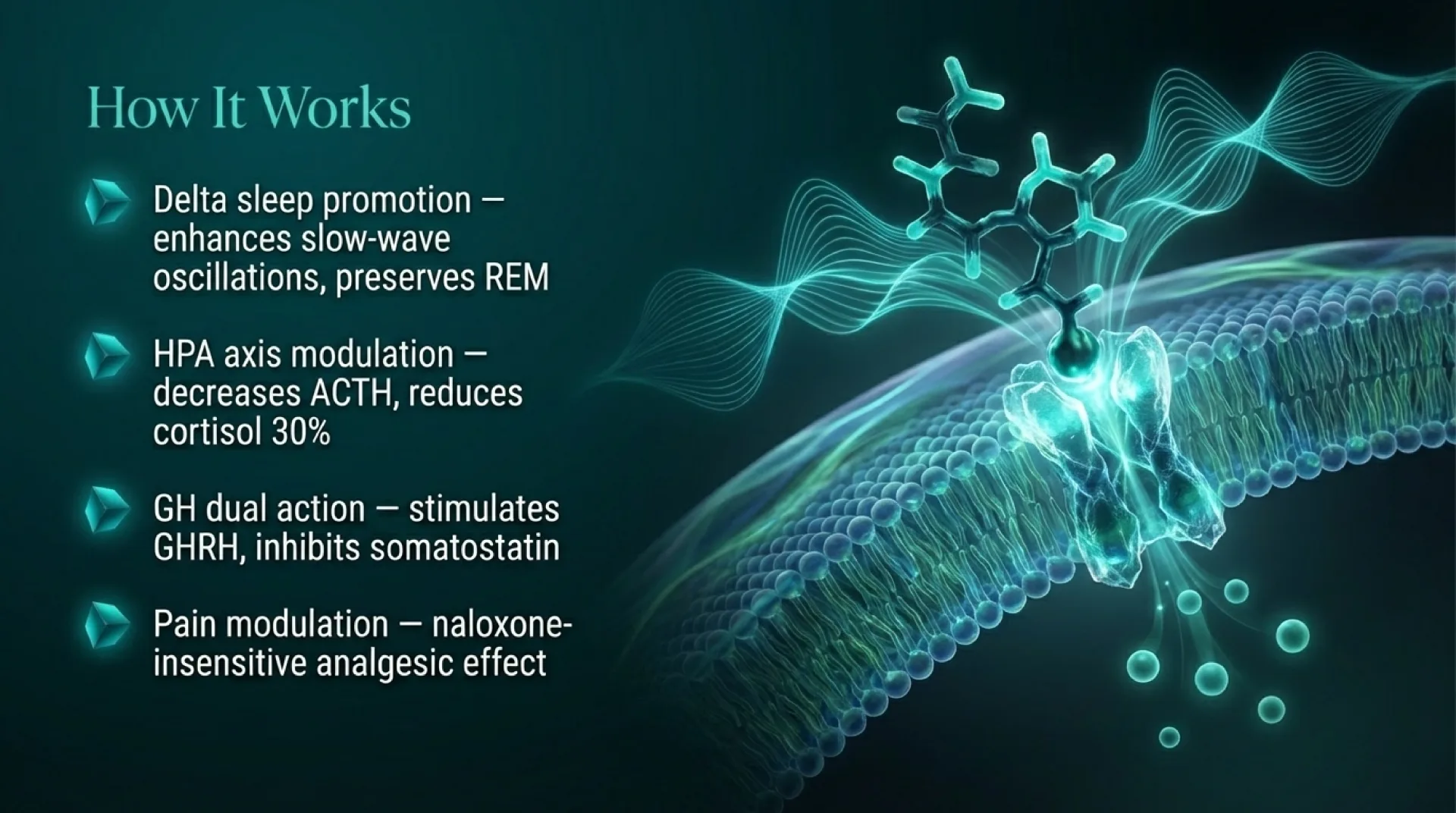
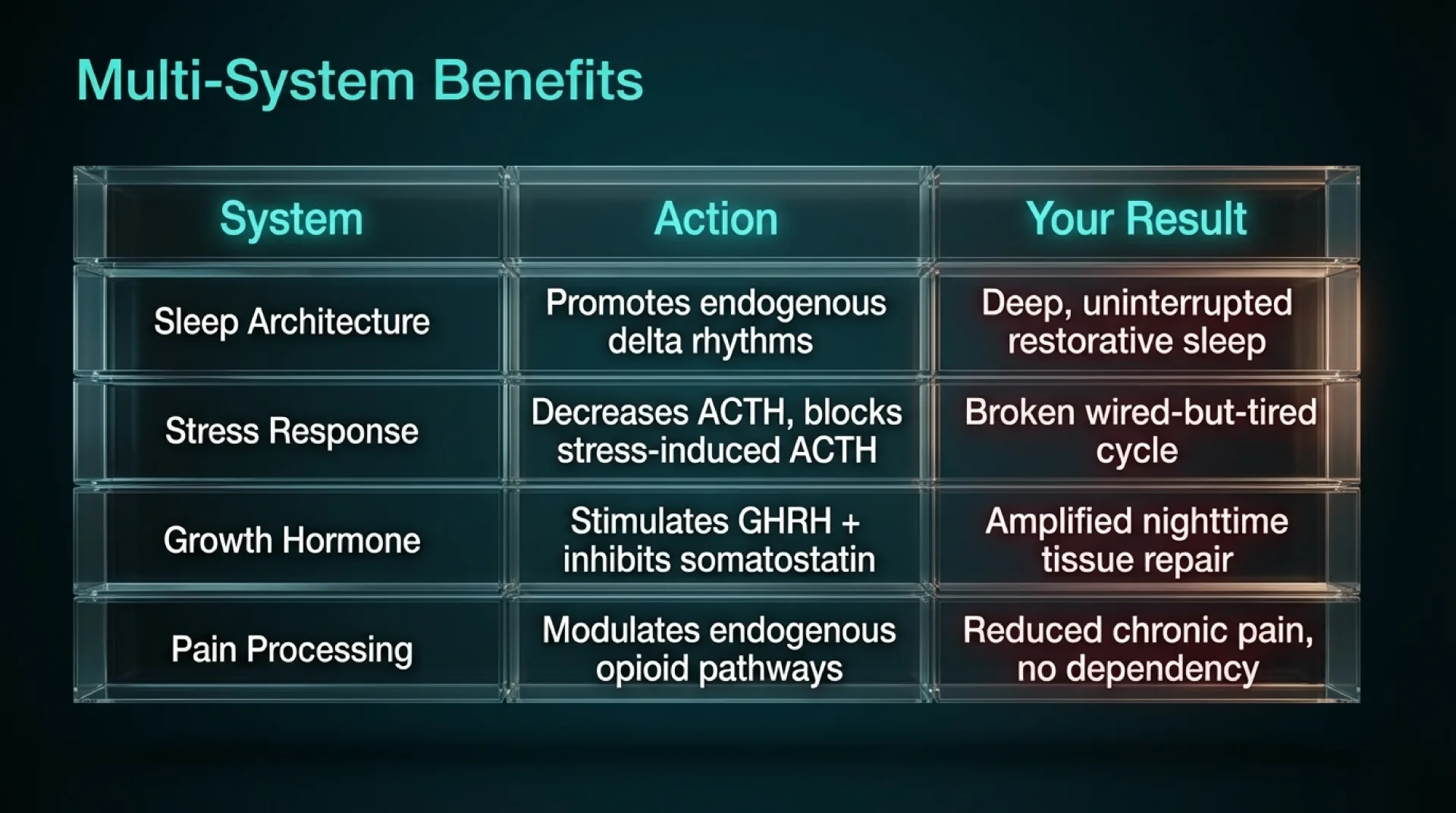
The primary action is sleep architecture enhancement. DSIP promotes delta-rhythm brain waves — the slow, high-amplitude oscillations (0.5-4 Hz) that define the deepest stage of non-REM sleep 2. This is where the critical difference lies: unlike sedative medications that suppress cortical activity broadly (forcing unconsciousness at the cost of sleep quality), DSIP selectively promotes the endogenous neural oscillations your brain uses for genuine restoration. Studies confirm that DSIP increases slow-wave sleep without suppressing REM 2, preserving the full architecture of healthy sleep rather than trading depth for duration.
The second mechanism is HPA axis modulation — directly addressing the stress hormones that fragment sleep. DSIP decreases basal ACTH (corticotropin) levels and blocks stress-induced ACTH surges 1. In animal models, this translated to a 30% reduction in plasma corticosterone 4. If you’ve ever experienced that “wired but tired” state — exhausted but unable to shut your mind off — elevated nighttime cortisol is likely driving it. DSIP addresses the hormonal interference, not just the wakefulness.
The third mechanism is growth hormone optimization. DSIP stimulates growth hormone-releasing hormone (GHRH) while simultaneously inhibiting somatostatin — the hormone that suppresses GH secretion 1. Since the body’s largest natural growth hormone pulse occurs during deep slow-wave sleep, DSIP’s dual action creates a synergistic amplification: deeper delta sleep plus enhanced GH signaling means your nighttime recovery window works harder.
DSIP also interacts with GABAergic and NMDA receptor systems 8 — the primary inhibitory and excitatory neurotransmitter pathways governing sleep-wake transitions — and crosses the blood-brain barrier readily after subcutaneous injection 8, enabling direct CNS access from a peripheral site.
What Are the Benefits of DSIP?
Deep, Restorative Sleep
DSIP enhances the slow-wave sleep phase where physical restoration, immune reconstitution, and memory consolidation occur. Clinical studies in chronic insomniacs demonstrated reduced sleep latency by an average of 22 minutes, fewer sleep arousals, greater sleep efficiency, and increased spindle and slow-wave activity 3. The result is sleep that actually does what sleep is supposed to do.
Stress Hormone Recalibration
By modulating the HPA axis — decreasing basal ACTH and blocking stress-induced cortisol surges 1 — DSIP breaks the cycle where elevated stress hormones fragment sleep, poor sleep elevates stress hormones further, and recovery stalls. This is not symptom management; it is addressing the hormonal machinery driving the cycle.
Growth Hormone Amplification
The combination of enhanced delta sleep depth and direct GH secretory signaling 1 creates an optimized nighttime recovery environment. Growth hormone drives tissue repair, muscle protein synthesis, fat metabolism, and cellular regeneration — all processes that peak during the deep sleep DSIP promotes.
Pain Perception Modulation
Clinical pilot studies demonstrated that DSIP lowered pain levels in six of seven chronic pain patients 5. Its analgesic mechanism involves endogenous opioid system modulation, but notably operates through naloxone-insensitive pathways 6 — meaning it provides pain relief without the tolerance escalation and dependency risks of direct opioid agonists.
Circadian Rhythm Normalization
DSIP plasma concentrations follow a natural diurnal pattern that correlates with the circadian clock 1. Administration helps re-entrain disrupted circadian rhythms — which is why it has shown benefit even in narcolepsy patients, paradoxically improving wakefulness by restoring the circadian architecture governing appropriate sleep-wake transitions 7.
Antioxidant Defense Enhancement
DSIP upregulates superoxide dismutase (SOD) activity and improves mitochondrial oxidative phosphorylation efficiency 4. Rather than acting as a direct free-radical scavenger, DSIP strengthens the body’s own enzymatic antioxidant defenses — providing cellular protection during the critical recovery window of deep sleep.
How Long Does DSIP Take to Work?
Timeline Note: DSIP therapy produces both acute (same-night) and cumulative effects. Sleep architecture improvements deepen over weeks as neuroendocrine recalibration progresses. Individual response varies based on baseline sleep disruption severity, cortisol patterns, age, and lifestyle factors. A provider-directed protocol would track that trajectory through sleep quality assessments and hormonal panels, adjusting as needed.
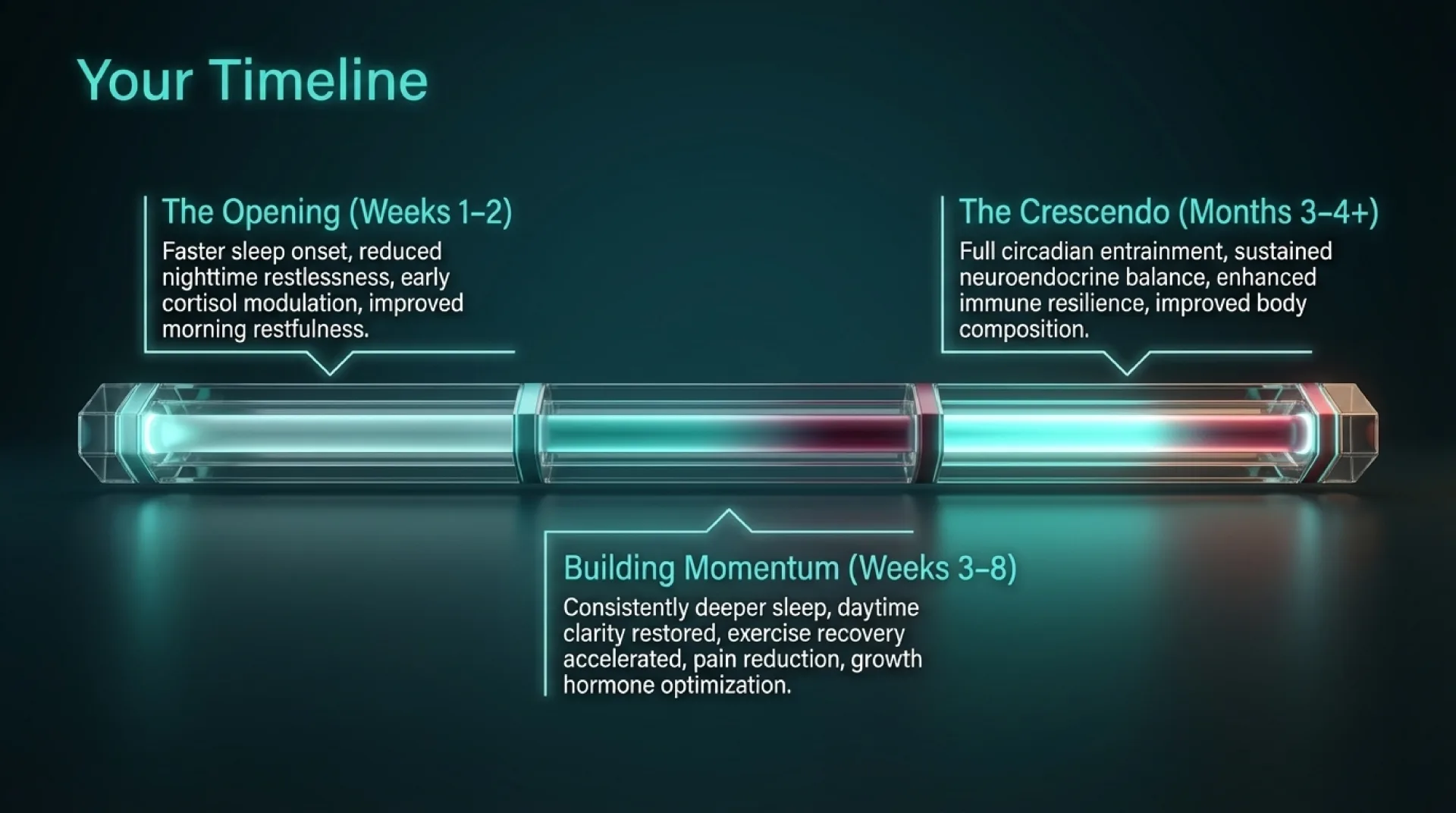
The Opening (Weeks 1-2)
The initial phase delivers the most immediately perceptible changes. DSIP’s rapid blood-brain barrier penetration means same-night effects are common — published research indicates many people fall asleep more easily by the first or second night. You may notice improved restfulness upon waking, reduced nighttime restlessness, and subtle evening calm as cortisol modulation begins. Biologically, DSIP is engaging GABAergic and NMDA receptor systems 8, basal ACTH levels are beginning to decrease 1, and the initial delta-wave promoting effects are establishing a foundation for deeper slow-wave sleep.
Building Momentum (Weeks 3-8)
This is where cumulative neuroendocrine recalibration produces clearly perceptible changes across multiple systems. Consistently deeper sleep with longer uninterrupted periods. Markedly improved daytime energy and cognitive clarity — the brain fog and mid-afternoon crashes begin resolving. Enhanced stress tolerance as cortisol patterns normalize. Improved exercise recovery as growth hormone optimization amplifies tissue repair 1. Individuals with chronic pain can typically expect meaningful reductions in pain perception, consistent with published pilot data 5. The HPA axis modulation is now sustained — ACTH and cortisol show established reductions 4, and antioxidant enzyme systems are being upregulated 4.
The Crescendo (Months 3-4+)
Long-term protocol maintenance delivers the deepest benefits: fully recalibrated circadian rhythms 1, sustained neuroendocrine balance, and the downstream effects of months of optimized sleep on every system. Robust, reliable sleep that feels natural. Consistent energy throughout the day, natural sleepiness at appropriate times. Improved body composition as sustained GH optimization and cortisol normalization influence fat metabolism and lean tissue maintenance. A fundamental shift in recovery capacity.
Is DSIP Right for You?
If you’ve been dealing with sleep that leaves you unrestored — falling asleep takes too long, you wake at 2am and can’t get back under, or you log seven hours but feel like you got four — DSIP therapy may be exactly what’s been missing. This is especially true if you’ve tried melatonin, antihistamines, or prescription sleep medications without finding sleep that actually feels restorative.
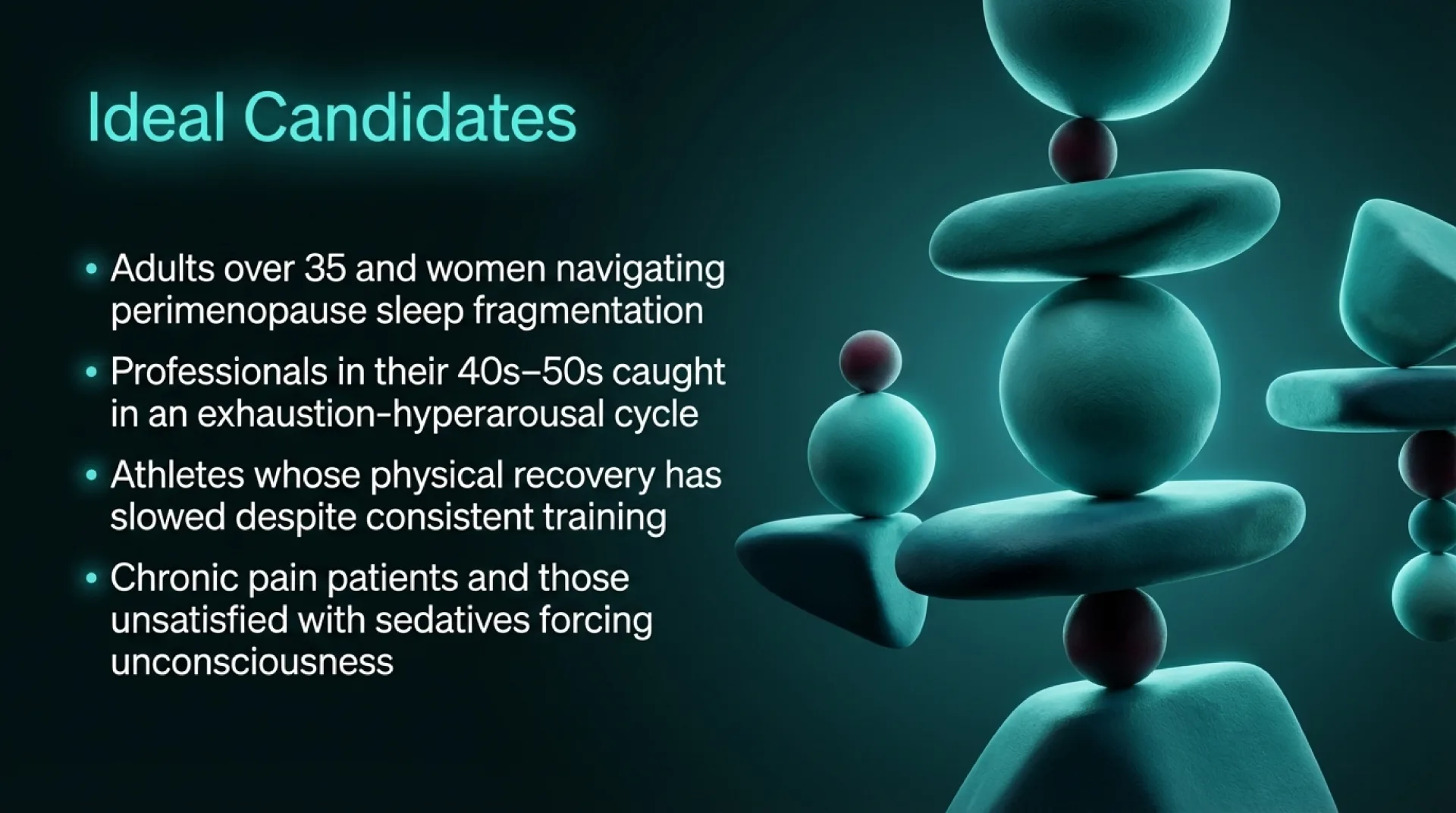
Adults over 35 whose sleep quality has progressively declined are often ideal candidates. Professionals in their 40s and 50s caught in the cortisol-driven cycle of daytime exhaustion and evening hyperarousal — that wired-but-tired state no amount of relaxation fixes. Athletes and active adults whose recovery has slowed despite consistent training. Women navigating perimenopause whose hormonal shifts have disrupted sleep architecture. Men over 40 experiencing the intersection of declining growth hormone production and worsening sleep quality. Individuals with chronic pain whose sleep is fragmented by discomfort, creating a self-reinforcing pain-poor sleep cycle.
If you’re already sleeping reasonably well and looking to optimize your recovery window — pushing your growth hormone response, sharpening your stress resilience, maximizing every hour of sleep for physical performance — DSIP offers a precision tool for that goal as well.
Your Zvia provider in Lakewood, Colorado would evaluate your sleep patterns, cortisol levels, hormonal profile, and health history to determine whether DSIP is the right fit. That evaluation is a partnership — your experience and goals matter as much as the labs.
What Does a DSIP Protocol Involve?
Subcutaneous Injection (SQ)
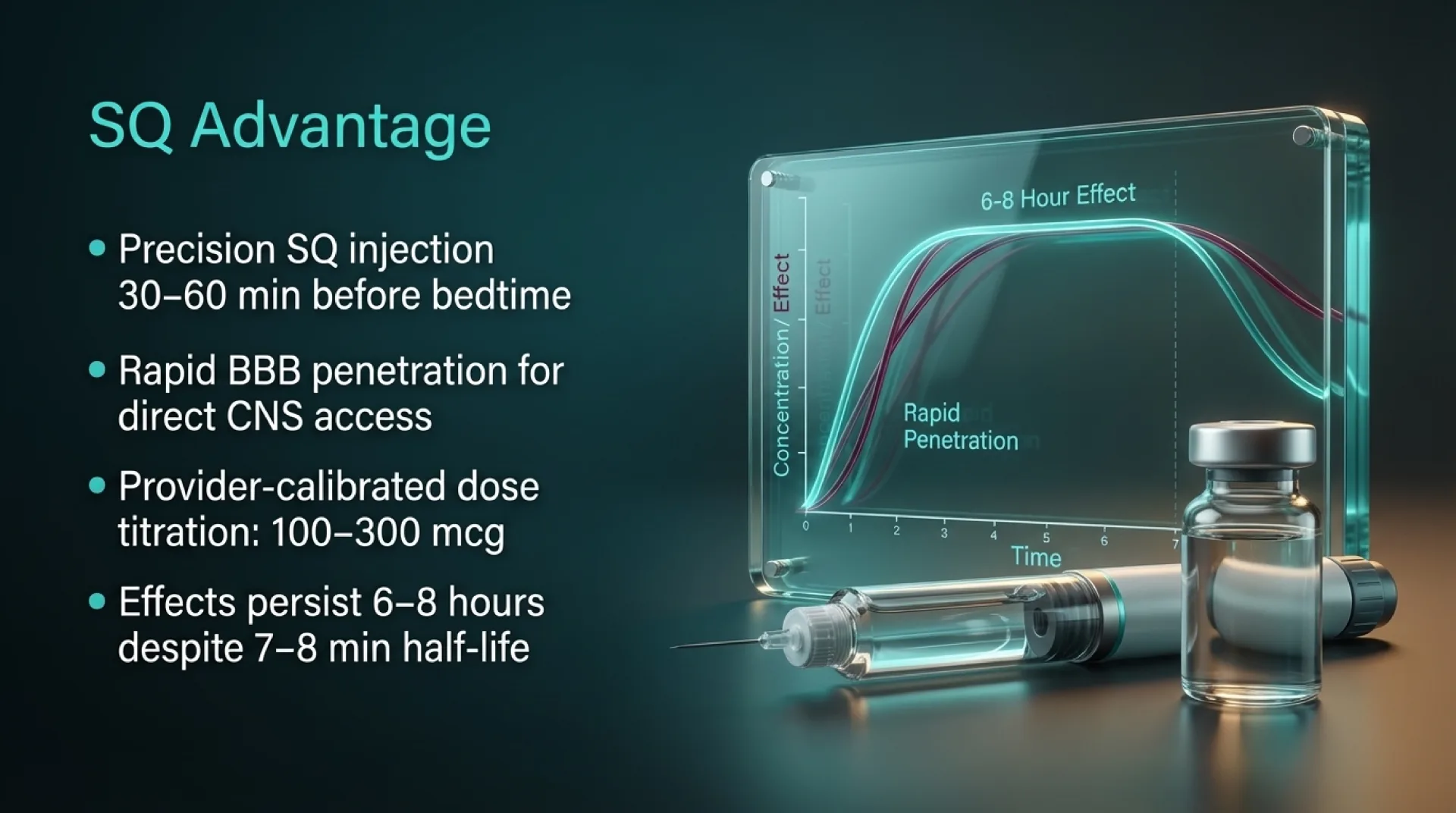
DSIP is administered via self-injection into the subcutaneous tissue of the abdomen, thigh, or upper arm — your provider teaches proper technique, site selection, and rotation during the initial consultation. Administration occurs 30-60 minutes before intended bedtime to align with DSIP’s rapid onset and the circadian sleep-promoting window.
Protocol phases are provider-guided and individually titrated. The assessment phase (weeks 1-2) typically begins at a conservative dose administered 3-5 evenings per week, which would allow a provider to evaluate initial sleep response. The optimization phase (weeks 3-8) may adjust dosing based on documented sleep architecture improvements, daytime energy, and clinical assessment. The maintenance phase stabilizes at your individually optimized dose and frequency, with most protocols recommending 3-5 administrations per week rather than nightly use. Standard cycle length is 8-12 weeks with a rest period before resuming.
Despite a short plasma half-life of approximately 7-8 minutes 1, DSIP’s biological effects on sleep architecture persist for 6-8 hours — likely mediated by carrier protein binding and downstream neuroendocrine cascade activation. The peptide crosses the blood-brain barrier readily after subcutaneous injection 8, enabling direct central nervous system access from a peripheral site.
Lifestyle Protocols — Integral to Your Treatment Plan
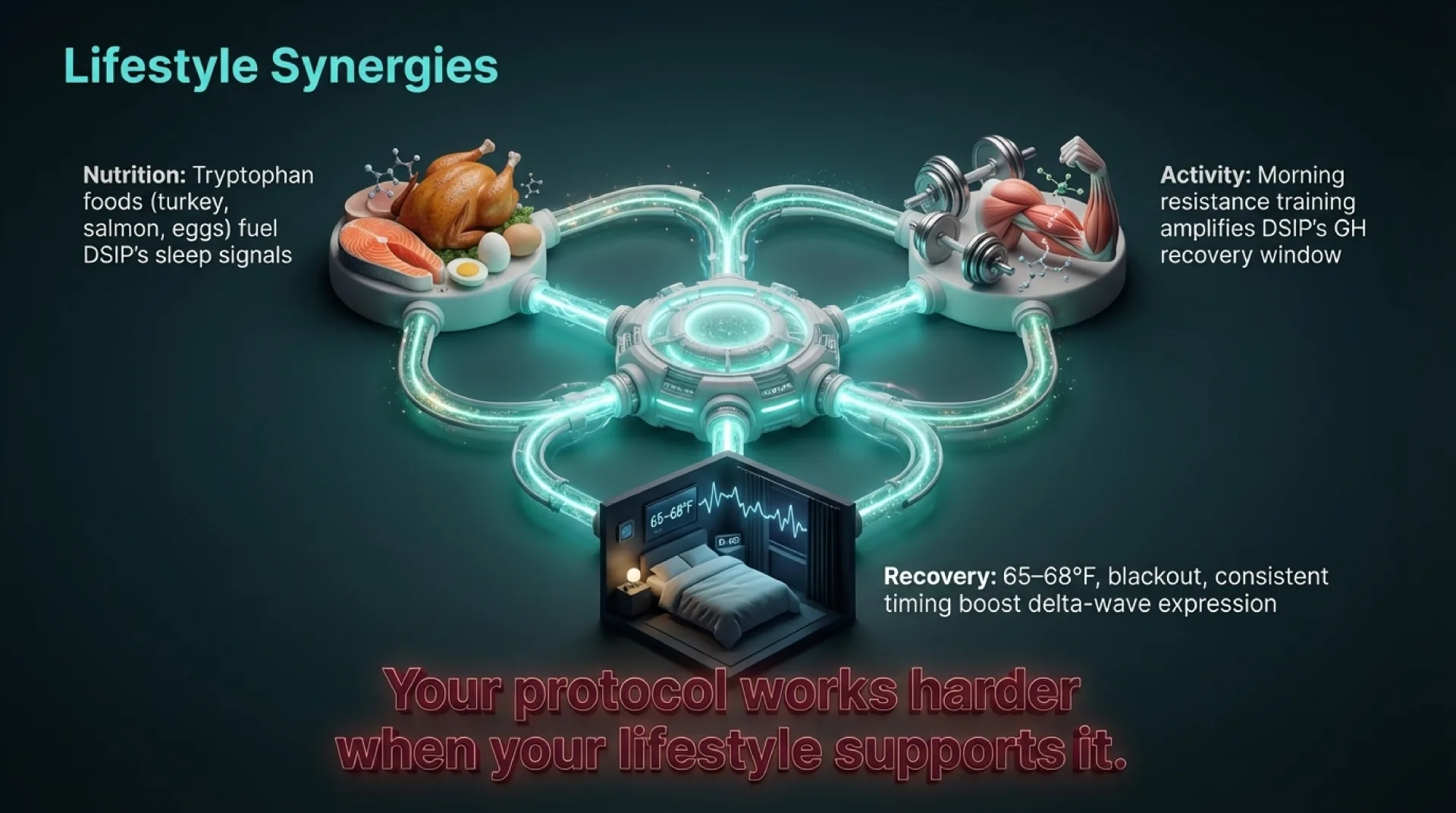
Your Zvia provider prescribes specific lifestyle protocols designed to synergize with DSIP’s mechanisms — integral components of your treatment plan, not optional enhancements.
Sleep environment optimization is the most powerful lifestyle amplifier. Consistent sleep-wake timing reinforces the circadian rhythm DSIP is helping to normalize — DSIP plasma concentrations exhibit diurnal variation that correlates with circadian timing 1, and aligning your schedule maximizes effectiveness. Room temperature of 65-68 degrees, blackout conditions, and screen-free wind-down periods are prescribed as part of your protocol.
Nutritional support targets the neurotransmitter systems DSIP modulates. Tryptophan-rich foods (turkey, salmon, eggs, nuts) provide precursors for serotonin and melatonin synthesis. Magnesium-rich foods support GABAergic function — since DSIP interacts with GABA receptor systems 8, adequate magnesium status ensures these pathways perform optimally. Anti-inflammatory nutrition reduces cortisol-driving systemic inflammation.
Exercise timing and type matter during DSIP therapy. Morning or early afternoon exercise is preferred — high-intensity evening exercise elevates cortisol and core temperature, potentially counteracting DSIP’s sleep-promoting effects. Resistance training is particularly synergistic, as muscle repair during slow-wave sleep is amplified by DSIP’s combined delta-sleep and GH-enhancing actions.
Stress management practices — structured breathwork, meditation, consistent evening wind-down routines — protect the HPA axis recalibration DSIP is driving from the pharmaceutical side. Your provider prescribes the combination that fits your life.
Our Approach to Sleep, Stress, and Recovery Optimization
Sleep is the foundation everything else is built on. Growth hormone secretion, cortisol regulation, immune function, cognitive performance, body composition — every one of these systems depends on what happens during deep sleep. When sleep architecture breaks down, everything downstream suffers. Most conventional approaches — melatonin, antihistamines, prescription hypnotics — treat the symptom (wakefulness) without addressing the architecture (what makes sleep actually restorative).
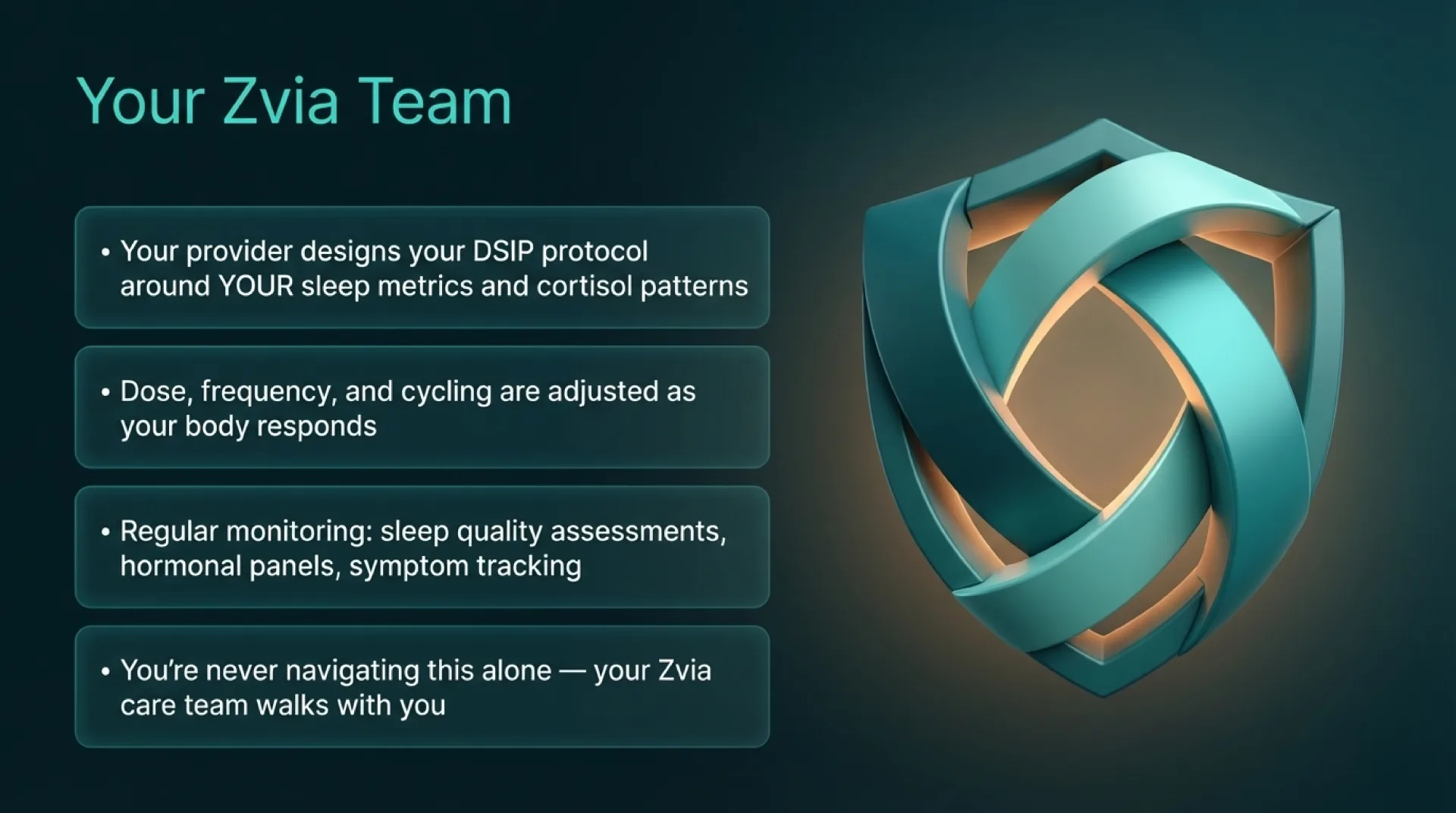
At Zvia Weight Loss & MedSpa, sleep and recovery optimization is treated as precision medicine, not a prescription refill — whatever the therapeutic tool. That means comprehensive labs to understand cortisol patterns, hormonal profile, and metabolic baseline before any protocol begins. Individualized dose titration based on your response, not a standard protocol applied to everyone. Ongoing monitoring through sleep quality assessments, stress markers, and follow-up panels to track measurable progress. And integrating any intervention into a complete treatment plan that includes nutrition, activity, and stress management designed to amplify what’s happening biologically.
DSIP is one of the compounds our Clinical Director and care team are tracking closely as it moves through FDA regulatory review. If and when it becomes available at Zvia, it will be delivered with the same rigor already applied to every therapy in our sleep and recovery toolkit — comprehensive labs, individualized titration, and a care team that knows your history well enough to build a protocol around it, not the other way around.
Continue exploring
What Is Peptide Therapy? A Provider's Perspective
An evidence-based overview of therapeutic peptides — how they work, what they signal in the body, and why provider oversight matters — at Zvia Weight Loss & MedSpa in Lakewood, CO.
Thymosin Alpha-1: Restoring Immune Intelligence
Thymosin Alpha-1 is a naturally occurring peptide that modulates T-cell activity, enhances immune surveillance, and supports immune resilience — helping your body respond to threats with precision rather than overreaction. Provider-guided protocols at Zvia Weight Loss & MedSpa in Lakewood, CO.
Educational purposes only. Provider-supervised protocols required. Results may vary based on individual biological response.
Common questions about DSIP
Is DSIP safe?
How long does DSIP take to work?
Will DSIP make me groggy the next day?
How is DSIP administered?
Who is a good candidate for DSIP?
Contact us to discuss your options — including therapies not yet listed here.
References
- 1. Kovalzon VM, Strekalova TV. Delta sleep-inducing peptide (DSIP): a still unresolved riddle . Journal of Neurochemistry 97(2) , 303-309 (2006).
- 2. Lysenko AV, Mendzheritsky AM. Delta sleep-inducing peptide . European Journal of Anaesthesiology 18(7) , 419-426 (2001).
- 3. Schneider-Helmert D. Effects of delta sleep-inducing peptide on sleep of chronic insomniac patients . European Neurology 26(3) , 193-199 (1987).
- 4. Sudakov KV, Coghlan JP, Kotov AV et al. Delta sleep-inducing peptide: antioxidant and neuroprotective effects . Annals of the New York Academy of Sciences 757 , 459-471 (1995).
- 5. Schneider-Helmert D, Gnirss F, Monnier M et al. Therapeutic effects of delta-sleep-inducing peptide (DSIP) in patients with chronic, pronounced pain episodes: a clinical pilot study . European Neurology 23(1) , 1-4 (1984).
- 6. Sudakov KV, Coghlan JP. The effects of DSIP on pain threshold during light and dark periods in rats are not naloxone-sensitive . Peptides 7(4) , 635-638 (1986).
- 7. Dick P, Grandjean ME, Bandle EF et al. DSIP in the treatment of withdrawal syndromes from alcohol and opiates . European Neurology 23(1) , 5-10 (1984).
- 8. Schneider-Helmert D. Acute and delayed effects of DSIP (delta sleep-inducing peptide) on human sleep behavior . International Journal of Clinical Pharmacology, Therapy, and Toxicology 22(2) , 87-91 (1984).
- 9. Schoenenberger GA, Monnier M. The delta EEG (sleep)-inducing peptide (DSIP). XI. Amino-acid analysis, sequence, synthesis and activity of the nonapeptide . Pflügers Archiv: European Journal of Physiology 369(2) , 99-109 (1977).
- 10. Schneider-Helmert D. A clinical trial with DSIP . European Neurology 23(1) , 11-15 (1984).