
Not Currently Offered — Educational Only
MOTS-c was recently removed from the FDA's Category 2 restricted list and is under review for inclusion on the FDA's 503A Bulk Drug Substances List following the agency's July 2026 advisory committee meeting. Until that determination is final, this page is educational only and does not represent a treatment currently available through Zvia.
What If Your Cells Could Train as Hard as You Do?
You push yourself in the gym, dial in your nutrition, prioritize sleep. But your body isn't responding the way it used to. Recovery takes longer. Energy fades earlier. The results that used to come naturally now feel like they belong to a younger version of you.





Audio overview — how MOTS-c works, delivery methods, and your expected timeline.
We hear you — you’re doing everything right, and your body just isn’t keeping up. Before we dive into the science, we want you to know: that gap between your effort and your results isn’t a character flaw. There’s a real biological explanation, and it starts inside your mitochondria. Let’s walk through what’s actually happening and how MOTS-c addresses it.
What Is MOTS-c?
You’re training consistently, eating right, sleeping well — and your body just isn’t keeping up. The energy that used to carry you through the day fades by early afternoon. Recovery from workouts takes days instead of hours. The stubborn weight around your midsection doesn’t respond to the same strategies that worked five years ago. You’re doing everything right, but your metabolism seems to be reading from an older playbook.
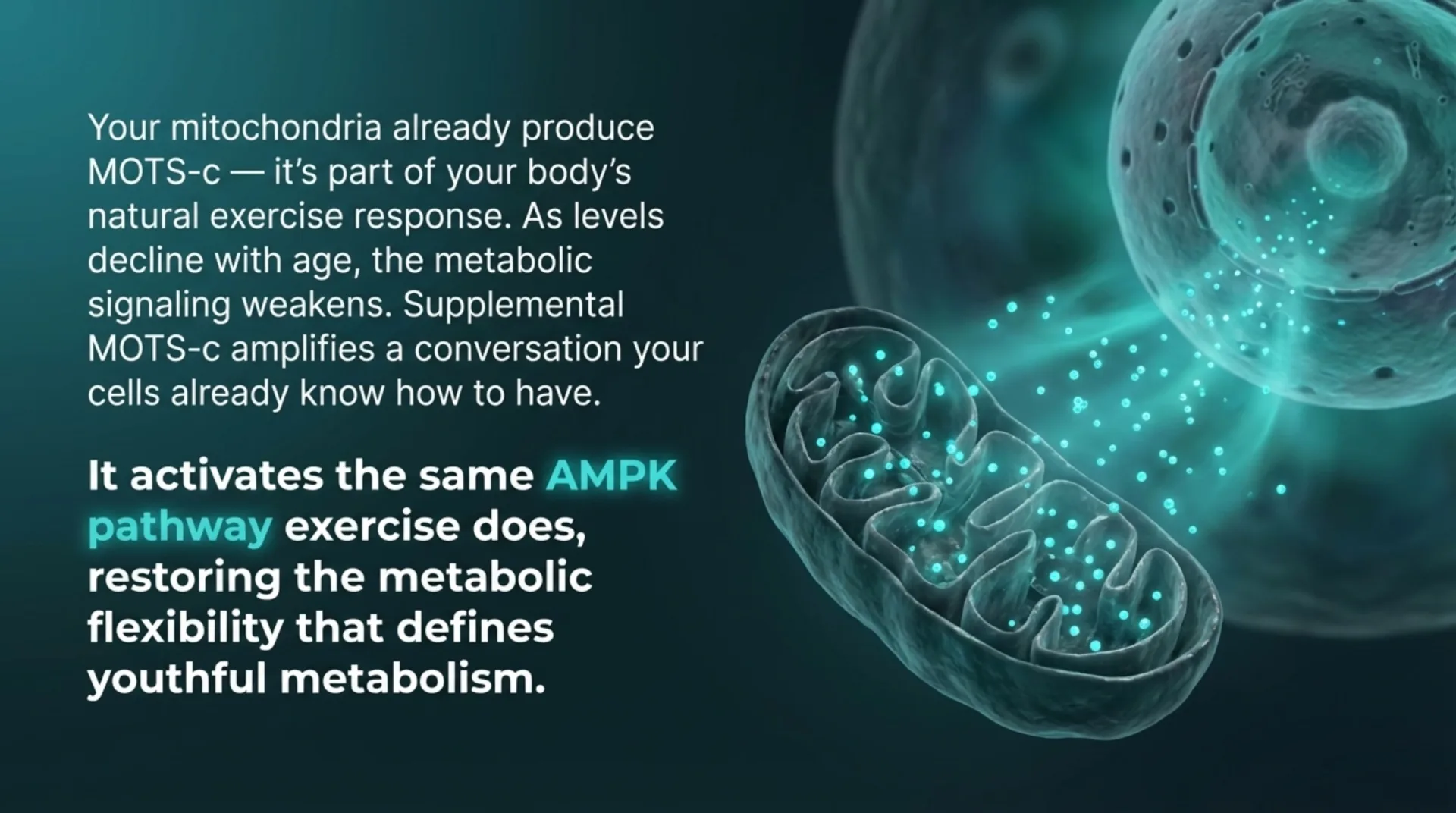
What you’re experiencing has a biological explanation, and it starts inside your mitochondria — the cellular power plants that fuel virtually everything your body does. As you age, a critical signaling molecule encoded in your mitochondrial DNA begins to decline. That molecule is MOTS-c.
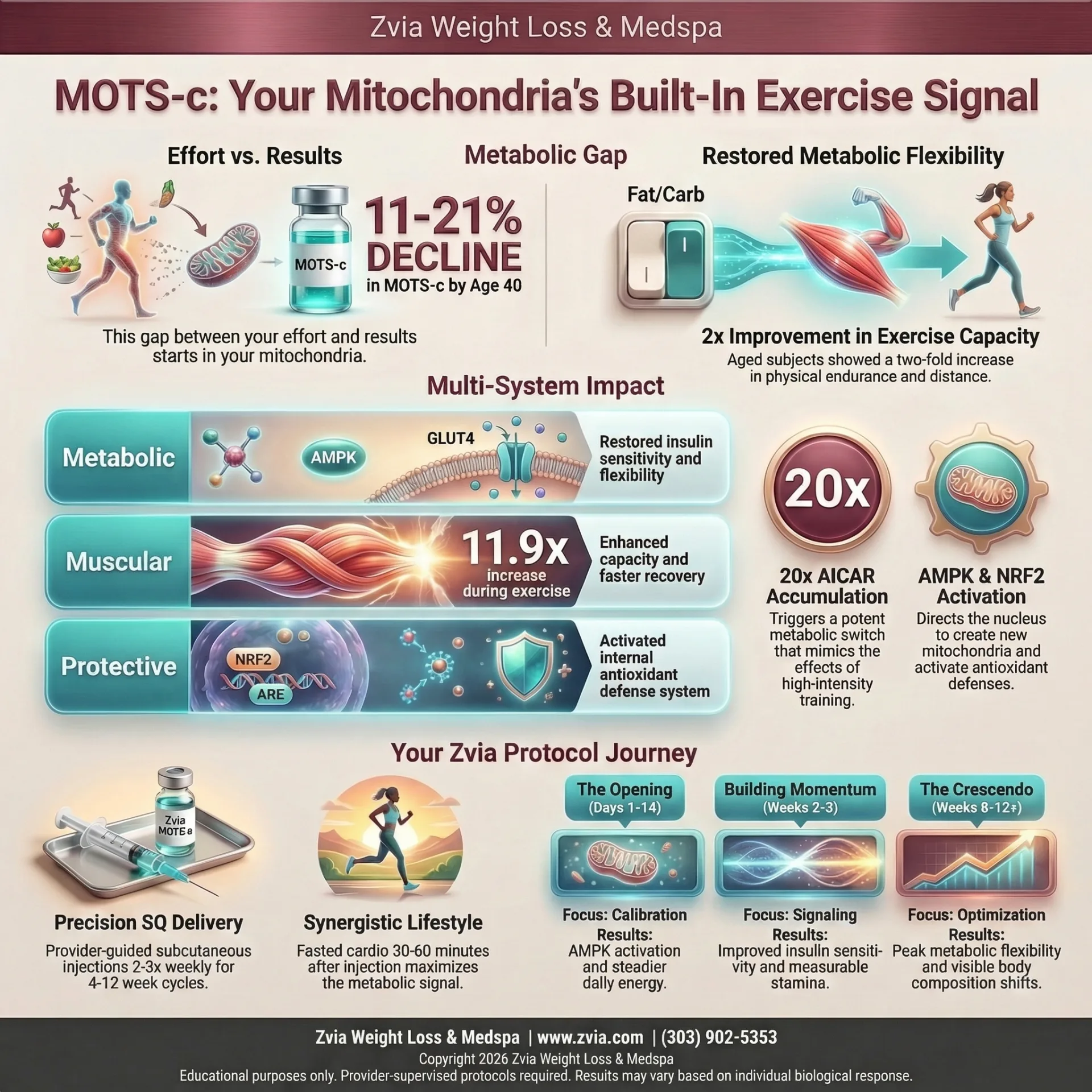
MOTS-c (Mitochondrial Open Reading Frame of the 12S rRNA Type-c) is a 16-amino-acid mitochondrial-derived peptide discovered in 2015 at the USC Davis School of Gerontology 1. It belongs to a class of molecules called mitochondrial-derived peptides (MDPs) — tiny proteins encoded by the mitochondrial genome that act as signaling molecules throughout the body. What makes MOTS-c remarkable is that your body already produces it. Circulating MOTS-c levels in young people are 11–21% higher than in middle-aged and older adults 5, and skeletal muscle MOTS-c increases 11.9-fold during exercise 2. It is, quite literally, part of your body’s natural exercise response system.
How Does It Work?
MOTS-c operates through a precisely characterized metabolic pathway called the Folate-AICAR-AMPK axis 1. Here’s what happens:
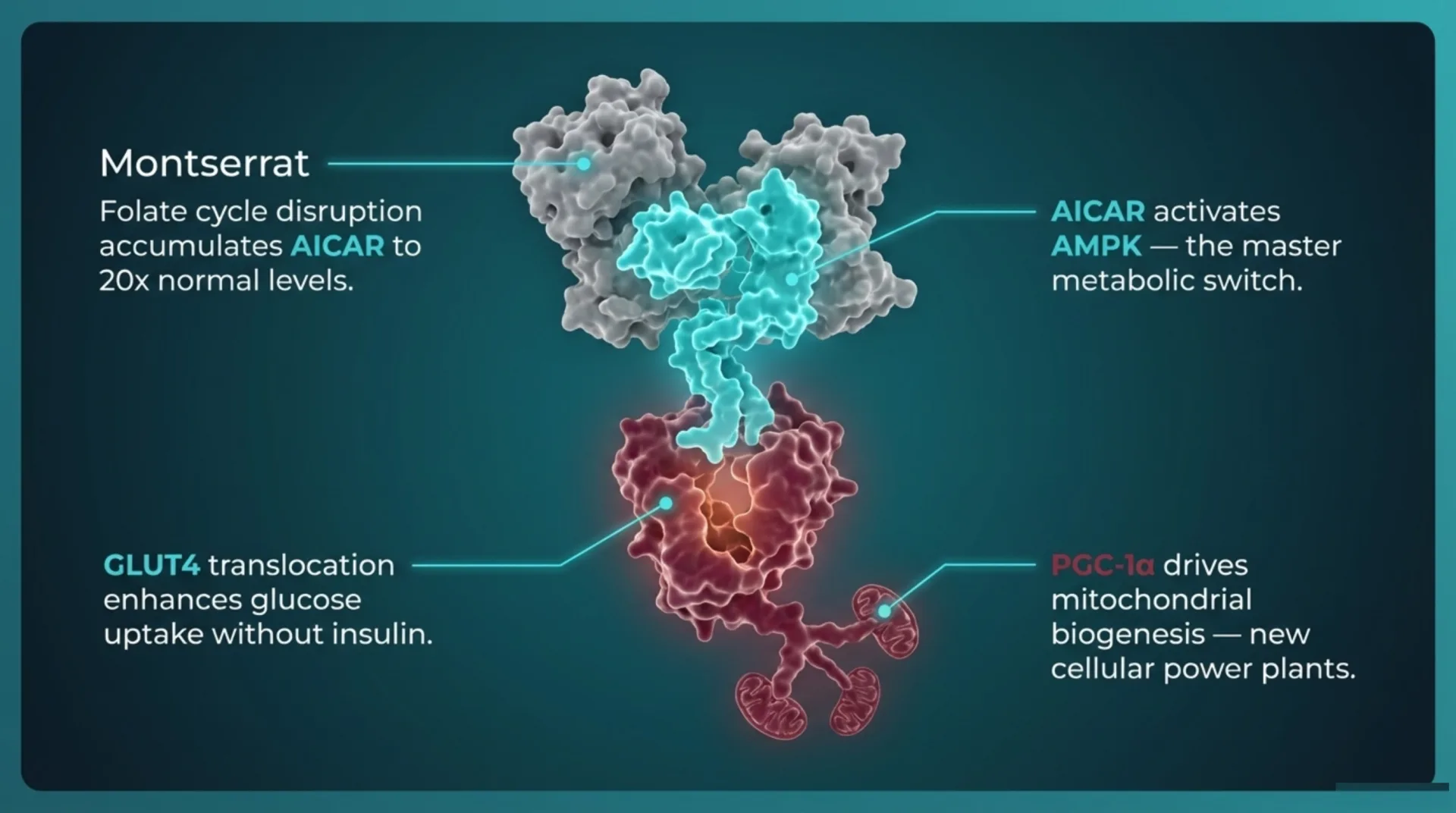
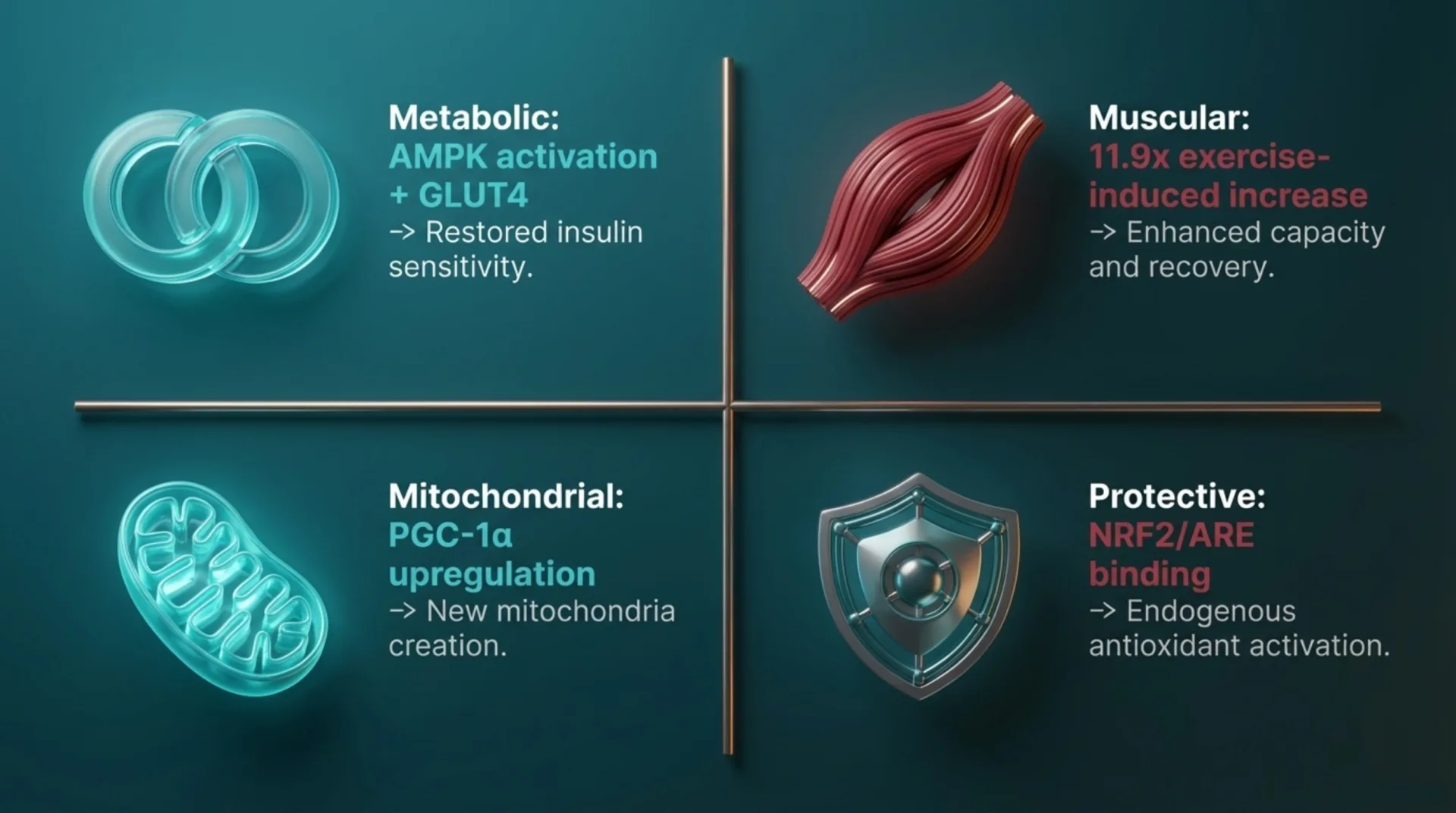
The peptide targets the folate-methionine cycle — a fundamental metabolic pathway — reducing levels of 5-methyltetrahydrofolate (the most active form of folate in your cells). This disruption blocks a step in purine biosynthesis, causing a metabolic intermediate called AICAR to accumulate to levels more than 20-fold above normal 1. AICAR is a potent natural activator of AMPK (AMP-activated protein kinase) — the same master metabolic switch that exercise turns on.
Once AMPK is activated, the downstream effects are significant. GLUT4 transporters move to muscle cell surfaces, pulling glucose into muscles without needing insulin — which is why MOTS-c improves insulin sensitivity independent of insulin signaling 1. ACC (acetyl-CoA carboxylase) gets phosphorylated, reducing malonyl-CoA and opening the door for fatty acids to enter mitochondria for burning. PGC-1α is upregulated, driving the creation of entirely new mitochondria through a process called mitochondrial biogenesis 4.
But MOTS-c does something no other mitochondrial peptide has been shown to do: under metabolic stress, it physically moves from your mitochondria into the nucleus of your cells, where it interacts with NRF2 — a master regulator of antioxidant defense — and binds directly to DNA at antioxidant response elements 3. This activates protective genes including SOD2, catalase, and GPX1. MOTS-c is the first known mitochondrial-encoded molecule that directly regulates nuclear gene expression — a genuine retrograde signaling molecule communicating mitochondrial status to the rest of the cell 3.
What Are the Benefits of MOTS-c?
Metabolic Restoration
MOTS-c restores the metabolic flexibility that naturally declines with age — your body’s ability to efficiently switch between burning carbohydrates during activity and burning fat at rest. In preclinical models, seven days of treatment improved whole-body insulin sensitivity, and age-related insulin resistance in middle-aged subjects was restored to youthful levels 1.
Exercise Amplification
This is not a replacement for exercise — it’s an amplifier. MOTS-c activates the same AMPK pathways that exercise does, and when combined with physical training, the metabolic response is significantly greater than either alone 4. Aged subjects showed a two-fold improvement in running time and 2.16-fold improvement in running distance 2.
Body Composition
MOTS-c prevented diet-induced obesity in preclinical models — not by reducing appetite, but by increasing energy expenditure and shifting fuel utilization toward fat burning 1. Reduced hepatic lipid accumulation and enhanced fatty acid oxidation translate to measurable body composition changes over the treatment course.
Cellular Energy and Mitochondrial Health
Through PGC-1α activation, MOTS-c drives mitochondrial biogenesis — the creation of new mitochondria 4. 2025 research confirms MOTS-c restores mitochondrial respiration in metabolically compromised heart tissue 8, suggesting broad protective effects across organ systems.
Antioxidant Defense
The nuclear translocation pathway activates your body’s endogenous antioxidant system through NRF2 3. This is not supplemental antioxidant support — it is the activation of your own cellular defense machinery.
Healthspan Extension
Late-life treatment initiation in aged subjects still produced significant physical capacity improvements, with trends toward 6.4% increased median lifespan and 7.0% increased maximum lifespan 2. Protective effects on skin elastin, collagen, and organ tissue integrity suggest broad anti-aging properties.
How Long Does MOTS-c Take to Work?
Timeline Note: Individual responses vary based on metabolic baseline, body composition, activity level, and protocol adherence. A provider-directed protocol would monitor your specific markers and adjust as your biology responds.
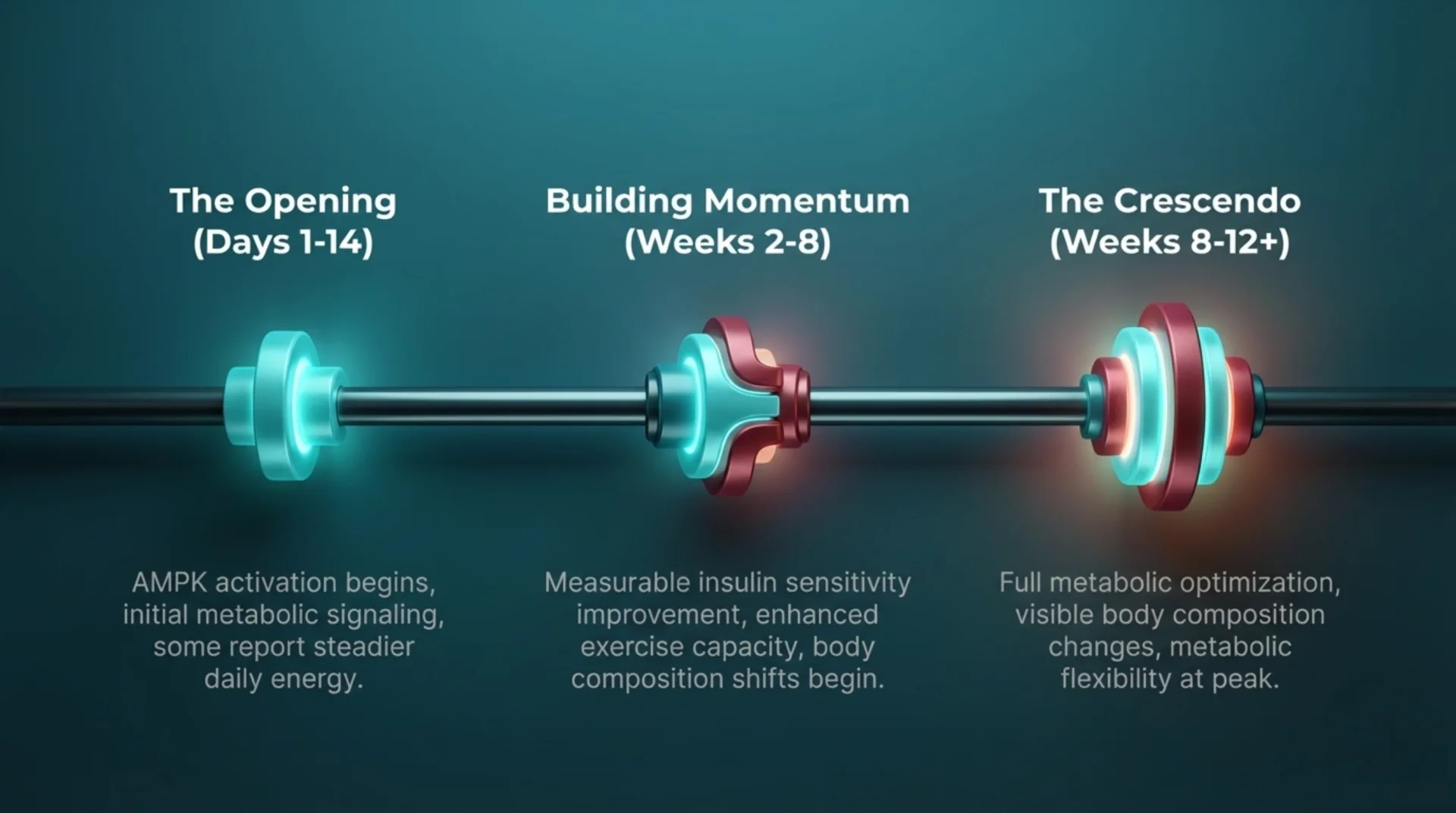
The Opening (Days 1–14): Cellular-level changes begin within hours — AMPK activation, gene expression shifts, and metabolic signaling establish the foundation. Given how quickly AMPK activation occurs, steadier energy throughout the day is a reasonable expectation within the first week. Insulin signaling improvements begin at the receptor level. This is the calibration phase: your biology is receiving a signal it already recognizes.
Building Momentum (Weeks 2–8): Enhanced insulin sensitivity becomes measurable. Blood sugar stabilizes — fewer afternoon energy crashes, more consistent appetite. Exercise capacity noticeably improves: better stamina, faster recovery, the sense that training is producing results again. Body composition shifts are expected to become measurable through standard assessment methods, with lab markers confirming what you feel.
The Crescendo (Weeks 8–12+): Full metabolic optimization consolidates. Body composition changes become visible. Exercise performance reflects a younger metabolic profile. Metabolic flexibility reaches its peak — efficient fuel switching, stable energy, reduced inflammatory markers. Research on mitochondrial biogenesis suggests benefits can extend beyond the active treatment window, since PGC-1α-driven mitochondrial creation produces lasting cellular improvements 4.
Is MOTS-c Right for You?
If you’ve been dealing with declining energy, stubborn weight that doesn’t respond to diet and exercise, slower recovery from workouts, or the frustrating sense that your metabolism just isn’t what it used to be — MOTS-c addresses those experiences at their cellular source.
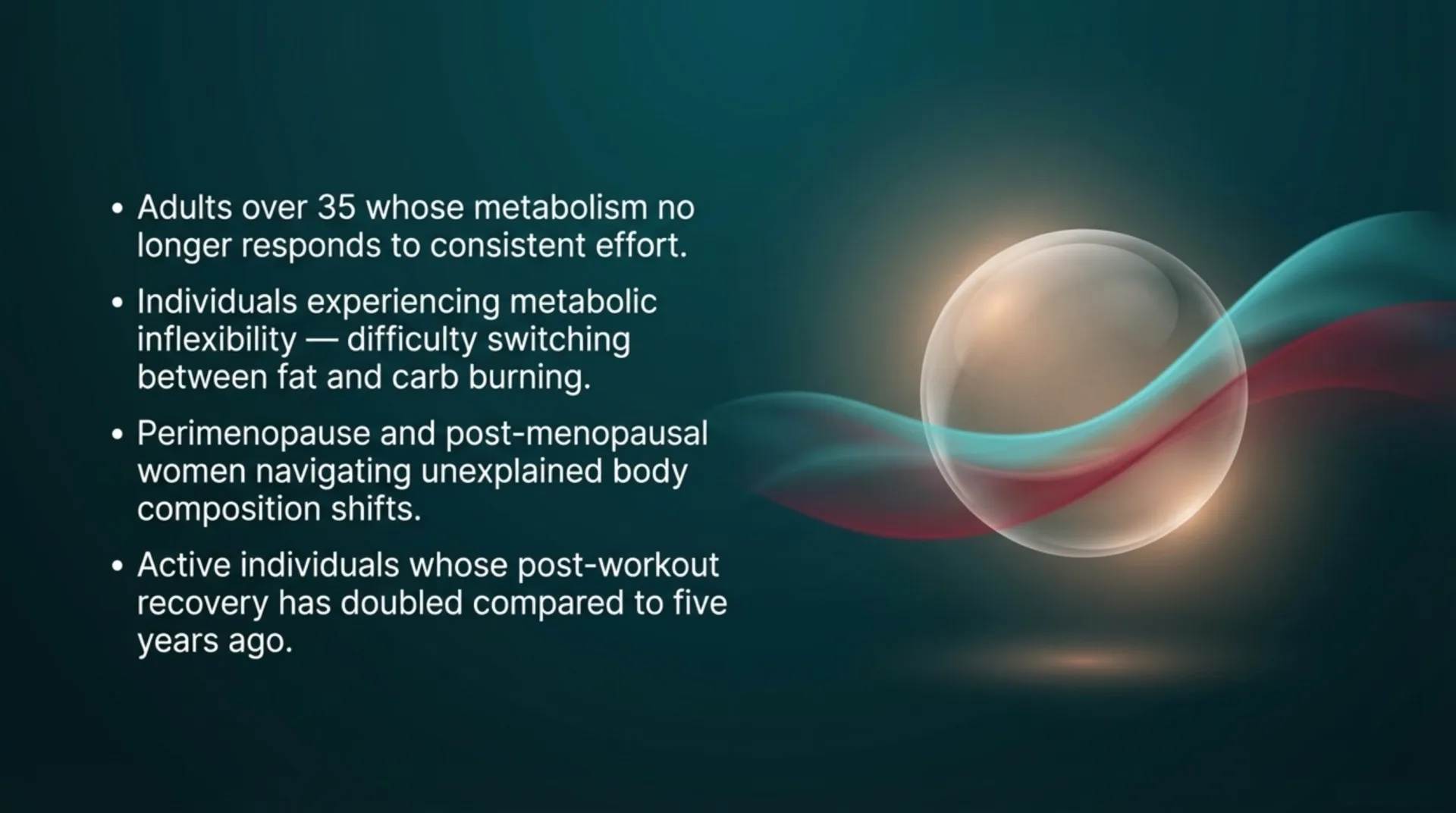
MOTS-c is particularly well-suited for adults over 35–40 experiencing metabolic inflexibility, individuals with early metabolic syndrome markers, perimenopause and post-menopausal women navigating metabolic shifts, and anyone pursuing longevity-oriented metabolic optimization.
If you’re already active and health-conscious but feel like your body isn’t rewarding the effort the way it should — that gap between effort and results is exactly what MOTS-c is designed to address.
Your Zvia provider in Lakewood, Colorado would evaluate your labs, your body composition data, and your goals to determine if MOTS-c fits your specific biology. This conversation is the starting point — not a commitment.
What Does a MOTS-c Protocol Involve?
MOTS-c is administered via subcutaneous injection — the validated delivery route for peptide therapeutics. As a 16-amino-acid peptide, oral delivery is ineffective due to gastrointestinal degradation. SQ injection provides direct systemic absorption with precision dosing.
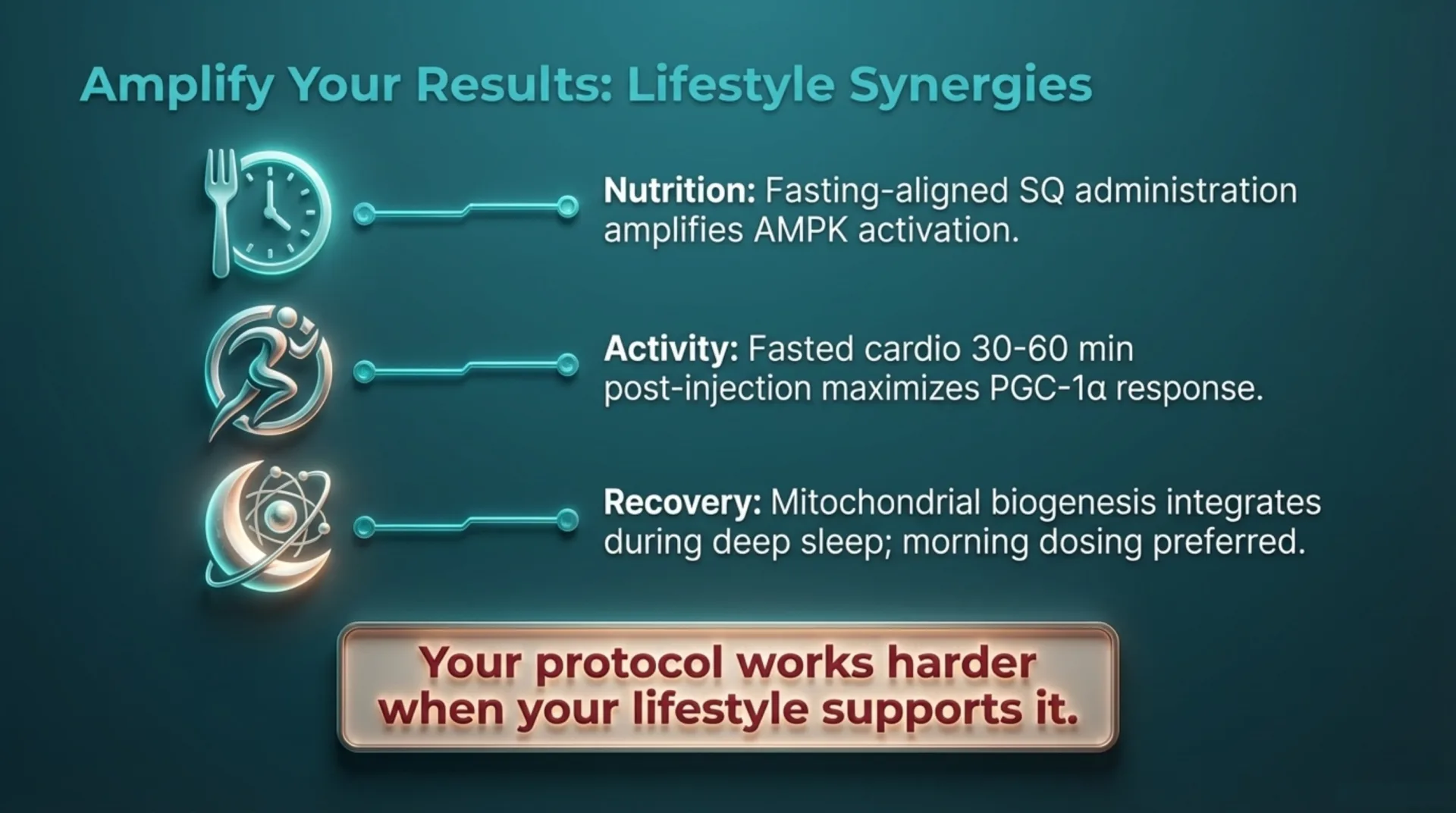
Your provider determines the optimal dosing protocol based on your metabolic markers and treatment goals. Standard protocols typically involve 2–3 injections per week over 4–12 week cycles, with periodic off-periods to maintain responsiveness. Morning administration on an empty stomach — ideally 30–60 minutes before fasted exercise — maximizes the synergy between MOTS-c and your body’s natural exercise response 2, 4.
Your protocol includes specific lifestyle prescriptions that amplify MOTS-c’s effects:
- Nutrition: A low processed sugar, low refined carbohydrate framework optimizes AMPK signaling. Your provider prescribes protein targets based on body composition analysis. Clients on high-dose folate supplementation should discuss this, as supplemental folic acid can attenuate MOTS-c’s mechanism 1.
- Activity: Your provider prescribes exercise modality, frequency, and intensity. MOTS-c and exercise produce greater combined metabolic responses than either alone 4 — fasted cardio timing with injection creates maximum synergistic activation.
- Sleep: Mitochondrial biogenesis and cellular repair occur primarily during deep sleep. Morning MOTS-c administration is preferred if evening alertness occurs.
Side effects are typically mild and transient: injection site reactions, occasional increased heart rate during early protocol phases, and mild gastrointestinal adjustment. A provider-directed protocol would include monitoring of fasting glucose, insulin levels, HbA1c, lipid panels, and body composition throughout.
What Precision Care Looks Like at Zvia
Compounds like MOTS-c demand precision — not because they’re risky, but because their therapeutic potential scales directly with how thoughtfully they’re deployed. The difference between a generic peptide prescription and a Zvia protocol is the difference between handing someone sheet music and conducting the orchestra.
When a mitochondrial-derived peptide like MOTS-c becomes part of a client’s plan, that process would start with comprehensive labs — not a basic metabolic panel, but the deep markers that reveal how your mitochondria are actually performing, how your insulin is truly responding, and where your metabolic flexibility stands. Dosing, timing, cycling schedule, and lifestyle prescriptions would be built around your specific biology, not handed down as a one-size-fits-all regimen — and adjusted as your body responds, never set on autopilot.
This is the same clinical philosophy that shapes every therapeutic in Zvia’s care model: providers who spend real time with you, who call with proactive guidance before problems arise, who coordinate complementary therapeutics when your biology calls for it. This is the clinical depth that comes from a practice that genuinely cares about your outcome — not a telehealth platform that writes a script and moves on.
Pharmaceutical-grade sourcing matters critically for peptide therapeutics. Research-grade peptides can have purity as low as 60%, with impurities posing real safety concerns. Should MOTS-c become available as part of your protocol, Zvia would source it exclusively from vetted compounding pharmacies with verified purity standards — this is not a compound to self-source.
Educational purposes only. Provider-supervised protocols required. Results may vary based on individual biological response.
Common questions about MOTS-c
Is MOTS-c safe?
How long does MOTS-c take to work?
What are the side effects of MOTS-c?
How is MOTS-c administered?
Who is a good candidate for MOTS-c?
Contact us to discuss your options — including therapies not yet listed here.
References
- 1. Lee C, Zeng J, Drew BG et al. The Mitochondrial-Derived Peptide MOTS-c Promotes Metabolic Homeostasis and Reduces Obesity and Insulin Resistance . Cell Metabolism (2015).
- 2. Reynolds JC, Lai RW, Woodhead JST et al. MOTS-c is an exercise-induced mitochondrial-encoded regulator of age-dependent physical decline and muscle homeostasis . Nature Communications (2021).
- 3. Kim KH, Son JM, Benayoun BA, Lee C. The Mitochondrial-Encoded Peptide MOTS-c Translocates to the Nucleus to Regulate Nuclear Gene Expression in Response to Metabolic Stress . Cell Reports (2018).
- 4. Yang B et al. MOTS-c interacts synergistically with exercise intervention to regulate PGC-1α expression, attenuate insulin resistance, and enhance glucose metabolism via AMPK signaling pathway . BBA - Molecular Basis of Disease (2021).
- 5. Kumagai H et al. MOTS-c, the Most Recent Mitochondrial Derived Peptide in Human Aging and Age-Related Diseases . International Journal of Molecular Sciences (2022).
- 6. Merry TL, Chan A, Woodhead JST et al. MOTS-c: A promising mitochondrial-derived peptide for therapeutic exploitation . Frontiers in Endocrinology (2023).
- 7. American Journal of Respiratory Cell and Molecular Biology MOTS-c Promotes Glycolysis via AMPK-HIF-1α-PFKFB3 Pathway . American Journal of Respiratory Cell and Molecular Biology (2025).
- 8. Theall B, Engelen MPKJ, Deutz NEP et al. Mitochondria-derived peptide MOTS-c restores mitochondrial respiration in type 2 diabetic heart . Frontiers in Physiology (2025).
- 9. Kim SJ, Mehta HH, Engelen MPKJ et al. Mitochondrial-encoded peptide MOTS-c prevents pancreatic islet cell senescence to delay diabetes . Experimental & Molecular Medicine (2025).
- 10. USADA What is the MOTS-c peptide? . USADA (2024).