Not Currently Offered — Educational Only
AOD-9604 was recently removed from the FDA's Category 2 restricted list and is under review for inclusion on the FDA's 503A Bulk Drug Substances List following the agency's July 2026 advisory committee meeting. Until that determination is final, this page is educational only and does not represent a treatment currently available through Zvia.
You've Done Everything Right — and Your Body Still Won't Budge
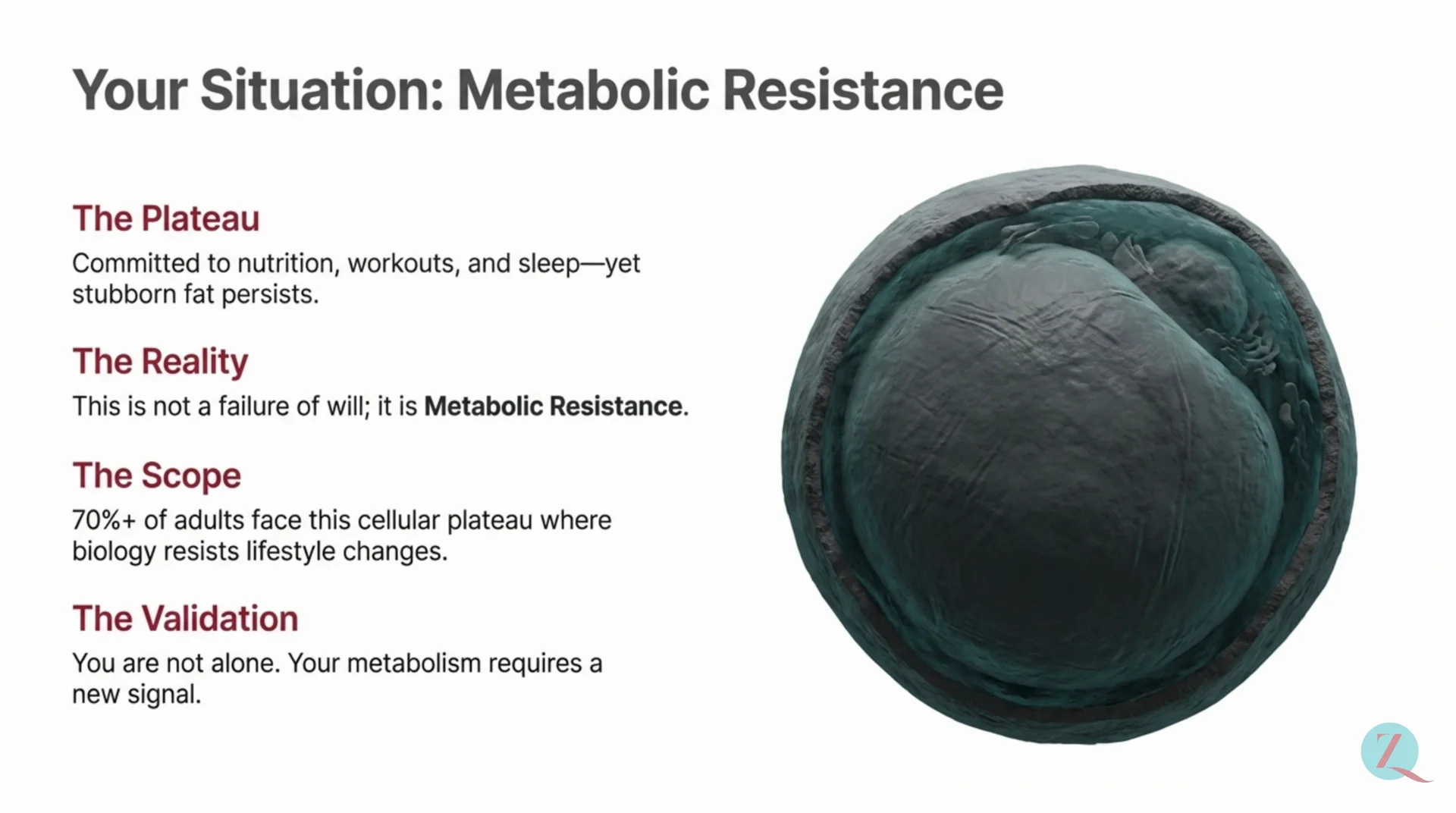
You've put in the work — the nutrition, the training, the discipline. And still, certain fat deposits won't cooperate. It's not a willpower problem. It's a biology problem. Your fat cells have become metabolically resistant, and effort alone can't override cellular chemistry. You deserve a solution that meets that reality head-on.

21-minute audio overview — how AOD-9604 targets fat metabolism, delivery methods, and your expected timeline
What Is AOD-9604?
You’ve put in the work — real, sustained effort. The nutrition is dialed, the training is consistent, the sleep is prioritized. And yet certain areas of your body simply won’t budge. That stubborn fat that resists everything you throw at it isn’t a failure of discipline. It’s a biological bottleneck — your adipose tissue has become metabolically resistant, and willpower alone can’t override cellular chemistry.
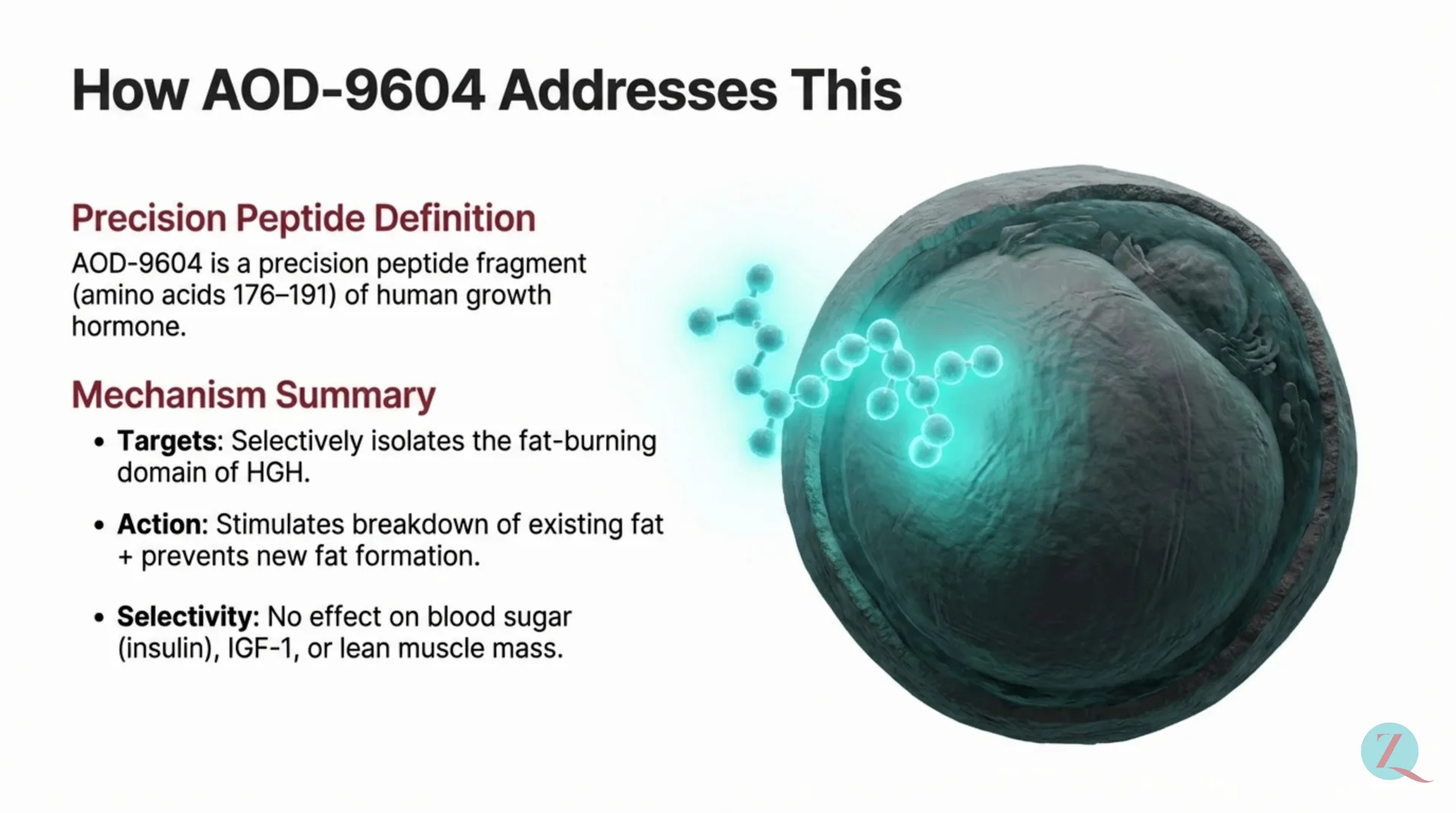
AOD-9604 is a synthetic peptide specifically engineered to address this exact problem. It’s a 16-amino acid fragment derived from the C-terminal domain of human growth hormone (amino acids 176–191), with a stabilizing tyrosine substitution at the N-terminus 5. Originally developed by Metabolic Pharmaceuticals in Australia during the 1990s, AOD-9604 was precision-designed to isolate growth hormone’s fat-metabolizing properties while deliberately excluding its broader systemic effects — no impact on IGF-1, no disruption to glucose metabolism, no interference with your body’s natural hormone balance 2.
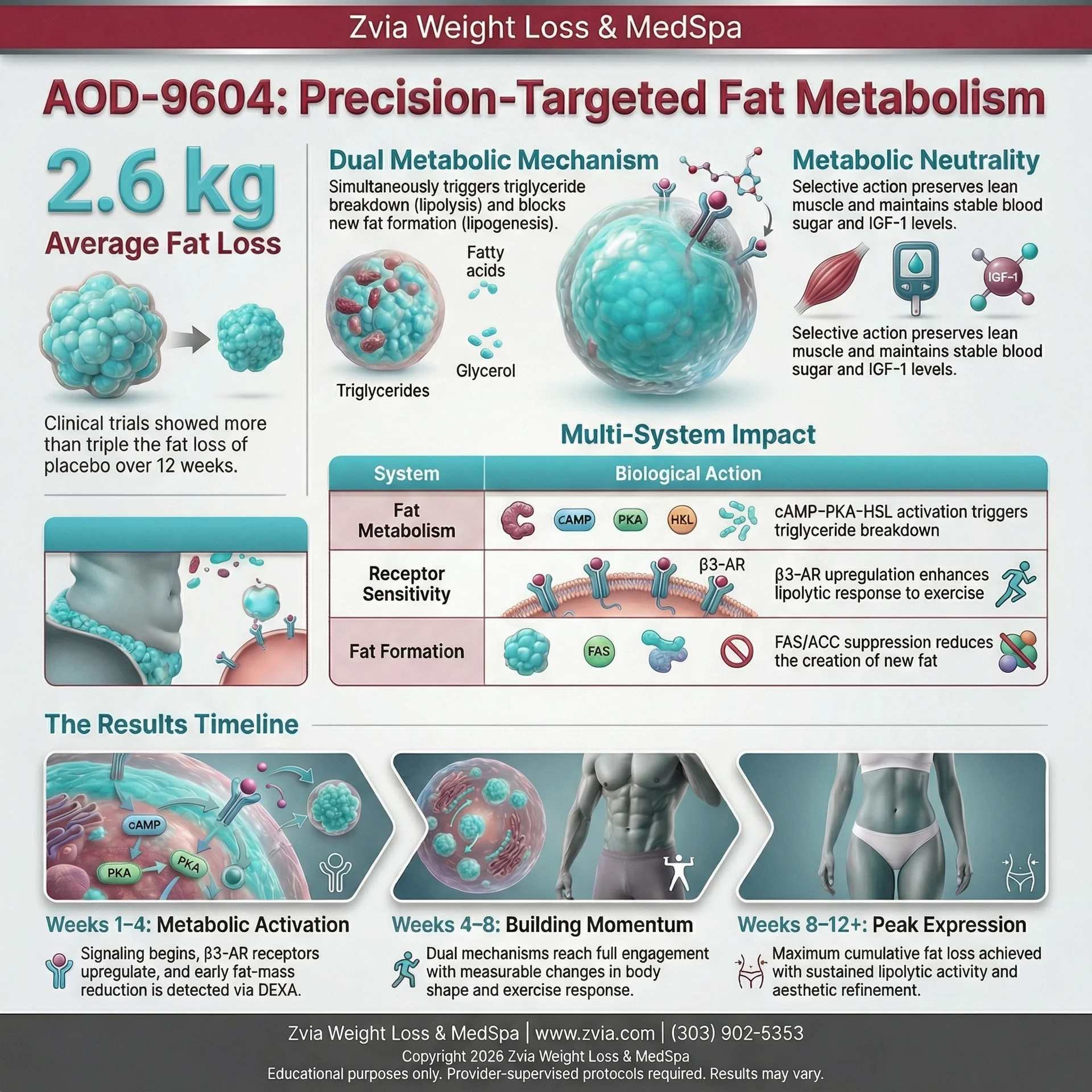
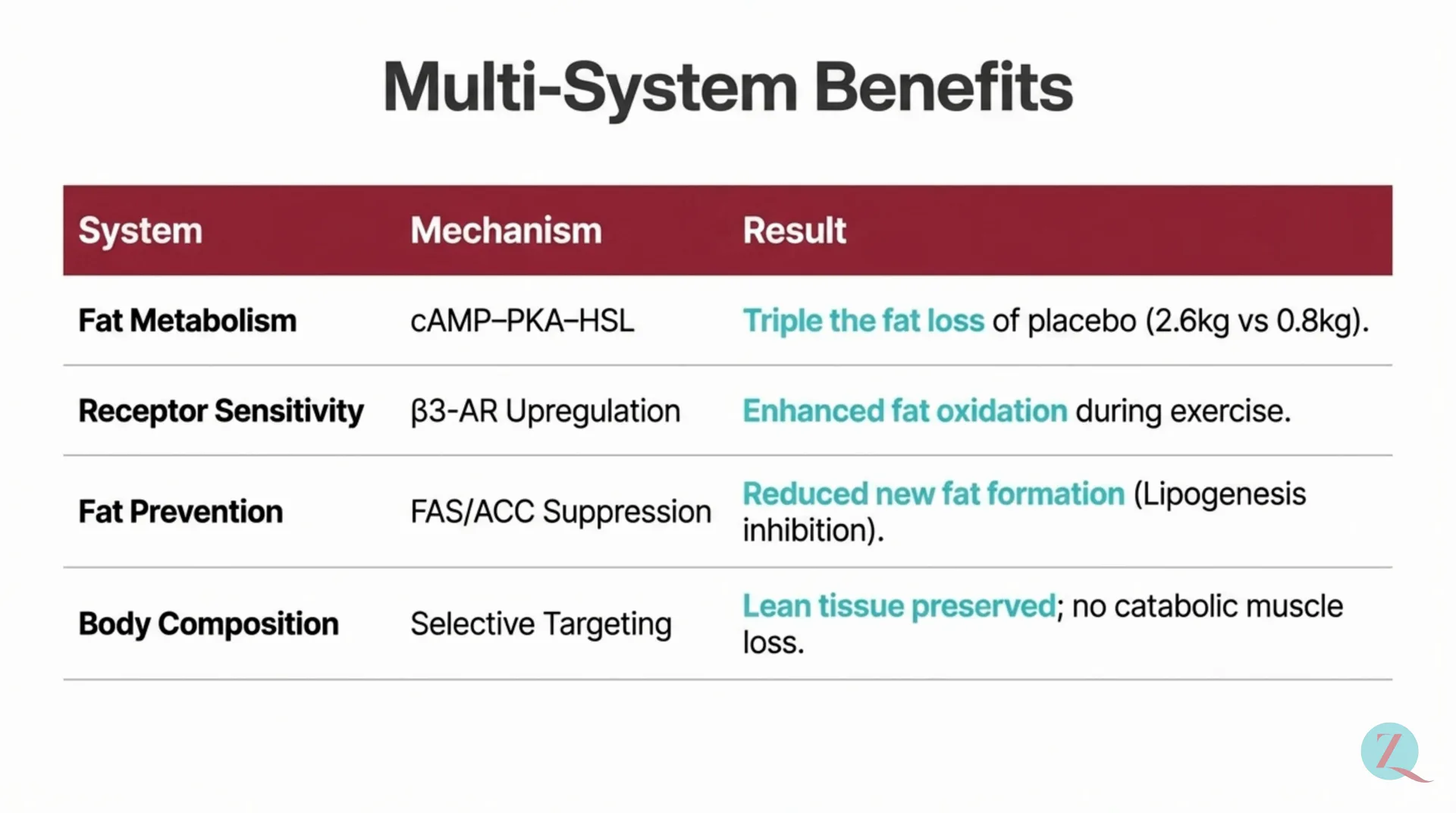
The clinical evidence spans six randomized, double-blind, placebo-controlled trials involving over 900 participants 2. In a 12-week trial, participants receiving 1 mg daily achieved an average fat loss of 2.8 kg — more than triple the 0.8 kg lost by the placebo group 2. This isn’t theoretical potential; it’s measured, DEXA-confirmed body composition change driven by a compound that targets fat with uncommon precision.
How Does It Work?
AOD-9604 operates through three integrated biological pathways, all converging on selective fat metabolism — and all leaving your broader metabolic systems untouched.
The Primary Engine: cAMP–PKA–HSL Lipolytic Cascade
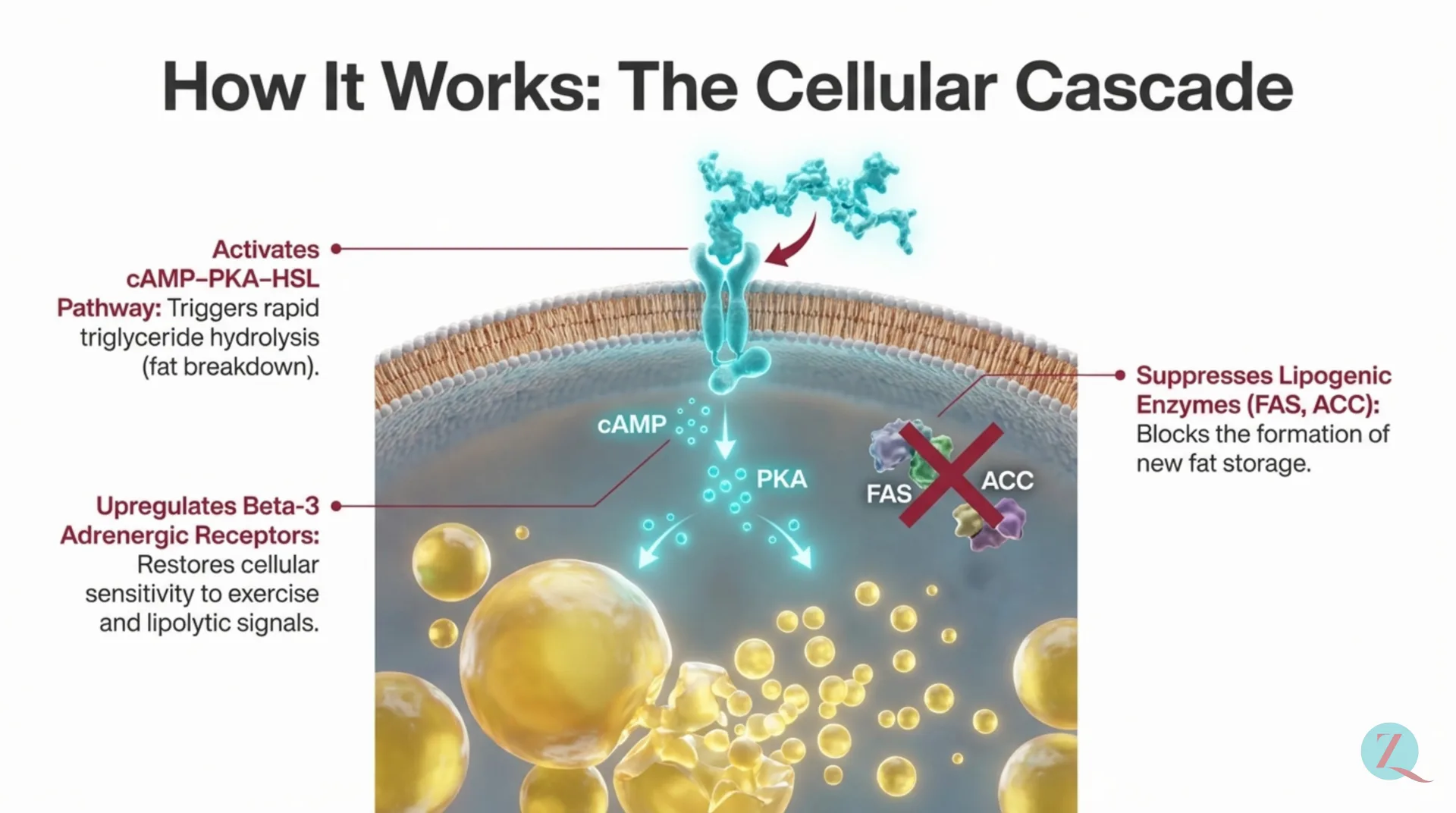
The foundation of AOD-9604’s action is the cAMP–protein kinase A (PKA)–hormone-sensitive lipase (HSL) signaling cascade within your fat cells 4. When AOD-9604 reaches adipocytes, it elevates cyclic AMP (cAMP) concentrations — a critical second messenger that relays metabolic signals inside the cell. Elevated cAMP activates protein kinase A, which in turn phosphorylates hormone-sensitive lipase. Once activated, HSL triggers the hydrolysis of triglycerides stored in your fat cells, releasing free fatty acids into your bloodstream for energy utilization 4. This is direct, pathway-level fat breakdown — not a vague metabolic boost, but a specific enzymatic cascade that mobilizes stored fat.
Amplifying the Signal: Beta-3 Adrenergic Receptor Upregulation
AOD-9604 upregulates the expression of beta-3 adrenergic receptors (β3-AR) on fat cell surfaces 1. Research demonstrates that AOD-9604 increases repressed β3-AR RNA levels in obese subjects to levels comparable with those in lean individuals 1. This upregulation doesn’t directly drive lipolysis — the cAMP pathway handles that — but it amplifies your tissue’s subsequent responsiveness to exercise, catecholamines, and other naturally occurring fat-mobilizing signals 1. Essentially, AOD-9604 restores your fat cells’ ability to hear and respond to the “burn fat” messages your body is already sending during physical activity.
The role of β3-AR is confirmed by knockout studies: mice lacking beta-3 adrenergic receptors are unresponsive to AOD-9604’s lipolytic effects, demonstrating this receptor pathway is essential to the compound’s mechanism 1.
Closing the Loop: Lipogenesis Inhibition
While the primary pathways drive fat breakdown, AOD-9604 simultaneously slows fat formation. The peptide suppresses fatty acid synthase (FAS) and acetyl-CoA carboxylase (ACC) — the key enzymes responsible for converting dietary nutrients into stored fat 4. This creates sustained metabolic pressure on adipose tissue: existing fat is mobilized for energy while new fat formation is constrained 4. The net effect compounds over time, producing durable body composition change rather than temporary fluctuation.
What AOD-9604 Deliberately Does Not Do
A defining feature of this peptide is its selectivity. Clinical trials confirm AOD-9604 does not elevate serum IGF-1 levels, eliminating concerns about growth-promoting side effects 2. It does not impair glucose tolerance or insulin sensitivity — oral glucose tolerance testing shows no negative carbohydrate metabolism effects 2. It does not stimulate the pituitary axis or suppress endogenous hormone production 5. And DEXA-confirmed data shows lean tissue mass is preserved throughout treatment 2. You get precision fat metabolism without systemic metabolic disruption.
What Are the Benefits of AOD-9604?
Fat-Specific Loss Without Lean Tissue Compromise
DEXA-confirmed clinical data demonstrates that AOD-9604-induced fat loss occurs without corresponding changes in lean tissue mass 2. This selectivity is the inverse of aggressive caloric restriction, where some muscle loss is nearly inevitable. Your training investment remains protected while fat is specifically targeted.
Dual Mechanism: Breakdown Plus Prevention
Most interventions address one side of the fat equation. AOD-9604 operates on both simultaneously — stimulating the breakdown of existing fat through the HSL pathway while suppressing new fat formation via FAS and ACC inhibition 4. This two-pronged approach creates the compounding body composition change that single-mechanism interventions struggle to deliver.
Clinically Confirmed Safety Profile
Across 900+ participants in six controlled trials, AOD-9604 demonstrated a safety profile indistinguishable from placebo 2. No IGF-1 elevation, no glucose intolerance, no insulin resistance, no anti-AOD9604 antibodies 2. Comprehensive preclinical testing — including genotoxicological, toxicological, and pharmacokinetic studies in rats and primates — confirmed no evidence of genotoxic or toxicological concerns 3.
Enhanced Exercise Response
The upregulation of β3-AR expression restores lipolytic sensitivity in adipose tissue to levels seen in lean individuals 1. This means your provider-prescribed resistance training and cardiovascular activity produce greater fat oxidation — your exercise investment works more efficiently when your fat cells are actually listening to the signals your body generates during activity.
Emerging Cartilage and Joint Support
Beyond fat metabolism, preliminary research shows AOD-9604 may promote proteoglycan and collagen production in cartilage tissue 6. In animal models, intra-articular AOD-9604 injections enhanced cartilage regeneration, with combined AOD-9604 and hyaluronic acid proving more effective than either alone 6. While not yet a primary clinical indication, this emerging research adds another dimension to the compound’s therapeutic profile.
How Long Does AOD-9604 Take to Work?
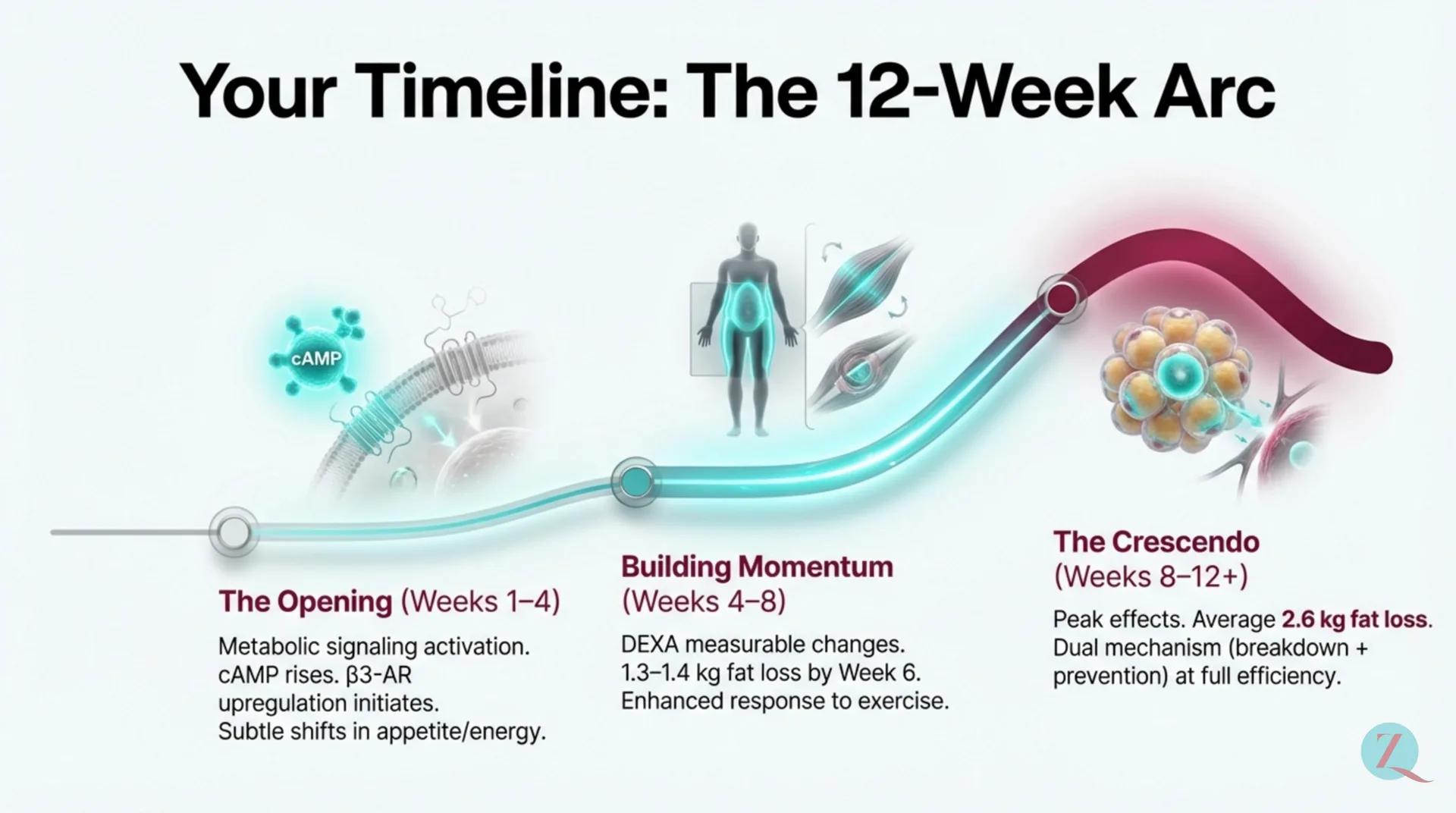
AOD-9604’s effects unfold across three distinct phases, each with specific metabolic milestones. Individual variation is real — genetics, baseline body composition, protocol adherence, and receptor density all influence pace. What follows are clinically grounded expectations, not promises.
The Opening (Weeks 1–4)
Your body is receiving a novel metabolic signal. AOD-9604 begins engaging the cAMP–PKA–HSL pathway in adipocytes, initiating lipolytic cascade activation. Beta-3 adrenergic receptor upregulation begins, gradually restoring lipolytic sensitivity 1. You may notice subtle shifts in energy or appetite — your metabolic system is recalibrating. Early side effects (mild injection site reactions, occasional headache) are common and typically resolve within the first week 2. By Week 4, metabolic signaling is robust, which is typically when a provider-directed protocol would assess tolerance and establish a baseline for the next phase.
Body composition shifts are subtle here — perhaps 1–2 pounds of early fat reduction. The real work is happening at the cellular level: your fat cells are being retrained to respond.
Building Momentum (Weeks 4–8)
The dual mechanisms reach functional maturity. Lipolysis is robustly stimulated; lipogenesis inhibition is fully engaged. β3-AR upregulation is pronounced 1. Measurable body composition change becomes apparent — body composition scans show fat-mass reduction proportional to clinical trial data 2. Individuals following this protocol can typically notice changes in how clothes fit, in mirror appearance, and in body shape. Exercise response accelerates as upregulated receptors prime your fat tissue for mobilization during activity.
This is where effort and AOD-9604 clearly compound. Nutrition, activity, and the peptide are synergizing — and the results are becoming visible.
The Crescendo (Weeks 8–12+)
Peak expression. The cAMP–PKA–HSL cascade operates at maximum efficiency; β3-AR upregulation is fully realized; lipogenic enzyme suppression is sustained. Clinical trial participants averaged 2.8 kg of fat loss at 12 weeks — more than triple placebo 2. Individual results vary based on baseline metabolism, protocol adherence, and physiology. A provider-directed protocol would evaluate whether continuation beyond 12 weeks is appropriate based on outcomes relative to your goals.
Timeline Note: Realistic expectations matter. AOD-9604 delivers measurable, fat-specific body composition change — not dramatic overnight transformation. The average clinical result of 2–3 kg of targeted fat loss over 12 weeks represents meaningful change, particularly because it’s fat-specific and lean-tissue-preserving. A provider-directed protocol would help you understand what’s realistic for your individual starting point.
Is AOD-9604 Right for You?
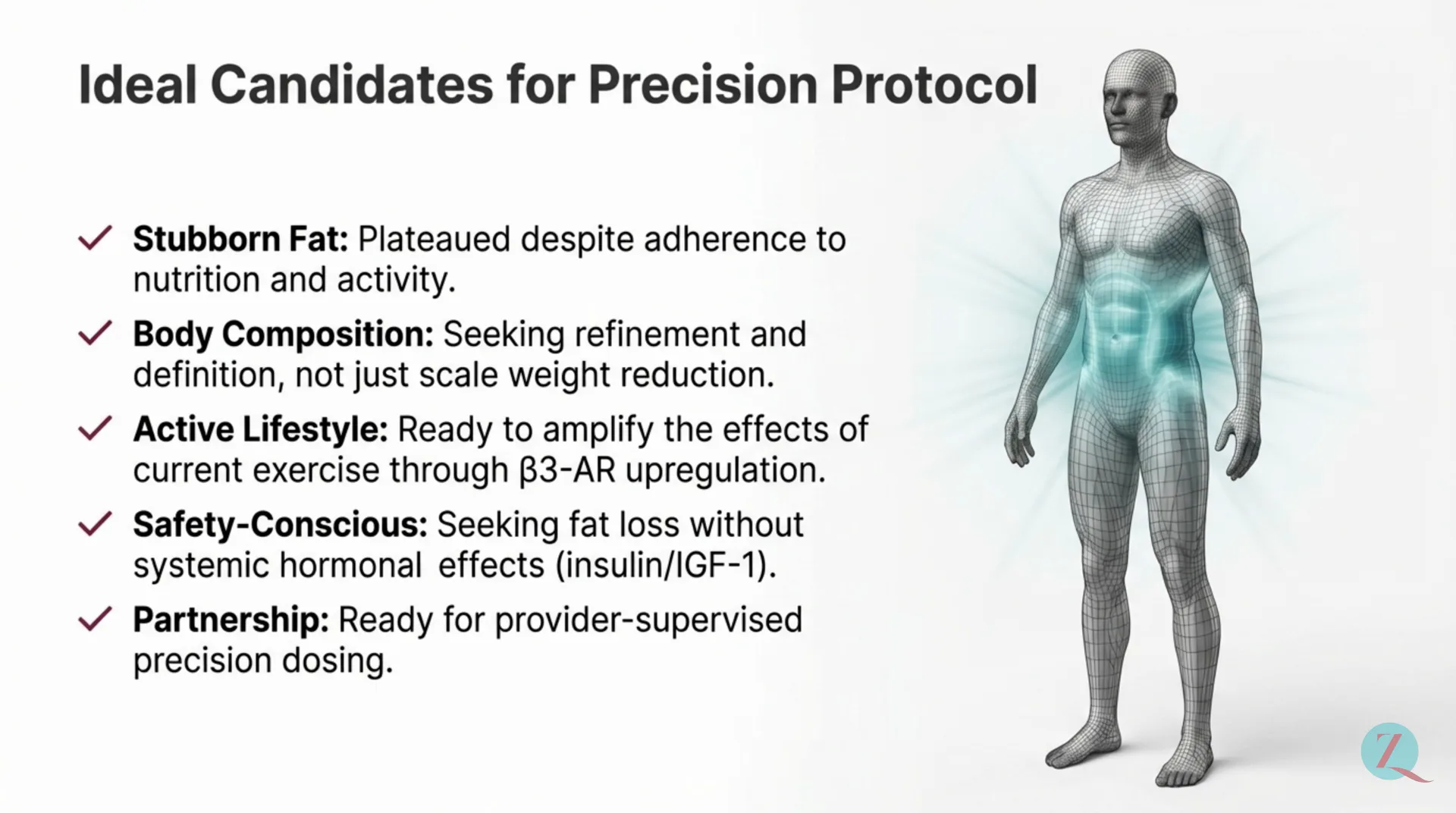
If you’ve hit a wall despite doing everything right — your nutrition is clean, your training is consistent, your sleep is optimized, and yet your body composition hasn’t changed in months — AOD-9604 may be exactly what bridges that gap. The frustration of effort without proportional result isn’t imaginary. It’s often a sign that your adipose tissue has become metabolically resistant, and a targeted intervention can restore the responsiveness your lifestyle efforts deserve.
If you’re already in good shape and pursuing refinement — targeting specific fat deposits, chasing the final level of body composition precision, or optimizing beyond what lifestyle alone can achieve — AOD-9604 provides the selective mechanism to address those last stubborn areas without compromising your lean tissue foundation.
Candidacy requires provider evaluation. Your Zvia provider would review your labs, metabolic panel, body composition data, and goals to determine whether AOD-9604 is the right fit. That clinical assessment is what determines whether this compound belongs in your protocol.
What Does an AOD-9604 Protocol Involve?
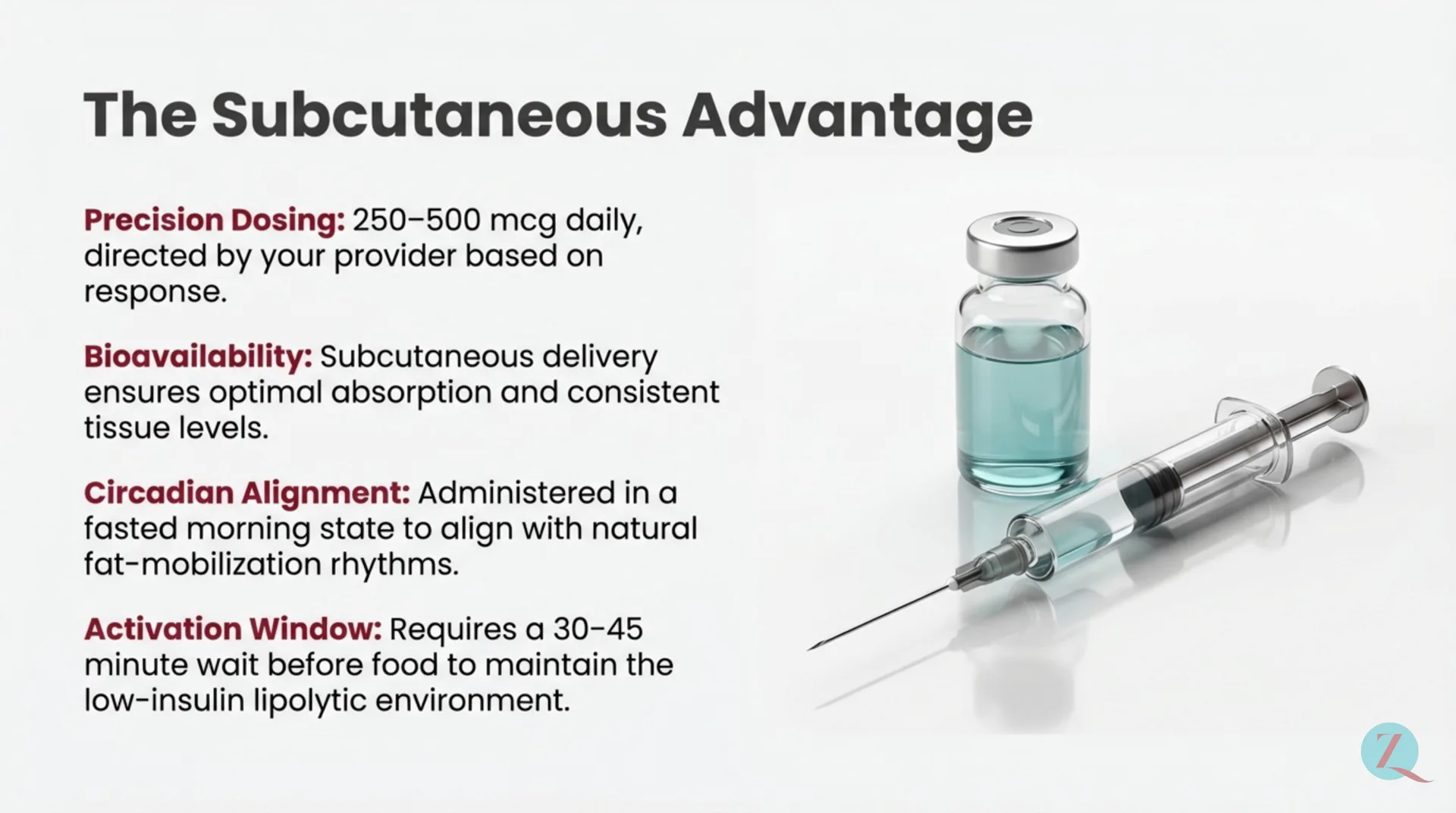
AOD-9604 is administered via subcutaneous injection — a small needle into abdominal tissue, taking less than a minute. Standard dosing ranges from 250–500 mcg daily, typically in the morning before food. Your provider determines your specific dose based on body composition assessment, metabolic profile, and therapeutic goals.
The fasted morning timing isn’t arbitrary. Low insulin levels during fasting preserve the metabolic environment supporting maximum lipolytic signaling — insulin suppresses lipolysis and promotes lipogenesis, so fasting removes that inhibition. A 30–45-minute window before eating allows AOD-9604 to establish optimal plasma concentrations before the insulin response begins.
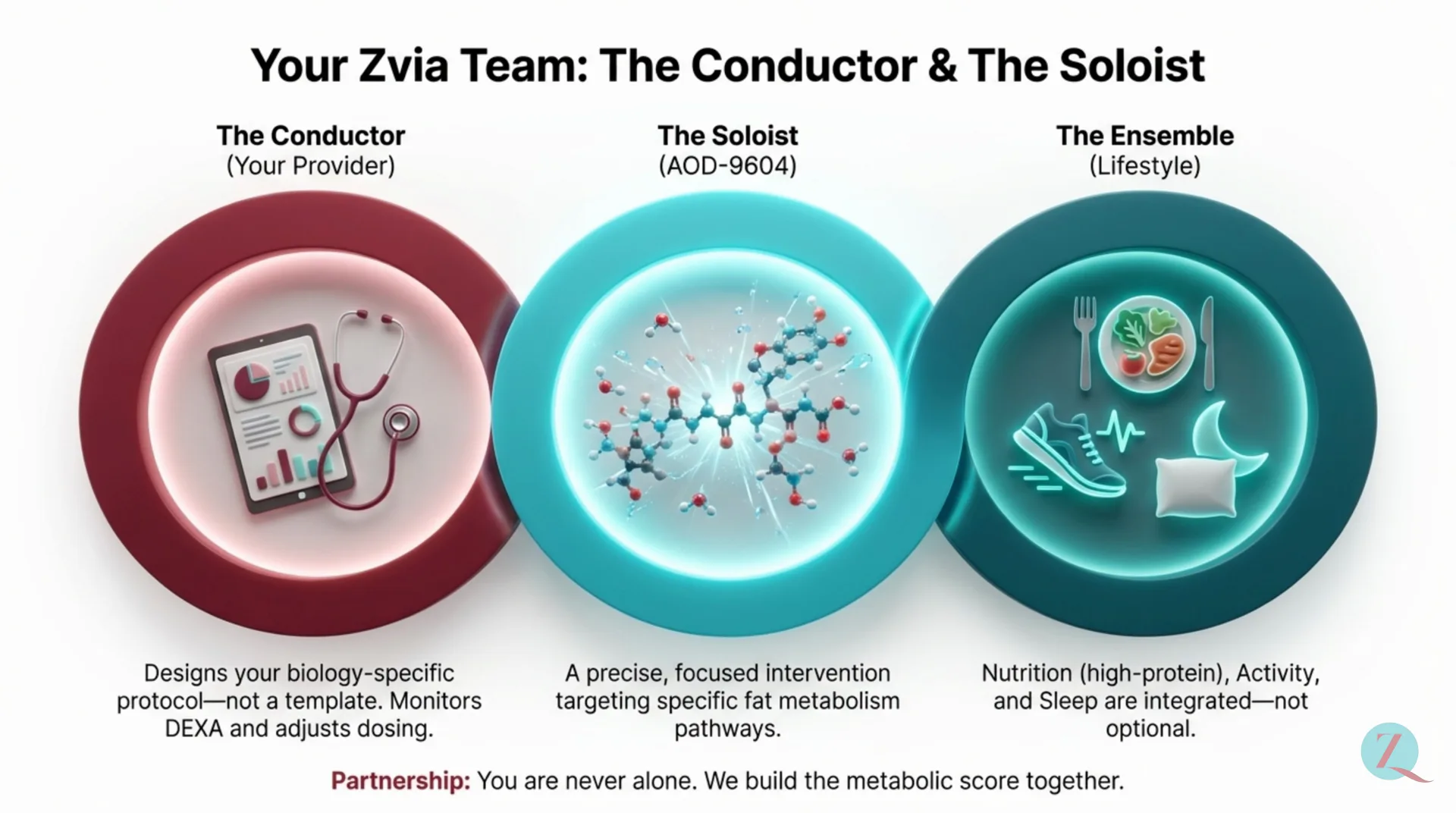
The lifestyle protocol is integral, not optional. AOD-9604 operates within an ecosystem:
Nutrition — High-protein approach (typically 0.8–1.2 g per pound of body weight) to preserve lean tissue during fat loss. Anti-inflammatory foods support the cellular signaling pathways AOD-9604 engages. Moderate caloric approach — sufficient reduction to support fat loss while maintaining energy for daily function and prescribed activity.
Activity — Provider-prescribed resistance training preserves muscle and amplifies fat oxidation. Cardiovascular work enhances fat mobilization. Morning fasted activity after injection — when peptide signaling and circadian fat metabolism peaks align — may further amplify results.
Sleep — 7–9 hours nightly. AOD-9604’s mechanisms work synergistically with circadian biology and sleep-phase growth hormone secretion. Sleep deprivation impairs this synergy, elevates cortisol, and promotes visceral fat storage.
Stress management — Chronic stress elevates cortisol, promoting visceral fat accumulation and potentially counteracting AOD-9604’s fat-mobilization mechanisms. Stress reduction practices are clinical protocol components.
The Zvia Standard for Precision Fat-Metabolism Peptide Care
What makes a peptide like AOD-9604 work at the mechanistic level is precision. What makes it work for you is the team behind it.
Across our fat-metabolism and body-composition protocols, what we’ve consistently seen is that the clients who experience the most meaningful results are the ones who commit to the full metabolic picture — not just a peptide, but the nutrition, the movement, and the sleep that surround it.
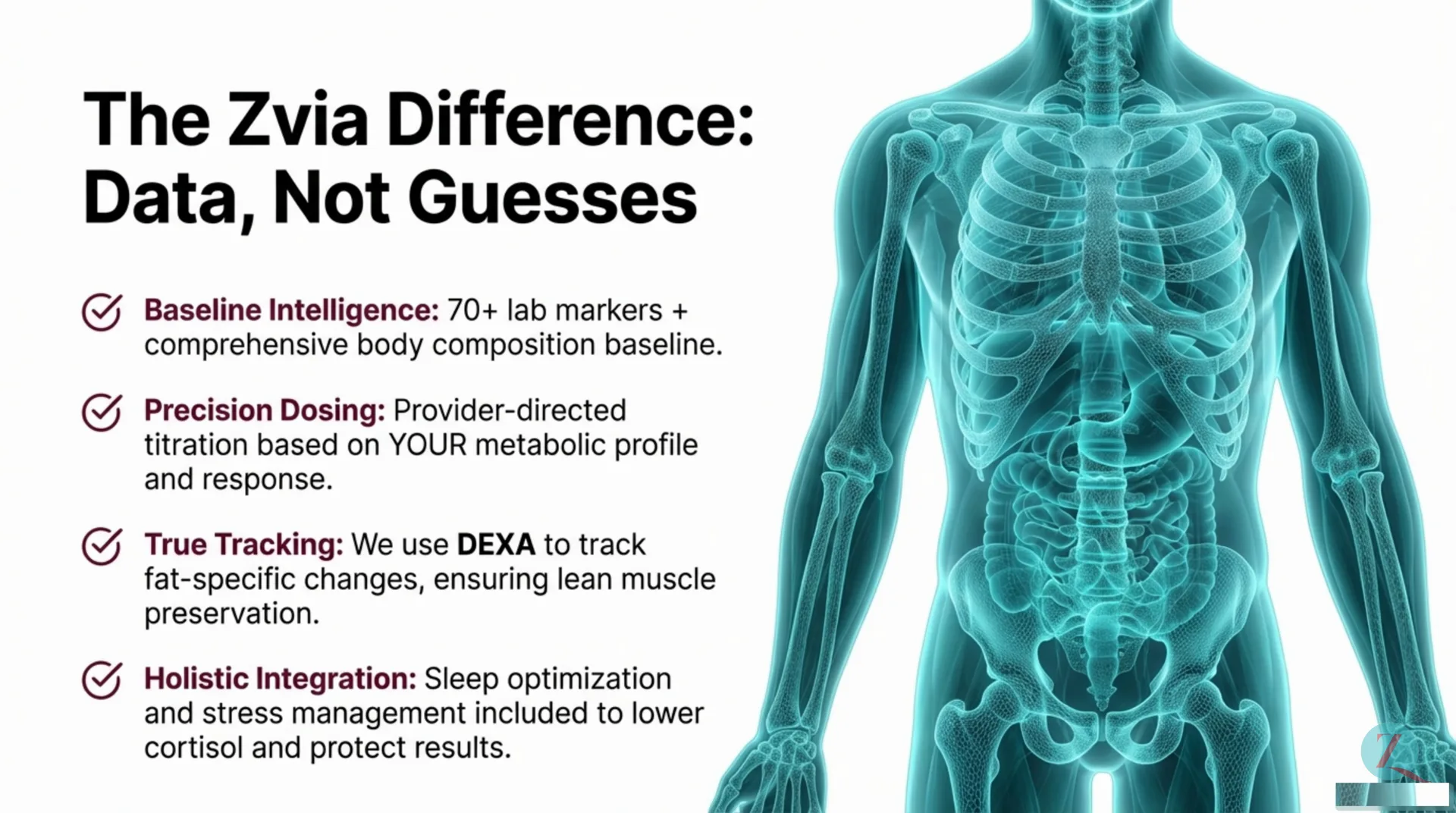
That’s the standard your Zvia provider in Lakewood, Colorado holds for any compound considered for your protocol. Nothing is prescribed from a template. The process starts with a comprehensive evaluation — 70+ marker metabolic assessment, 3D body composition scan, detailed history, medication review. That baseline becomes your compass. It’s the only way to know what a targeted fat-metabolism peptide would actually be doing to your specific physiology, not to a theoretical average.
Should AOD-9604 become available as part of your protocol, that same rigor applies to monitoring: continuous, not one-and-done. Regular 3D body composition rescans would track body composition change with a precision generic providers don’t employ. Metabolic panels would confirm your lipid profile, glucose handling, and hormone levels remain optimized. Dosing, nutrition targets, and activity prescriptions would evolve based on what your body is actually showing — not what a protocol template predicts.
The difference from volume telehealth models is significant, regardless of compound. When a peptide like AOD-9604 is prescribed in a 10-minute telemedicine window with no follow-up protocol, results are inconsistent. A mechanism built on β3-AR upregulation, cAMP cascade activation, and lipogenesis suppression functions within a metabolic context that has to be measured and continuously refined. DIY approaches, lacking oversight and adjustment, reliably underdeliver.
At Zvia Weight Loss & MedSpa, precision peptide therapy isn’t just prescribed — it’s orchestrated. Any protocol is individualized from day one. Timelines stay realistic because they’re built on your physiology, not marketing. Results hold up because the team builds something you can sustain and adjust as your goals evolve. The clinical rigor is the caring — comprehensive panels get run because your care team is invested in your outcome, monitoring and adjustment happen because that’s how good care works, and real time gets spent with you because that’s the kind of practice they’ve built.
Educational purposes only. Provider-supervised protocols required. Results may vary based on individual biological response.
Common questions about AOD-9604
Is AOD-9604 safe?
How long does AOD-9604 take to work?
What are the side effects of AOD-9604?
How is AOD-9604 administered?
Who is a good candidate for AOD-9604?
Contact us to discuss your options — including therapies not yet listed here.
References
- 1. Heffernan MA, Summers RJ, Thorburn A, et al. The Effects of Human GH and Its Lipolytic Fragment (AOD9604) on Lipid Metabolism Following Chronic Treatment in Obese Mice and β3-AR Knock-Out Mice . Endocrinology (2001).
- 2. Stier H, Vos E, Kenley D Safety and Tolerability of the Hexadecapeptide AOD9604 in Humans . Journal of Endocrinology and Metabolism (2013).
- 3. Moré MI, Kenley D Safety and Metabolism of AOD9604, a Novel Nutraceutical Ingredient for Improved Metabolic Health . Journal of Endocrinology and Metabolism (2014).
- 4. Ng FM, Sun J, Sharma L, et al. Increase of Fat Oxidation and Weight Loss in Obese Mice Caused by Chronic Treatment with Human Growth Hormone or a Modified C-Terminal Fragment . International Journal of Obesity (2000).
- 5. Ng FM, Bornstein J Metabolic Studies of a Synthetic Lipolytic Domain (AOD9604) of Human Growth Hormone . Hormone Research (2000).
- 6. Kwon DR, Park GY, Lee SC Effect of Intra-articular Injection of AOD9604 with or without Hyaluronic Acid in Rabbit Osteoarthritis Model . Annals of Clinical and Laboratory Science (2015).
- 7. Rodgers RJ, Tschöp MH, Wilding JPH Obesity Pharmacotherapy: Current Perspectives and Future Directions . Disease Models & Mechanisms (PMC) (2012).